
How To Improve Chinese Vocabulary Using Fast and Effective Methods

Learning Chinese can be a rewarding yet challenging endeavor, especially when it comes to expanding vocabulary efficiently. Whether you're a beginner or an advanced learner, mastering new words quickly is essential for fluency. This article explores fast and effective methods to boost your Chinese vocabulary, from leveraging spaced repetition systems and immersive techniques to utilizing mnemonics and context-based learning. Discover practical strategies tailored to different learning styles, ensuring consistent progress without overwhelming effort. By incorporating these approaches into your routine, you’ll not only memorize characters and phrases more effectively but also retain them long-term. Unlock the secrets to accelerating your Chinese vocabulary today!
How To Improve Chinese Vocabulary Using Fast and Effective Methods
Expanding your Chinese vocabulary quickly and efficiently requires a combination of smart strategies and consistent practice. By leveraging memory techniques, contextual learning, and technology, you can accelerate your progress. Below, we explore five powerful methods to enhance your vocabulary retention and usage in Mandarin Chinese.
1. Use Spaced Repetition Systems (SRS)
Spaced Repetition Systems (SRS) like Anki or Pleco Flashcards help reinforce vocabulary by presenting words at optimal intervals. This method ensures long-term retention by focusing on words you struggle with while reducing review frequency for mastered terms.
See AlsoChinese Measure Words and How to Use Them| Tool | Key Feature |
|---|---|
| Anki | Customizable flashcards with SRS algorithm |
| Pleco | Integrated dictionary & flashcards |
2. Learn Words in Context
Instead of memorizing isolated words, study them within sentences or phrases. This approach improves recall and helps you understand grammar patterns. Reading short stories, news articles, or watching Chinese dramas with subtitles reinforces vocabulary naturally.
| Resource | Benefit |
|---|---|
| Du Chinese | Graded readers with audio |
| ChinesePod | Contextual dialogues & lessons |
3. Practice Active Recall
Active recall forces your brain to retrieve information without prompts, strengthening memory. Techniques include writing sentences, speaking aloud, or testing yourself with flashcards. Avoid passive review—challenge yourself to produce words from memory.
| Method | How It Helps |
|---|---|
| Self-quizzing | Identifies weak areas |
| Language exchange | Real-world application |
4. Leverage Mnemonics & Visuals
Mnemonics link new words to familiar concepts, making them easier to remember. For example, associating 苹果 (píngguǒ, apple) with ping (sound of a bouncing apple). Visual aids like stickers or mind maps further enhance retention.
See AlsoUltimate HSK 6 Vocabulary Test| Technique | Example |
|---|---|
| Story association | Creating a story with the word |
| Drawing characters | Visualizing radicals |
5. Engage in Daily Immersion
Surround yourself with Chinese daily—listen to podcasts, label household items, or switch your phone’s language. Consistent exposure reinforces vocabulary passively while improving listening and speaking skills.
| Activity | Frequency |
|---|---|
| Listening to music | Daily |
| Writing a journal | 3-5 times/week |
How to increase Chinese vocabulary fast?

Use Flashcards for Daily Practice
Flashcards are a powerful tool to memorize Chinese vocabulary quickly. By reviewing them daily, you reinforce your memory and retain words more effectively. Here’s how to maximize their use:
See AlsoShould you learn Chinese vocabulary from lists?- Anki or Pleco: Use digital flashcard apps like Anki or Pleco for spaced repetition.
- Write and Review: Create physical flashcards for hands-on practice.
- Categorize Words: Group vocabulary by themes (e.g., food, travel) for better recall.
Immerse Yourself in Chinese Media
Exposing yourself to authentic Chinese content accelerates vocabulary acquisition. Here’s how to do it effectively:
- Watch TV Shows/Movies: Use subtitles to connect spoken and written words.
- Listen to Podcasts/Music: Focus on lyrics or dialogues to pick up new terms.
- Read Books/News: Start with children’s books or graded readers, then advance to newspapers.
Practice Speaking with Native Speakers
Engaging in conversations helps solidify vocabulary in real-world contexts. Follow these steps:
- Language Exchange: Use apps like Tandem or HelloTalk to chat with natives.
- Join Meetups: Attend local or online Chinese-speaking events.
- Shadowing Technique: Repeat sentences after native speakers to improve pronunciation and recall.
Learn Radicals and Character Components
Understanding radicals and character structures makes memorizing Chinese characters easier. Here’s how:
See AlsoHow to use YouTube and other video platforms to learn Chinese- Study Common Radicals: Learn the 214 Kangxi radicals to decode characters.
- Break Down Characters: Analyze components to understand meaning and pronunciation.
- Use Mnemonics: Create stories or associations to remember complex characters.
Set Clear Goals and Track Progress
Having a structured plan ensures consistent vocabulary growth. Implement these strategies:
- Daily Targets: Aim to learn 10-20 new words per day.
- Review Weekly: Test yourself on past vocabulary to reinforce retention.
- Use Apps: Track progress with tools like Skritter or Memrise.
How can I improve my Chinese speaking fast?

Immerse Yourself in a Chinese-Speaking Environment
To improve your Chinese speaking quickly, immerse yourself in a Chinese-speaking environment as much as possible. This forces you to think and respond in Chinese naturally.
- Watch Chinese TV shows, movies, or YouTube channels with subtitles to familiarize yourself with pronunciation and slang.
- Join language exchange groups or find a native speaker to practice with regularly.
- Switch your phone or social media settings to Chinese to expose yourself to the language daily.
Practice Speaking Daily with Native Speakers
Consistent practice with native speakers accelerates fluency by correcting mistakes in real-time.
- Use apps like Tandem or HelloTalk to connect with native speakers for conversation practice.
- Record yourself speaking and compare it to native pronunciations to identify areas for improvement.
- Repeat after podcasts or audiobooks to mimic tones and rhythms accurately.
Focus on High-Frequency Vocabulary and Phrases
Learning commonly used words and phrases helps you communicate faster without overloading on advanced vocabulary.
- Memorize essential daily phrases like greetings, ordering food, or asking for directions.
- Use flashcards or apps like Anki to reinforce retention of high-frequency words.
- Practice situational dialogues to apply vocabulary in real-life contexts.
Master Chinese Tones and Pronunciation Early
Tones are critical in Chinese, and mispronouncing them can change meanings entirely.
- Drill the four tones daily using tone pairs to build muscle memory.
- Listen and mimic native speakers to refine your accent and intonation.
- Work with a tutor to correct subtle pronunciation errors early on.
Use Technology and Apps for Accelerated Learning
Leverage digital tools to streamline your learning process and track progress.
- Try speech recognition apps like Pinyin Trainer to test your pronunciation accuracy.
- Play language-learning games to make practice engaging and fun.
- Set daily goals on apps like Duolingo or Memrise to maintain consistency.
How can I memorize Chinese words fast?
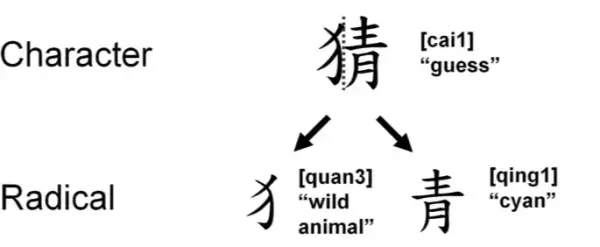
Use Mnemonics to Associate Chinese Characters
Mnemonics help create mental connections between Chinese characters and their meanings or sounds. By associating characters with familiar images or stories, you can recall them more easily.
- Break down characters into smaller components and link them to visual or auditory cues.
- Create vivid stories involving the character's shape or meaning to enhance retention.
- Use apps like Skritter or Anki to reinforce mnemonic-based learning.
Practice Writing Characters Repeatedly
Writing Chinese characters by hand reinforces muscle memory and improves recognition. Repetition is key to long-term retention.
- Write each character 10-20 times while saying its pronunciation aloud.
- Focus on stroke order to build a natural flow and avoid mistakes.
- Use grid paper to maintain proper proportions and structure.
Leverage Spaced Repetition Systems (SRS)
SRS tools optimize memorization by reviewing words at increasing intervals, ensuring they stick in long-term memory.
- Use apps like Anki or Pleco with built-in SRS algorithms.
- Schedule daily reviews to reinforce weak spots.
- Prioritize high-frequency words to maximize efficiency.
Incorporate Chinese Words into Daily Life
Immersion accelerates learning by making Chinese a natural part of your routine.
- Label household items with their Chinese names.
- Think or speak in Chinese for simple daily tasks.
- Watch shows or listen to music in Chinese to reinforce vocabulary.
Group Words by Themes or Radicals
Organizing vocabulary thematically or by shared radicals simplifies memorization.
- Learn related words together (e.g., food, travel, emotions).
- Study common radicals to recognize patterns in characters.
- Create mind maps to visualize connections between words.
How can I learn Chinese fast and easy?

Immerse Yourself in Chinese Daily
To learn Chinese quickly and effectively, surround yourself with the language as much as possible. This means integrating Chinese into your daily routine to build familiarity and fluency. Here’s how:
- Listen to Chinese music, podcasts, or radio stations to train your ear.
- Watch Chinese TV shows, movies, or YouTube videos with subtitles.
- Label objects around your home with their Chinese names for constant visual reinforcement.
Use Language Learning Apps
Modern tools can make learning Chinese easier and more interactive. Apps provide structured lessons and instant feedback. Consider these steps:
- Download apps like Duolingo, HelloChinese, or Anki for vocabulary drills.
- Practice daily, even if only for 10-15 minutes, to maintain consistency.
- Engage with gamified features to make learning fun and motivating.
Focus on High-Frequency Vocabulary
Mastering common words first accelerates your ability to communicate. Prioritize practical terms over obscure ones. Try this approach:
- Learn greetings, numbers, and daily phrases early on.
- Use flashcards or spaced repetition systems (SRS) to retain words.
- Apply new vocabulary in sentences immediately to reinforce memory.
Practice Speaking with Native Speakers
Conversation is key to fluency. Engaging with native speakers improves pronunciation and confidence. Follow these tips:
- Join language exchange platforms like Tandem or iTalki.
- Record yourself speaking and compare it to native audio.
- Don’t fear mistakes—feedback from natives is invaluable.
Study Chinese Characters Strategically
Characters can seem daunting, but a systematic approach simplifies learning. Break them down logically:
- Start with basic radicals (building blocks of characters).
- Write characters repeatedly to build muscle memory.
- Use mnemonics or stories to remember complex characters.
Frequently Asked Questions (FAQ)
What are the fastest methods to improve Chinese vocabulary?
Immersion is one of the fastest ways to expand your Chinese vocabulary. Surround yourself with the language by listening to Chinese podcasts, watching TV shows or movies, and reading books or articles in Mandarin. Another effective method is using spaced repetition systems (SRS) like Anki or Pleco, which help reinforce memory by reviewing words at optimal intervals. Additionally, practicing with flashcards and labeling everyday objects with their Chinese names can accelerate learning.
How can I memorize Chinese characters more effectively?
To memorize Chinese characters efficiently, break them down into radicals and components, as this helps in understanding their structure and meaning. Using mnemonics—creating vivid stories or associations—can make characters more memorable. Writing characters repeatedly while saying their pronunciation (pinyin) aloud reinforces muscle memory. Apps like Skritter combine handwriting practice with SRS for better retention. Consistency is key, so dedicate at least 10-15 minutes daily to character practice.
What role does context play in learning Chinese vocabulary?
Learning words in context significantly improves retention and comprehension. Instead of memorizing isolated words, study them within sentences or phrases to understand their usage. Engaging with real-life materials, such as news articles or dialogues, exposes you to how words function naturally. Tools like language exchange partners or tutors can provide contextual practice through conversations. Contextual learning also helps distinguish between words with similar meanings but different applications.
Are there any shortcuts to learning Chinese vocabulary quickly?
While there are no true shortcuts, certain strategies can speed up the process. Focus on high-frequency words first—the most commonly used 1,000-2,000 words cover around 80% of daily conversations. Use chunking techniques by learning phrases instead of single words. Leverage technology with apps like HelloChinese or Duolingo for gamified learning. Lastly, combine listening and speaking practice to reinforce vocabulary through active usage, which is far more effective than passive memorization alone.
Leave a Reply
Related Posts