
How to use YouTube and other video platforms to learn Chinese

Learning Chinese can be a rewarding yet challenging journey, but video platforms like YouTube offer an accessible and engaging way to master the language. With countless channels dedicated to teaching Mandarin, learners can access free lessons, pronunciation guides, and cultural insights at any time. From beginner-friendly tutorials to advanced conversational practice, these platforms provide diverse content tailored to different proficiency levels. Additionally, interactive features like subtitles, playback speed adjustments, and comment sections enhance the learning experience. By leveraging videos, learners can immerse themselves in authentic language use, pick up colloquial expressions, and stay motivated through dynamic content. Discover how to maximize these tools for effective Chinese learning.
How to Use YouTube and Other Video Platforms to Learn Chinese Effectively
Learning Chinese through video platforms like YouTube and others is an engaging and practical way to improve your language skills. These platforms offer a wide variety of content, from structured lessons to authentic conversations, helping learners at all levels. Below, we explore key strategies and resources to maximize your learning experience.
1. Finding the Right Channels for Learning Chinese
To start, search for reputable Chinese learning channels on YouTube and other platforms. Look for creators who specialize in teaching Mandarin, offering structured lessons, vocabulary lists, and pronunciation guides. Some channels focus on HSK preparation, while others teach through real-life scenarios.
See AlsoCan I Learn Chinese by Playing the Genshin Impact Game?| Channel Name | Focus Area |
|---|---|
| ChinesePod | Conversational Chinese |
| Yoyo Chinese | Grammar & Pronunciation |
| Mandarin Corner | HSK & Listening Practice |
2. Using Subtitles and Playback Features
Most video platforms allow you to enable subtitles in Chinese characters, pinyin, or English. This helps with comprehension and reinforces vocabulary. Additionally, use the playback speed control to slow down fast speech, making it easier to follow along.
| Feature | Benefit |
|---|---|
| Subtitles (中文) | Improves reading & listening |
| Playback Speed (0.5x-1.5x) | Helps with difficult passages |
3. Practicing Speaking and Pronunciation
Imitate native speakers by repeating phrases aloud. Many videos include tongue twisters, tone drills, and dialogues to refine pronunciation. Recording yourself and comparing it to the original can highlight areas for improvement.
| Exercise | Purpose |
|---|---|
| Shadowing Technique | Mimic native speech patterns |
| Tone Pair Drills | Master Mandarin tones |
4. Engaging with Interactive Content
Some platforms offer live streams, Q&A sessions, and community discussions where learners can interact with teachers. Participating in these activities enhances real-time comprehension and provides opportunities to ask questions.
See AlsoHow long have you studied Chinese?| Interactive Format | Advantage |
|---|---|
| Live Lessons | Direct feedback from instructors |
| Comment Discussions | Peer learning & support |
5. Supplementing Videos with Additional Resources
While videos are helpful, combining them with flashcards, apps, and workbooks reinforces learning. Many YouTube creators provide downloadable PDFs or recommend companion tools like Anki or Pleco.
| Resource | Use Case |
|---|---|
| Anki Flashcards | Memorize vocabulary efficiently |
| Pleco Dictionary | Look up words instantly |
Can I learn Chinese through YouTube?

Is YouTube a Good Platform for Learning Chinese?
Yes, YouTube is a valuable platform for learning Chinese due to its vast array of free resources, including tutorials, lessons, and immersive content. Many channels are dedicated to teaching Mandarin or Cantonese, catering to different proficiency levels. Here’s why it works:
See AlsoBeing a Vegetarian in China- Diverse Content: From beginner pinyin lessons to advanced grammar, YouTube covers all aspects.
- Native Speaker Access: Many channels feature native speakers, helping with pronunciation and intonation.
- Interactive Learning: Videos often include exercises, quizzes, and real-life dialogues.
What Are the Best YouTube Channels for Learning Chinese?
Several high-quality YouTube channels specialize in teaching Chinese effectively. Here are some key options:
- ChinesePod: Focuses on practical conversations and cultural insights.
- Yoyo Chinese: Offers structured lessons from beginner to advanced levels.
- Learn Chinese with Emma: Breaks down complex grammar into simple explanations.
Can You Achieve Fluency in Chinese Using Only YouTube?
While YouTube is a powerful tool, achieving fluency requires additional practice. Here’s why:
- Limited Interaction: YouTube lacks real-time feedback from teachers or peers.
- Supplemental Resources Needed: Writing practice, speaking partners, and textbooks enhance learning.
- Consistency Matters: Regular study beyond passive watching is essential.
How to Maximize Chinese Learning on YouTube?
To get the most out of YouTube, follow these strategies:
See AlsoCan you become fluent in Chinese in three months?- Create a Study Plan: Dedicate time daily or weekly to structured lessons.
- Engage Actively: Repeat phrases, take notes, and use the comment section for questions.
- Combine with Other Tools: Use apps like Anki for vocabulary reinforcement.
What Are the Limitations of Learning Chinese on YouTube?
Despite its benefits, YouTube has drawbacks for language learners:
- Variable Quality: Not all channels are professionally made or accurate.
- No Personalized Feedback: Mistakes in pronunciation or grammar may go uncorrected.
- Passive Learning Risk: Watching without practice leads to slow progress.
What is the most efficient way to learn Chinese?
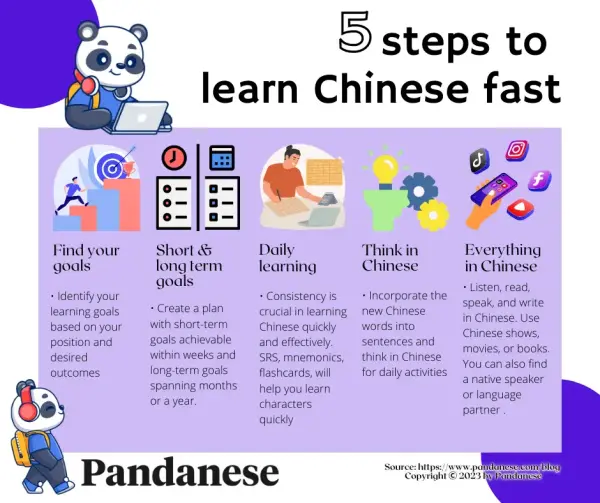
1. Immerse Yourself in the Language
The most efficient way to learn Chinese is through immersion. Surround yourself with the language as much as possible to accelerate your learning.
See AlsoEscape: A text adventure game for Chinese learners- Watch Chinese movies, TV shows, and YouTube videos with subtitles.
- Listen to Chinese podcasts, music, or radio stations daily.
- Speak with native speakers via language exchange apps like Tandem or HelloTalk.
2. Master the Basics First
Before diving into complex topics, focus on foundational elements like pronunciation, tones, and basic vocabulary.
- Practice Pinyin (phonetic system) to improve pronunciation accuracy.
- Memorize common phrases and greetings for daily conversations.
- Learn the four tones thoroughly to avoid misunderstandings.
3. Use Spaced Repetition Systems (SRS)
SRS tools like Anki or Pleco help retain vocabulary and characters long-term by optimizing review intervals.
- Create flashcards for new words and review them regularly.
- Focus on high-frequency characters first to build practical knowledge.
- Combine SRS with writing practice to reinforce memory.
4. Practice Writing Characters Regularly
Chinese characters require consistent repetition and active recall to master.
- Start with basic radicals to understand character composition.
- Write characters by hand daily to improve muscle memory.
- Use apps like Skritter for guided character practice.
5. Engage in Real Conversations Early
Applying your knowledge in real-life scenarios accelerates fluency and confidence.
- Join language meetups or online communities to practice speaking.
- Record yourself speaking and compare it to native speakers.
- Don’t fear mistakes—view them as learning opportunities.
What is the Chinese alternative to YouTube?
The primary Chinese alternative to YouTube is Bilibili, a popular video-sharing platform that combines user-generated content, professional productions, and a strong community focus. Unlike YouTube, Bilibili emphasizes interactive features such as bullet comments (real-time comments overlaid on videos) and a strong subculture around anime, gaming, and technology. Other notable platforms include:
- Youku - Often called China's YouTube, it hosts a mix of user-generated and licensed content.
- Tudou - Merged with Youku but still operates as a subsidiary, focusing on short-form videos.
- IQiyi - A major platform for streaming TV shows, movies, and original content.
Why is Bilibili the most popular YouTube alternative in China?
Bilibili stands out due to its unique community-driven approach and niche content. Key reasons for its popularity include:
- Bullet comments (danmu) create an interactive viewing experience.
- Strong focus on anime, gaming, and tech, attracting younger audiences.
- Ad-free model for most content, relying on subscriptions and donations.
How does Youku compare to YouTube?
Youku is one of China's oldest video platforms and closely resembles YouTube in terms of content variety. However, differences include:
- More licensed and professional content, similar to Hulu or Netflix.
- Stricter censorship due to China's regulatory environment.
- Monetization relies heavily on ads and premium memberships.
What type of content dominates Chinese video platforms?
Chinese platforms prioritize localized and regulated content, with trends including:
- Short-form videos (e.g., TikTok's Douyin) are hugely popular.
- Dramas and variety shows dominate platforms like IQiyi and Tencent Video.
- User-generated content is growing but faces more restrictions than YouTube.
Are Chinese video platforms accessible outside China?
Most Chinese platforms have geo-restrictions or limited international versions. Key points:
- Bilibili offers an international app but with reduced content.
- Youku and IQiyi require VPNs for full access outside China.
- Language barriers and censorship make them less global than YouTube.
What is the best YouTube channel for learning Chinese?

Top YouTube Channels for Learning Mandarin Chinese
When searching for the best YouTube channels to learn Chinese, consider these highly recommended options:
- ChinesePod: Offers structured lessons from beginner to advanced levels, with a focus on practical conversations.
- Yoyo Chinese: Features clear explanations of grammar, vocabulary, and pronunciation by an experienced teacher.
- Learn Chinese with Emma: Covers everyday phrases, cultural insights, and HSK exam preparation.
Best Free Chinese Learning Channels on YouTube
For free resources, these channels stand out for their quality content:
- Mandarin Corner: Provides immersive videos with real-life scenarios and subtitles in Chinese and English.
- Everyday Chinese: Focuses on practical dialogues, slang, and tips for natural-sounding Mandarin.
- Learn Chinese with ChineseClass101: Delivers bite-sized lessons covering grammar, vocabulary, and culture.
YouTube Channels for Learning Chinese Pronunciation
To master Chinese pronunciation, these channels are invaluable:
- FluentU Mandarin: Uses authentic videos with interactive subtitles to improve listening and speaking.
- ShuoshuoChinese: Breaks down tones, pinyin, and common pronunciation mistakes.
- Grace Mandarin Chinese: Offers detailed tone drills and mouth-position guides for accuracy.
Best Channels for Learning Chinese Characters
If Chinese characters are your focus, explore these channels:
- Outlier Linguistics: Explains character etymology and memory techniques for faster learning.
- Hack Chinese: Teaches radicals, stroke order, and context-based character usage.
- Chinese Zero to Hero: Specializes in HSK vocabulary with character breakdowns and mnemonics.
Interactive Chinese Learning Channels on YouTube
For interactive learning, these channels engage viewers actively:
- Peppa Pig Chinese: Uses animated episodes with subtitles to build vocabulary in a fun way.
- Mandarin Blueprint: Combines storytelling and spaced repetition for long-term retention.
- ChineseFor.Us: Features quizzes, role-plays, and downloadable materials for practice.
Frequently Asked Questions (FAQ)
What are the best YouTube channels for learning Chinese?
There are numerous high-quality YouTube channels dedicated to teaching Chinese, catering to different proficiency levels. For beginners, channels like ChinesePod and Yoyo Chinese offer structured lessons with clear explanations. Intermediate learners might benefit from Mandarin Corner, which provides immersive content like interviews and real-life conversations. Advanced learners can explore Learn Chinese with Movies or FluentU, which break down native-level content. The key is to find channels that match your learning style—whether you prefer grammar-focused lessons, vocabulary drills, or cultural insights.
How can I maximize my learning using video platforms?
To get the most out of video platforms, adopt an active learning approach. Instead of passively watching, take notes on new vocabulary and grammar structures. Use the pause and replay features to practice pronunciation or dissect complex sentences. Many platforms, like YouTube, allow you to adjust playback speed—slowing down videos can help with comprehension. Additionally, engage with the content by repeating phrases aloud or shadowing the speaker. For long-term retention, revisit videos periodically and supplement them with flashcards or language apps like Anki or Pleco.
Are subtitles helpful when learning Chinese through videos?
Subtitles can be a double-edged sword. While Chinese subtitles help reinforce character recognition and improve reading skills, relying too much on English subtitles may hinder listening comprehension. A balanced approach is to start with pinyin or bilingual subtitles for beginners, then gradually switch to Chinese-only subtitles as your skills improve. Some learners also recommend watching videos multiple times—first with subtitles for context, then without to test understanding. Tools like Language Reactor (a Chrome extension) can enhance learning by providing interactive subtitles and translations.
How do I stay motivated while learning Chinese through videos?
Staying motivated requires setting clear goals and diversifying your content. Instead of only watching tutorials, explore Chinese vlogs, dramas, or news channels to make learning enjoyable. Create a study schedule and track progress—for example, aim to learn 10 new words per video. Joining online communities, like Reddit’s r/ChineseLanguage, can provide accountability and tips. Celebrate small victories, such as understanding a full conversation without subtitles. Remember, consistency is more important than speed; even 10-15 minutes daily with engaging videos can yield significant progress over time.
Leave a Reply
Related Posts