
AI Language Learning: 6 Reasons it Doesn't Work

Artificial intelligence (AI) has revolutionized many industries, including language learning. Yet, despite its promises, AI-driven tools often fall short in delivering true fluency. While apps and chatbots provide convenience, they lack the depth needed for mastering a language. From limited cultural context to over-reliance on repetitive exercises, AI struggles to replicate human interaction and adaptability. Many learners hit plateaus, frustrated by the absence of personalized feedback and real-world application. This article explores six key reasons why AI language learning frequently fails to meet expectations, shedding light on its limitations and offering insights for those seeking more effective methods. The reality may surprise you.
AI Language Learning: 6 Reasons it Doesn't Work
1. Lack of Human Interaction and Context
AI language learning tools often fail to replicate the nuances of human conversation. While they can simulate dialogues, they lack the ability to understand cultural context, tone, and body language, which are crucial for real-world communication. Without human feedback, learners may develop incorrect pronunciation or unnatural phrasing.
| Issue | Impact |
|---|---|
| No real-time corrections | Learners reinforce mistakes |
| Missing emotional cues | Difficulty in understanding sarcasm or humor |
2. Over-Reliance on Repetition Without Depth
Many AI-driven platforms rely heavily on repetitive exercises, such as flashcards or fill-in-the-blank tasks. While repetition aids memory, it doesn't foster deep comprehension or creative language use. Learners may memorize phrases but struggle to construct original sentences in dynamic conversations.
See AlsoLearn Chinese implicitly through exposure with a seasoning of explicit instruction| Problem | Result |
|---|---|
| Limited vocabulary application | Inability to adapt words to new contexts |
| No critical thinking | Dependence on pre-set answers |
3. Inability to Handle Complex Grammar Nuances
Grammar rules in many languages have exceptions and irregularities that AI models often overlook. For example, idiomatic expressions or regional dialects can confuse AI systems, leading to incorrect explanations. This creates gaps in a learner's understanding, especially at advanced levels.
| Challenge | Outcome |
|---|---|
| Misinterpretation of exceptions | Learners adopt incorrect grammar |
| Lack of dialect awareness | Difficulty understanding native speakers |
4. One-Size-Fits-All Approach
Most AI language programs use generic algorithms that don’t adapt to individual learning styles. Visual, auditory, and kinesthetic learners all absorb information differently, but AI often delivers content uniformly. This can slow progress for those who need tailored methods.
| Limitation | Effect |
|---|---|
| Fixed pacing | Frustration for fast or slow learners |
| Ignored preferences | Reduced engagement and retention |
5. Limited Real-World Application
While AI can simulate scenarios, it can’t replace authentic experiences like traveling or conversing with natives. Learners miss out on slang, spontaneous interactions, and real-time problem-solving, which are vital for fluency. Without immersion, skills remain theoretical.
See Also10 Ways to Use RedNote (Xiaohongshu) to Learn Chinese Like a Pro| Shortcoming | Consequence |
|---|---|
| No exposure to accents | Difficulty understanding diverse speakers |
| Artificial dialogues | Unpreparedness for natural speech |
6. Data Privacy and Over-Dependence on Technology
Many AI language apps collect extensive user data, raising privacy concerns. Additionally, reliance on these tools can hinder self-sufficient learning. If the technology fails or isn’t available, learners may feel helpless without their digital crutch.
| Risk | Implication |
|---|---|
| Data vulnerability | Potential misuse of personal information |
| Tech dependency | Inability to learn offline |
Does AI language learning work?

How Effective Is AI in Language Learning?
AI language learning can be highly effective when used correctly. AI-powered tools leverage natural language processing (NLP) and machine learning to provide personalized lessons, instant feedback, and adaptive learning paths. Here’s why it works:
See AlsoCan a 13 Year Old Learn Chinese in China?- Personalization: AI tailors lessons based on the learner’s proficiency, pace, and weaknesses.
- Instant Feedback: Real-time corrections help learners improve pronunciation, grammar, and vocabulary.
- Accessibility: AI tools are available 24/7, making language practice convenient.
What Are the Limitations of AI Language Learning?
Despite its advantages, AI language learning has some limitations. It lacks the human touch and cultural nuances that come with interacting with native speakers. Key drawbacks include:
- Limited Contextual Understanding: AI may struggle with idioms, slang, or complex conversations.
- No Emotional Connection: Learning from humans fosters empathy and motivation, which AI cannot replicate.
- Over-Reliance on Technology: Learners might neglect speaking practice with real people.
Which AI Tools Are Best for Language Learning?
Several AI-powered tools excel in language learning, each offering unique features. Popular options include:
- Duolingo: Uses gamification and adaptive learning to teach vocabulary and grammar.
- Babbel: Focuses on conversational skills with speech recognition technology.
- Rosetta Stone: Employs immersive techniques and AI-driven pronunciation analysis.
Can AI Replace Human Language Teachers?
While AI enhances language learning, it cannot fully replace human teachers. Human instructors provide irreplaceable benefits such as:
See AlsoFriends in Chinese - Complete Guide To The Famous Sitcom- Cultural Insights: Teachers share real-world context and traditions.
- Adaptive Teaching Styles: They adjust methods based on student emotions and engagement.
- Mentorship: Humans inspire and motivate learners beyond structured lessons.
How Does AI Improve Language Retention?
AI enhances language retention through spaced repetition, interactive exercises, and continuous assessment. Key methods include:
- Spaced Repetition Systems (SRS): AI schedules reviews at optimal intervals to reinforce memory.
- Interactive Practice: Chatbots and voice assistants simulate real conversations.
- Progress Tracking: AI monitors performance and adjusts difficulty to prevent plateauing.
What is the problem of learning language?
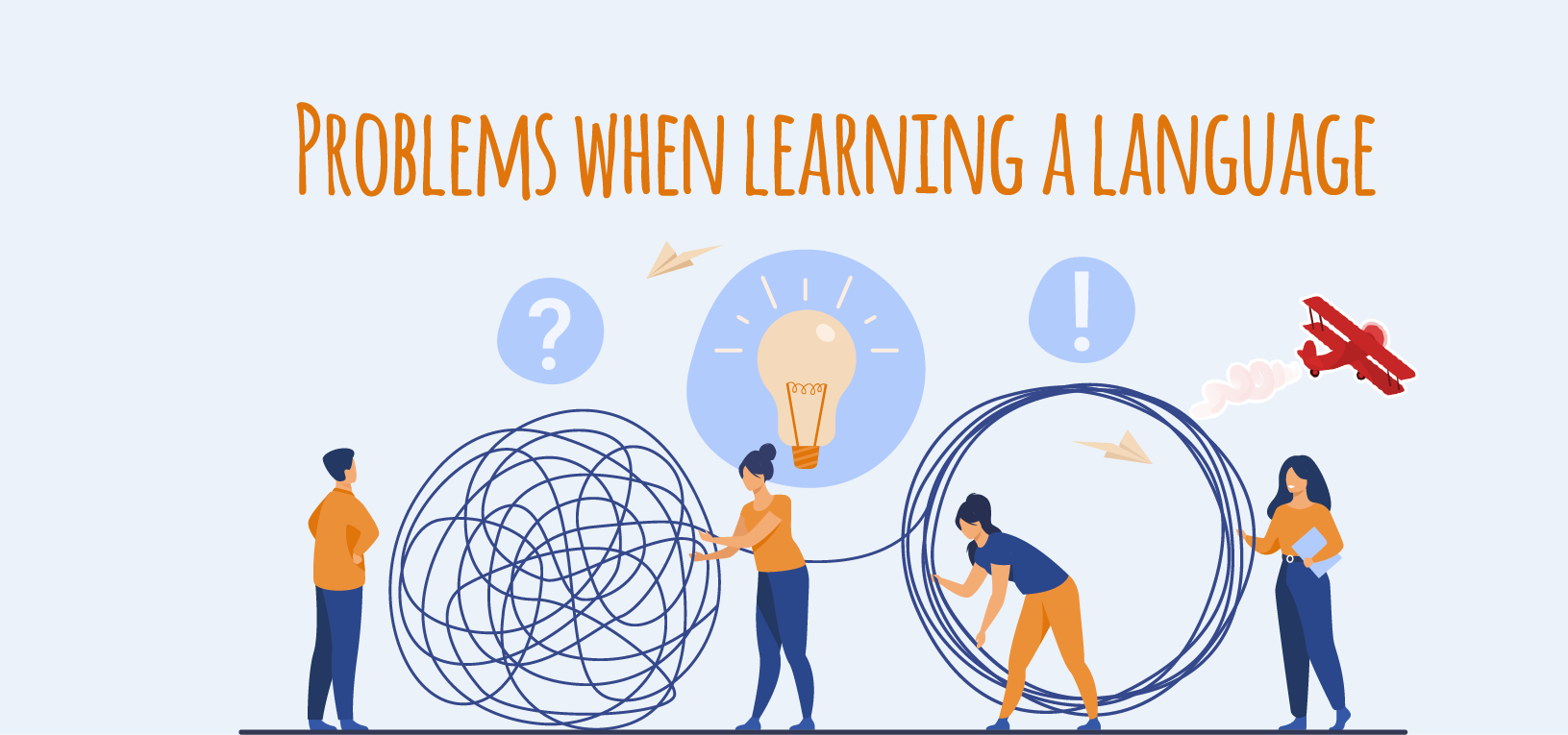
Lack of Immersion in the Target Language
One of the biggest challenges in language learning is the lack of immersion. Without consistent exposure to the language in real-life contexts, learners struggle to develop fluency. Key issues include:
- Limited practice opportunities outside the classroom or study sessions.
- Over-reliance on translation instead of thinking directly in the target language.
- Insufficient exposure to native speakers or authentic materials like movies, books, or conversations.
Grammar and Syntax Complexity
Many learners face difficulties due to the complex grammar rules and sentence structures of the target language. Common obstacles include:
- Irregular verb conjugations that don’t follow standard patterns.
- Different word orders compared to the learner’s native language.
- Grammatical gender or cases that don’t exist in their mother tongue.
Vocabulary Retention Challenges
Memorizing and retaining new vocabulary is a persistent issue for language learners. Major hurdles involve:
- Forgetting words quickly without regular use or review.
- Confusing similar-sounding words or false cognates.
- Difficulty recalling words in real-time conversations due to stress or speed.
Fear of Making Mistakes
The fear of errors often hinders progress in language learning. This psychological barrier leads to:
- Reluctance to speak or participate in conversations.
- Overthinking sentences instead of communicating naturally.
- Lower confidence, which slows down practical application.
Time and Motivation Management
Sustaining motivation and dedicating enough time are critical struggles. Common problems include:
- Inconsistent study habits due to busy schedules.
- Lack of clear goals, leading to aimless learning.
- Burnout from repetitive or unengaging learning methods.
Why is learning a language so hard for me?

Why Does Learning a New Language Feel So Difficult?
Learning a new language can feel overwhelming due to several factors. The brain must adapt to unfamiliar grammar rules, pronunciation, and vocabulary, which require significant mental effort. Additionally, the lack of consistent practice or immersion slows progress.
- Complex grammar structures differ from your native language, making comprehension challenging.
- Pronunciation barriers can lead to frustration when sounds don’t exist in your mother tongue.
- Limited exposure to the language reduces opportunities for natural learning.
How Does Your Native Language Affect Learning?
Your native language plays a crucial role in how easily you pick up a new one. If the target language shares similarities, learning becomes smoother. However, vastly different language families or writing systems increase difficulty.
- Similar languages (e.g., Spanish and Italian) are easier to learn than unrelated ones.
- Different alphabets (e.g., Mandarin or Arabic) require memorizing new characters.
- False cognates can create confusion when words seem familiar but mean something else.
What Role Does Memory Play in Language Learning?
Memory is essential for retaining vocabulary and grammar rules. However, forgetting curves and information overload can hinder progress without proper techniques.
- Spaced repetition helps reinforce long-term memory.
- Contextual learning (e.g., through stories) improves retention.
- Overwhelming vocabulary lists make recall harder without practical usage.
How Does Fear of Mistakes Impact Learning?
Fear of making errors or sounding awkward often discourages learners from practicing. This hesitation slows fluency development.
- Self-consciousness prevents speaking practice, a key to fluency.
- Perfectionism leads to avoiding conversations until ready.
- Negative feedback (real or imagined) reduces confidence.
Why Is Consistency Hard to Maintain?
Language learning demands regular practice, but busy schedules or waning motivation disrupt consistency.
- Time constraints make daily practice difficult.
- Lack of immediate progress discourages learners.
- Unengaging methods (e.g., rote memorization) reduce motivation.
Frequently Asked Questions (FAQ)
Why doesn't AI language learning work for everyone?
AI language learning often fails to account for individual differences in learning styles, motivation, and cognitive abilities. While some learners thrive with structured, repetitive exercises, others require more human interaction and contextual learning. Additionally, AI systems may lack the cultural nuances and emotional intelligence that human teachers provide, making it harder for certain learners to grasp subtle language aspects.
Can AI replace traditional language teachers?
AI cannot fully replace traditional language teachers because it lacks the ability to provide personalized feedback, emotional support, and real-time adaptability. Human teachers excel at understanding a student's unique challenges and adjusting their methods accordingly. While AI can supplement learning with vocabulary drills and grammar exercises, it struggles with fostering conversational fluency and cultural understanding.
What are the limitations of AI in language learning?
The primary limitations of AI in language learning include its inability to handle spontaneous conversations, interpret slang or idiomatic expressions, and provide meaningful cultural context. AI also relies heavily on pre-programmed responses, which can make interactions feel robotic and unnatural. Furthermore, without human oversight, learners may develop incorrect pronunciation or grammar habits that go uncorrected.
How does AI fail to create immersive language experiences?
AI struggles to replicate the immersive experience of learning a language in real-life settings. While it can simulate conversations, these interactions often lack the depth, unpredictability, and emotional resonance of human communication. True immersion requires exposure to authentic cultural contexts, body language, and social cues—elements that AI currently cannot fully emulate. Without these, learners may find it difficult to achieve true fluency.
Leave a Reply
Related Posts