
10 Ways to Use RedNote (Xiaohongshu) to Learn Chinese Like a Pro

Learning Chinese can be a challenging yet rewarding journey, and RedNote (Xiaohongshu) offers a unique platform to master the language like a pro. With its vibrant community, authentic content, and interactive features, this app transforms language learning into an engaging experience. Whether you're a beginner or an advanced learner, RedNote provides countless opportunities to immerse yourself in real-life Chinese—through short videos, user-generated posts, and cultural insights. In this article, we’ll explore 10 powerful ways to leverage RedNote for effective language practice, from expanding vocabulary to improving pronunciation. Get ready to unlock the full potential of this app and take your Chinese skills to the next level.
10 Ways to Use RedNote (Xiaohongshu) to Learn Chinese Like a Pro
Detailed Explanation:
RedNote (Xiaohongshu) is a powerful platform for language learners, especially those studying Chinese. By leveraging its social media and content-sharing features, you can immerse yourself in authentic language use. Here are 10 effective methods to maximize your learning experience, from following native speakers to practicing writing through posts.
---
See AlsoHow to Apologize in Chinese1. Follow Native Chinese Content Creators
Detailed Explanation:
One of the best ways to learn authentic Chinese is by following native speakers on RedNote. Look for creators who post about daily life, culture, or language tips.
Benefits of Following Native Creators:
| Advantage | How It Helps |
|---|---|
| Real-life Vocabulary | Learn slang, idioms, and conversational phrases. |
| Cultural Context | Understand how language is used in daily situations. |
---
See Also13 more songs to learn Chinese and expand your horizons2. Save and Organize Useful Posts
Detailed Explanation:
Use RedNote’s bookmarking feature to save posts with useful vocabulary, grammar explanations, or learning tips. Organize them into folders for easy review.
How to Optimize Saved Posts:
| Action | Purpose |
|---|---|
| Categorize by Topic | Group posts by grammar, vocabulary, or culture. |
| Review Regularly | Revisit saved content to reinforce learning. |
---
See AlsoThe new HSK 3.0: What you need to know3. Engage in Comments for Practice
Detailed Explanation:
Practicing writing in Chinese by commenting on posts helps improve fluency. Engage with creators by asking questions or sharing opinions.
Commenting Strategies:
| Approach | Benefit |
|---|---|
| Ask Questions | Encourages responses for interactive learning. |
| Mimic Native Phrases | Helps adopt natural sentence structures. |
---
See AlsoHow Many Chinese Characters Do I Need to Learn to be Fluent?4. Watch Short Videos with Subtitles
Detailed Explanation:
RedNote’s short videos often include subtitles, making them great for listening practice. Pause and repeat phrases to improve pronunciation.
Video Learning Tips:
| Method | Outcome |
|---|---|
| Shadowing Technique | Repeat after speakers to improve fluency. |
| Note New Words | Expand vocabulary from contextual usage. |
---
5. Join Language Exchange Communities
Detailed Explanation:
Many RedNote users form language exchange groups where learners and natives interact. Participate to practice speaking and writing.
Community Benefits:
| Feature | Advantage |
|---|---|
| Peer Feedback | Get corrections from native speakers. |
| Shared Resources | Access study materials recommended by others. |
What is the most effective way to learn Chinese?

Immerse Yourself in the Language Environment
The most effective way to learn Chinese is to immerse yourself in a language-rich environment. This means surrounding yourself with native speakers, consuming media in Chinese, and practicing daily. Here’s how:
- Live or study in a Chinese-speaking country to force yourself to use the language in real-life situations.
- Watch Chinese movies, TV shows, and YouTube videos to improve listening skills and pick up colloquial expressions.
- Listen to Chinese music and podcasts to train your ear and expand vocabulary.
Master the Basics: Pinyin and Tones
Before diving into characters, focus on Pinyin (the romanization system) and tones, as they are foundational for pronunciation. Here’s how to approach it:
- Practice tone pairs to distinguish between the four tones and neutral tone, which are crucial for meaning.
- Use apps like Pleco or HelloChinese to drill Pinyin and tone recognition.
- Record yourself speaking and compare it to native speakers to refine your pronunciation.
Build a Strong Vocabulary with Flashcards
Expanding your vocabulary systematically is key. Flashcards, especially spaced repetition systems (SRS), are highly effective:
- Use Anki or Memrise to create custom flashcard decks for daily review.
- Focus on high-frequency words first, such as those in the HSK word lists.
- Learn words in context by pairing them with example sentences or images.
Practice Speaking with Native Speakers
Speaking practice is non-negotiable for fluency. Engage with native speakers as much as possible:
- Join language exchange platforms like Tandem or HelloTalk to find conversation partners.
- Hire a tutor on iTalki for structured speaking practice and feedback.
- Shadow native speakers by repeating their words and sentences to improve rhythm and intonation.
Study Chinese Characters Systematically
Learning Chinese characters can be daunting, but a structured approach makes it manageable:
- Start with radicals to understand the building blocks of characters.
- Use mnemonics or stories to remember character meanings and pronunciations.
- Write characters by hand regularly to reinforce memory and stroke order.
How do you teach Chinese in a fun way?
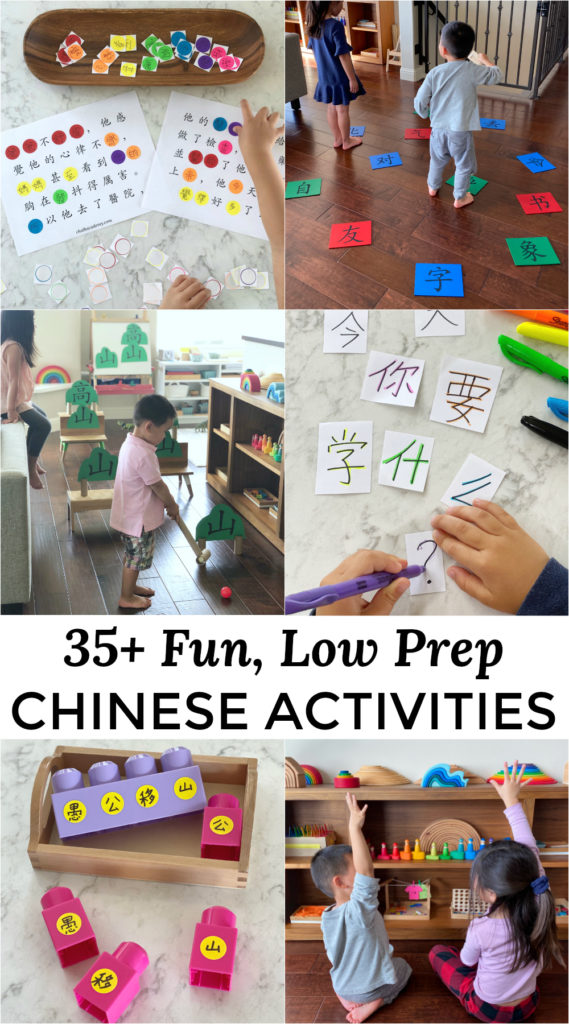
Use Interactive Games and Activities
Teaching Chinese can be engaging by incorporating interactive games like flashcards, matching exercises, or digital apps. These methods make learning vocabulary and characters enjoyable while reinforcing memory retention.
- Flashcard races – Students compete to match characters with meanings.
- Charades – Act out words or phrases in Chinese to encourage speaking.
- Digital apps – Use platforms like Duolingo or HelloChinese for gamified learning.
Incorporate Music and Songs
Music is a powerful tool for language learning. Teaching Chinese through catchy songs or rhymes helps with pronunciation and intonation while making lessons lively.
- Children’s songs – Simple tunes like 两只老虎 (Two Tigers) introduce basic words.
- Pop music – Analyze lyrics from popular Chinese artists for advanced learners.
- Rhythm games – Clap or tap to the beat while repeating phrases.
Role-Playing and Real-Life Scenarios
Simulating real-life situations, such as ordering food or shopping, makes Chinese practical and fun. Role-playing builds confidence in speaking.
- Restaurant skits – Students practice ordering in a mock Chinese restaurant.
- Market bargaining – Role-play haggling prices to learn numbers and negotiation phrases.
- Travel scenarios – Pretend to ask for directions or buy tickets.
Storytelling and Cultural Tales
Sharing Chinese folktales or creating stories using new vocabulary makes learning memorable. It also introduces cultural context.
- Folktales – Tell stories like The Monkey King with visuals.
- Story creation – Students build sentences using new words to form a tale.
- Comic strips – Draw and label scenes in Chinese.
Use Visual and Hands-On Aids
Visual tools like pictures, props, or crafts help reinforce Chinese characters and phrases in a tangible way.
- Character drawing – Students illustrate radicals or compound characters.
- DIY flashcards – Create personalized vocabulary cards with drawings.
- Calligraphy practice – Use brushes to write characters artistically.
Can you learn Chinese in 30 days?

Is It Possible to Learn Chinese in 30 Days?
Learning Chinese in 30 days is an ambitious goal, but it depends on your definition of learning. Achieving fluency is unrealistic, but you can make significant progress in basic communication. Here’s what you can focus on:
- Basic phrases: Mastering greetings, numbers, and essential questions.
- Pinyin: Learning the romanization system to pronounce words correctly.
- Survival vocabulary: Words for directions, food, and emergencies.
What Are the Biggest Challenges of Learning Chinese Quickly?
Chinese presents unique hurdles for fast learners, especially due to its tonal nature and writing system. Key challenges include:
- Tones: Mandarin has four tones, and mispronouncing them can change word meanings.
- Characters: Memorizing even basic characters takes time and repetition.
- Grammar differences: Sentence structure differs significantly from English.
How Much Chinese Can You Realistically Learn in 30 Days?
In 30 days, a dedicated learner can achieve a basic conversational level. Here’s a realistic breakdown:
- 100-200 words: Enough for simple daily interactions.
- Common phrases: Ordering food, asking for directions, or introducing yourself.
- Recognition of 50-100 characters: Basic reading ability for signs and menus.
What Learning Strategies Work Best for Rapid Chinese Acquisition?
To maximize progress in 30 days, focus on efficient methods tailored for speed:
- Immersion: Surround yourself with the language through media or conversation.
- Spaced repetition: Use apps like Anki to reinforce vocabulary daily.
- Speaking practice: Prioritize pronunciation and tones early on.
What Tools and Resources Accelerate Learning Chinese in 30 Days?
Leveraging the right tools can make a 30-day challenge more achievable. Recommended resources include:
- Language apps: Duolingo, HelloChinese, or Memrise for structured lessons.
- Flashcards: Anki or Pleco for character and vocabulary drills.
- Online tutors: Platforms like iTalki for real-time speaking practice.
What is the best form of Chinese to learn?

Mandarin vs. Cantonese: Which Should You Learn?
The choice between Mandarin and Cantonese depends on your goals. Mandarin is the most widely spoken form of Chinese, with over 1 billion speakers, and is the official language of China, Taiwan, and Singapore. Cantonese, spoken mainly in Guangdong, Hong Kong, and Macau, is valuable for regional business or cultural connections. Consider the following:
- Mandarin is essential for broader communication in China and internationally.
- Cantonese is useful for specific regions like Hong Kong or diaspora communities.
- Mandarin uses simplified characters, while Cantonese often uses traditional ones.
Simplified vs. Traditional Chinese Characters
Deciding between simplified and traditional characters depends on where you plan to use the language. Simplified characters are standard in mainland China and Singapore, while traditional characters are used in Taiwan, Hong Kong, and Macau. Key points:
- Simplified characters are easier to learn due to fewer strokes.
- Traditional characters retain more historical and cultural nuances.
- Mandarin learners typically study simplified, while Cantonese learners use traditional.
Spoken vs. Written Chinese: Where to Focus?
Prioritizing spoken or written Chinese depends on your objectives. Spoken Mandarin is crucial for daily communication, while written Chinese is necessary for reading and formal contexts. Consider:
- Spoken Chinese is faster to learn for conversational fluency.
- Written Chinese requires memorizing characters but unlocks deeper understanding.
- Pinyin (Romanization) helps beginners with pronunciation before tackling characters.
Regional Dialects: Are They Worth Learning?
Beyond Mandarin and Cantonese, regional dialects like Hokkien, Shanghainese, or Hakka offer cultural insights but limited practicality. Factors to weigh:
- Dialects are valuable for connecting with local communities.
- Most speakers also know Mandarin, reducing the necessity of learning dialects.
- Resources for dialects are scarce compared to Mandarin or Cantonese.
Business Chinese: Which Form Is Most Useful?
For professional purposes, Mandarin with simplified characters is the most practical choice. It dominates business, diplomacy, and education in China. Key considerations:
- Business Mandarin includes formal vocabulary and etiquette.
- Learning industry-specific terms enhances career opportunities.
- Cantonese may be useful for finance in Hong Kong but is niche globally.
Frequently Asked Questions (FAQ)
How can RedNote (Xiaohongshu) help me improve my Chinese vocabulary?
RedNote (Xiaohongshu) is an excellent platform for expanding your Chinese vocabulary because it offers real-life content created by native speakers. You can follow accounts that post about daily life, fashion, food, or travel, exposing you to contextual language use. By saving and reviewing posts with new words, you can create personalized flashcards. Additionally, the comment sections allow you to see colloquial phrases and slang, helping you sound more natural in conversations.
What type of content on RedNote is best for learning Chinese?
The best content for learning Chinese on RedNote includes language-learning blogs, travel diaries, food reviews, and lifestyle posts. These categories often use practical vocabulary and sentence structures. Look for creators who provide bilingual captions or explanations, as they help bridge the gap between textbook Chinese and real-world usage. Videos with subtitles are also valuable since they improve listening skills while reinforcing written comprehension.
Can I practice speaking Chinese using RedNote (Xiaohongshu)?
While RedNote is primarily a visual platform, you can still practice speaking Chinese by engaging with its features. For example, you can record yourself repeating phrases from posts or mimicking pronunciation in short video clips. Some users post pronunciation guides or tongue twisters, which are great for improving fluency. Joining live streams or interacting via voice messages in the comments can also provide speaking practice with native speakers.
How do I stay consistent with learning Chinese on RedNote?
To stay consistent, set a daily goal, such as learning five new words from RedNote posts or commenting on one post in Chinese. Use the save and collections feature to organize content by difficulty or topic, making review sessions efficient. Follow a mix of educational and entertaining accounts to keep your feed engaging. Lastly, participate in challenges or hashtags like LearnChinese or ChineseVocabulary to stay motivated and track progress alongside other learners.
Leave a Reply
Related Posts