
13 more songs to learn Chinese and expand your horizons

Learning Chinese can be an exciting journey, especially when paired with the rhythm and emotion of music. Songs offer a dynamic way to absorb vocabulary, improve pronunciation, and understand cultural nuances. Whether you're a beginner or advancing your skills, music bridges the gap between textbook learning and real-life language use. This article introduces 13 captivating songs to help you master Chinese while expanding your horizons. From timeless classics to modern hits, each track blends melody with meaningful lyrics, making language learning enjoyable and effective. Dive into these tunes, sing along, and watch your Mandarin skills flourish—one note at a time.
13 More Songs to Learn Chinese and Expand Your Horizons
1. Why Music is an Effective Tool for Learning Chinese
Music is a powerful tool for language learning because it enhances memory retention, improves pronunciation, and introduces learners to cultural context. Songs often contain repetitive lyrics, making vocabulary easier to remember. Additionally, melodies help with intonation, a crucial aspect of Mandarin Chinese.
| Benefit | Explanation |
|---|---|
| Memory Retention | Repetition in songs reinforces vocabulary. |
| Pronunciation | Melodies help mimic native speech patterns. |
| Cultural Insight | Lyrics reflect traditions and modern trends. |
2. Top 3 Pop Songs for Beginners
For beginners, simple lyrics and slow tempos are key. Here are three great choices:
See Also6 benefits of learning Chinese through sports| Song Title | Artist | Why It's Useful |
|---|---|---|
| Tóng Huà (童话) | Guang Liang | Slow pace, clear pronunciation. |
| Xiǎo Xìng Yùn (小幸运) | Hebe Tien | Common vocabulary, emotional lyrics. |
| Nǐ Shì Wǒ De Yǎn (你是我的眼) | Xiao Huang Qi | Repetitive chorus, easy to follow. |
3. Intermediate Songs to Challenge Your Skills
Intermediate learners should focus on songs with richer vocabulary and faster rhythms.
| Song Title | Artist | Key Learning Points |
|---|---|---|
| Qīng Huá Cí (青花瓷) | Jay Chou | Poetic lyrics, cultural references. |
| Yè Qǔ (夜曲) | Jay Chou | Complex phrasing, storytelling. |
| Fēi Cháng Zhòng Yào (非常重要) | Stefanie Sun | Conversational vocabulary. |
4. Advanced Songs for Fluency and Cultural Depth
Advanced learners can benefit from songs with idiomatic expressions and historical themes.
| Song Title | Artist | Why It's Advanced |
|---|---|---|
| Dōng Fēng Pò (东风破) | Jay Chou | Classical Chinese influences. |
| Yǒng Yuǎn De Huǒ Miáo (永远的火苗) | Wang Feng | Metaphorical language. |
| Mò Shēng Rén (陌生人) | Tanya Chua | Abstract lyrics, emotional depth. |
5. How to Maximize Learning with These Songs
To get the most out of these songs, follow these strategies:
See AlsoChinese Labour Corps: The Forgotten 100,000 Who Fought Alongside Britain in WWI| Method | How It Helps |
|---|---|
| Lyric Analysis | Break down each line for vocabulary and grammar. |
| Sing Along | Improves pronunciation and fluency. |
| Flashcards | Create cards for new words and phrases. |
Can I learn Chinese by listening to music?

How Effective Is Learning Chinese Through Music?
Learning Chinese by listening to music can be effective to some extent, especially for improving listening skills and pronunciation. However, it should not be the sole method of learning. Here’s why:
- Exposure to natural speech patterns: Songs often use colloquial language and slang, helping learners grasp informal expressions.
- Improved tone recognition: Mandarin relies heavily on tones, and music can help train the ear to distinguish them.
- Limited vocabulary: Lyrics may repeat words or phrases, but they won’t cover the breadth of vocabulary needed for fluency.
What Are the Best Chinese Songs for Learning?
Choosing the right songs can maximize learning efficiency. Here are some recommendations:
See AlsoHow to get honest feedback to boost your Chinese speaking and writing- Slow-paced ballads: Easier to follow and understand, like those by Jay Chou or Stefanie Sun.
- Children’s songs: Simple lyrics and repetitive structures, ideal for beginners.
- Pop songs with clear enunciation: Artists like Wang Leehom or Jolin Tsai often articulate words clearly.
Can Music Help With Chinese Pronunciation?
Yes, music can significantly aid in pronunciation practice. Here’s how:
- Mimicking singers: Repeating lyrics helps with tone and rhythm mastery.
- Auditory reinforcement: Frequent listening improves recall of correct sounds.
- Emotional connection: Melodies make words more memorable, reinforcing pronunciation.
What Are the Limitations of Learning Chinese via Music?
While beneficial, music has limitations as a learning tool:
- Lack of context: Lyrics may not explain grammar or usage rules.
- Informal language: Some songs use poetic or non-standard phrasing.
- No interactive practice: Passive listening doesn’t develop speaking or writing skills.
How to Supplement Music for Better Chinese Learning?
To make music a more effective learning tool, combine it with other methods:
See AlsoSkritter review: Boosting your Chinese character learning- Use lyric translations: Analyze meanings and grammar structures.
- Sing along: Active participation reinforces memory and pronunciation.
- Pair with textbooks or apps: Balance music with structured lessons for comprehensive learning.
What is the Mandarin song to learn Mandarin?

Best Mandarin Songs for Learning the Language
Learning Mandarin through songs is an effective and enjoyable method. Here are some of the best Mandarin songs to help you improve your language skills:
- Tóng Huà (童话) by Guang Liang - A slow, melodic song with clear pronunciation, ideal for beginners.
- Qīng Huá Cí (青花瓷) by Jay Chou - Features poetic lyrics and a moderate pace, great for expanding vocabulary.
- Xiǎo Xìng Yùn (小幸运) by Hebe Tien - A popular ballad with simple, repetitive phrases perfect for memorization.
Why Use Songs to Learn Mandarin?
Songs are a powerful tool for language learning because they combine rhythm, repetition, and emotion. Here’s why they work:
- Improves pronunciation - Mimicking singers helps with tones and accents.
- Enhances vocabulary - Lyrics often include everyday phrases and idioms.
- Boosts memory retention - Melodies make words easier to remember.
Tips for Learning Mandarin Through Songs
To maximize your learning, follow these practical tips when using Mandarin songs:
- Start with slow songs - Easier to catch words and tones.
- Look up lyrics - Study the meaning and pinyin alongside the music.
- Sing along - Practice pronunciation by repeating after the singer.
Popular Mandarin Artists for Language Learners
Certain artists are especially helpful for learners due to their clear diction and relatable lyrics:
- Jay Chou - Blends modern and classical Chinese in his music.
- Stefanie Sun - Known for her soothing voice and straightforward lyrics.
- Mayday - Their rock ballads often feature conversational language.
Where to Find Mandarin Learning Songs
Accessing Mandarin songs for learning is easier than ever with these resources:
- YouTube - Search for Mandarin learning songs or specific titles.
- Spotify/Apple Music - Playlists curated for language learners.
- Language apps - Apps like HelloChinese integrate songs into lessons.
How to learn Chinese Mandarin easily?
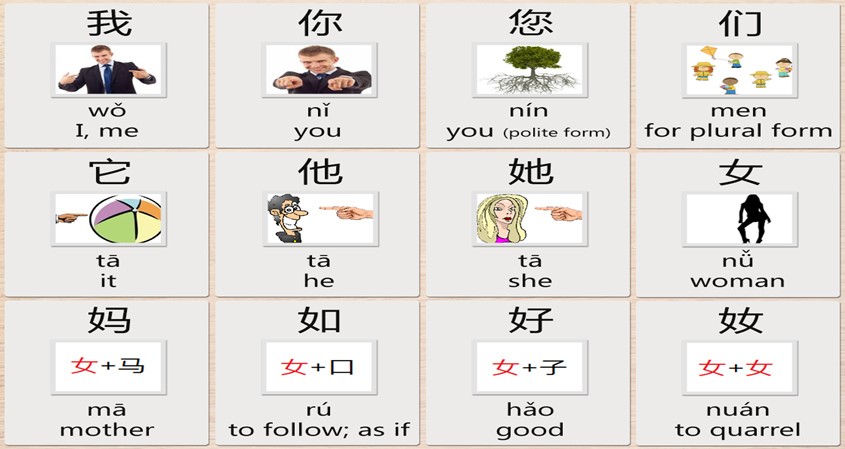
1. Start with the Basics: Pinyin and Tones
To learn Chinese Mandarin easily, begin with Pinyin, the romanization system for pronunciation. Mastering the four tones is crucial because tone changes alter word meanings.
- Practice Pinyin daily using apps like Pleco or HelloChinese.
- Listen to native speakers and mimic their tones to improve accuracy.
- Use tone-pair drills to train your ear and speech.
2. Build Vocabulary with High-Frequency Words
Focus on learning high-frequency words first to quickly form simple sentences.
- Start with greetings, numbers, and daily phrases like 你好 (nǐ hǎo).
- Use flashcards (Anki) to reinforce memory.
- Label objects in your home with their Chinese names.
3. Practice Speaking Early and Often
Speaking from day one accelerates fluency.
- Join language exchange platforms like Tandem or HelloTalk.
- Repeat dialogues from Mandarin podcasts or YouTube channels.
- Record yourself and compare with native speakers.
4. Immerse Yourself in Mandarin Media
Exposure to authentic content improves comprehension.
- Watch Chinese dramas or cartoons with subtitles.
- Listen to Mandarin music or radio stations.
- Read simple children’s books or news apps like The Chairman’s Bao.
5. Use Structured Learning Resources
A systematic approach ensures steady progress.
- Follow a textbook like Integrated Chinese for grammar.
- Enroll in online courses (Coursera, Udemy).
- Hire a tutor on iTalki for personalized lessons.
What are the benefits of listening to Chinese music?
Enhancing Cultural Understanding Through Chinese Music
Listening to Chinese music provides a gateway to understanding the country's rich cultural heritage. Traditional instruments like the erhu or guzheng reflect centuries of history, while modern pop showcases contemporary societal trends. Benefits include:
- Exposure to diverse musical styles, from classical to folk and modern genres.
- Insight into Chinese values and traditions through lyrical themes and melodies.
- Improved appreciation for global music diversity beyond Western mainstream.
Improving Language Skills with Chinese Lyrics
Engaging with Chinese-language songs can significantly boost language acquisition. The repetitive nature of lyrics aids memory, while exposure to colloquial phrases enhances fluency. Key advantages:
- Expanded vocabulary through context-based learning.
- Better pronunciation by mimicking native singers' intonation.
- Understanding cultural nuances embedded in wordplay or idioms.
Stress Relief and Emotional Well-being
The melodic structures of Chinese music, particularly traditional compositions, are known to promote relaxation. Studies suggest music therapy benefits mental health. Notable effects:
- Reduced anxiety through soothing instrumental tracks like pipa solos.
- Mood enhancement via upbeat C-pop or folk rhythms.
- Mindfulness stimulation with meditative qin music.
Cognitive Benefits and Memory Enhancement
Listening to Chinese music activates neural pathways linked to memory retention and pattern recognition. Complex tonal variations in Mandarin songs exercise the brain. Key cognitive perks:
- Improved focus due to lyrical and instrumental complexity.
- Strengthened auditory processing from tonal language exposure.
- Enhanced creativity through unconventional song structures.
Chinese music fosters cross-cultural connections, whether through shared playlists or live performances. Fan communities unite globally over artists like Jay Chou or Faye Wong. Social benefits include:
- Bridging cultural gaps among international listeners.
- Creating shared interests in music festivals or online forums.
- Encouraging collaborative learning through lyric translation groups.
Frequently Asked Questions (FAQ)
What are the benefits of learning Chinese through songs?
Learning Chinese through songs offers a fun and engaging way to improve language skills. Music helps with pronunciation, vocabulary retention, and cultural understanding. The rhythm and repetition in songs make it easier to remember words and phrases, while the emotional connection to music enhances motivation. Additionally, songs often include colloquial expressions and modern slang, providing learners with practical language used in everyday conversations.
How can I effectively use these 13 songs to learn Chinese?
To maximize your learning, start by listening to each song multiple times to familiarize yourself with the melody and lyrics. Next, read the lyrics along with a translation to understand the meaning. Highlight and practice key vocabulary and grammar structures. Singing along will improve your intonation and fluency. For deeper learning, analyze the cultural context of the songs and discuss them with fellow learners or native speakers.
Are these songs suitable for beginners in Chinese?
While some songs may be more challenging, many are accessible to beginners, especially those with simple lyrics and clear pronunciation. Beginners should focus on songs with repetitive choruses and slower tempos. Over time, as your skills improve, you can tackle more complex songs. Using subtitles or pinyin (phonetic transcriptions) can also help beginners follow along and build confidence.
Can learning Chinese songs help with understanding Chinese culture?
Absolutely! Music is a reflection of culture, and these 13 songs provide insights into Chinese traditions, values, and modern society. Lyrics often reference historical events, idiomatic expressions, or social themes, offering learners a deeper appreciation of the culture. By exploring these songs, you’ll not only improve your language skills but also gain a broader perspective on China’s rich heritage and contemporary life.
Leave a Reply
Related Posts