
My Top 12 Benefits Of Learning A Second Language

Learning a second language opens doors to countless opportunities, both personally and professionally. Whether for travel, career advancement, or cognitive growth, mastering another language enriches your life in unexpected ways. From boosting brain function to fostering deeper cultural connections, the advantages are undeniable. In this article, we explore the top 12 benefits of learning a second language, highlighting how it enhances communication, increases employability, and even improves decision-making skills. Whether you're a student, a professional, or simply curious, acquiring a new language is a rewarding journey with lifelong rewards. Discover how bilingualism can transform your perspective and unlock new possibilities.
My Top 12 Benefits Of Learning A Second Language
1. Enhanced Cognitive Abilities
Learning a second language strengthens your brain by improving memory, problem-solving skills, and critical thinking. Studies show that bilingual individuals have better mental flexibility and a reduced risk of cognitive decline as they age.
| Benefit | Impact |
|---|---|
| Memory Improvement | Better retention and recall abilities |
| Problem-Solving | Enhanced analytical skills |
| Mental Flexibility | Easier adaptation to new situations |
2. Career Advancement Opportunities
Being bilingual or multilingual boosts employability and opens doors to international job markets. Many employers seek candidates with language skills for roles in global business, diplomacy, and customer service.
See AlsoChinese Language Motivation - 6 Powerful Passions| Industry | Advantage |
|---|---|
| Business | Better communication with international clients |
| Tourism | Higher demand for multilingual staff |
| Technology | Access to global tech communities |
3. Improved Cultural Understanding
Learning a new language deepens cultural awareness and fosters empathy toward different traditions and perspectives. It helps break down cultural barriers and promotes global connections.
| Aspect | Benefit |
|---|---|
| Empathy | Better understanding of diverse viewpoints |
| Travel | More meaningful interactions abroad |
| Social Bonds | Stronger relationships with multicultural peers |
4. Boosted Academic Performance
Students who learn a second language often excel in academics, particularly in reading comprehension, math, and standardized tests. Bilingualism enhances focus and multitasking abilities.
| Academic Area | Improvement |
|---|---|
| Reading | Stronger vocabulary and comprehension |
| Math | Better logical reasoning skills |
| Test Scores | Higher performance on SAT/ACT |
5. Increased Travel Enjoyment
Speaking the local language while traveling enhances experiences by allowing deeper interactions with locals, easier navigation, and a richer appreciation of cultural nuances.
See AlsoHow to get past the intermediate Chinese learning plateau| Travel Benefit | Impact |
|---|---|
| Local Interaction | More authentic travel experiences |
| Navigation | Easier communication in foreign places |
| Cultural Insight | Deeper understanding of traditions |
What are the 10 benefits of learning a second language?
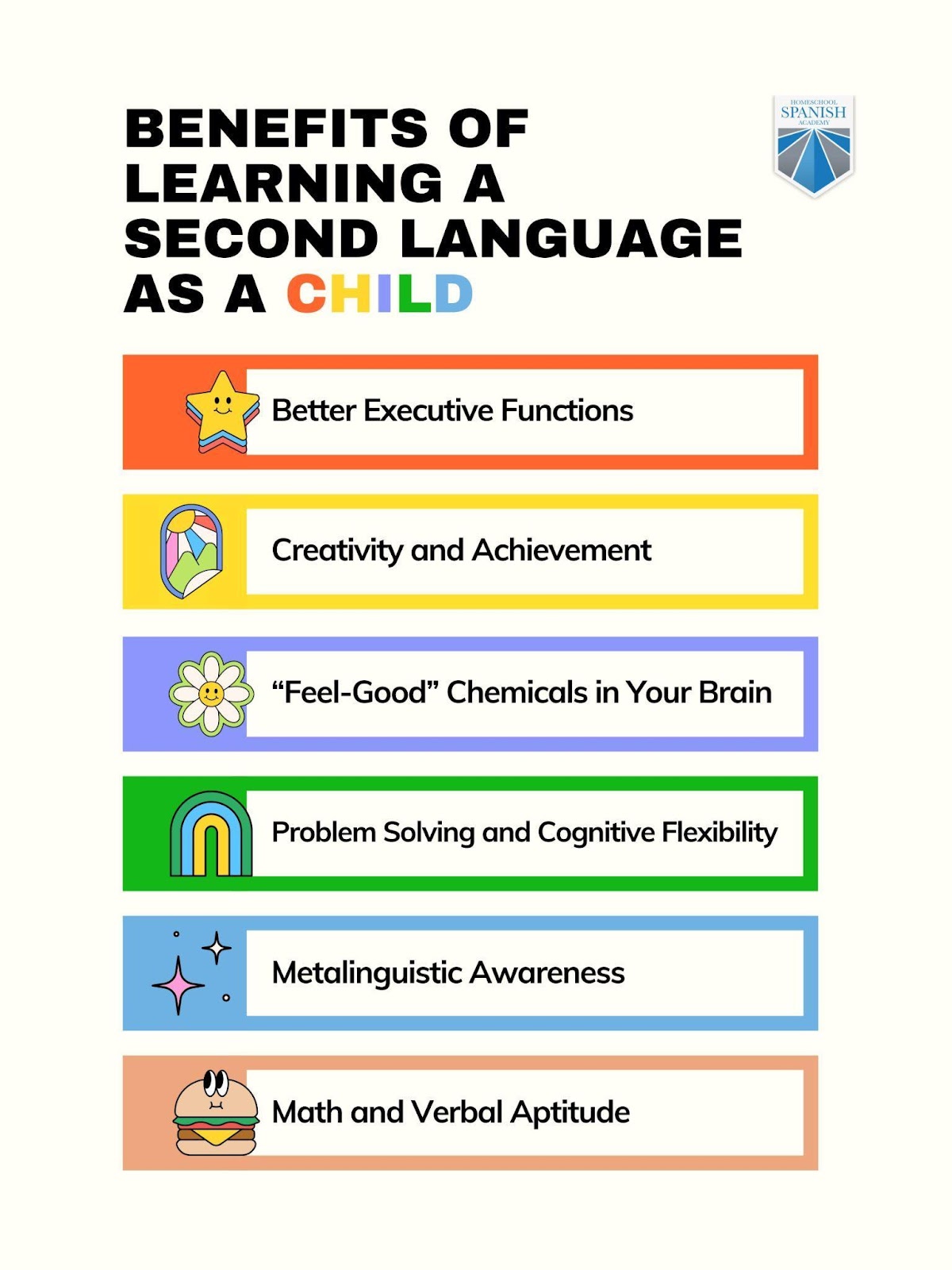
1. Enhanced Cognitive Abilities
Learning a second language significantly improves brain function and cognitive skills. Studies show that bilingual individuals often outperform monolinguals in tasks requiring focus, multitasking, and problem-solving.
- Boosts memory retention and recall.
- Improves attention span and concentration.
- Enhances critical thinking and analytical skills.
2. Better Career Opportunities
Being bilingual opens doors to global job markets and increases employability. Many employers prioritize candidates who can communicate in multiple languages.
See AlsoHow knowing your best performance in Chinese can help you improve- Access to higher-paying jobs in international companies.
- Increased chances of promotions and leadership roles.
- Opportunities to work in multilingual environments or abroad.
3. Improved Cultural Understanding
Learning a language exposes you to the traditions, history, and values of other cultures, fostering empathy and global awareness.
- Deepens appreciation for cultural diversity.
- Helps avoid miscommunication in cross-cultural interactions.
- Encourages respect for different perspectives.
4. Enhanced Travel Experiences
Speaking the local language while traveling transforms your experience, making it more immersive and enjoyable.
- Easier navigation and communication with locals.
- Deeper connections with local communities.
- Ability to explore off-the-beaten-path destinations.
5. Delayed Cognitive Decline
Bilingualism has been linked to a slower onset of age-related mental conditions like dementia and Alzheimer's.
- Strengthens brain resilience against aging.
- Improves mental flexibility in older adults.
- Enhances long-term memory retention.
What are the 7 benefits of learning a language?
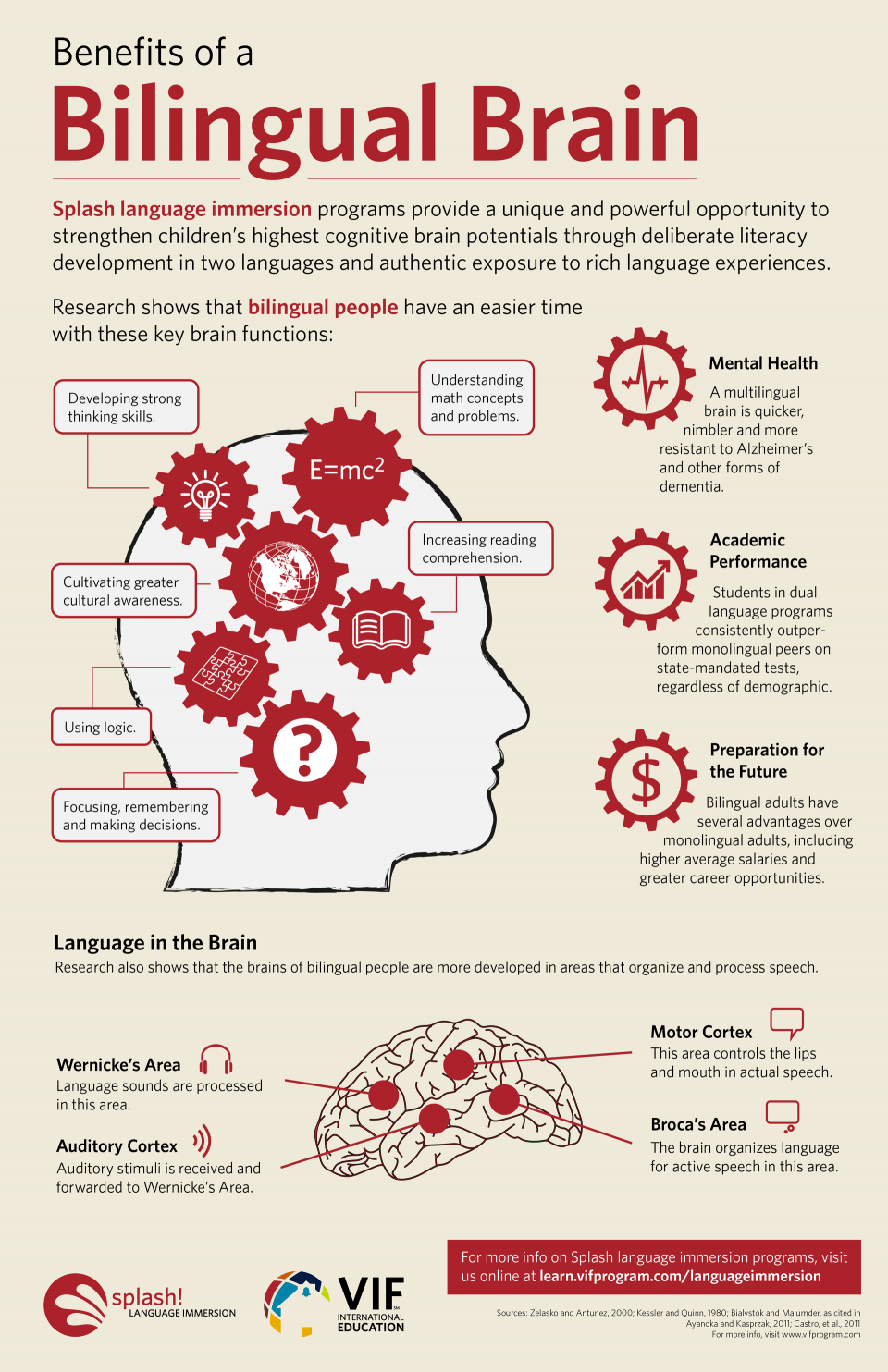
1. Enhanced Cognitive Abilities
Learning a language improves brain function by enhancing memory, problem-solving skills, and multitasking capabilities. Studies show that bilingual individuals often perform better in tasks requiring attention and mental flexibility.
- Boosts memory retention and recall abilities.
- Improves critical thinking and analytical skills.
- Delays the onset of age-related cognitive decline.
2. Better Career Opportunities
Proficiency in multiple languages opens doors to global job markets, making candidates more competitive. Many industries, such as tourism, diplomacy, and tech, highly value bilingual employees.
- Increases employability in multinational companies.
- Enhances networking with international clients.
- Leads to higher salary potential in certain fields.
3. Improved Communication Skills
Learning a new language refines both verbal and non-verbal communication, fostering cultural empathy and clearer expression across diverse audiences.
- Strengthens listening and comprehension abilities.
- Encourages adaptability in social interactions.
- Builds confidence in public speaking and presentations.
4. Cultural Awareness and Appreciation
Language learning deepens understanding of traditions, history, and values tied to a culture, promoting respect and reducing stereotypes.
- Provides insight into literature, music, and art from other regions.
- Facilitates meaningful travel experiences by connecting with locals.
- Encourages open-mindedness and global citizenship.
5. Personal Growth and Confidence
Mastering a language is a challenging yet rewarding achievement that builds self-esteem and resilience, encouraging lifelong learning.
- Fosters discipline and perseverance through consistent practice.
- Expands personal interests like reading foreign media.
- Strengthens decision-making in unfamiliar situations.
What is the most useful 2nd language to learn?

What Factors Determine the Most Useful Second Language?
The usefulness of a second language depends on several factors, including geographical relevance, economic opportunities, and personal goals. Here are the key considerations:
- Global Influence: Languages like English, Mandarin, or Spanish dominate international communication.
- Career Demand: Industries such as tech, trade, or diplomacy prioritize specific languages.
- Cultural Access: Learning a language like French or Japanese opens doors to rich cultural content.
Why is Mandarin Chinese a Highly Useful Second Language?
Mandarin Chinese is valuable due to China's economic growth and global influence. Key reasons include:
- Business Opportunities: China is a major player in global trade and manufacturing.
- Population: Over 1 billion native speakers make it the most spoken language worldwide.
- Tech Industry: Many tech companies seek Mandarin speakers for partnerships and expansions.
How Does Spanish Rank as a Practical Second Language?
Spanish is one of the most practical second languages due to its widespread use and cultural relevance:
- Geographic Spread: It’s the official language in 20+ countries, including the U.S. where it’s widely spoken.
- Tourism & Trade: Spanish is essential in hospitality, retail, and Latin American markets.
- Ease of Learning: Its phonetic consistency makes it easier for English speakers to learn.
What Makes French a Strategic Second Language Choice?
French remains a strategic language for diplomacy, culture, and business:
- International Organizations: It’s an official language of the UN, EU, and African Union.
- African Growth: French is rapidly growing in Africa, a key emerging market.
- Cultural Prestige: France’s influence in art, cuisine, and literature adds value.
Why Consider Learning Arabic as a Second Language?
Arabic is highly valuable for geopolitical and economic reasons:
- Energy Sector: Arabic-speaking nations control significant oil and gas reserves.
- Diplomacy & Security: Demand for Arabic speakers in government and NGOs is high.
- Media & Religion: Understanding Arabic provides access to influential media and Islamic texts.
Is it beneficial to learn a second language essay in 200 words?
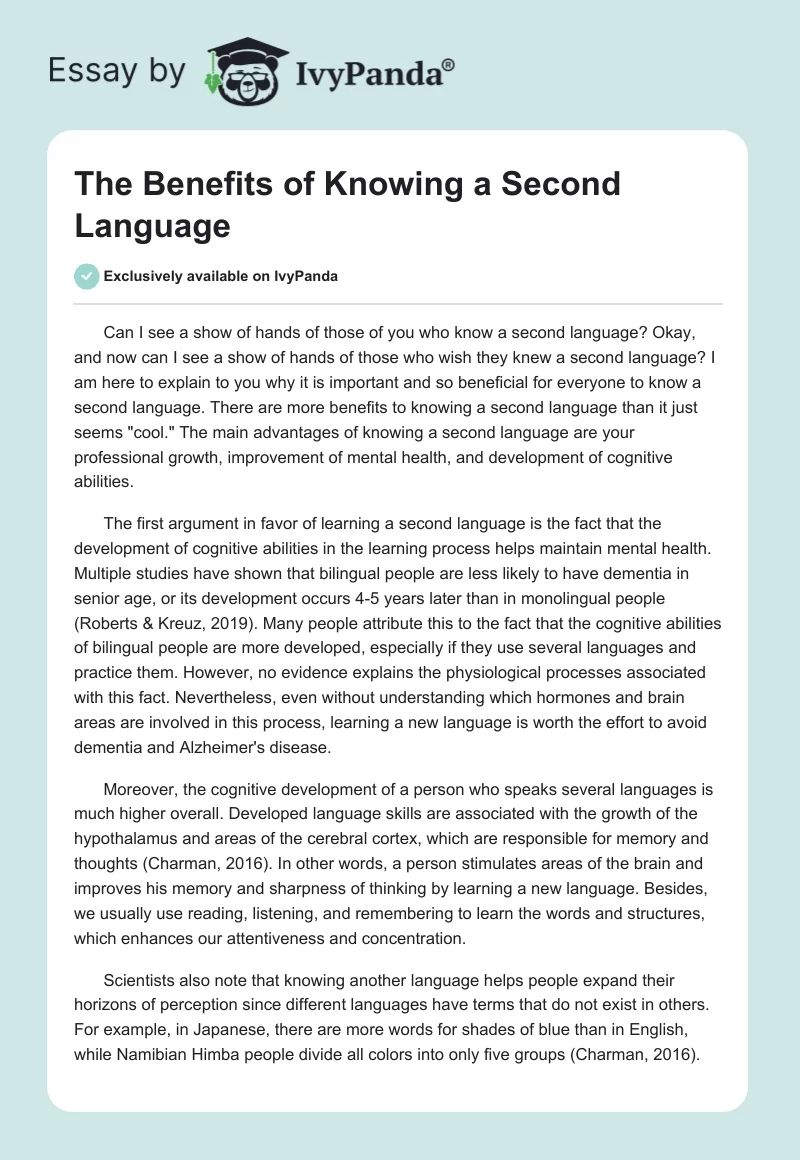
Why Learning a Second Language Enhances Cognitive Abilities
Learning a second language significantly boosts cognitive functions. Studies show it improves memory, problem-solving skills, and multitasking abilities. Here’s how:
- Memory improvement: Bilingual individuals often exhibit better retention and recall.
- Enhanced focus: Switching between languages trains the brain to filter distractions.
- Delayed cognitive decline: Learning a language can postpone age-related mental deterioration.
Career Advantages of Being Bilingual
Mastering a second language opens doors to global opportunities. Employers value bilingual candidates for their adaptability and communication skills. Key benefits include:
- Higher employability: Many industries prioritize multilingual employees.
- Competitive salaries: Bilingual professionals often earn more.
- International networking: Language skills facilitate cross-border collaborations.
Cultural Awareness and Personal Growth
Learning another language fosters cultural empathy and broadens perspectives. It allows deeper connections with diverse communities. Notable impacts:
- Understanding traditions: Language learning often includes cultural immersion.
- Reducing stereotypes: Exposure to other cultures challenges biases.
- Personal fulfillment: Mastering a language builds confidence and resilience.
Academic Benefits of Bilingualism
Students who learn a second language often excel academically. Research highlights improved performance in other subjects. Key findings:
- Better test scores: Bilingual students frequently outperform monolinguals.
- Improved literacy: Language learners develop stronger reading and writing skills.
- Enhanced creativity: Thinking in another language encourages innovative problem-solving.
Speaking multiple languages enhances interpersonal skills and fosters inclusivity. Benefits include:
- Stronger relationships: Communicating in someone’s native language builds trust.
- Adaptability: Bilingual individuals navigate social settings more effectively.
- Conflict resolution: Understanding language nuances aids in mediating misunderstandings.
Frequently Asked Questions (FAQ)
What are the cognitive benefits of learning a second language?
Cognitive benefits are among the most compelling reasons to learn a second language. Studies show that bilingual individuals often exhibit improved memory, enhanced problem-solving skills, and greater mental flexibility. Learning another language can also delay the onset of age-related cognitive decline, such as dementia or Alzheimer's. Additionally, it strengthens the brain's executive function, helping individuals multitask more efficiently and make better decisions.
How does learning a second language improve career opportunities?
Mastering a second language can significantly boost career prospects in today's globalized job market. Many employers value bilingual candidates because they can communicate with international clients, navigate multicultural environments, and access a wider range of job opportunities. Industries like tourism, diplomacy, and business particularly seek multilingual professionals. Furthermore, bilingual employees often command higher salaries and have a competitive edge over monolingual peers.
Can learning a second language enhance cultural understanding?
Absolutely. Learning a second language provides deep cultural insights and fosters greater empathy toward other communities. Language is closely tied to traditions, values, and social norms, so understanding it allows you to connect with people on a more meaningful level. This cultural awareness can lead to stronger relationships, whether in personal or professional settings, and helps break down cultural barriers that may exist due to miscommunication.
Does learning a second language improve travel experiences?
Yes, knowing a second language can transform your travel experiences. It enables you to interact with locals more authentically, navigate unfamiliar places with ease, and appreciate cultural nuances that tourists might miss. Whether ordering food, asking for directions, or engaging in conversations, speaking the local language can make your trips more immersive and enjoyable. Additionally, it often leads to better deals and more respectful interactions, as locals appreciate the effort to communicate in their native tongue.
Leave a Reply
Related Posts