
Zheng He: Why Is He So Important Today?

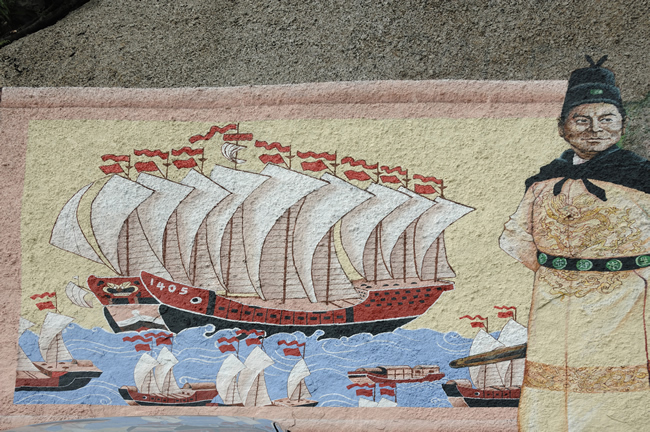
Zheng He, the legendary Chinese admiral of the Ming Dynasty, remains a towering figure in global history, celebrated for his extraordinary maritime expeditions. Between 1405 and 1433, he commanded vast fleets that traversed the Indian Ocean, reaching as far as East Africa, fostering trade, diplomacy, and cultural exchange. Today, Zheng He symbolizes China’s historical openness to the world, offering a powerful contrast to modern narratives of isolationism. His voyages exemplify peaceful exploration and cross-cultural engagement, making him a relevant icon in discussions about globalization, soft power, and maritime heritage. Understanding Zheng He’s legacy provides valuable insights into China’s past and its evolving role on the global stage.
Zheng He: Why Is He So Important Today?
Zheng He, the legendary Chinese admiral and explorer of the Ming Dynasty, remains a significant figure in modern times due to his monumental maritime expeditions, which reshaped global trade, diplomacy, and cultural exchange. His voyages, spanning the early 15th century, demonstrate China's historical leadership in exploration and its potential role in today's interconnected world. Zheng He's legacy is particularly relevant in discussions about globalization, soft power, and maritime diplomacy, offering lessons for contemporary international relations and economic cooperation.
The Maritime Achievements of Zheng He
Zheng He's seven voyages (1405–1433) were unparalleled in scale, involving massive treasure ships and fleets that dwarfed European expeditions of the same era. His journeys reached as far as East Africa, establishing trade routes and diplomatic ties across the Indian Ocean. These achievements highlight China's early mastery of naval technology and long-distance exploration, setting a precedent for modern maritime trade networks.
See AlsoMemrise vs Duolingo: Which Language Learning App is Better?| Voyage | Years | Key Destinations |
|---|---|---|
| 1st | 1405–1407 | Calicut, India |
| 3rd | 1409–1411 | Hormuz, Persian Gulf |
| 7th | 1431–1433 | Mogadishu, East Africa |
Zheng He’s Role in Cultural Exchange
Zheng He’s expeditions facilitated unprecedented cultural exchanges between China and the regions he visited. He introduced Chinese goods, technology, and customs while bringing back exotic products, animals, and knowledge. This early form of globalization underscores the importance of cross-cultural dialogue in today's multicultural societies.
Diplomacy and Soft Power
Unlike later European colonizers, Zheng He emphasized diplomatic engagement over conquest. His missions promoted peaceful trade and mutual respect, a model for modern soft power strategies. China’s current Belt and Road Initiative draws inspiration from his approach to international relations.
Technological Innovations of Zheng He’s Fleet
Zheng He’s treasure ships were engineering marvels, some reportedly over 400 feet long. Advanced navigation tools, such as compasses and detailed maps, enabled his fleet to traverse vast distances. These innovations laid groundwork for modern maritime technology.
See AlsoPimsleur vs Duolingo: Choosing Your Language Learning PathZheng He’s Legacy in Modern Geopolitics
Zheng He symbolizes China’s historical influence and its resurgence as a global power. His voyages are often cited in discussions about China’s maritime ambitions and its vision for a multipolar world. Understanding his legacy helps contextualize contemporary geopolitical dynamics.
Why is Zheng He so important?

Zheng He's Role in Chinese Maritime Exploration
Zheng He was a pivotal figure in Chinese maritime history, leading seven major expeditions between 1405 and 1433 under the Ming Dynasty. His voyages expanded China's influence across the Indian Ocean, reaching as far as East Africa. Key aspects of his contributions include:
See AlsoTone errors in Mandarin that actually can cause misunderstandings- Unprecedented scale: His fleet included hundreds of ships, some measuring over 400 feet long, dwarfing European vessels of the time.
- Diplomatic reach: Zheng He established trade and diplomatic ties with over 30 kingdoms and empires.
- Technological prowess: His voyages showcased advanced Chinese shipbuilding and navigation techniques.
Zheng He's Impact on Global Trade Networks
Zheng He's expeditions revitalized and expanded maritime trade routes, connecting China with Southeast Asia, India, the Middle East, and Africa. His missions facilitated:
- Exchange of goods: Silk, porcelain, and spices flowed freely along these routes.
- Cultural diffusion: Ideas, religions, and technologies spread across continents.
- Economic growth: Many regions experienced prosperity due to increased trade.
Zheng He's Diplomatic Achievements
Unlike later European explorers, Zheng He emphasized diplomacy over conquest. His approach included:
- Tribute system reinforcement: Many states acknowledged Ming China's superiority through peaceful means.
- Gift exchanges: He distributed Chinese treasures while bringing back exotic items like giraffes to the imperial court.
- Conflict avoidance: His massive fleet was primarily used for display of power rather than warfare.
Technological Innovations of Zheng He's Voyages
Zheng He's treasure ships represented the peak of medieval naval technology, featuring:
- Multiple decks: Some ships had up to nine masts and four decks.
- Advanced navigation: Use of compasses, detailed maps, and astronomical observations.
- Watertight compartments: An innovation that improved safety and buoyancy.
Zheng He's Legacy in World History
Though China later abandoned maritime expansion, Zheng He's accomplishments remain significant because:
- Historical precedent: His voyages predated European Age of Exploration by nearly a century.
- Multicultural interactions: Created lasting connections between diverse civilizations.
- Inspiration: Modern nations along his routes still celebrate his legacy through cultural festivals and monuments.
Why was Zheng so important?
Zheng He's Role in Chinese Exploration
Zheng He was a pivotal figure in Chinese maritime history, leading seven major expeditions during the early 15th century under the Ming Dynasty. His voyages expanded China's influence across the Indian Ocean, reaching as far as East Africa. Key aspects of his role include:
- Diplomatic missions: Zheng He established trade and diplomatic ties with over 30 kingdoms.
- Naval supremacy: His fleet, with massive treasure ships, showcased China's advanced shipbuilding.
- Cultural exchange: He facilitated the spread of Chinese goods, technology, and ideas.
Zheng He's Impact on Global Trade
Zheng He's expeditions revolutionized trade networks by connecting China to distant markets. His journeys:
- Boosted commerce: Silk, porcelain, and spices flowed between Asia and Africa.
- Introduced new goods: Exotic animals like giraffes were brought to China.
- Strengthened routes: His maps and logs improved navigation for future traders.
Technological Advancements Under Zheng He
Zheng He's voyages were made possible by groundbreaking innovations, including:
- Treasure ships: These were the largest wooden ships ever built, measuring over 400 feet.
- Navigation tools: Advanced compasses and star charts ensured precise travel.
- Maritime engineering: Watertight compartments increased ship durability.
Zheng He's Influence on Diplomacy
Zheng He's expeditions were as much about diplomacy as exploration. His efforts:
- Promoted peace: He often resolved conflicts through negotiation rather than force.
- Established tributary systems: Many regions acknowledged Ming authority.
- Enhanced China's prestige: His voyages projected Chinese power globally.
The Legacy of Zheng He's Voyages
Though China later abandoned naval expansion, Zheng He's legacy endured through:
- Historical records: Detailed accounts of his travels remain invaluable.
- Cultural integration: His voyages left lasting marks in Southeast Asia and beyond.
- Inspiration: Modern nations study his expeditions for insights into early globalization.
Why was Zheng He important Quizlet?

Why was Zheng He important in Chinese history?
Zheng He was a prominent Chinese explorer and admiral during the Ming Dynasty, known for leading seven major maritime expeditions between 1405 and 1433. His voyages expanded China's influence across the Indian Ocean, reaching as far as East Africa.
- Diplomatic Achievements: Zheng He established trade and diplomatic ties with over 30 countries.
- Naval Superiority: His fleet included massive treasure ships, showcasing China's advanced shipbuilding.
- Cultural Exchange: He facilitated the exchange of goods, ideas, and technologies between China and other regions.
What were Zheng He's major accomplishments?
Zheng He's expeditions were groundbreaking in scale and impact, marking a high point in Chinese maritime history.
- Exploration: He mapped new trade routes and documented foreign cultures.
- Trade Expansion: His voyages brought exotic goods like spices and gems to China.
- Political Influence: He solidified China's dominance in the region through peaceful diplomacy.
How did Zheng He's voyages impact global trade?
Zheng He's expeditions played a crucial role in connecting Eastern and Western trade networks.
- New Markets: His journeys opened trade opportunities in Southeast Asia, India, and Africa.
- Economic Growth: Increased demand for Chinese silk, porcelain, and tea abroad.
- Technological Exchange: Introduced innovations like advanced navigation techniques.
Why did Zheng He's voyages end?
The cessation of Zheng He's expeditions was due to political and economic shifts in the Ming Dynasty.
- Cost: The voyages were expensive, draining imperial resources.
- Isolationist Policies: Later emperors favored inward-focused strategies over expansion.
- Power Struggles: Court officials opposed the influence of eunuchs like Zheng He.
What was the significance of Zheng He's treasure ships?
Zheng He's treasure ships were engineering marvels that demonstrated China's naval prowess.
- Size: Some ships were over 400 feet long, dwarfing European vessels.
- Function: They carried diplomats, soldiers, and luxury goods for trade.
- Legacy: Their design influenced later shipbuilding techniques in Asia.
How did Zheng He affect trade?
Zheng He's Expeditions and Their Impact on Maritime Trade
Zheng He's voyages significantly expanded maritime trade by establishing direct routes between China and regions like Southeast Asia, India, the Middle East, and East Africa. His fleets carried valuable goods such as silk, porcelain, and spices, fostering economic exchanges. Key impacts include:
- New trade networks: Zheng He connected distant markets, enabling smoother exchange of commodities.
- Diplomatic ties: His missions strengthened political relationships, which facilitated safer trade routes.
- Cultural exchange: Goods and ideas flowed freely, enriching local economies and societies.
The Role of Zheng He's Treasure Ships in Global Commerce
Zheng He's massive treasure ships were instrumental in transporting large quantities of goods across oceans. These vessels could carry up to 1,500 tons, making them unparalleled in their time. Their influence on trade included:
- Increased cargo capacity: Allowed for bulk trade of high-demand items like tea and ceramics.
- Technological superiority: Advanced shipbuilding techniques set standards for maritime trade.
- Market expansion: Enabled Chinese goods to reach previously inaccessible regions.
Zheng He's Diplomatic Missions and Trade Agreements
Zheng He's voyages were not just exploratory but also diplomatic, leading to formal trade agreements with foreign powers. These agreements ensured long-term commercial benefits, such as:
- Reduced piracy: Stronger diplomatic ties discouraged raids on merchant ships.
- Tax exemptions: Some regions offered favorable terms to Chinese traders.
- Monopoly establishment: China gained control over key trade hubs like Malacca.
Economic Influence of Zheng He's Voyages on Local Markets
The influx of Chinese goods due to Zheng He's expeditions transformed local markets in visited regions. This economic shift manifested in several ways:
- Price stabilization: Increased supply of luxury goods reduced price volatility.
- New industries: Demand for Chinese products spurred local craftsmanship.
- Currency systems: Some regions adopted Chinese coinage for trade efficiency.
Zheng He's Legacy in Sustaining Long-Distance Trade Routes
Even after his voyages ended, Zheng He's trade routes remained vital for centuries. His legacy included:
- Route preservation: Merchants continued using his mapped pathways.
- Navigation records: Detailed logs aided future traders in safe passage.
- Cultural integration: Mixed communities along trade routes thrived economically.
Frequently Asked Questions (FAQ)
Who was Zheng He and why is he significant in history?
Zheng He was a Chinese mariner, explorer, and diplomat during the early Ming Dynasty, renowned for leading seven grand naval expeditions between 1405 and 1433. His voyages spanned Southeast Asia, the Indian Ocean, and even reached the east coast of Africa. Zheng He's significance lies in his role as a pioneer of global maritime exploration, predating European explorers like Columbus and Vasco da Gama. His expeditions demonstrated China's advanced naval technology, diplomatic prowess, and cultural exchange, leaving a lasting legacy in world history.
How did Zheng He's voyages impact global trade and diplomacy?
Zheng He's expeditions were instrumental in expanding trade networks and fostering diplomatic relations across Asia and Africa. His fleets carried luxury goods like silk, porcelain, and spices, establishing China as a dominant economic power. Diplomatically, Zheng He's missions strengthened ties with foreign rulers, promoting peace and mutual respect. Unlike later European colonial ventures, his approach emphasized cultural exchange rather than conquest, setting a precedent for peaceful international relations.
Why is Zheng He relevant in today's discussions about globalization?
In modern debates about globalization, Zheng He serves as a symbol of early interconnectedness and multicultural collaboration. His voyages highlight how pre-modern societies engaged in cross-cultural dialogue and economic integration without forced domination. Today, Zheng He's legacy is invoked to advocate for peaceful cooperation and inclusive trade policies, contrasting with historical narratives centered on Western expansionism. His story reminds us of the importance of mutual respect in global affairs.
What lessons can modern leaders learn from Zheng He's expeditions?
Zheng He's leadership offers timeless lessons in diplomacy, innovation, and adaptability. His ability to navigate diverse cultures and resolve conflicts peacefully underscores the value of soft power in international relations. Additionally, his use of cutting-edge naval technology highlights the importance of investing in innovation for national progress. Modern leaders can draw inspiration from his emphasis on collaboration over coercion, making his legacy profoundly relevant in today's interconnected world.
Leave a Reply
Related Posts