
How Many Users Does Duolingo Have: Active & Total Learners Worldwide


Duolingo has emerged as one of the most popular language-learning platforms globally, revolutionizing how people acquire new languages. With its gamified approach and accessibility, the app has attracted millions of users eager to learn languages ranging from Spanish to Klingon. But just how many people use Duolingo? This article delves into the platform's user base, exploring both active and total learners worldwide. By examining the latest data and trends, we aim to provide a clear picture of Duolingo's reach and impact in the language-learning industry. Whether you're a curious learner or a language enthusiast, understanding these numbers offers insight into the app's growing influence.
- How Many Users Does Duolingo Have: Active & Total Learners Worldwide
- How many active users are there on Duolingo?
- How many learners use Duolingo?
- What is the top 1% of learners on Duolingo?
- How did Duolingo build a 0 million company without charging users?
- Frequently Asked Questions From our Community
How Many Users Does Duolingo Have: Active & Total Learners Worldwide
Duolingo, one of the most popular language-learning platforms globally, has seen exponential growth since its launch in 2011. As of the latest data, Duolingo boasts a massive user base, including both active and total learners. The platform's gamified approach to language learning has attracted millions of users, making it a leader in the edtech space. Below, we explore the details of Duolingo's user statistics, including active users, total learners, and other relevant insights.
1. Total Number of Duolingo Users Worldwide
Duolingo has amassed an impressive number of users since its inception. As of 2023, the platform has over 500 million registered users worldwide. This figure includes learners from every corner of the globe, making Duolingo one of the most widely used language-learning apps. The platform supports over 40 languages, catering to a diverse audience with varying language goals.
See AlsoDuolingo Practice Hub Missing: Fixing Issue Easily2. Number of Active Duolingo Users
While the total number of registered users is staggering, the number of active users provides a clearer picture of Duolingo's engagement levels. As of recent reports, Duolingo has approximately 56 million monthly active users (MAUs). These users actively engage with the app, completing lessons, practicing vocabulary, and participating in challenges. The high level of engagement highlights the app's effectiveness and appeal.
3. Duolingo's User Growth Over the Years
Duolingo's user base has grown significantly over the years. From its humble beginnings in 2011, the platform has experienced consistent growth, driven by its free-to-use model and innovative features. Below is a table showcasing Duolingo's user growth from 2015 to 2023:
| Year | Total Users (Millions) |
|---|---|
| 2015 | 100 |
| 2018 | 300 |
| 2021 | 400 |
| 2023 | 500+ |
4. Geographic Distribution of Duolingo Users
Duolingo's user base is spread across the globe, with significant concentrations in certain regions. The United States is the largest market, contributing a substantial portion of the app's users. Other key regions include Europe, Latin America, and Asia. The platform's availability in multiple languages has enabled it to penetrate non-English-speaking markets effectively.
See AlsoHow to Write a Formal Letter in Chinese5. Duolingo's Paid Subscribers and Revenue
While Duolingo offers a free version, it also has a premium subscription service called Duolingo Plus. As of 2023, the platform has over 3 million paid subscribers. This subscription model, which offers ad-free learning and additional features, has become a significant revenue driver for the company. In 2022, Duolingo reported $369 million in revenue, showcasing its financial success alongside its user growth.
By analyzing these statistics, it's clear that Duolingo has established itself as a dominant force in the language-learning industry, with a vast and engaged user base worldwide.
How many active users are there on Duolingo?

How Many Active Users Does Duolingo Have in 2023?
As of 2023, Duolingo has over 500 million registered users worldwide. Among these, the platform boasts 74 million monthly active users (MAUs). This makes Duolingo one of the most popular language-learning apps globally. The app's growth has been driven by its gamified approach, free accessibility, and diverse language offerings.
- 500 million registered users globally.
- 74 million monthly active users as of 2023.
- Available in over 40 languages for learners.
What Factors Contribute to Duolingo's Active User Growth?
Duolingo's active user growth is fueled by several key factors. The app's user-friendly interface, gamification elements, and free access make it appealing to a broad audience. Additionally, its mobile-first approach and offline mode ensure accessibility for users worldwide. The platform also benefits from strategic marketing and partnerships with educational institutions.
- Gamification keeps users engaged and motivated.
- Free access lowers the barrier to entry for learners.
- Mobile-first design ensures convenience and accessibility.
How Does Duolingo Compare to Other Language-Learning Platforms?
Duolingo stands out among language-learning platforms due to its massive user base and free-to-use model. While competitors like Babbel and Rosetta Stone often require subscriptions, Duolingo offers a freemium model that attracts a wider audience. Its gamified lessons and community features also set it apart, making learning feel less like a chore and more like a game.
See AlsoHow to Memorize Chinese Characters Faster with 3 of the Best Apps to Learn Chinese- Freemium model attracts a larger user base.
- Gamified lessons enhance user engagement.
- Community features foster a sense of belonging.
What Are the Demographics of Duolingo's Active Users?
Duolingo's active user base is diverse, spanning various age groups, regions, and language backgrounds. The majority of users are young adults aged 18-35, but the app also appeals to older learners and children. Geographically, the platform has a strong presence in North America, Europe, and Latin America, with growing adoption in Asia and Africa.
- Young adults aged 18-35 form the largest user group.
- Significant presence in North America and Europe.
- Growing adoption in Asia and Africa.
How Does Duolingo Retain Its Active Users?
Duolingo retains its active users through personalized learning paths, daily streaks, and achievement badges. The app also uses push notifications to remind users to practice daily. Additionally, its Duolingo Plus subscription offers ad-free learning and offline access, catering to users who want a premium experience. The platform's social features, such as leaderboards and clubs, also encourage consistent usage.
- Daily streaks motivate users to practice regularly.
- Push notifications keep users engaged.
- Social features like leaderboards foster competition and interaction.
How many learners use Duolingo?

How Many Active Users Does Duolingo Have?
As of the latest data, Duolingo boasts over 500 million registered users worldwide. Among these, the platform has approximately 40 million active monthly users. This makes Duolingo one of the most popular language-learning apps globally. The app's accessibility and gamified approach have contributed to its widespread adoption.
- 500 million registered users globally.
- Around 40 million active monthly users.
- Available in over 40 languages for learners.
What Age Groups Use Duolingo the Most?
Duolingo's user base spans a wide range of age groups, but the majority of its learners are between 18 and 35 years old. Younger users, particularly those in their late teens and early twenties, are drawn to the app's interactive and gamified features. However, the platform also sees significant usage among older adults who are learning languages for travel, work, or personal enrichment.
- Primary age group: 18 to 35 years old.
- Popular among teenagers and young adults.
- Growing usage among older adults for professional or personal reasons.
Which Countries Have the Most Duolingo Learners?
Duolingo has a global presence, but certain countries stand out for their high number of learners. The United States, Brazil, and India are among the top countries with the most Duolingo users. These regions have large populations and a strong interest in learning English and other languages, which drives the app's popularity.
- United States: Leading in user numbers.
- Brazil: High demand for English and Spanish courses.
- India: Growing interest in language learning for career advancement.
What Are the Most Popular Languages on Duolingo?
English is the most popular language being learned on Duolingo, followed by Spanish, French, and German. The app offers courses in over 40 languages, catering to a diverse range of learners. The popularity of these languages reflects global trends in education, travel, and business.
- English: Most sought-after language.
- Spanish: Widely studied in the Americas and Europe.
- French: Popular for its cultural and professional relevance.
How Does Duolingo Retain Its Learners?
Duolingo employs several strategies to keep its learners engaged. The app uses gamification, such as streaks, rewards, and leaderboards, to motivate users. Additionally, its bite-sized lessons and personalized learning paths make it easy for users to incorporate language learning into their daily routines. Regular updates and new features also help maintain user interest.
- Gamification: Streaks, rewards, and leaderboards.
- Bite-sized lessons: Easy to fit into daily schedules.
- Personalized learning: Tailored to individual progress and goals.
What is the top 1% of learners on Duolingo?

Who Are the Top 1% of Learners on Duolingo?
The top 1% of learners on Duolingo are the most dedicated and consistent users of the platform. These individuals demonstrate exceptional commitment to language learning by maintaining high levels of activity, such as completing lessons, earning XP (experience points), and achieving streaks. They often outperform the majority of users in terms of progress, engagement, and mastery of the language they are studying.
- Consistency: The top 1% log in daily or nearly every day to practice, ensuring steady progress.
- High XP Earnings: They accumulate significantly more XP than average users, often completing multiple lessons or challenges in a single session.
- Advanced Skills: These learners typically reach higher levels of proficiency, mastering complex grammar and vocabulary.
What Sets the Top 1% Apart from Other Learners?
The top 1% of Duolingo learners stand out due to their exceptional discipline, motivation, and strategic approach to language learning. They often go beyond the basic requirements, utilizing additional features like Duolingo Plus, participating in leaderboards, and engaging with the community.
- Discipline: They maintain long streaks, sometimes spanning hundreds or even thousands of days.
- Motivation: Many are driven by personal goals, such as travel, career advancement, or cultural connection.
- Strategic Learning: They focus on areas where they need improvement, using tools like Duolingo Stories or podcasts to enhance comprehension.
How Do the Top 1% Achieve Their Success?
The top 1% of Duolingo learners achieve their success through a combination of consistent effort, effective use of resources, and a growth mindset. They often set specific goals and track their progress meticulously.
- Daily Practice: They prioritize daily practice, even if it’s just for a few minutes.
- Resource Utilization: They take advantage of all Duolingo features, including timed challenges and bonus skills.
- Goal Setting: They set clear, measurable goals, such as completing a course or reaching a specific XP milestone.
What Challenges Do the Top 1% Face?
Despite their success, the top 1% of Duolingo learners face challenges such as maintaining motivation over long periods, avoiding burnout, and balancing language learning with other responsibilities.
- Motivation: Staying motivated over months or years can be difficult, especially after achieving initial goals.
- Burnout: Intensive daily practice can lead to fatigue, requiring breaks or adjustments to routines.
- Time Management: Balancing language learning with work, family, or other commitments is a common struggle.
What Can Other Learners Learn from the Top 1%?
Other learners can adopt strategies from the top 1% to improve their own language learning experience. By focusing on consistency, goal setting, and resource utilization, they can enhance their progress and enjoyment.
- Consistency: Regular practice, even in small amounts, leads to long-term success.
- Goal Setting: Clear objectives provide direction and motivation.
- Resource Utilization: Exploring all available tools and features maximizes learning potential.
How did Duolingo build a $700 million company without charging users?
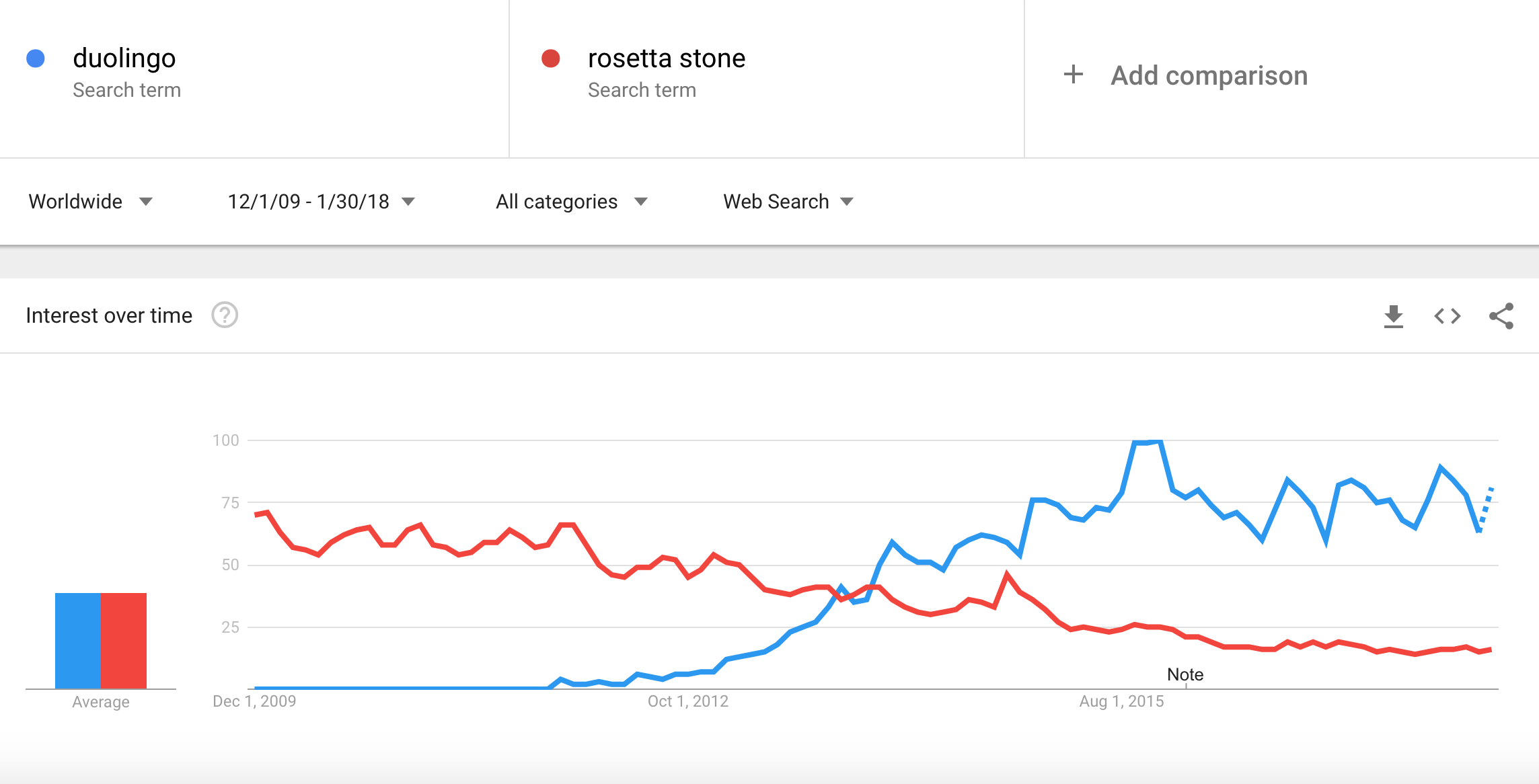
Duolingo's success is largely attributed to its freemium model, which allows users to access the platform for free while offering optional paid features. This approach attracts a massive user base, creating opportunities for monetization without alienating free users. Key aspects include:
- Free access to core language-learning content, making it accessible to everyone.
- Premium subscriptions (Duolingo Plus) for ad-free experiences, offline access, and additional features.
- In-app purchases for virtual goods like gems or streak freezes, enhancing user engagement.
Leveraging Data and User Engagement
Duolingo uses data-driven strategies to optimize user engagement and retention. By analyzing user behavior, the platform continuously improves its offerings. Key strategies include:
- Gamification to make learning fun and addictive, with features like streaks, leaderboards, and rewards.
- Personalized learning paths based on user progress and performance.
- Regular updates to keep content fresh and relevant, ensuring long-term user interest.
Monetization Through Advertising
Duolingo generates significant revenue through non-intrusive advertising. Free users encounter ads, but they are designed to be minimal and not disrupt the learning experience. Key points include:
- Targeted ads that align with user interests and demographics.
- Ad-free options available through Duolingo Plus, encouraging users to upgrade.
- Partnerships with brands to create sponsored content or challenges, blending ads seamlessly into the platform.
Expanding Revenue Streams Beyond Subscriptions
Duolingo diversifies its income by exploring additional revenue streams beyond subscriptions. These include:
- Certification programs, such as the Duolingo English Test, which is recognized by institutions worldwide.
- Corporate partnerships for employee training programs, leveraging Duolingo's platform for businesses.
- Merchandise sales, including branded products that appeal to loyal users.
Building a Global Brand with a Mission-Driven Approach
Duolingo's mission to make education free and accessible resonates globally, helping it build a strong brand. Key elements include:
- Focus on accessibility, offering courses in multiple languages and catering to diverse audiences.
- Community-driven growth, with users sharing their experiences and promoting the platform organically.
- Social impact initiatives, such as providing free language education to underserved communities, enhancing its reputation and user loyalty.
Frequently Asked Questions From our Community
How many active users does Duolingo have worldwide?
Duolingo boasts a massive user base, with over 500 million registered users globally. However, the number of active users is slightly lower. As of recent reports, Duolingo has approximately 60 million monthly active users. These users engage with the platform regularly, practicing languages and completing lessons. The app's gamified approach and accessibility have made it a favorite among language learners worldwide.
What is the total number of learners on Duolingo?
The total number of learners on Duolingo has surpassed 500 million, making it one of the most popular language-learning platforms globally. This figure includes both active and inactive users who have signed up for the service since its launch. Duolingo's mission to make education free and accessible has resonated with millions, contributing to its impressive growth over the years.
How has Duolingo's user base grown over time?
Duolingo's user base has experienced exponential growth since its inception in 2011. Initially, the platform had a modest number of users, but its innovative approach to language learning quickly gained traction. By 2020, Duolingo had reached 300 million users, and by 2023, it surpassed 500 million. This growth can be attributed to its free-to-use model, engaging interface, and expansion into new markets and languages.
What percentage of Duolingo users are active learners?
While Duolingo has over 500 million registered users, only about 12% of them are active learners. This translates to roughly 60 million monthly active users who consistently engage with the platform. The relatively low percentage of active users is common among free apps, as many people sign up but may not continue regular usage. Nonetheless, Duolingo's active user base remains substantial and continues to grow.
Leave a Reply
Related Posts