
Why your Chinese isn’t as good as you think it ought to be

Many learners of Chinese often feel frustrated when their progress doesn’t match their expectations. Despite hours of study, conversations still feel challenging, characters remain elusive, and fluency seems just out of reach. The gap between perceived ability and actual proficiency can stem from several factors—unrealistic goals, ineffective methods, or a lack of immersion. Chinese is a complex language with tones, characters, and cultural nuances that demand consistent, targeted practice. If your Chinese isn’t as strong as you’d hoped, it’s worth examining where the disconnect lies. This article explores common pitfalls and offers practical strategies to bridge the gap between effort and results.
Why Your Chinese Isn’t as Good as You Think It Ought to Be
1. Lack of Consistent Practice
One of the biggest reasons your Chinese isn’t improving as expected is due to inconsistent practice. Learning a language requires daily exposure and active use, but many learners study sporadically. Without regular reinforcement, vocabulary and grammar rules fade quickly.
| Issue | Solution |
|---|---|
| Studying once a week | Dedicate at least 20-30 minutes daily |
| Forgetting characters | Use spaced repetition apps like Anki |
2. Overestimating Comprehension Skills
Many learners believe they understand Chinese well because they recognize words in isolation. However, real-life conversations involve fast speech, accents, and slang, which can be overwhelming. Passive listening isn’t enough—active engagement is key.
See AlsoLearning tones in Mandarin is not optional| Issue | Solution |
|---|---|
| Misunderstanding native speakers | Practice with authentic materials (podcasts, TV shows) |
| Ignoring tones | Focus on tone pairs and mimic native pronunciation |
3. Ignoring Cultural Context
Chinese is deeply tied to its culture. Without understanding cultural nuances, idioms, or historical references, your language use may sound unnatural or robotic. For example, formal vs. informal speech varies greatly.
| Issue | Solution |
|---|---|
| Literal translations | Learn common idioms (成语) and phrases |
| Misusing polite language | Observe how natives interact in different settings |
4. Fear of Making Mistakes
Many learners avoid speaking due to fear of errors, but mistakes are essential for growth. Over-prioritizing perfection slows progress. Native speakers appreciate effort, even if grammar isn’t flawless.
| Issue | Solution |
|---|---|
| Shyness in conversations | Join language exchange groups |
| Over-reliance on textbooks | Speak with tutors or friends weekly |
5. Ineffective Learning Methods
Relying solely on memorization or outdated techniques hinders fluency. For example, writing characters repeatedly without context won’t help retention. Instead, integrate skills (listening, speaking, reading, writing) for balanced progress.
See AlsoNew Chinese Buzzword: Dalonga Candy Game/Challenge| Issue | Solution |
|---|---|
| Boring drills | Use interactive apps (e.g., HelloChinese) |
| Neglecting output | Write diaries or record voice notes in Chinese |
Do Chinese people have a good quality of life?
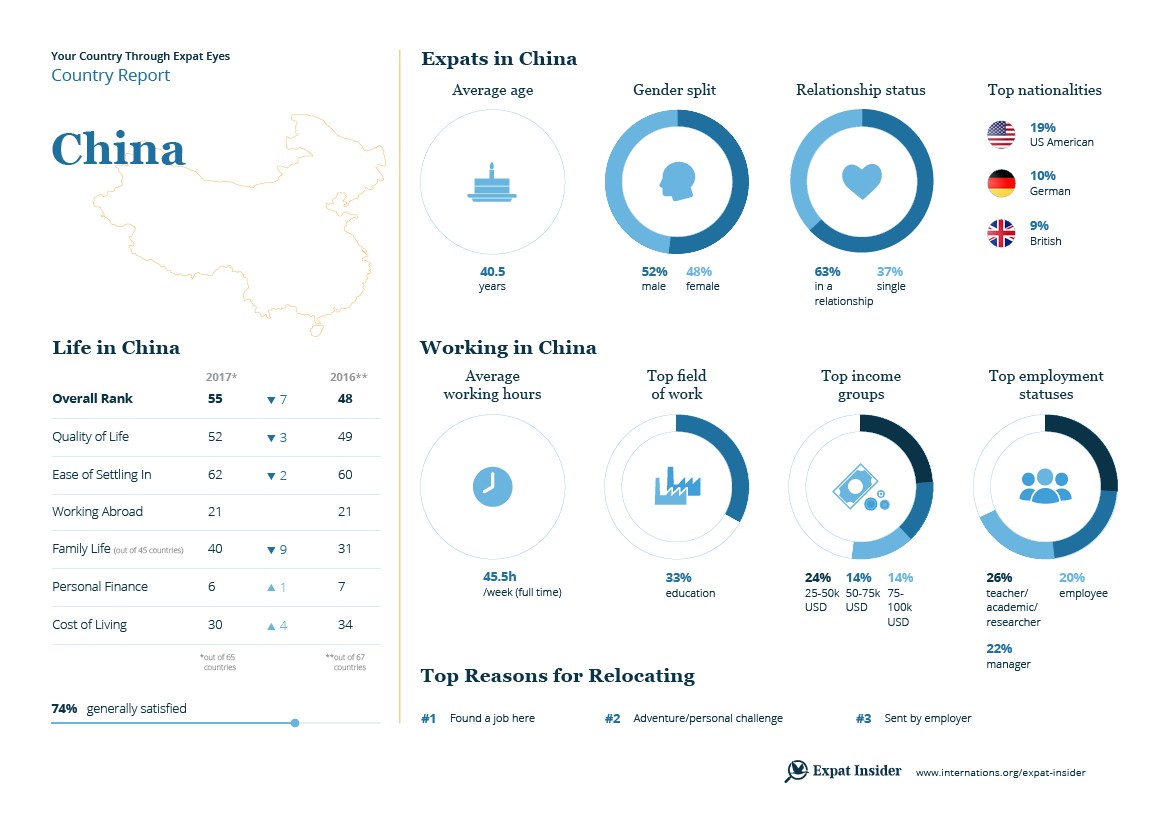
Economic Growth and Living Standards in China
China has experienced rapid economic growth over the past few decades, significantly improving living standards for many citizens. Key factors include:
- Urbanization: Over 60% of the population now lives in cities, with access to better infrastructure and services.
- Income levels: Average incomes have risen, though disparities remain between urban and rural areas.
- Consumer goods: Ownership of electronics, vehicles, and modern appliances has become widespread.
Healthcare Accessibility and Quality
The Chinese healthcare system has made strides in accessibility and quality, but challenges persist:
See AlsoText adventure games and how to use them in the Chinese language classroom- Public insurance: Over 95% of the population is covered by basic health insurance.
- Urban-rural divide: Healthcare quality in cities far surpasses that in rural regions.
- Aging population: Increasing demand for elderly care strains resources.
Education Opportunities and Outcomes
China’s education system is highly competitive, with both achievements and drawbacks:
- Literacy rates: Exceed 96%, reflecting strong primary education.
- Higher education: Expansion of universities has increased enrollment but also job market saturation.
- Pressure on students: Rigorous exams like the Gaokao create significant stress.
Work-Life Balance and Employment Conditions
Chinese workers face a mix of opportunities and challenges in employment:
- Long hours: The 996 work culture (9 AM–9 PM, 6 days a week) is common in tech sectors.
- Rising wages: Especially in skilled industries, though blue-collar workers see slower growth.
- Job security: State-sector jobs offer stability, while private-sector roles are more volatile.
Environmental and social factors heavily influence quality of life in China:
- Pollution: Air and water quality have improved but remain problematic in industrial areas.
- Social stability: Low crime rates and strong infrastructure contribute to safety.
- Cultural amenities: Cities offer rich access to arts, dining, and entertainment.
What's harder, Japanese or Chinese?

Grammar Complexity: Japanese vs. Chinese
Japanese grammar is often considered more complex due to its intricate system of particles, verb conjugations, and honorifics. Chinese, on the other hand, has a simpler grammatical structure with no verb conjugations or gendered nouns.
- Japanese uses particles like は (wa) and を (wo) to mark sentence roles.
- Chinese relies on word order (Subject-Verb-Object) and context.
- Japanese honorifics (keigo) add layers of politeness levels.
Writing Systems: Kanji vs. Hanzi
Both languages use characters derived from Chinese Hanzi, but Japanese Kanji includes additional scripts (Hiragana, Katakana). Chinese relies solely on Hanzi, which can be more demanding due to the sheer number of characters.
- Japanese mixes Kanji with phonetic scripts (Hiragana/Katakana).
- Chinese requires memorizing thousands of Hanzi for fluency.
- Kanji often has multiple readings (On'yomi, Kun'yomi).
Pronunciation and Tones
Chinese tones (Mandarin has four main tones) make pronunciation challenging for learners. Japanese pronunciation is simpler but includes pitch accent, which affects meaning.
- Mandarin tones can change word meanings (e.g., mā vs. mà).
- Japanese pitch accent is subtle but critical (e.g., hashi vs. hashi).
- Chinese has fewer syllables, increasing homophone reliance.
Listening and Speaking Difficulty
Japanese spoken language is faster and often omits subjects, while Chinese demands precise tone execution to avoid misunderstandings.
- Japanese uses context-heavy, abbreviated speech.
- Chinese requires mastering tones for clarity.
- Japanese dialects (e.g., Kansai) add regional complexity.
Cultural and Contextual Learning
Both languages require understanding cultural nuances, but Japanese emphasizes indirect communication, while Chinese relies on idioms and historical references.
- Japanese uses keigo (polite speech) in formal settings.
- Chinese idioms (chengyu) often derive from classical texts.
- Both languages value context over explicit statements.
Is it still useful to learn Chinese?
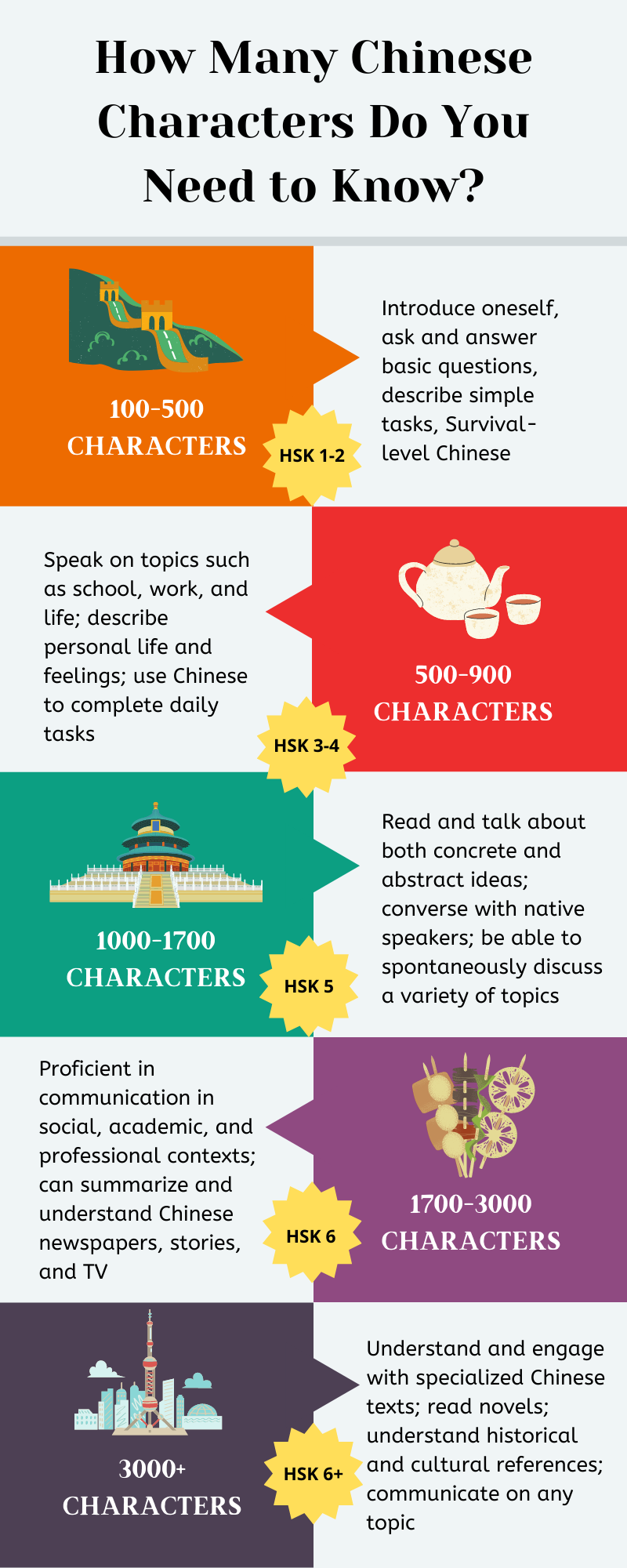
Economic Opportunities and Business Growth
Learning Chinese opens doors to one of the world's largest economies. China is a global leader in trade, manufacturing, and technology, making the language invaluable for professionals. Here’s why:
- Career advancement: Many multinational companies seek employees fluent in Chinese to expand operations in Asia.
- Business negotiations: Understanding the language helps build trust and smoother deals with Chinese partners.
- Market access: China’s consumer market is massive, and language skills provide a competitive edge.
Cultural Understanding and Travel Benefits
Mastering Chinese enhances travel experiences and deepens cultural appreciation. China has a rich history and diverse traditions. Key advantages include:
- Authentic interactions: Communicating with locals enriches visits to historical sites and rural areas.
- Navigating with ease: Reading signs and menus becomes effortless, improving convenience.
- Cultural immersion: Understanding idioms and customs fosters deeper connections.
Academic and Research Advantages
Chinese is critical for students and researchers focusing on global studies or STEM fields. China leads in scientific publications and innovation. Benefits include:
- Access to resources: Many academic papers and patents are published exclusively in Chinese.
- Scholarship opportunities: Proficiency can qualify you for grants or exchange programs.
- Collaborative research: Partnering with Chinese institutions becomes feasible.
Technological and Digital Influence
China dominates tech sectors like AI, e-commerce, and telecommunications. Learning Chinese offers tech-related perks:
- Tech trends: Stay updated on innovations from companies like Huawei and Alibaba.
- Job demand: Tech firms value bilingual professionals for roles in development and localization.
- Digital content: Engage with Chinese apps, games, and social media platforms firsthand.
Global Diplomacy and Political Relevance
China plays a pivotal role in international relations. Proficiency in Chinese aids in diplomacy and policy-making:
- Diplomatic careers: Governments need Mandarin speakers for foreign service and negotiations.
- Policy analysis: Understanding Chinese media and speeches provides insights into geopolitical strategies.
- Global influence: China’s Belt and Road Initiative impacts economies worldwide.
What is the hardest thing about learning Chinese?

The Complexity of Chinese Characters
One of the most challenging aspects of learning Chinese is mastering the characters. Unlike alphabetic languages, Chinese uses a logographic system, where each character represents a word or a morpheme. This requires memorizing thousands of unique symbols. Key difficulties include:
- Stroke order: Characters must be written in a specific sequence, which can be unintuitive for beginners.
- Homophones: Many characters share the same pronunciation but have different meanings, adding confusion.
- Lack of phonetic clues: Unlike Spanish or French, characters often don’t provide hints about their pronunciation.
Tonal Pronunciation
Chinese is a tonal language, meaning the pitch or intonation of a word can change its meaning entirely. Mandarin, for example, has four main tones and a neutral tone. Challenges include:
- Tone differentiation: Distinguishing between tones like the rising (second) and falling-rising (third) tones can be tricky.
- Contextual tone changes: Tones may shift depending on adjacent words, such as in the case of tone sandhi.
- Native language interference: Speakers of non-tonal languages often struggle to hear and reproduce tones accurately.
Grammar and Sentence Structure
While Chinese grammar is often considered simpler than that of many European languages, it still presents unique hurdles:
- Word order: Sentences follow a strict Subject-Verb-Object (SVO) structure, but exceptions exist.
- Lack of verb conjugation: Verbs don’t change for tense, requiring learners to rely on context or time-indicating words.
- Measure words: Every noun requires a specific measure word when quantified, adding an extra layer of memorization.
Listening and Speaking Speed
Native Chinese speakers often speak quickly, making comprehension difficult for learners:
- Fast-paced conversations: Colloquial speech may blend words or omit syllables, reducing clarity.
- Regional accents: Dialects like Cantonese or Shanghainese differ significantly from standard Mandarin.
- Idiomatic expressions: Common phrases or slang may not follow textbook rules, requiring cultural familiarity.
Cultural Context and Nuances
Understanding Chinese isn’t just about language—it’s tied deeply to culture:
- Formality levels: The choice of words can vary based on social hierarchy or context.
- Indirect communication: Politeness often involves implied meanings rather than direct statements.
- Historical references: Many phrases or idioms stem from classical literature or history, demanding extra study.
Frequently Asked Questions (FAQ)
Why does my Chinese progress feel slower than expected?
Progress in learning Chinese often feels slower than expected due to the language's complexity, including tones, characters, and grammar structures. Many learners underestimate the time and effort required to achieve fluency. Unlike alphabetic languages, Chinese requires memorizing thousands of characters, each with unique meanings and pronunciations. Additionally, lack of immersion or consistent practice can hinder progress. Setting realistic goals and embracing the gradual nature of learning can help manage expectations.
How do tones in Chinese affect my ability to speak fluently?
Tones are a critical yet challenging aspect of Chinese, as they change the meaning of words entirely. Mispronouncing tones can lead to misunderstandings, making your speech sound unnatural or incorrect. Many learners struggle because their native languages lack tonal distinctions, making it hard to distinguish or reproduce them accurately. Regular listening practice and mimicking native speakers can improve tonal accuracy. Tools like pitch visualizers or language apps can also help train your ear and voice.
Why do I forget Chinese characters so quickly?
Forgetting Chinese characters is common because they require active recall and repeated exposure. Unlike phonetic writing systems, characters don’t provide obvious clues to pronunciation or meaning. Without consistent review and practical use, they fade from memory. Techniques like spaced repetition (SRS), writing practice, and associating characters with stories or images can improve retention. Integrating characters into daily life, such as reading or typing, reinforces long-term memory.
How can I improve my listening comprehension in Chinese?
Listening comprehension is often a stumbling block due to the speed and regional accents of native speakers. Many learners focus too much on textbooks and neglect real-world exposure. To improve, immerse yourself in authentic content like podcasts, TV shows, or conversations. Start with slower, clearer materials and gradually increase difficulty. Shadowing (repeating speech in real-time) and transcribing audio can sharpen your ears. Patience and consistent practice are key to adapting to natural speech patterns.
Leave a Reply
Related Posts