
What research can and cannot tell us about learning Chinese

Learning Chinese is often seen as one of the most challenging yet rewarding endeavors for language learners. Research provides valuable insights into effective strategies, such as the importance of character recognition, tonal practice, and immersive experiences. However, while studies highlight general patterns, they cannot account for individual differences in motivation, cultural exposure, or personal learning styles. Cognitive science reveals how memory and repetition play crucial roles, yet it falls short of capturing the cultural and emotional connections that drive fluency. Ultimately, research offers tools and frameworks, but the journey of mastering Chinese remains a deeply personal and nuanced experience.
- The Limits and Possibilities of Research in Learning Chinese
- What are the difficulties of learning Chinese?
- What is the hardest thing about learning Chinese?
- How useful is learning Chinese?
- Do you think Chinese is difficult to learn and why?
-
Frequently Asked Questions (FAQ)
- What can research tell us about the most effective methods for learning Chinese?
- What are the limitations of research in understanding how to learn Chinese?
- Can research predict how long it takes to become fluent in Chinese?
- Does research support the idea that some people are naturally better at learning Chinese?
The Limits and Possibilities of Research in Learning Chinese
1. What Research Reveals About Effective Chinese Learning Methods
Research highlights that spaced repetition, immersion, and contextual learning significantly improve Mandarin acquisition. Studies show that learners who engage with authentic materials (e.g., TV shows, news) develop better listening and speaking skills. However, research cannot prescribe a one-size-fits-all approach, as individual differences in cognitive abilities and motivation play a critical role.
| Method | Impact |
|---|---|
| Spaced Repetition | Enhances long-term character retention |
| Immersion | Improves tonal accuracy and fluency |
| Contextual Learning | Boosts vocabulary usage in real-life scenarios |
2. The Role of Age in Learning Chinese: What Studies Show
Research confirms that younger learners often master tones and pronunciation more easily due to neuroplasticity. However, adults excel in grammar comprehension and strategic learning. While studies suggest age affects accent acquisition, they cannot predict individual success, as factors like practice intensity matter more.
See AlsoIs Learning Chinese Hard? The 5 Critical Points| Age Group | Advantages |
|---|---|
| Children (3-12) | Superior tonal mimicry |
| Adults (18+) | Faster grammar internalization |
3. Research on Character Memorization: Myths and Facts
Studies debunk the myth that rote memorization is the only way to learn Hanzi. Instead, mnemonic techniques and radical analysis prove more effective. Research also shows that writing practice aids memory but cannot determine how much is enough for every learner.
| Technique | Efficiency |
|---|---|
| Mnemonic Stories | High recall rates |
| Radical Breakdown | Faster character decoding |
4. The Gap Between Classroom Learning and Real-World Fluency
Research indicates that classroom instruction often prioritizes grammar rules over conversational practice, leading to gaps in practical fluency. However, studies cannot measure the cultural adaptability required for real-world interactions, which varies by learner.
| Classroom Focus | Real-World Need |
|---|---|
| Formal Grammar | Colloquial expressions |
| Textbook Dialogues | Spontaneous speech |
5. Technology and Chinese Learning: What Data Says
Studies praise language apps for vocabulary building but caution against overreliance. Research confirms that AI tutors improve pronunciation, yet they cannot replicate human feedback for nuanced errors like intonation or cultural context.
See AlsoChinese characters that share the same components but are still different| Tool | Limitation |
|---|---|
| Flashcard Apps | Lack contextual usage |
| Speech Recognition | Misses subtle tone errors |
What are the difficulties of learning Chinese?

The Complexity of Chinese Characters
One of the biggest challenges in learning Chinese is mastering its characters, which are logograms rather than phonetic letters. Unlike alphabetic systems, each character represents a word or a morpheme, requiring memorization of thousands of unique symbols. Key difficulties include:
- Stroke order: Characters must be written in a specific sequence, which affects readability and writing speed.
- Homophones: Many characters share the same pronunciation but have different meanings, making context crucial.
- Lack of phonetic clues: Unlike languages with alphabets, characters often don’t indicate pronunciation, requiring rote memorization.
Tonal Pronunciation Challenges
Mandarin Chinese is a tonal language, meaning the pitch or intonation of a word can change its meaning entirely. This poses significant difficulties for learners, especially those from non-tonal language backgrounds. Major hurdles include:
See AlsoWho Has The Most XP On Duolingo? Top Users Ranked In 2025- Four main tones: Mandarin has four distinct tones (plus a neutral tone), each altering word meaning (e.g., mā vs. mà).
- Tone shifts in context: Tones can change based on adjacent words, adding complexity to spoken fluency.
- Listening comprehension: Distinguishing tones in fast-paced conversations requires extensive practice.
Grammar and Sentence Structure Differences
While Chinese grammar is often considered simpler than that of Indo-European languages, its unique structure can still confuse learners. Key issues include:
- No verb conjugations: Verbs don’t change for tense, number, or gender, relying instead on context or time-indicating words.
- Topic-comment structure: Sentences often prioritize topic over subject, differing from English’s subject-verb-object order.
- Measure words: Nouns require specific classifiers (e.g., 本 for books), which must be memorized individually.
Limited Exposure to Authentic Materials
Many learners struggle with accessing authentic Chinese content, which is essential for immersion but often overwhelming. Challenges include:
- Regional dialects: Beyond Mandarin, dialects like Cantonese or Shanghainese vary drastically in pronunciation and vocabulary.
- Idiomatic expressions: Colloquial phrases and slang are rarely taught in textbooks but are common in daily conversation.
- Media barriers: Chinese films, news, and literature often use advanced vocabulary or cultural references unfamiliar to beginners.
Cultural Context and Nuances
Understanding Chinese culture is integral to mastering the language, as it heavily influences communication. Difficulties include:
See AlsoChinese Invention: 9 Things China Gave The World- Formality levels: Politeness and hierarchy affect word choice (e.g., honorifics in business vs. casual settings).
- Indirect communication: Chinese speakers often imply meaning rather than state it directly, requiring cultural insight.
- Historical references: Proverbs and idioms frequently allude to classical literature or history, demanding additional study.
What is the hardest thing about learning Chinese?

The Complexity of Chinese Characters
One of the most challenging aspects of learning Chinese is mastering the characters. Unlike alphabetic languages, Chinese uses a logographic system, where each character represents a word or a morpheme. This requires memorizing thousands of unique symbols, each with its own stroke order and meaning.
- Stroke order must be learned precisely to write characters correctly.
- Many characters look similar but have completely different meanings, leading to confusion.
- There is no phonetic consistency, making it hard to guess pronunciation from the character.
Tonal Pronunciation
Another major difficulty is the tonal nature of Mandarin Chinese. The same syllable can have different meanings depending on the tone used, which is unfamiliar to non-tonal language speakers.
- Mandarin has four main tones and a neutral tone, each altering word meaning.
- Mispronouncing a tone can lead to misunderstandings (e.g., mā (mother) vs. mà (scold)).
- Tones must be practiced consistently to develop an ear for subtle pitch differences.
Grammar Differences
While Chinese grammar is often considered simpler than that of many European languages, its lack of inflection and reliance on context can be confusing for learners.
- No verb conjugations or tenses—time is indicated through context or particles.
- Word order is critical, as changing it can alter the sentence's meaning.
- Measure words (e.g., 个, 只) must be used when counting nouns, adding another layer of complexity.
Listening and Speaking Speed
Native Chinese speakers often speak quickly, and the language's homophones (words that sound alike) make comprehension difficult for learners.
- Conversational speed can overwhelm beginners, making it hard to pick out individual words.
- Many words share the same pronunciation but differ in tone or character (e.g., shì can mean yes, city, or thing).
- Regional accents and dialects further complicate understanding.
Cultural Context and Idioms
Chinese is deeply tied to its culture, and many expressions or idioms (chengyu) don’t translate directly, requiring cultural knowledge.
- Chengyu often reference historical events or classical literature.
- Politeness and indirect speech are common, making it hard to grasp nuances.
- Social hierarchies influence language use (e.g., formal vs. informal address).
How useful is learning Chinese?
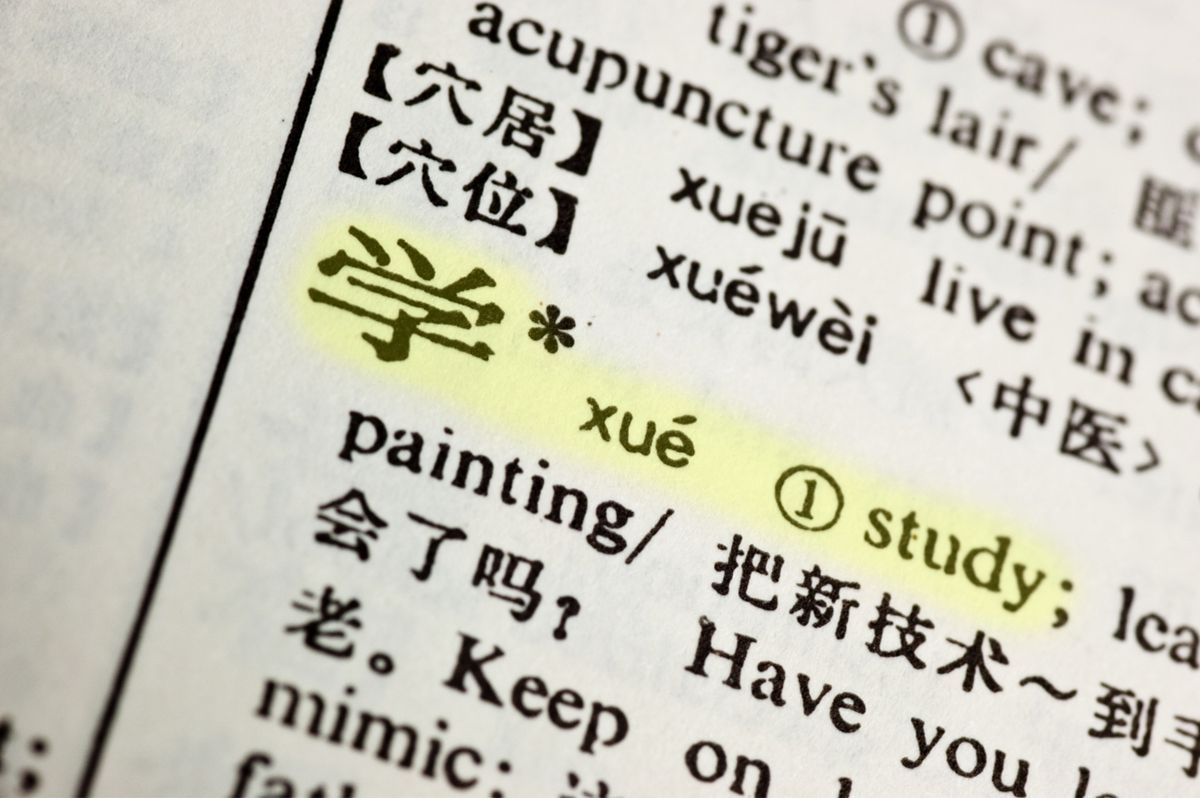
Career Opportunities with Chinese Language Skills
Learning Chinese opens doors to numerous career opportunities, especially in global business, trade, and diplomacy. China's growing economy makes it a valuable skill for professionals.
- Business: Many multinational companies seek employees fluent in Chinese to expand operations in China.
- Diplomacy: Governments value Chinese speakers for international relations and negotiations.
- Translation: High demand for translators in legal, medical, and technical fields.
Cultural Understanding and Travel Benefits
Mastering Chinese enhances cultural appreciation and makes travel in Chinese-speaking regions smoother.
- Heritage: Connects learners to China's rich history, literature, and traditions.
- Communication: Facilitates interactions with locals, improving travel experiences.
- Networking: Builds deeper relationships with native speakers.
Academic and Cognitive Advantages
Studying Chinese boosts cognitive skills and academic performance due to its unique structure.
- Memory: Improves memory retention through character recognition.
- Problem-solving: Enhances analytical thinking with tonal variations.
- Multitasking: Strengthens brain flexibility by switching between characters and pinyin.
Technological and Digital Influence
Proficiency in Chinese is valuable in the tech industry, as China leads in innovation.
- E-commerce: Platforms like Alibaba and JD.com require Chinese for global transactions.
- AI Development: China's advancements make Chinese useful for tech professionals.
- Cybersecurity: Understanding Chinese aids in navigating digital regulations.
Global Economic Impact
China's economic influence makes Chinese a strategic language for global markets.
- Trade: Facilitates negotiations in import/export industries.
- Investments: Helps in understanding market trends and opportunities.
- Supply Chain: Key for managing manufacturing and logistics in China.
Do you think Chinese is difficult to learn and why?

The Complexity of Chinese Characters
Chinese characters, or Hanzi, are often considered one of the most challenging aspects of learning the language. Unlike alphabetic systems, each character represents a unique meaning and sound, requiring memorization of thousands of symbols. Key difficulties include:
- Stroke order: Writing characters correctly demands precision in the sequence of strokes.
- Homophones: Many characters share the same pronunciation but have different meanings.
- Lack of phonetic clues: Characters often don’t provide hints about their pronunciation.
Tonal Nature of Mandarin Chinese
Mandarin is a tonal language, meaning the pitch or intonation of a word can change its meaning entirely. This poses a significant challenge for learners unfamiliar with tonal systems. Key points:
- Four main tones: Each syllable can be pronounced in four distinct tones, plus a neutral tone.
- Tone shifts: Mispronouncing a tone can lead to misunderstandings (e.g., mā (mother) vs. mà (scold)).
- Listening practice: Developing an ear for tones requires extensive exposure and repetition.
Grammar Structure Differences
While Chinese grammar is often simpler than many European languages, its differences can still be tricky. Notable features include:
- No verb conjugation: Verbs don’t change form for tense, number, or gender.
- Word order reliance: Meaning depends heavily on sentence structure (e.g., Subject-Verb-Object).
- Measure words: Nouns require specific classifiers (e.g., yī běn shū for one book).
Cultural Context and Idiomatic Expressions
Chinese is deeply tied to its culture, and many expressions don’t translate directly. Challenges include:
- Chengyu: Four-character idioms with historical or literary origins.
- Contextual usage: Phrases may carry implied meanings not obvious to learners.
- Formality levels: Different registers are used in formal, casual, and written contexts.
Resources and Learning Strategies
Finding effective resources and methods is crucial for overcoming the language’s difficulties. Consider:
- Immersion: Engaging with native speakers or media accelerates learning.
- Spaced repetition: Tools like Anki help memorize characters and vocabulary.
- Structured courses: Formal classes provide systematic guidance on grammar and tones.
Frequently Asked Questions (FAQ)
What can research tell us about the most effective methods for learning Chinese?
Research can provide valuable insights into the most effective methods for learning Chinese, such as the benefits of spaced repetition, immersive learning, and contextual vocabulary acquisition. Studies show that combining listening, speaking, reading, and writing practice yields better results than focusing on just one skill. Additionally, research highlights the importance of consistent practice and exposure to authentic materials, like movies or podcasts, to improve comprehension and fluency. However, individual differences mean that no single method works universally for all learners.
What are the limitations of research in understanding how to learn Chinese?
While research offers useful guidelines, it has limitations when applied to learning Chinese. Many studies focus on short-term outcomes rather than long-term fluency, and they may not account for cultural nuances or motivational factors. Additionally, research often generalizes findings across diverse learners, ignoring personal learning styles or prior language experience. Neuroscientific studies on language acquisition are still evolving, so some claims about optimal learning strategies remain theoretical rather than proven.
Can research predict how long it takes to become fluent in Chinese?
Research can provide rough estimates, such as the Foreign Service Institute’s suggestion that achieving proficiency in Chinese takes approximately 2,200 class hours for English speakers. However, these estimates vary widely based on factors like prior language experience, study intensity, and immersion. Fluency is subjective, and research cannot account for individual differences in cognitive abilities or dedication. While studies offer benchmarks, they cannot guarantee a specific timeline for every learner.
Does research support the idea that some people are naturally better at learning Chinese?
Research suggests that certain cognitive traits, such as strong memory or auditory processing skills, can make learning Chinese easier for some individuals. However, natural talent is not the sole determinant of success. Studies emphasize that consistent effort, effective strategies, and motivation play a far greater role in language acquisition. While some learners may progress faster due to innate abilities, research confirms that anyone can achieve proficiency with the right approach and persistence.
Leave a Reply
Related Posts