
Learn Chinese in 6 Months? (The Truth) - How Far Can You Really Get?

Learning Chinese in just six months sounds like an ambitious goal, but how far can you really get? With its complex characters, tonal pronunciation, and intricate grammar, Mandarin Chinese is often considered one of the most challenging languages for English speakers. Yet, with focused study, immersive practice, and the right strategies, significant progress is possible. This article explores what you can realistically achieve in half a year—whether it’s basic conversations, reading simple texts, or understanding everyday phrases. We’ll break down the milestones, effective learning methods, and common pitfalls to help you set achievable expectations. Ready to uncover the truth? Let’s dive in.
Is It Really Possible to Learn Chinese in 6 Months? The Honest Answer
Learning Chinese in just six months is an ambitious goal, but how far can you actually get? While achieving fluency in such a short time is unlikely, you can make significant progress with the right methods, consistent practice, and immersion. The key factors include your prior language experience, daily study time, and learning strategies. Below, we break down realistic expectations and milestones for learning Chinese in six months.
1. What Level of Chinese Can You Achieve in 6 Months?
In six months, a dedicated learner can reach a basic conversational level (around HSK 2 or HSK 3). This means:
- Understanding simple sentences and common phrases.
- Holding basic conversations about daily topics (e.g., shopping, introductions).
- Recognizing 300-600 words and some essential grammar structures.
| Time Invested Daily | Expected Proficiency |
|---|---|
| 1 hour | Basic phrases, limited conversations |
| 2-3 hours | HSK 2-3 (simple dialogues) |
| 4+ hours | HSK 3+, better comprehension |
2. The Best Study Methods for Fast Progress
To maximize progress in six months, focus on:
- Spaced repetition (SRS) tools like Anki for vocabulary.
- Listening practice (podcasts, YouTube, Chinese TV).
- Speaking daily with tutors or language partners.
- Prioritizing high-frequency words (e.g., hello, thank you, how much?).
| Method | Effectiveness |
|---|---|
| Flashcards (Anki) | High (vocabulary retention) |
| Conversation practice | Critical (speaking fluency) |
| Immersion (movies, music) | Moderate (listening skills) |
3. Common Challenges When Learning Chinese Quickly
Learning Chinese rapidly comes with hurdles:
- Tones (mispronunciation can change meanings).
- Characters (memorizing Hanzi takes time).
- Grammar differences (no verb conjugations but measure words).
| Challenge | Solution |
|---|---|
| Tones | Practice with native speakers |
| Characters | Learn radicals first |
| Grammar | Focus on sentence patterns |
4. How Much Time Should You Dedicate Daily?
Your daily study time drastically affects results:
- 1 hour/day: Slow progress, basic phrases.
- 2-3 hours/day: Noticeable improvement in 6 months.
- 4+ hours/day: Faster comprehension and speaking ability.
| Daily Study | Outcome in 6 Months |
|---|---|
| 30 minutes | Very limited progress |
| 1-2 hours | Basic conversations |
| 3+ hours | Intermediate understanding |
5. Realistic Goals for Learning Chinese in 6 Months
Set achievable milestones to stay motivated:
- Month 1-2: Master pinyin, tones, and 100+ words.
- Month 3-4: Build simple sentences, understand basic dialogues.
- Month 5-6: Hold short conversations, recognize 300+ characters.
| Timeline | Goal |
|---|---|
| First 2 Months | Pronunciation & basic vocab |
| Months 3-4 | Sentence formation |
| Months 5-6 | Conversational practice |
How long does it realistically take to learn Chinese?
Factors Influencing the Time to Learn Chinese
The time it takes to learn Chinese varies based on several factors. Here are the most influential ones:
See AlsoLearning to hear the sounds and tones in Mandarin- Prior language experience: Knowing other tonal languages (e.g., Vietnamese or Thai) can speed up learning.
- Study intensity: Dedication matters—full-time learners progress faster than casual ones.
- Learning methods: Immersion programs yield quicker results than self-study alone.
Basic Proficiency: Reaching HSK 1-2
Achieving basic conversational skills (HSK 1-2) typically requires:
- 3–6 months with consistent daily practice (1–2 hours).
- Mastery of 150–300 words and simple sentence structures.
- Focus on pinyin and tones to build a foundation.
Intermediate Level: HSK 3-4
Attaining intermediate fluency (HSK 3-4) generally takes:
- 1–2 years of structured learning.
- 1,200–2,500 words and comprehension of more complex grammar.
- Regular speaking practice to improve fluency and listening skills.
Advanced Fluency: HSK 5-6
Reaching advanced proficiency (HSK 5-6) often demands:
- 3–5 years of dedicated study and immersion.
- 2,500–5,000+ words, including idioms and formal expressions.
- Cultural understanding to grasp nuances in communication.
Native-Like Mastery
Achieving near-native fluency may require:
- 5+ years of immersion in a Chinese-speaking environment.
- Mastery of regional dialects (e.g., Cantonese or Shanghainese) if needed.
- Continuous practice to refine accent and advanced vocabulary.
Is learning Chinese worth it in 2025?

Economic Opportunities in 2025
Learning Chinese in 2025 can open doors to significant economic opportunities, especially as China continues to grow as a global economic powerhouse. Here’s why:
- China's GDP is projected to remain among the highest globally, creating demand for bilingual professionals.
- Many multinational companies seek employees who speak Mandarin to facilitate business in Asia.
- Industries like technology, trade, and finance highly value Chinese language skills.
Cultural and Travel Benefits
Mastering Chinese enriches cultural understanding and enhances travel experiences in Mandarin-speaking regions. Key advantages include:
- Easier communication in China, Taiwan, and Singapore, where Mandarin is widely spoken.
- Deeper appreciation of Chinese history, literature, and traditions.
- Access to local networks and opportunities often unavailable to non-speakers.
Technological Advancements and Language Learning
With AI and language apps evolving, learning Chinese in 2025 may be more efficient than ever. Consider these points:
- AI-powered tools like chatbots and tutors can accelerate fluency.
- Apps such as Duolingo, HelloChinese, and Pleco offer interactive learning methods.
- Virtual reality (VR) may provide immersive language practice in simulated environments.
Competitive Edge in the Job Market
Proficiency in Chinese can set you apart in a competitive global job market. Here’s how:
- Many employers prioritize candidates with bilingual skills for roles in international business.
- Industries like diplomacy, journalism, and academia value Mandarin speakers.
- China’s Belt and Road Initiative creates demand for professionals familiar with the language.
Challenges of Learning Chinese
While beneficial, learning Chinese presents unique challenges to consider:
- The writing system (characters) requires significant memorization and practice.
- Tonal pronunciation can be difficult for non-native speakers to master.
- Regional dialects and slang may complicate comprehension beyond standard Mandarin.
Can you be fluent in Chinese in a year?
Is It Possible to Achieve Fluency in Chinese in One Year?
Achieving fluency in Chinese within a year is extremely challenging but not impossible, depending on your dedication, learning methods, and prior experience with languages. Here are key factors to consider:
- Time investment: Fluency requires daily, intensive study—often 4+ hours per day.
- Immersion: Living in a Chinese-speaking environment accelerates progress.
- Prior language skills: Experience with tonal languages (e.g., Vietnamese) may help.
What Does Fluency in Chinese Actually Mean?
Fluency is subjective, but for Chinese, it typically means:
- Conversational mastery: Holding discussions on everyday topics.
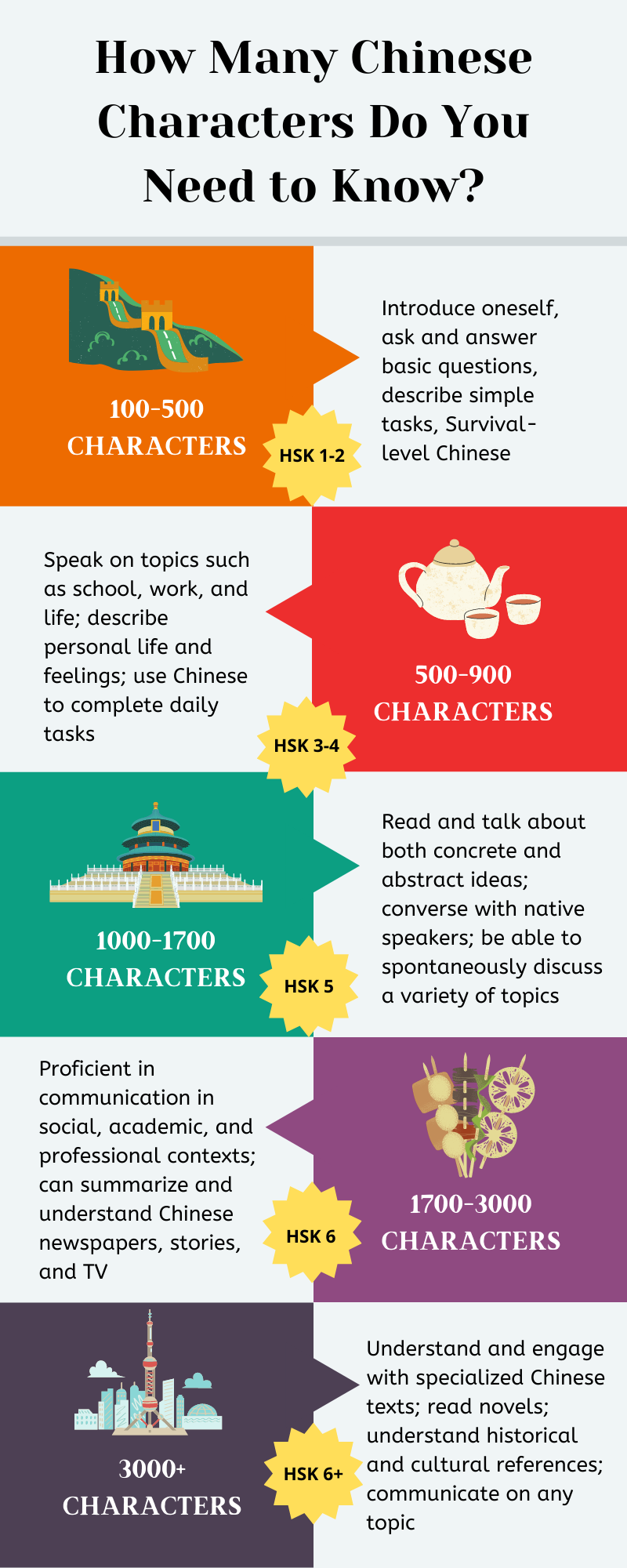
- Reading/writing: Recognizing 2,500+ characters for basic literacy.
- Listening comprehension: Understanding native speakers at natural speed.
Key Challenges of Learning Chinese in 12 Months
Chinese presents unique hurdles that make a one-year timeline difficult:
- Tones: Mandarin’s 4 tones require precise pronunciation.
- Characters: Memorizing thousands of logograms is time-consuming.
- Grammar nuances: Particles like 了 (le) and 的 (de) demand practice.
Effective Strategies to Accelerate Chinese Learning
To maximize progress in a year, adopt these strategies:
- Spaced repetition: Use apps like Anki for character retention.
- Language partners: Practice daily with native speakers online or in person.
- Media immersion: Watch Chinese TV, listen to podcasts, and read simple news.
Realistic Expectations for One Year of Chinese Study
Most learners will achieve intermediate (not fluent) proficiency in a year:
- HSK 4-5: Ability to discuss work, travel, and hobbies.
- Limited literacy: Reading menus, signs, and short articles.
- Basic writing: Composing simple messages or diary entries.
Is it really hard to learn Chinese?

Why Is Chinese Considered Difficult to Learn?
Chinese is often perceived as a challenging language due to its unique writing system, tonal nature, and lack of linguistic similarities with Indo-European languages. Here are key reasons:
- Tones: Mandarin has four distinct tones, and mispronouncing them can change a word's meaning entirely.
- Characters: Unlike alphabetic systems, Chinese uses thousands of logograms, requiring memorization of strokes and radicals.
- Grammar: While simpler in some aspects (e.g., no verb conjugations), sentence structures and particles can be confusing for beginners.
How Long Does It Take to Become Proficient in Chinese?
Proficiency depends on study intensity, prior language experience, and immersion. Estimates vary:
- Basic fluency: 1–2 years of consistent study (daily practice).
- Intermediate level: 3–5 years, focusing on vocabulary and character recognition.
- Advanced mastery: 5+ years, including cultural nuances and specialized terminology.
What Are the Biggest Challenges for English Speakers?
English speakers face specific hurdles when learning Chinese:
- Pronunciation: Tones and sounds like x, q, or zh have no English equivalents.
- Writing system: Memorizing characters demands significant time and repetition.
- Cultural context: Idioms and historical references often lack direct translations.
Are There Any Advantages to Learning Chinese?
Despite its difficulty, Chinese offers unique benefits:
- Career opportunities: Mandarin is valuable in global business, diplomacy, and tech.
- Cognitive benefits: Learning characters enhances memory and pattern recognition.
- Cultural access: Direct engagement with Chinese literature, films, and history.
What Strategies Make Learning Chinese Easier?
Effective methods can reduce the learning curve:
- Immersion: Surround yourself with the language through media, apps, or travel.
- Spaced repetition: Tools like Anki help retain characters and vocabulary.
- Focus on speaking early: Prioritize tones and conversational practice over perfect writing.
Frequently Asked Questions (FAQ)
Is it really possible to learn Chinese in just 6 months?
While it's technically possible to make significant progress in Chinese within 6 months, achieving fluency is highly unlikely for most learners. The timeframe depends on factors like study intensity, prior language experience, and immersion. A dedicated learner could reach a basic conversational level, mastering essential phrases, grammar structures, and around 1,000-1,500 words. However, mastering tones, characters, and complex grammar requires much longer.
What level of Chinese can I realistically achieve in 6 months?
In 6 months, a focused learner could reach an upper beginner or lower intermediate level (HSK 2-3). This means handling everyday conversations, introducing yourself, shopping, and discussing simple topics. You’ll understand short sentences and recognize common characters, but complex dialogues or native-speed speech will still be challenging. Consistency and daily practice are critical to reaching this milestone.
What’s the most effective way to learn Chinese in 6 months?
The most effective approach combines immersion, structured study, and practice. Focus on high-frequency vocabulary and pinyin first, then gradually introduce characters. Use language apps (like Anki or HelloChinese), take 1-on-1 lessons with a tutor, and consume simple media (podcasts, children’s shows). Speaking daily—even for 10 minutes—with native speakers (via platforms like iTalki) accelerates progress. Prioritize listening and speaking over perfect writing.
What are the biggest challenges when learning Chinese in 6 months?
The biggest challenges include mastering tones (which change word meanings), memorizing characters, and understanding native speakers. Many learners struggle with the lack of grammatical similarities to English, as Chinese relies on context and particles. Time management is another hurdle—without consistent practice, progress stalls. Additionally, staying motivated when encountering plateaus is tough, especially when fluency feels distant. Setting realistic goals helps overcome these obstacles.
Leave a Reply
Related Posts