
Dealing with near-synonyms in Chinese as an independent learner

Learning Chinese as an independent learner presents unique challenges, particularly when dealing with near-synonyms—words that appear similar but carry subtle differences in meaning, usage, or connotation. These nuances can be difficult to grasp without formal instruction, leading to confusion or errors in communication. Understanding the distinctions between near-synonyms requires careful study, contextual analysis, and consistent practice. This article explores effective strategies for identifying and mastering these tricky word pairs, offering practical tips to enhance vocabulary precision. By focusing on real-life examples, usage patterns, and common pitfalls, independent learners can build confidence in choosing the right words for accurate and natural expression in Chinese.
- Strategies for Handling Near-Synonyms in Chinese as an Independent Learner
- Does Chinese have a lot of synonyms?
- What is synonymous in Chinese?
- What is the synonym of Chinese people?
-
Frequently Asked Questions (FAQ)
- How can I effectively distinguish between near-synonyms in Chinese as an independent learner?
- What resources are best for learning Chinese near-synonyms without a teacher?
- Why do near-synonyms in Chinese often confuse learners, and how can I overcome this?
- How can I practice using Chinese near-synonyms correctly in daily conversations?
Strategies for Handling Near-Synonyms in Chinese as an Independent Learner
Understanding the Concept of Near-Synonyms in Chinese
Near-synonyms in Chinese are words that share similar meanings but differ in nuance, usage, or context. For independent learners, distinguishing between them can be challenging because they often appear interchangeable at first glance. However, subtle differences in tone, formality, or collocation can significantly alter meaning. For example, 快乐 (kuàilè) and 高兴 (gāoxìng) both mean happy, but the former is more general, while the latter often describes a temporary feeling.
| Near-Synonym Pair | Key Difference |
|---|---|
| 快乐 (kuàilè) vs. 高兴 (gāoxìng) | General happiness vs. temporary joy |
| 美丽 (měilì) vs. 漂亮 (piàoliang) | Formal beauty vs. casual attractiveness |
Effective Techniques to Differentiate Near-Synonyms
To master near-synonyms, learners should use contextual learning by studying sentences where each word appears. Tools like corpus databases or language apps can provide real-world examples. Additionally, creating comparison tables helps visualize differences in meaning, grammar, and collocations. For instance, 发现 (fāxiàn) means to discover, while 发觉 (fājué) implies to become aware of, often through senses.
See AlsoApps Similar To Duolingo: Best Language Learning Alternatives| Technique | Example Application |
|---|---|
| Contextual Sentences | Compare 发现 and 发觉 in sample phrases |
| Flashcards with Usage Notes | Highlight when to use 天气 (tiānqì) vs. 气候 (qìhòu) |
Common Pitfalls When Learning Near-Synonyms
Independent learners often overgeneralize meanings, assuming interchangeable usage. Another mistake is relying solely on dictionary definitions without exploring cultural connotations. For example, 聪明 (cōngmíng) and 智慧 (zhìhuì) both relate to intelligence, but the latter carries a deeper, philosophical nuance. Misusing these can lead to awkward or incorrect expressions.
| Pitfall | Solution |
|---|---|
| Ignoring Collocations | Study word pairs like 学习 (xuéxí) + 知识 (zhīshi) |
| Neglecting Register Differences | Note formal vs. informal contexts for 父亲 (fùqīn) vs. 爸爸 (bàba) |
Resources to Aid in Near-Synonym Mastery
Utilize specialized dictionaries like Thesaurus of Chinese Synonyms or digital platforms such as Pleco with add-ons. Language exchange partners can provide native-speaker insights, while YouTube tutorials often break down tricky pairs visually. For example, videos explaining 经历 (jīnglì) vs. 经验 (jīngyàn) can clarify their distinct uses.
| Resource Type | Recommended Tool |
|---|---|
| Digital Dictionary | Pleco + Synonym Add-on |
| Interactive Practice | HelloTalk for peer corrections |
Practical Exercises to Reinforce Near-Synonym Knowledge
Engage in fill-in-the-blank exercises focusing on near-synonym choices, or write short paragraphs using both terms correctly. For example, contrast 帮助 (bāngzhù) and 帮忙 (bāngmáng) in sentences to grasp their grammatical differences (transitive vs. intransitive). Recording yourself explaining distinctions can also solidify understanding.
See AlsoGalactic Legend Duolingo: Unlocking New Language Skills| Exercise Type | Example |
|---|---|
| Sentence Correction | Identify misuse of 认识 (rènshi) vs. 知道 (zhīdào) |
| Role-Playing Scenarios | Practice 请 (qǐng) vs. 邀请 (yāoqǐng) in social contexts |
Does Chinese have a lot of synonyms?
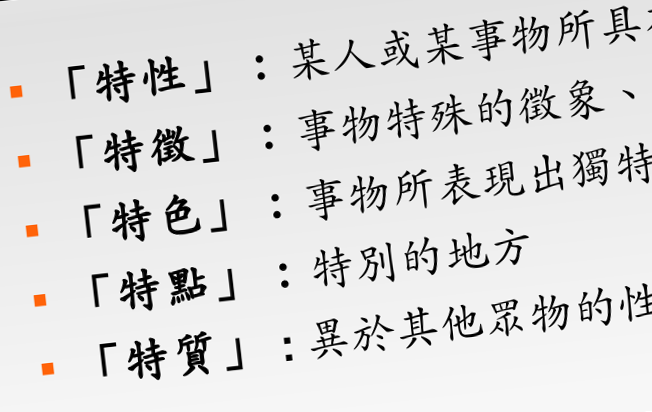
The Richness of Synonyms in Chinese
Chinese is known for its vast vocabulary and abundance of synonyms, particularly due to its long literary history and regional variations. The language often employs different words to convey subtle nuances in meaning, tone, or formality. For example:
- Formal vs. Informal: Words like 看 (kàn) and 观看 (guānkàn) both mean to watch, but the latter is more formal.
- Regional Differences: In Mandarin, 土豆 (tǔdòu) means potato, while in Taiwanese Hokkien, it’s called 馬鈴薯 (mǎlíngshǔ).
- Contextual Nuances: 美丽 (měilì) and 漂亮 (piàoliang) both mean beautiful, but the former is more poetic.
How Synonyms Enhance Chinese Expression
Synonyms in Chinese allow speakers to refine their communication based on context, audience, and intent. This linguistic flexibility is evident in:
See AlsoHow To Become Fluent In A Language: Steps to Achieve Fluency- Literature and Poetry: Classical Chinese poetry relies on synonyms to maintain rhythm and evoke imagery.
- Business and Diplomacy: Precise word choice avoids ambiguity in professional settings.
- Everyday Conversation: Synonyms help tailor speech to different social hierarchies.
Factors Contributing to Synonym Diversity
Several elements contribute to the proliferation of synonyms in Chinese:
- Historical Layering: Ancient terms coexist with modern vocabulary.
- Dialect Influence: Regional languages introduce alternative expressions.
- Loanwords: Borrowed terms from other languages add variety.
Common Examples of Chinese Synonyms
Here are some frequently encountered synonyms in Chinese:
- Big: 大 (dà) vs. 巨大 (jùdà) (enormous).
- Happy: 高兴 (gāoxìng) vs. 快乐 (kuàilè) (joyful).
- Sad: 难过 (nánguò) vs. 悲伤 (bēishāng) (sorrowful).
Challenges of Learning Chinese Synonyms
While synonyms enrich the language, they also pose difficulties for learners:
See AlsoLearn Chinese Through Song- Contextual Mastery: Knowing when to use each term requires experience.
- Subtle Differences: Some synonyms have nearly identical meanings but different connotations.
- Memory Load: Retaining multiple words for similar concepts can be overwhelming.
What is synonymous in Chinese?
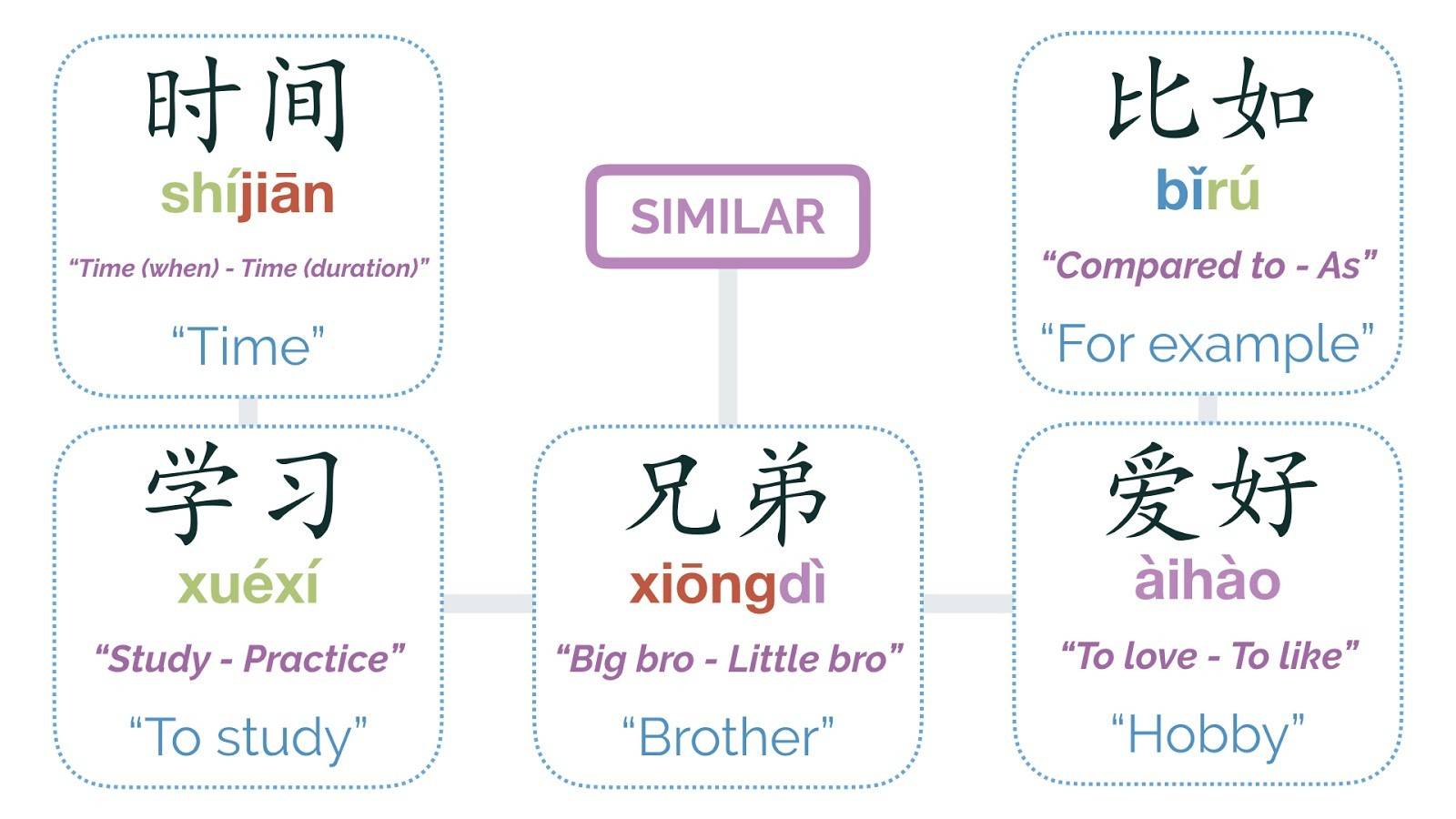
Understanding Synonyms in Chinese
In Chinese, synonyms are words or phrases that share similar meanings but may differ in nuance, tone, or usage. These are essential for enriching vocabulary and avoiding repetition in speech or writing. Here are key points about synonyms in Chinese:
- Context matters: Many synonyms are interchangeable only in specific situations.
- Formality levels: Some synonyms are more formal or literary, while others are colloquial.
- Regional variations: Certain synonyms may be preferred in Mandarin vs. Cantonese or other dialects.
Common Chinese Synonyms for Everyday Words
Chinese has numerous synonyms for basic concepts. Below are examples with subtle differences:
- Happy: 高兴 (gāoxìng) vs. 快乐 (kuàilè) – the former is more situational, the latter general.
- Big: 大 (dà) vs. 巨大 (jùdà) – the latter emphasizes enormity.
- To say: 说 (shuō) vs. 讲 (jiǎng) – the latter often implies storytelling.
Synonyms in Chinese Literature and Poetry
Chinese literary works rely heavily on synonyms for rhythm and aesthetic purposes. Key observations include:
- Classical Chinese: Uses archaic synonyms like 曰 (yuē) for say instead of modern terms.
- Poetic flexibility: Synonyms help maintain meter without altering meaning.
- Symbolism: Certain synonyms carry cultural or historical connotations.
Challenges in Translating Chinese Synonyms
Translating Chinese synonyms to English requires careful consideration due to:
- Nuance loss: English may lack equivalent subtle distinctions.
- Idiomatic usage: Some synonyms only make sense in Chinese idioms (成语).
- Tonal implications: Synonyms may convey different emotions despite similar definitions.
Tools for Learning Chinese Synonyms
To master synonyms, learners can use these resources:
- Thesauruses: Books like 《同义词词典》 focus on word distinctions.
- Apps: Pleco or Hanping offer synonym comparisons.
- Contextual practice: Reading news or novels exposes nuanced usage.
What is the synonym of Chinese people?

Common Synonyms for Chinese People
The term Chinese people can be referred to in various ways depending on context. Here are some common synonyms:
- Han Chinese: The largest ethnic group in China, often used to represent the majority.
- Chinese nationals: Refers to citizens of China, regardless of ethnicity.
- Ethnic Chinese: Encompasses people of Chinese descent worldwide, including diaspora communities.
Historical Terms for Chinese People
Throughout history, different terms have been used to describe Chinese people, some of which are now outdated or considered offensive:
- Cathayans: Derived from Cathay, an old European name for China.
- Celestials: A 19th-century term referencing China as the Celestial Empire.
- Chinamen: An archaic and offensive term, now avoided in modern usage.
Demographic Classifications of Chinese People
Chinese people can be categorized demographically based on region, language, or ethnicity:
- Mainland Chinese: People from mainland China, excluding Hong Kong, Macau, and Taiwan.
- Overseas Chinese: Refers to ethnic Chinese living outside China.
- Mandarin/Cantonese speakers: Classified by their primary Chinese dialect.
Cultural and Linguistic Synonyms
Cultural and linguistic diversity within China leads to varied synonyms for Chinese people:
- Sino-: A prefix used in terms like Sino-American to describe Chinese diaspora.
- Huaren: A Mandarin term for ethnic Chinese, often used internationally.
- Tang people: A reference to the Tang dynasty, symbolizing Chinese heritage.
Modern and Informal Synonyms
In contemporary and informal contexts, Chinese people may be referred to differently:
- Zhongguoren: The Mandarin term for Chinese person.
- ABCs (American-Born Chinese): Describes ethnic Chinese born in the U.S.
- PRC nationals: Specifically refers to citizens of the People's Republic of China.
Frequently Asked Questions (FAQ)
How can I effectively distinguish between near-synonyms in Chinese as an independent learner?
Distinguishing between near-synonyms in Chinese requires a combination of contextual learning and active usage. Start by analyzing example sentences to see how each word fits into different scenarios. Tools like corpus databases (e.g., Chinese corpora) or language apps can provide real-world examples. Additionally, pay attention to collocations—certain words pair naturally with others. For instance, 美丽 (měi lì) often describes scenery, while 漂亮 (piào liang) is more commonly used for people. Keeping a vocabulary journal with notes on subtle differences can also reinforce your understanding over time.
What resources are best for learning Chinese near-synonyms without a teacher?
As an independent learner, leverage resources like Chinese synonym dictionaries (e.g., 同义词词典), which explicitly compare similar words. Online platforms such as Pleco (with add-ons) or Line Dictionary offer detailed explanations. YouTube channels and blogs focused on Chinese linguistics can break down nuances visually. For interactive practice, apps like HelloChinese or Anki decks tailored for synonyms can help. Lastly, consuming native content—TV shows, news articles, or podcasts—exposes you to how near-synonyms are used authentically.
Why do near-synonyms in Chinese often confuse learners, and how can I overcome this?
Near-synonyms confuse learners because subtle differences in usage, register, or emotional tone aren’t always obvious. For example, 高兴 (gāo xìng) and 快乐 (kuài lè) both mean happy, but the former is more situational, while the latter implies a deeper, lasting joy. To overcome this, focus on patterns rather than isolated words. Create mnemonics or mental associations—like linking 安静 (ān jìng) to libraries (quiet) and 平静 (píng jìng) to lakes (calm). Regular self-testing through writing or speaking exercises will also sharpen your discernment.
How can I practice using Chinese near-synonyms correctly in daily conversations?
Practice by incorporating near-synonyms intentionally into your daily language use. Try rewriting sentences with alternate words and ask native speakers for feedback via platforms like HelloTalk or Tandem. Join language exchange groups to discuss differences in real-time. Another method is shadowing—repeat dialogues from movies or podcasts, noting which synonyms are used. For writing, keep a diary experimenting with near-synonyms and review it weekly. Over time, this active engagement will build intuition for choosing the right word naturally.
Leave a Reply
Related Posts