
5 of the Strangest Chinese Foods

Chinese cuisine is renowned for its bold flavors and diverse ingredients, but some dishes can be surprisingly unusual to the uninitiated. From century-old eggs to crispy scorpions, China’s culinary traditions often challenge Western expectations. Whether driven by cultural heritage, regional scarcity, or sheer creativity, these foods offer a fascinating glimpse into China’s rich gastronomic history. While some may seem bizarre at first glance, many have deep-rooted significance and are beloved by locals. For adventurous eaters, exploring these unique dishes can be an unforgettable experience. Here are five of the strangest Chinese foods that might surprise—or even intrigue—those willing to step outside their comfort zone.
5 of the Strangest Chinese Foods You Need to Try (or Avoid!)
China's culinary culture is rich and diverse, offering flavors and textures that can surprise—and sometimes shock—foreigners. From bizarre delicacies to unusual street snacks, here are five of the strangest Chinese foods that challenge conventional tastes.
1. Century Egg (皮蛋 - Pídàn)
The Century Egg, also known as the preserved egg, is a unique delicacy made by preserving duck, chicken, or quail eggs in a mixture of clay, ash, salt, quicklime, and rice hulls for weeks or months. The result is a gelatinous, dark-brown egg with a pungent aroma and a complex flavor—creamy, salty, and slightly ammonia-like.
See AlsoNew text game for Chinese learners: The Magistrate’s Gallery| Origin: | China (Ming Dynasty) |
| Texture: | Gelatinous yolk, firm egg white |
| Common Serving: | With pickled ginger or in congee |
2. Stinky Tofu (臭豆腐 - Chòu Dòufu)
Stinky Tofu is a fermented tofu dish famous for its strong odor, often compared to rotten garbage. Despite the smell, it has a crispy exterior and a soft, flavorful interior, usually served deep-fried or steamed with chili sauce.
| Origin: | Ancient China |
| Fermentation: | Weeks in a brine of milk, vegetables, and meat |
| Popular in: | Night markets |
3. Fried Scorpions (油炸蝎子 - Yóu Zhá Xiēzi)
A common street food in Beijing, fried scorpions are skewered, seasoned, and deep-fried until crispy. They have a nutty flavor and are often eaten as a snack or dare.
| Origin: | Northern China |
| Taste: | Crunchy, similar to fried shrimp |
| Nutrition: | High in protein |
4. Bird's Nest Soup (燕窝汤 - Yànwō Tāng)
Made from the saliva nests of swiftlet birds, Bird's Nest Soup is a luxurious and expensive dish believed to have health benefits, including improving skin and digestion.
See AlsoChinese Measure Words and How to Use Them| Origin: | Southern China |
| Preparation: | Slow-cooked with rock sugar |
| Price: | Up to $100 per bowl |
5. Drunken Shrimp (醉虾 - Zuì Xiā)
Drunken Shrimp involves live shrimp soaked in strong liquor (like baijiu) until they are sedated but still moving. The dish is served raw, offering a unique texture and intense flavor.
| Origin: | Shanghai & Jiangsu |
| Serving Style: | Raw with soy sauce and spices |
| Controversy: | Ethical concerns over live consumption |
What is the weirdest Chinese food?

Century Eggs (Pidan)
Century eggs, also known as preserved eggs, are a unique Chinese delicacy made by preserving duck, chicken, or quail eggs in a mixture of clay, ash, salt, quicklime, and rice hulls for weeks or months. The process turns the yolk dark green and creamy while the white becomes a translucent, dark brown jelly with a strong ammonia-like aroma. Here’s why they stand out:
See AlsoUltimate HSK 6 Vocabulary Test- Unusual preparation: The eggs undergo fermentation, breaking down proteins and fats into complex flavors.
- Distinct taste: The yolk is rich and salty, while the white has a sharp, pungent flavor.
- Cultural significance: Often served with pickled ginger or tofu as an appetizer.
Stinky Tofu (Chou Doufu)
Stinky tofu is a fermented tofu dish notorious for its overpowering odor, reminiscent of rotten garbage or sewage. Despite the smell, it’s a beloved street food, deep-fried or stewed, with a crispy exterior and soft interior. Key details:
- Fermentation process: Soaked in a brine of fermented milk, vegetables, and meat for days or weeks.
- Varieties: Regional differences include spicier versions in Hunan or milder ones in Taiwan.
- Popular serving styles: Often paired with chili sauce or pickled cabbage.
Chicken Feet (Fengzhua)
Chicken feet are a common snack in China, typically braised, steamed, or deep-fried. The texture—gelatinous and chewy—can be off-putting to outsiders, but they’re rich in collagen. Highlights:
- Texture: The skin and tendons become tender after slow cooking.
- Flavor profiles: Often seasoned with black bean sauce, chili, or soy sauce.
- Dining etiquette: Eaten by nibbling around the bones.
Scorpions on a Stick
Found in night markets like Beijing’s Wangfujing, fried scorpions are a shocking but crunchy snack. Though not traditionally Chinese, they’ve become a novelty for tourists. Notable facts:
See AlsoShould you learn Chinese vocabulary from lists?- Preparation: Scorpions are skewered and deep-fried until crispy.
- Taste: Mildly nutty, with a texture similar to prawn shells.
- Safety: Venom is neutralized during cooking, making them harmless.
Drunken Shrimp
Drunken shrimp is a live dish where freshwater shrimp are soaked in strong liquor (like baijiu) and eaten while still moving. The alcohol “drunks” the shrimp, numbing them before consumption. Key points:
- Controversy: Considered cruel by some due to the shrimp being eaten alive.
- Flavor: The shrimp taste sweet and fresh, with a hint of alcohol.
- Regional variations: Some versions briefly cook the shrimp after marinating.
What are the 5 most popular foods in China?
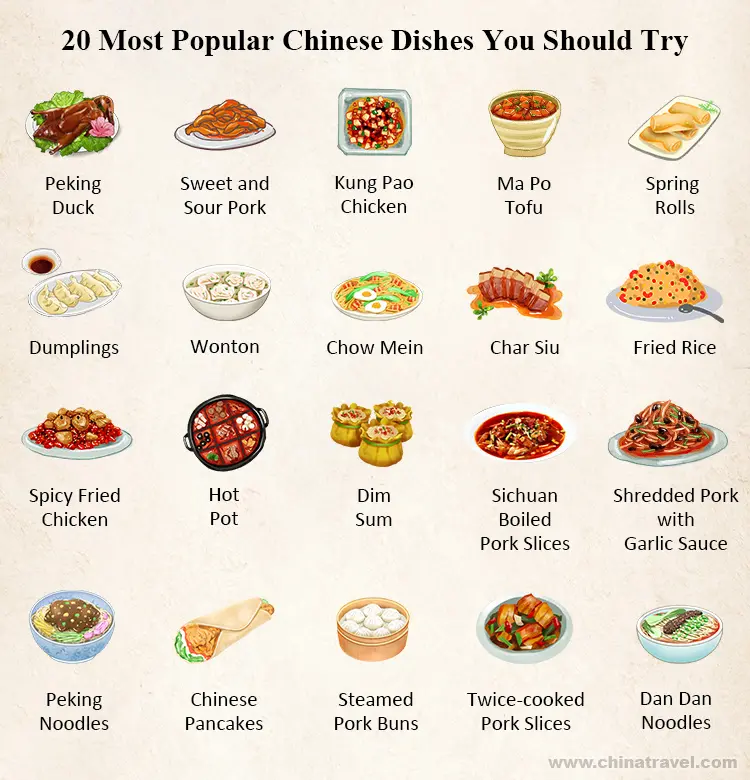
1. Peking Duck (Beijing Roast Duck)
Peking Duck is one of China's most iconic dishes, originating from Beijing. The dish is renowned for its crispy skin and tender meat, often served with thin pancakes, hoisin sauce, and scallions. Here’s why it’s so popular:
See AlsoChineasy Cards Review - Believe The Hype or Major Flop?- Historical significance: Dating back to the Ming Dynasty, it was once a royal dish.
- Preparation: The duck is air-dried, glazed, and roasted in a special oven for a unique flavor.
- Serving style: Sliced tableside and assembled into wraps by diners.
2. Hot Pot (Huǒguō)
Hot Pot is a communal dining experience where ingredients are cooked in a simmering broth at the table. It varies by region but remains a nationwide favorite. Key aspects include:
- Broth varieties: Spicy Sichuan, mild mushroom, or tomato-based.
- Ingredients: Thinly sliced meats, leafy greens, tofu, and noodles.
- Social aspect: Encourages shared meals and interaction.
3. Dim Sum
Dim Sum, a Cantonese tradition, consists of small bite-sized dishes served in steamer baskets or plates. Popular for brunch, it includes:
- Dumplings: Har gow (shrimp) and siu mai (pork).
- Buns: Char siu bao (barbecue pork buns).
- Desserts: Egg tarts and mango pudding.
4. Kung Pao Chicken (Gōngbǎo Jīdīng)
Kung Pao Chicken is a spicy stir-fry dish from Sichuan province. Its bold flavors make it a global favorite. Highlights:
- Key ingredients: Chicken, peanuts, chili peppers, and Sichuan peppercorns.
- Flavor profile: Sweet, savory, and numbing spice (málà).
- Versatility: Adapted in Western Chinese cuisine with less heat.
5. Dumplings (Jiǎozi)
Dumplings are a staple in Chinese cuisine, especially during Lunar New Year. They symbolize prosperity and come in many forms:
- Fillings: Pork, shrimp, or vegetarian options like chive and egg.
- Cooking methods: Boiled, pan-fried (potstickers), or steamed.
- Cultural importance: Often made as a family activity.
What are the unconventional Chinese foods?
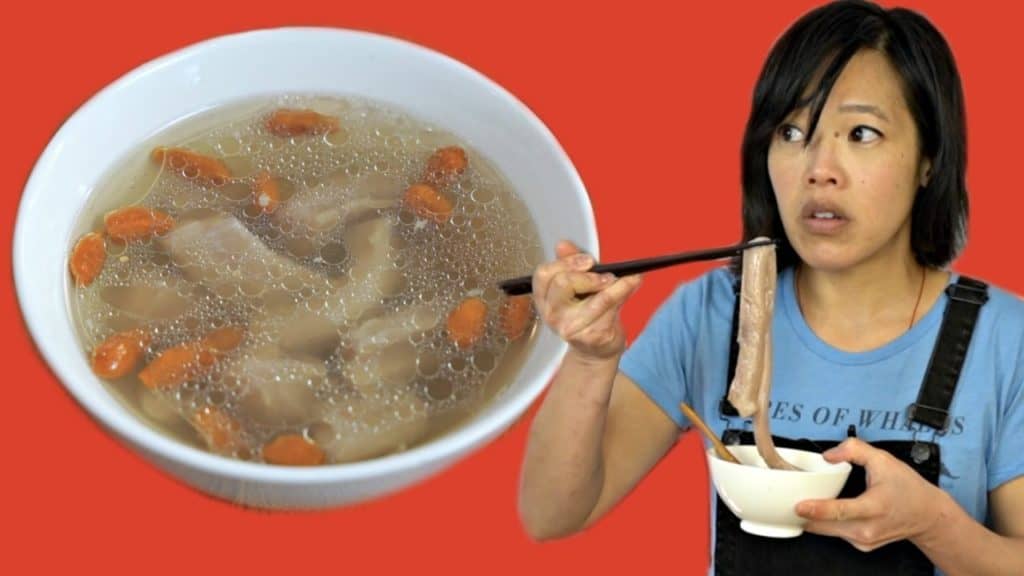
Unusual Meat-Based Chinese Dishes
China is known for its diverse meat dishes, some of which may seem unconventional to outsiders. These dishes often utilize parts of animals that are rarely consumed in other cuisines.
- Chicken feet: A popular dim sum item, braised or steamed with spices.
- Pig's blood cake: A Taiwanese street food made from pork blood and sticky rice.
- Scorpion skewers: Deep-fried scorpions served on sticks, commonly found in night markets.
Exotic Insect Delicacies
Insects are protein-rich and have been part of Chinese culinary traditions for centuries, especially in rural areas.
- Silkworm pupae: Boiled or fried, often seasoned with chili and garlic.
- Fried grasshoppers: Crispy snacks flavored with Sichuan peppercorns.
- Bee larvae omelette: A nutritious dish combining eggs with bee larvae.
Unique Seafood Selections
China's coastal regions offer some seafood choices that might surprise foreign visitors.
- Drunken shrimp: Live shrimp served in alcohol to drunken them before eating.
- Sea cucumber: A gelatinous delicacy prized for its texture in banquets.
- Thousand-year eggs: Duck eggs preserved in clay and ash for months, developing a strong flavor.
Uncommon Vegetable Preparations
Even vegetarian dishes in China can be surprising in their ingredients or preparation methods.
- Stinky tofu: Fermented tofu with a pungent odor but beloved flavor.
- Bitter melon: Often stir-fried despite its intense bitter taste.
- Lotus root with duck webs: An unusual combination of vegetable and poultry feet.
Bizarre Street Food Finds
Chinese street markets offer some of the most unconventional quick bites.
- Fried starfish: A crunchy snack sometimes sold in coastal areas.
- Snake soup: Believed to have medicinal properties in Cantonese cuisine.
- Donkey meat burgers: A specialty in some northern Chinese cities.
What are the 5 key Flavours in Chinese food?

The five key flavours in Chinese cuisine are sweet, sour, salty, bitter, and spicy. These flavours are fundamental to achieving balance and harmony in dishes, reflecting the principles of traditional Chinese medicine and culinary philosophy.
- Sweet: Often derived from sugar, honey, or fruits, this flavour adds richness and counteracts strong tastes.
- Sour: Achieved with vinegar or citrus, it provides a tangy contrast and stimulates appetite.
- Salty: Essential for enhancing other flavours, commonly from soy sauce, salt, or fermented products.
- Bitter: Found in ingredients like bitter melon or certain herbs, it adds depth and is believed to have cooling properties.
- Spicy: Introduced through chili peppers or Sichuan peppercorns, it adds heat and complexity.
How is Sweetness Used in Chinese Cuisine?
Sweetness in Chinese food is not just about desserts; it plays a crucial role in savory dishes too. It balances spicy or salty flavours and adds a caramelized depth in stir-fries and braised dishes.
- Common sources: Rock sugar, maltose, and fruits like lychee.
- Dishes: Sweet and sour pork, red-braised pork belly.
- Purpose: Counters heat, enriches sauces, and creates glossy finishes.
The Role of Sourness in Chinese Dishes
Sourness adds brightness and cuts through richness, making it a staple in many regional cuisines, particularly in northern and western China.
- Key ingredients: Black vinegar, rice vinegar, pickled vegetables.
- Dishes: Hot and sour soup, sweet and sour fish.
- Benefits: Aids digestion and enhances freshness.
Why is Saltiness Fundamental in Chinese Cooking?
Saltiness is the backbone of flavour enhancement in Chinese cuisine, used to elevate and harmonize other tastes.
- Sources: Soy sauce, fermented bean paste, salted fish.
- Function: Preserves food, deepens umami, and balances sweetness.
- Examples: Soy-braised dishes, salted egg yolk prawns.
How Does Bitterness Contribute to Chinese Flavours?
Though less common, bitterness is valued for its medicinal properties and ability to add complexity.
- Ingredients: Bitter melon, chrysanthemum tea, dandelion greens.
- Health aspects: Detoxifying and cooling in traditional medicine.
- Usage: Often paired with strong flavours like garlic or fermented sauces.
The Impact of Spiciness in Chinese Food
Spiciness varies by region, from the fiery heat of Sichuan to the milder warmth of Hunan cuisine.
- Components: Chili oil, Sichuan peppercorns, fresh peppers.
- Effects: Numbing (ma la) sensation, appetite stimulation.
- Signature dishes: Mapo tofu, Chongqing hot pot.
Frequently Asked Questions (FAQ)
What are some of the strangest Chinese foods that foreigners might find unusual?
China boasts a rich culinary tradition, and some dishes can be quite surprising to foreigners. Century eggs, also known as preserved eggs, are a prime example—they undergo a fermentation process that turns the yolk dark green and gives them a strong, pungent flavor. Another unusual dish is stinky tofu, which has a potent odor but is beloved for its crispy texture and deep taste. Chicken feet, often braised or steamed, are a popular snack despite their bony nature. Scorpions on a stick, commonly found in night markets, are fried and eaten whole. Lastly, duck blood soup, made with congealed duck blood, is a delicacy in some regions.
Why do Chinese people eat foods like century eggs or stinky tofu?
Many of these foods have deep cultural and historical roots. Century eggs were originally preserved as a way to extend shelf life without refrigeration, and their unique taste has become a cherished part of Chinese cuisine. Stinky tofu is fermented, a process that enhances umami flavors, much like cheese in Western cultures. These dishes are often associated with nostalgia and regional pride. Additionally, Chinese culinary philosophy values texture and contrast, which explains why foods like chicken feet (valued for their gelatinous skin) or duck blood (prized for its smooth texture) remain popular.
Are these strange Chinese foods safe to eat?
Yes, when prepared properly, these foods are generally safe. Century eggs are cured in a mixture of clay, ash, and lime, which raises the pH level and prevents harmful bacteria. Stinky tofu undergoes controlled fermentation, similar to dairy products like blue cheese. Street food items like scorpions are typically deep-fried, killing any potential pathogens. However, it's always wise to consume these dishes from reputable vendors to ensure hygiene standards. Those with allergies or sensitivities should exercise caution, especially with exotic ingredients.
Where can travelers try these unusual Chinese foods?
Many of these dishes are widely available across China. Night markets, such as those in Beijing or Shanghai, are great places to sample scorpions or stinky tofu. Traditional restaurants often serve duck blood soup or chicken feet as part of their menus. For century eggs, local supermarkets or specialty stores usually carry them. Some adventurous eateries in major cities even cater to tourists by offering tasting platters of these unique foods. Always ask locals for recommendations to find the most authentic experiences.
Leave a Reply
Related Posts