
Is it the Year of the Sheep, Ram or Goat?

The Chinese zodiac’s eighth sign is often a topic of debate: Is it the Year of the Sheep, Ram, or Goat? While the animal is universally represented by the character 羊 (yáng) in Mandarin, its interpretation varies across cultures and languages. In English-speaking regions, it’s commonly called the Year of the Sheep, but some argue for Ram or Goat due to differing translations and cultural symbolism. This ambiguity stems from the broad meaning of yáng, which encompasses all three animals. Exploring these interpretations reveals fascinating insights into how language and tradition shape our understanding of the zodiac. So, which one is correct? The answer may depend on who you ask.
-
Is it the Year of the Sheep, Ram, or Goat? Understanding the Chinese Zodiac
- The Symbolism Behind the Sheep, Ram, and Goat in Chinese Culture
- Historical Origins of the Sheep/Ram/Goat in the Chinese Zodiac
- How Different Countries Interpret the Year of the Sheep/Ram/Goat
- Personality Traits of Those Born in the Year of the Sheep/Ram/Goat
- Celebrating the Year of the Sheep/Ram/Goat: Traditions and Customs
- Is it the Year of the Goat or ram?
- Is 2015 the Year of the Goat or sheep?
-
Is Chinese zodiac sheep and goat the same?
- Are the Sheep and Goat the Same in the Chinese Zodiac?
- How Does the Chinese Zodiac Define the Sheep/Goat Sign?
- What Are the Cultural Differences in Interpreting the Sheep vs. Goat?
- Do Sheep and Goat Have Different Symbolic Meanings in the Zodiac?
- How Do Western and Eastern Views Differ on the Sheep/Goat Zodiac?
-
Frequently Asked Questions (FAQ)
- What is the difference between the Year of the Sheep, Ram, and Goat in the Chinese zodiac?
- Why does the Chinese zodiac sometimes refer to the Year of the Sheep, Ram, or Goat interchangeably?
- How do cultural interpretations influence whether it's called the Year of the Sheep, Ram, or Goat?
- Does the choice between Sheep, Ram, or Goat affect the zodiac's predictions for the year?
Is it the Year of the Sheep, Ram, or Goat? Understanding the Chinese Zodiac
The Symbolism Behind the Sheep, Ram, and Goat in Chinese Culture
In the Chinese zodiac, the eighth animal sign is often referred to as the Sheep, Ram, or Goat, depending on cultural interpretations. This ambiguity arises because the Chinese character 羊 (yáng) broadly represents all three animals. The Sheep symbolizes gentleness and harmony, while the Ram embodies leadership and determination. The Goat is associated with resilience and adaptability. Regional differences influence which term is used—Southern China prefers Goat, whereas Northern China leans toward Sheep.
| Animal | Symbolism | Regional Preference |
|---|---|---|
| Sheep | Gentleness, Harmony | Northern China |
| Ram | Leadership, Determination | Less Common |
| Goat | Resilience, Adaptability | Southern China |
Historical Origins of the Sheep/Ram/Goat in the Chinese Zodiac
The inclusion of 羊 (yáng) in the Chinese zodiac dates back to ancient legends. One popular myth involves the Jade Emperor holding a race to determine the zodiac order. The Sheep/Ram/Goat teamed up with the Monkey and Rooster, crossing the river together on a raft, earning their places. Historically, the animal's representation varied by dynasty—Tang Dynasty artworks often depicted it as a Ram, while Qing Dynasty texts favored the Goat.
See AlsoWhatsApp vs WeChat || Who Wins?| Dynasty | Depiction |
|---|---|
| Tang Dynasty | Ram |
| Qing Dynasty | Goat |
How Different Countries Interpret the Year of the Sheep/Ram/Goat
Outside China, the interpretation of 羊 (yáng) varies. In Vietnam, the zodiac skips this sign entirely, replacing it with the Buffalo. In Japan and Korea, the term Sheep is most common. Western cultures often use Ram due to its association with assertiveness. These differences highlight how cultural context shapes zodiac symbolism.
| Country | Interpretation |
|---|---|
| China | Sheep/Ram/Goat |
| Vietnam | Buffalo |
| Japan/Korea | Sheep |
Personality Traits of Those Born in the Year of the Sheep/Ram/Goat
People born under this sign are often described as compassionate, artistic, and reserved. They value peace and avoid conflict. However, they can also be indecisive or pessimistic. Careers in creative arts, healthcare, or education suit them well. The element (Wood, Fire, Earth, Metal, Water) further refines these traits.
| Positive Traits | Negative Traits |
|---|---|
| Compassionate | Indecisive |
| Artistic | Pessimistic |
Celebrating the Year of the Sheep/Ram/Goat: Traditions and Customs
During this zodiac year, celebrations emphasize family reunions and charitable acts. Decorations often feature sheep motifs, and foods like spring rolls (symbolizing wealth) are shared. In rural areas, Goat-shaped lanterns are paraded. The emphasis on harmony aligns with the sign's gentle nature.
See AlsoOutlier Chinese Character Masterclass review: Understand more, learn faster, remember longer| Tradition | Symbolism |
|---|---|
| Sheep Motifs | Peace |
| Spring Rolls | Prosperity |
Is it the Year of the Goat or ram?

The term Year of the Goat or Year of the Ram depends on the cultural interpretation of the Chinese zodiac sign 羊 (yáng), which can represent both animals. In Chinese astrology, the goat, ram, or even sheep are used interchangeably in different regions. For example:
- Mandarin-speaking regions often refer to it as the Year of the Goat.
- Cantonese or Tibetan interpretations may lean toward the Year of the Ram.
- Western translations sometimes use sheep due to the ambiguity of the character.
Is the Chinese Zodiac Sign a Goat or a Ram?
The Chinese character 羊 (yáng) is a broad term that can mean:
- Goat – Commonly used in Mandarin contexts.
- Ram – Preferred in some regional interpretations.
- Sheep – A neutral translation in Western sources.
Why Is There Confusion Between Goat and Ram?
The confusion arises because:
- Linguistic ambiguity – The character 羊 doesn’t specify the exact animal.
- Cultural differences – Rural vs. urban interpretations vary.
- Translation choices – Some languages lack distinct words for goat/ram.
How Do Different Cultures Interpret the Year of 羊?
Cultural interpretations include:
See AlsoSkritter Review (for Chinese & Japanese) - Should I Download It?- China (Mainland) – Mostly Goat.
- Hong Kong & Cantonese regions – Often Ram.
- Tibetan tradition – Sometimes Sheep.
What Are the Personality Traits of Goat vs. Ram in the Zodiac?
While both share traits, subtle differences exist:
- Goat – Peaceful, artistic, gentle.
- Ram – Determined, bold, leadership-oriented.
- Sheep – Compassionate, cooperative, nurturing.
Which Animal Is Officially Recognized in the Chinese Zodiac?
There is no strict official animal, but:
- Chinese government materials usually say Goat.
- Lunar New Year celebrations may feature either.
- Astrology experts acknowledge regional flexibility.
Is 2015 the Year of the Goat or sheep?

Is 2015 the Year of the Goat or Sheep in the Chinese Zodiac?
In the Chinese zodiac, 2015 is officially recognized as the Year of the Goat, though it is sometimes referred to as the Year of the Sheep due to translation nuances. The Chinese character 羊 (yáng) can mean both goat and sheep, leading to regional interpretations. However, most authoritative sources, including China's official celebrations, designate it as the Goat.
- The lunar calendar for 2015 began on February 19, marking the start of the Year of the Goat.
- Cultural depictions in art and media during 2015 often featured goats rather than sheep.
- Confusion arises because yáng is a broad term in Mandarin, encompassing both animals.
Why Is There Confusion Between Goat and Sheep for 2015?
The ambiguity stems from the Chinese language, where the word yáng lacks a direct English equivalent. Depending on the region or dialect, it may be interpreted as either goat or sheep. For example:
- In northern China, the term often refers to sheep due to pastoral traditions.
- In southern China, goats are more commonly associated with yáng.
- Official zodiac symbols and mascots in 2015 leaned toward goat imagery.
How Did Different Cultures Interpret the 2015 Zodiac Animal?
Global celebrations of the 2015 Chinese New Year reflected varied interpretations of the zodiac animal. Key observations include:
- Western media frequently used Year of the Sheep due to familiarity with sheep symbolism.
- East Asian communities, especially in China and Taiwan, predominantly called it the Year of the Goat.
- Some Vietnamese interpretations skipped the debate entirely, as their zodiac replaces the goat/sheep with the buffalo.
What Are the Traits Associated with the 2015 Zodiac Sign?
Those born in the Year of the Goat (or Sheep) are believed to embody specific personality traits:
- Creativity and artistic talent are common among Goat/Sheep individuals.
- They are often seen as gentle, compassionate, and reserved.
- On the downside, they may struggle with indecisiveness or pessimism.
How Was the 2015 Zodiac Celebrated Worldwide?
The 2015 Lunar New Year was marked by grand festivities, with themes reflecting the zodiac animal:
- In Beijing, lantern displays featured goat sculptures and traditional performances.
- New York City's Chinatown parade included floats with both goat and sheep motifs.
- Brands like Starbucks released limited-edition Year of the Goat merchandise.
Is Chinese zodiac sheep and goat the same?
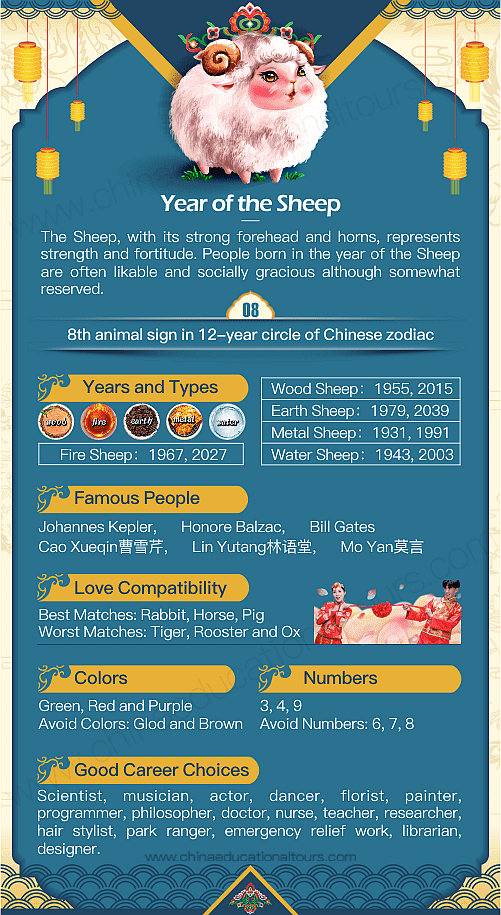
Are the Sheep and Goat the Same in the Chinese Zodiac?
In the Chinese zodiac, the Sheep (羊) and Goat are often considered the same animal due to linguistic and cultural interpretations. The Chinese character 羊 (yáng) can refer to both sheep and goats, leading to interchangeable usage in zodiac contexts. However, regional differences may influence whether people perceive it as a sheep or a goat.
- The term yáng is ambiguous and can represent both animals.
- Cultural depictions vary—some regions emphasize the sheep, while others lean toward the goat.
- Personality traits attributed to this zodiac sign remain consistent regardless of the interpretation.
How Does the Chinese Zodiac Define the Sheep/Goat Sign?
The Sheep/Goat is the eighth sign in the Chinese zodiac, symbolizing traits like gentleness, creativity, and compassion. Those born under this sign are often seen as artistic and harmonious, though they may also be perceived as indecisive or anxious.
- Represents peace and kindness in Chinese culture.
- Associated with the Earthly Branch 未 (wèi) and the hours 1–3 PM.
- Compatible with the Rabbit and Pig but clashes with the Ox.
What Are the Cultural Differences in Interpreting the Sheep vs. Goat?
Regional perspectives shape whether the zodiac sign is viewed as a sheep or a goat. In Northern China, the goat is more commonly referenced due to its agricultural significance, while Southern China and other regions may favor the sheep for its symbolic ties to prosperity.
- Goats are hardy animals, aligning with Northern China’s pastoral lifestyle.
- Sheep are linked to wealth and good fortune in traditional symbolism.
- Artistic representations (e.g., New Year decorations) may differ based on regional preferences.
Do Sheep and Goat Have Different Symbolic Meanings in the Zodiac?
Despite the linguistic overlap, sheep and goats carry slightly different symbolic meanings. The sheep often represents docility and unity, while the goat symbolizes resilience and independence. However, the zodiac traits remain unified under the yáng classification.
- Sheep: Emphasizes family and community values.
- Goat: Reflects adaptability and determination.
- Both share core zodiac characteristics like artistic talent and emotional depth.
How Do Western and Eastern Views Differ on the Sheep/Goat Zodiac?
Western astrology often separates sheep and goats into distinct symbols, whereas the Chinese zodiac merges them under one sign. Western interpretations may focus on the goat's ambitious nature (e.g., Capricorn), while the Chinese system highlights the Sheep/Goat's nurturing qualities.
- Western culture: Goats signify ambition (e.g., the scapegoat concept).
- Chinese culture: The Sheep/Goat embodies yin energy—passive and receptive.
- No equivalent zodiac sign in Western astrology blends both animals.
Frequently Asked Questions (FAQ)
What is the difference between the Year of the Sheep, Ram, and Goat in the Chinese zodiac?
The Chinese zodiac uses animals to represent each year in a 12-year cycle, and the eighth animal is often translated differently in English—either as Sheep, Ram, or Goat. The confusion arises because the original Chinese character 羊 (yáng) is a broad term that can refer to any of these horned, grazing animals. The interpretation varies by region and cultural context. In China, the Sheep is the most common translation, symbolizing peace and harmony. Meanwhile, some cultures or translations may prefer Ram (emphasizing masculinity) or Goat (highlighting resilience). Despite the differences, the core traits—gentleness, creativity, and compassion—remain consistent across interpretations.
Why does the Chinese zodiac sometimes refer to the Year of the Sheep, Ram, or Goat interchangeably?
The interchangeable use of Sheep, Ram, and Goat stems from linguistic and cultural nuances. The Chinese word 羊 (yáng) is a general term that doesn’t specify the exact species, leading to varied translations. Historical and regional influences also play a role—for example, agricultural societies may associate the year with Goats (common in mountainous areas), while urban interpretations lean toward Sheep. Additionally, Western translations sometimes adapt the term to better resonate with local audiences, hence the use of Ram (a male sheep) in certain contexts. Despite these variations, the zodiac’s symbolism of gentleness, artistry, and adaptability remains unchanged.
How do cultural interpretations influence whether it's called the Year of the Sheep, Ram, or Goat?
Cultural context heavily influences whether the year is referred to as the Sheep, Ram, or Goat. In Chinese culture, the Sheep is the dominant interpretation, reflecting values of harmony and family. However, in Tibetan or Mongolian traditions, where goats are more prevalent, the Goat may be emphasized. Similarly, in Western astrology or marketing, the term Ram might be used to convey strength or assertiveness. These differences don’t alter the zodiac’s essence but highlight how language and local symbolism shape interpretations. Ultimately, all three terms honor the same lunar year and its associated traits.
Does the choice between Sheep, Ram, or Goat affect the zodiac's predictions for the year?
No, the choice between Sheep, Ram, or Goat doesn’t change the zodiac predictions or characteristics of the year. The core attributes—such as creativity, diplomacy, and emotional sensitivity—are tied to the Chinese zodiac's underlying symbolism, not the specific animal name. Whether someone identifies with the Sheep's calmness, the Ram's leadership, or the Goat's perseverance, the yearly forecasts (like luck, career, or relationships) remain consistent. Astrologers focus on the element (e.g., Wood, Fire) and yin-yang balance of the year, which are more influential than the animal’s English translation.
Leave a Reply
Related Posts