
Ultimate HSK 6 Vocabulary Test

Preparing for the HSK 6 exam requires mastering advanced Chinese vocabulary, and the Ultimate HSK 6 Vocabulary Test is designed to challenge your proficiency. This comprehensive test evaluates your knowledge of complex words, idiomatic expressions, and nuanced terms essential for achieving fluency. Whether you're aiming to ace the exam or simply expand your linguistic skills, this assessment provides a rigorous review of high-level vocabulary. With carefully selected questions, it identifies strengths and areas for improvement, ensuring targeted study. Ideal for serious learners, this test bridges the gap between intermediate and advanced mastery, helping you confidently navigate academic, professional, and real-life Chinese communication.
Ultimate HSK 6 Vocabulary Test: Master the Most Challenging Chinese Words
The Ultimate HSK 6 Vocabulary Test is designed to evaluate your proficiency in the most advanced level of the Hanyu Shuiping Kaoshi (HSK). This test covers 5,000+ words, including complex idioms, formal expressions, and specialized terminology. Passing this exam demonstrates near-native fluency, making it essential for academic, professional, or personal growth in Mandarin Chinese. Below, we break down key aspects of this challenging test.
What Is the HSK 6 Vocabulary Test?
The HSK 6 Vocabulary Test is the highest level of the standardized Chinese proficiency exam. It assesses a candidate's ability to understand and use advanced vocabulary in reading, writing, listening, and speaking. The test includes literary expressions, technical terms, and abstract concepts, making it significantly harder than lower HSK levels.
See AlsoChineasy Cards Review - Believe The Hype or Major Flop?| Aspect | Details |
|---|---|
| Total Words | 5,000+ |
| Test Format | Listening, Reading, Writing |
| Difficulty | Advanced (C2 Level) |
Why Is HSK 6 Vocabulary So Challenging?
The HSK 6 Vocabulary Test is difficult due to its wide range of specialized terms and low-frequency words. Unlike lower levels, it includes classical Chinese phrases, formal idioms, and domain-specific jargon (e.g., legal, scientific). Many test-takers struggle with homophones, synonyms, and nuanced meanings.
| Challenge | Example |
|---|---|
| Idiomatic Expressions | 如鱼得水 (like a fish in water) |
| Technical Terms | 生态系统 (ecosystem) |
How to Prepare for the HSK 6 Vocabulary Test?
Effective preparation involves spaced repetition, contextual learning, and mock tests. Use flashcards, graded readers, and HSK 6 word lists to reinforce retention. Focus on collocations (word pairs) and sentence patterns to improve fluency.
| Method | Tool/Resource |
|---|---|
| Spaced Repetition | Anki, Pleco Flashcards |
| Mock Tests | Official HSK 6 Past Papers |
Top 5 Most Difficult Words in HSK 6
Some words in HSK 6 are notoriously hard due to their complex characters or abstract meanings. Below are five examples that often trip up learners:
See AlsoHow to use YouTube and other video platforms to learn Chinese| Word | Pinyin | Meaning |
|---|---|---|
| 尴尬 | gān gà | embarrassing |
| 矛盾 | máo dùn | contradiction |
Common Mistakes in HSK 6 Vocabulary Tests
Test-takers frequently misinterpret classical idioms, confuse homophones, or misuse formal terms. For example, mixing up 颁布 (issue a law) and 颁发 (award a prize) can lead to errors.
| Mistake | Correction |
|---|---|
| Using 安排 for plan | Use 计划 for long-term plans |
How many words are needed for HSK 6 vocabulary?
What is the HSK 6 vocabulary requirement?
The HSK 6 exam requires candidates to master approximately 5,000 words, which includes all the vocabulary from HSK levels 1 through 6. This level represents an advanced proficiency in Mandarin, allowing learners to comprehend and express complex ideas fluently.
See AlsoChinese listening ability, a matter of practice?- 5,000 words is the official benchmark for HSK 6, as set by Hanban.
- The vocabulary includes idiomatic expressions, advanced terminology, and formal language.
- Mastery of these words ensures the ability to read, write, and discuss specialized topics.
How does HSK 6 vocabulary compare to lower HSK levels?
The HSK 6 vocabulary significantly expands upon the foundational words from lower levels, incorporating specialized and nuanced terms.
- HSK 1-2 cover about 300 basic words for beginners.
- HSK 3-4 introduce around 1,200 intermediate words.
- HSK 5 adds another 2,500 words, while HSK 6 completes the set with 5,000.
What types of words are included in HSK 6 vocabulary?
The HSK 6 word list includes advanced vocabulary used in academic, professional, and literary contexts.
- Technical terms related to science, business, and culture.
- Abstract concepts like philosophy, politics, and economics.
- Synonyms and antonyms to enhance expressive precision.
How can learners effectively memorize HSK 6 vocabulary?
Memorizing 5,000 words requires structured learning techniques and consistent practice.
- Use spaced repetition tools like Anki or Pleco flashcards.
- Engage with authentic materials (news, books, podcasts).
- Practice writing essays and speaking debates to reinforce retention.
Why is HSK 6 vocabulary important for fluency?
Achieving HSK 6 proficiency signifies near-native comprehension and expression in Mandarin.
- Enables understanding of complex texts and specialized discussions.
- Facilitates professional communication in Chinese-speaking environments.
- Prepares learners for advanced studies or career opportunities in China.
Is HSK 6 equivalent to C2?
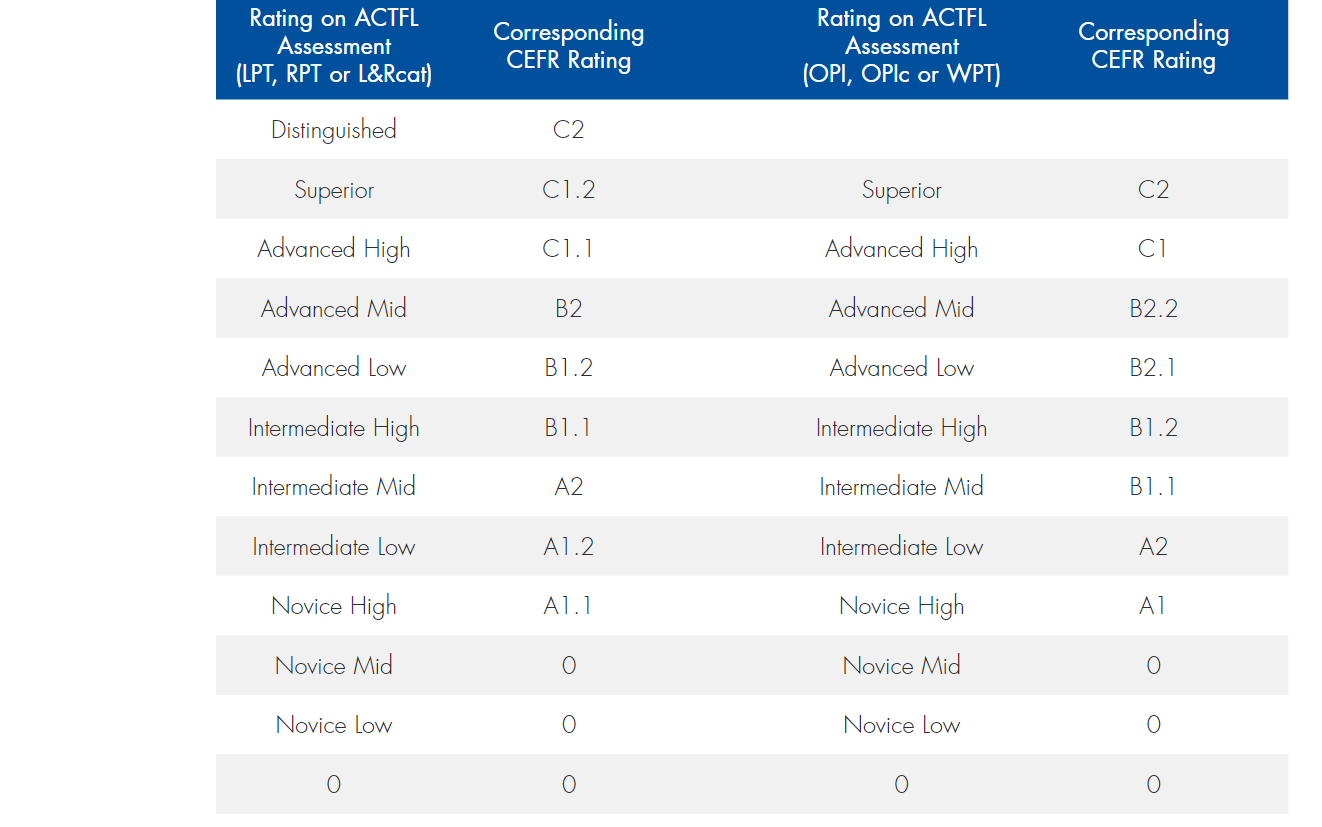
Understanding HSK 6 and CEFR C2 Levels
The HSK 6 is the highest level of the Chinese Proficiency Test, designed for learners who can comprehend and express complex ideas in Mandarin. On the other hand, CEFR C2 represents mastery of a language, including nuanced understanding and near-native fluency. While both signify advanced proficiency, they are not directly equivalent due to differences in testing focus and language structure.
- HSK 6 emphasizes reading, writing, and listening in academic and professional contexts.
- C2 assesses broader linguistic skills, including cultural and colloquial fluency.
- Mandarin's logographic system adds complexity compared to alphabetic languages tested under CEFR.
Comparing the Difficulty of HSK 6 and C2
Reaching HSK 6 requires mastering around 5,000 vocabulary words and advanced grammar, while C2 typically demands 8,000+ words in European languages. However, the cognitive load of Mandarin characters makes direct comparison challenging.
- HSK 6 candidates often focus on textual analysis and formal writing.
- C2 expects spontaneous, idiomatic speech across diverse topics.
- Testing formats differ: HSK uses standardized questions, while C2 includes interactive tasks.
Recognition of HSK 6 vs. C2 in Academic and Professional Settings
HSK 6 is widely recognized for university admissions and job requirements in China, whereas C2 is a global benchmark for language teaching and international roles. Their equivalence depends on context.
- Chinese institutions prioritize HSK scores over CEFR.
- European employers may value C2 for multilingual positions.
- Some universities provide cross-comparisons, but no official equivalence exists.
Skill-Specific Differences Between HSK 6 and C2
Speaking and creative writing are less emphasized in HSK 6 compared to C2, which evaluates real-time communication and adaptability. HSK's multiple-choice format contrasts with C2's performance-based assessments.
- HSK 6 lacks a spoken interview component (separate HSKK test exists).
- C2 requires defending opinions in debates or presentations.
- Cultural references in C2 exams are more diverse than HSK's Sinocentric content.
Can HSK 6 Holders Perform at a C2 Level?
While some HSK 6 achievers may possess C2-caliber skills, the tests measure different competencies. A learner with HSK 6 might excel in technical translations but struggle with casual slang or humor.
- Passive skills (reading/listening) often align closer than active skills (speaking/writing).
- Heritage speakers may bridge gaps more easily than classroom learners.
- Without immersion, achieving C2-like fluency post-HSK 6 requires additional practice.
How hard is it to pass HSK 6?

Understanding the HSK 6 Exam Structure
Passing HSK 6 is challenging due to its comprehensive structure. The exam tests advanced proficiency in listening, reading, and writing, requiring mastery of 5,000+ vocabulary words and complex grammar. Key aspects include:
- Listening Section: Features fast-paced dialogues and monologues, often with academic or formal content.
- Reading Section: Includes lengthy passages with sophisticated vocabulary and nuanced meanings.
- Writing Section: Demands summarizing a 1,000-character passage into 400 characters, testing clarity and precision.
Vocabulary and Grammar Requirements
The vocabulary and grammar needed for HSK 6 are significantly more advanced than lower levels. Candidates must:
- Master idiomatic expressions and colloquialisms used in formal contexts.
- Understand complex sentence structures, including passive voice and rhetorical questions.
- Recognize rare characters and specialized terminology in fields like literature or science.
Time Management and Test Strategies
Effective time management is critical for HSK 6 success. The exam is lengthy, and candidates often struggle with:
- Pacing: Allocating enough time for each section, especially the writing task.
- Skimming Skills: Quickly identifying key points in dense reading passages.
- Practice Tests: Simulating exam conditions to build stamina and accuracy.
Common Challenges Faced by Test-Takers
Many candidates find HSK 6 difficult due to:
- Listening Speed: Native speakers talk rapidly, and accents may vary.
- Reading Comprehension: Abstract or philosophical texts can be hard to interpret.
- Writing Pressure: Condensing long passages without losing meaning is demanding.
Preparation Tips for HSK 6 Success
To overcome the difficulty, focused preparation is essential. Recommended steps include:
- Daily Practice: Consume native materials like news, podcasts, and books.
- Flashcards: Drill advanced vocabulary and characters regularly.
- Mock Exams: Identify weak areas and refine strategies under timed conditions.
What is a perfect score on HSK 6?
What is the Maximum Score for HSK 6?
A perfect score on the HSK 6 exam is 300 points, which is the highest achievable mark. The test is divided into three sections, each contributing equally to the total score:
- Listening: 100 points, assessing comprehension of complex spoken Mandarin.
- Reading: 100 points, evaluating understanding of advanced written texts.
- Writing: 100 points, testing ability to summarize and compose essays.
How is the HSK 6 Scoring System Structured?
The HSK 6 scoring system is designed to measure advanced proficiency in Mandarin. Here’s how it breaks down:
- Each section (Listening, Reading, Writing) is scored independently out of 100.
- No penalties for incorrect answers, so guessing is encouraged.
- Raw scores are converted to a scaled score out of 300.
What Does a Perfect HSK 6 Score Represent?
Achieving a 300-point score signifies mastery of Mandarin at the highest level. It demonstrates:
- Fluency in understanding and responding to complex conversations.
- Advanced literacy, including nuanced vocabulary and grammar.
- Exceptional writing skills, with coherent and sophisticated expression.
How Difficult is It to Achieve a Perfect HSK 6 Score?
Earning a perfect score on HSK 6 is extremely challenging due to:
- High vocabulary requirements (5,000+ words).
- Complex listening tasks, including fast-paced dialogues.
- Demanding writing tasks, such as summarizing lengthy passages.
What Are the Benefits of Scoring Perfectly on HSK 6?
A 300-point score offers significant advantages, including:
- Academic opportunities, like admission to top Chinese universities.
- Career advantages, such as eligibility for high-level jobs in China.
- Recognition as a near-native speaker of Mandarin.
Frequently Asked Questions (FAQ)
What is the Ultimate HSK 6 Vocabulary Test?
The Ultimate HSK 6 Vocabulary Test is a comprehensive assessment designed to evaluate your mastery of the advanced vocabulary required for the HSK 6 exam, the highest level of the Chinese Proficiency Test. It covers a wide range of complex words, phrases, and idiomatic expressions that are essential for fluent communication and understanding sophisticated texts. This test is ideal for learners aiming to validate their proficiency or identify areas for improvement before taking the official exam.
How can the Ultimate HSK 6 Vocabulary Test help me prepare for the HSK 6 exam?
By taking the Ultimate HSK 6 Vocabulary Test, you can assess your readiness for the official exam and pinpoint specific vocabulary gaps. The test simulates the rigorous demands of the HSK 6, exposing you to high-level terms used in academic, professional, and literary contexts. Regular practice with this test will enhance retention, improve recall speed, and boost your confidence in tackling the exam's challenging reading and writing sections.
What types of words are included in the Ultimate HSK 6 Vocabulary Test?
The test features 2,500+ advanced words from the official HSK 6 syllabus, including abstract nouns, formal verbs, and specialized terminology from fields like politics, economics, and culture. It also incorporates synonyms, antonyms, and chengyu (Chinese idioms) to ensure a well-rounded evaluation. Each word is contextualized to reflect real-world usage, helping you understand nuances and subtle distinctions in meaning.
Is the Ultimate HSK 6 Vocabulary Test suitable for beginners or intermediate learners?
This test is specifically tailored for advanced learners who are already familiar with the foundational and intermediate vocabulary of the HSK 1–5 levels. Beginners or intermediate students may find the content overwhelming, as it assumes prior knowledge of basic grammar and common words. For those still progressing toward HSK 6, we recommend first solidifying their grasp of lower-level vocabulary before attempting this high-stakes assessment.
Leave a Reply
Related Posts