
The Language of China: Chinese Mandarin - A Comprehensive Guide

Chinese Mandarin, the official language of China, is spoken by over a billion people worldwide, making it one of the most influential languages globally. With its rich history, unique writing system, and tonal nature, Mandarin offers both challenges and rewards for learners. This comprehensive guide explores the fundamentals of Mandarin, from its pronunciation and grammar to its cultural significance. Whether you're a beginner or looking to refine your skills, understanding Mandarin opens doors to communication, business, and deeper cultural appreciation. Dive into the essentials of this fascinating language and discover why mastering Mandarin is an invaluable asset in today’s interconnected world.
The Language of China: Chinese Mandarin - A Comprehensive Guide
Chinese Mandarin, also known as Standard Chinese or Putonghua, is the official language of China and one of the most widely spoken languages in the world. With over 1 billion speakers, it serves as a lingua franca across Mainland China, Taiwan, and Singapore. This guide explores its history, structure, pronunciation, writing system, and cultural significance, providing a thorough understanding for learners and linguists alike.
The Origins and History of Mandarin Chinese
Mandarin Chinese traces its roots to the Old Chinese language, evolving through Middle Chinese and Early Mandarin during the Ming and Qing dynasties. The standardization of Mandarin began in the early 20th century, with the Chinese government promoting Putonghua as the national language to unify communication across diverse dialects.
See AlsoChinese Translation Volunteers: Where To Apply| Period | Development |
|---|---|
| Old Chinese | Spoken during the Shang and Zhou dynasties (1600–256 BCE) |
| Middle Chinese | Evolved during the Sui, Tang, and Song dynasties (581–1279 CE) |
| Early Mandarin | Formed the basis of modern Mandarin (14th–19th century) |
| Modern Standardization | Officially adopted as Putonghua in the 1950s |
Key Features of Mandarin Chinese Grammar
Mandarin grammar is analytic, relying on word order and particles rather than inflection. Key features include:
- Subject-Verb-Object (SVO) structure
- Tense indicated by context or time words
- Measure words (classifiers) for nouns
- No grammatical gender or plural forms
| Feature | Example |
|---|---|
| SVO Order | Wǒ chī píngguǒ (I eat apples) |
| Measure Words | Yī gè rén (One person) |
| Particles | Le indicates completed action |
Mastering Mandarin Pronunciation: Tones and Pinyin
Mandarin is a tonal language with four main tones and a neutral tone, each altering meaning. The Pinyin system uses the Latin alphabet to transcribe sounds.
| Tone | Example (Pinyin) | Meaning |
|---|---|---|
| First Tone (ˉ) | mā | Mother |
| Second Tone (ˊ) | má | Hemp |
| Third Tone (ˇ) | mǎ | Horse |
| Fourth Tone (ˋ) | mà | Scold |
The Chinese Writing System: Characters and Strokes
Mandarin uses logographic characters (汉字 - Hànzì), each representing a morpheme or word. Characters are built from radicals and follow specific stroke orders.
See Also10 Best Resources to Learn Chinese Through News| Character | Pinyin | Meaning |
|---|---|---|
| 人 | rén | Person |
| 水 | shuǐ | Water |
| 爱 | ài | Love |
Why Learn Mandarin? Cultural and Economic Benefits
Mandarin opens doors to China's booming economy, cultural heritage, and global influence. It is essential for business, diplomacy, and academic research.
| Benefit | Impact |
|---|---|
| Career Opportunities | High demand in international trade, tech, and finance |
| Cultural Access | Understanding literature, films, and traditions |
| Global Influence | China's role in politics and innovation |
What are the 3 types of Chinese language?
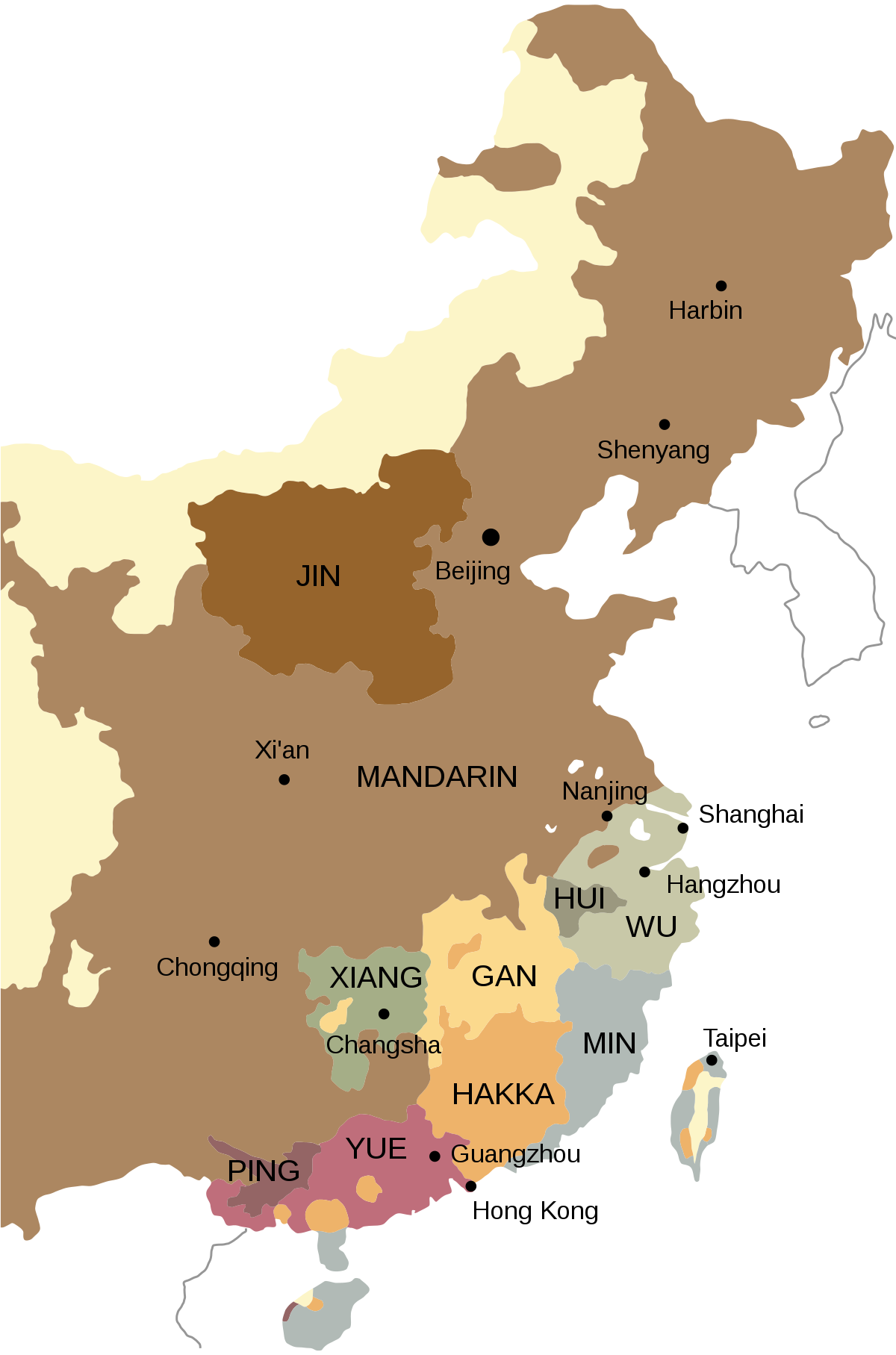
What Are the Three Main Types of Chinese Language?
The Chinese language consists of three primary forms: Mandarin, Cantonese, and Hokkien. These are distinguished by their pronunciation, vocabulary, and regional usage.
See AlsoTop Tips for Guest Etiquette in China- Mandarin (普通话, Pǔtōnghuà) is the official language of China and the most widely spoken, used in government, education, and media.
- Cantonese (广东话, Guǎngdōnghuà) is prevalent in Guangdong, Hong Kong, and Macau, known for its distinct tones and cultural influence.
- Hokkien (闽南语, Mǐnnányǔ) is spoken in Fujian, Taiwan, and Southeast Asia, with variations like Taiwanese Hokkien.
How Does Mandarin Differ from Cantonese and Hokkien?
The differences lie in pronunciation, tones, and written forms:
- Mandarin has four tones and uses simplified characters, while Cantonese has six to nine tones and often uses traditional characters.
- Hokkien retains ancient Chinese phonology and may use unique romanization systems.
- Mutual intelligibility is low; speakers of one type may not understand another.
Where Are These Chinese Languages Spoken?
Each language dominates specific regions:
- Mandarin: Mainland China, Taiwan, Singapore, and global Chinese communities.
- Cantonese: Hong Kong, Macau, Guangdong, and overseas Chinatowns.
- Hokkien: Fujian, Taiwan, Malaysia, and the Philippines.
Why Is Mandarin the Most Prominent Chinese Language?
Mandarin dominates due to:
See AlsoHow Does China Celebrate Western New Year?- Being China's official language, mandated in schools and media.
- Its role in unifying diverse linguistic groups under a single standard.
- Global economic influence, making it a key language for business.
What Are the Cultural Impacts of Cantonese and Hokkien?
These languages shape regional identity and diaspora culture:
- Cantonese: Influences Hong Kong cinema, Cantopop, and dim sum cuisine.
- Hokkien: Preserves Minnan traditions, temple rituals, and Taiwanese folk music.
- Both are vital in overseas Chinese communities, maintaining heritage.
Is Mandarin a dead language?
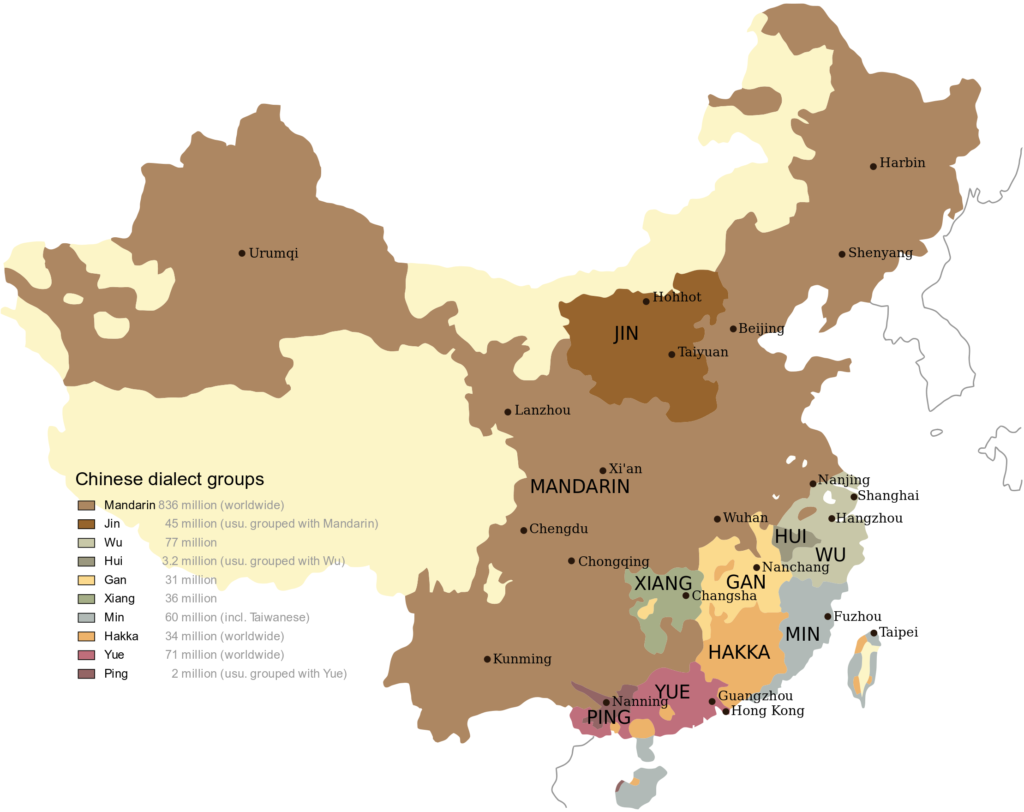
Is Mandarin Considered a Dead Language?
Mandarin is far from being a dead language. It is the most widely spoken language globally, with over 1 billion native speakers. A dead language, like Latin, has no native speakers, whereas Mandarin is the official language of China, Taiwan, and Singapore, and is actively used in education, media, and daily communication.
- Native Speakers: Mandarin has over a billion native speakers, making it the most spoken language worldwide.
- Official Status: It holds official language status in multiple countries and regions.
- Cultural Influence: Mandarin is deeply embedded in global business, diplomacy, and pop culture.
Why Do Some People Think Mandarin Is a Dead Language?
This misconception may arise from confusion between dead languages and classical forms of living languages. While Classical Chinese is no longer spoken, Modern Mandarin thrives. Some assume Mandarin is declining due to the rise of English, but this is inaccurate.
- Confusion with Classical Chinese: People may mistake Classical Chinese, a literary form, for Modern Mandarin.
- Global Dominance of English: The prominence of English leads some to underestimate Mandarin's vitality.
- Misinformation: Lack of awareness about Mandarin's widespread use contributes to this myth.
How Does Mandarin Compare to Truly Dead Languages?
Unlike Latin or Ancient Greek, Mandarin is a living language with evolving dialects, slang, and digital adaptations. Dead languages are preserved only in texts, while Mandarin is used in technology, social media, and international trade.
- Usage in Modern Life: Mandarin is used daily in speech, writing, and digital communication.
- Linguistic Evolution: It continuously adapts, incorporating new words and expressions.
- Economic Relevance: China's economic power ensures Mandarin's global importance.
What Are the Key Indicators of Mandarin's Vitality?
Mandarin's growth is evident in its educational demand, media presence, and technological integration. Universities worldwide offer Mandarin courses, and platforms like WeChat and TikTok use it extensively.
- Education: Mandarin is a popular foreign language choice in schools and universities.
- Media: Chinese films, music, and news channels reach global audiences.
- Technology: Mandarin dominates in AI, voice recognition, and e-commerce.
Will Mandarin Remain Relevant in the Future?
Given China's economic and political influence, Mandarin's relevance is likely to grow. It is a key language for international business, diplomacy, and cultural exchange, ensuring its long-term importance.
- Economic Power: China's GDP and trade partnerships reinforce Mandarin's necessity.
- Diplomatic Use: Mandarin is increasingly used in global organizations like the UN.
- Cultural Export: Chinese entertainment and literature continue to gain worldwide popularity.
Frequently Asked Questions (FAQ)
What is the difference between Chinese Mandarin and other Chinese dialects?
Chinese Mandarin, also known as Putonghua, is the official language of China and is based on the Beijing dialect. Unlike other Chinese dialects such as Cantonese, Shanghainese, or Hokkien, Mandarin is standardized and used in education, media, and government across the country. While these regional dialects can differ significantly in pronunciation, vocabulary, and even grammar, Mandarin serves as a lingua franca, enabling communication between speakers of different dialects. However, many dialects are mutually unintelligible, meaning a Mandarin speaker may not understand Cantonese without prior study.
How difficult is it to learn Chinese Mandarin for English speakers?
Learning Chinese Mandarin can be challenging for English speakers due to its tonal nature and logographic writing system. Mandarin has four tones (plus a neutral tone), and mispronouncing them can change the meaning of a word entirely. Additionally, the writing system uses characters instead of an alphabet, requiring memorization of thousands of symbols. However, Mandarin grammar is relatively simple compared to English, with no verb conjugations or gendered nouns. With consistent practice, especially in listening and speaking, many learners achieve fluency over time.
What are the best resources for learning Chinese Mandarin?
There are numerous resources available for learning Chinese Mandarin, ranging from textbooks to online platforms. Popular options include language apps like Duolingo or HelloChinese, online courses from platforms such as Coursera or Udemy, and tutoring services like iTalki. For a more immersive experience, watching Chinese TV shows, listening to Mandarin podcasts, or practicing with native speakers can greatly improve proficiency. Additionally, studying with a comprehensive guide that covers pinyin, characters, and cultural context is highly recommended.
Why is Chinese Mandarin considered an important language to learn?
Chinese Mandarin is one of the most widely spoken languages globally, with over a billion native speakers. As China's economy continues to grow, Mandarin has become increasingly important for business, diplomacy, and cultural exchange. Learning Mandarin opens up opportunities in industries like trade, technology, and tourism. Additionally, understanding the language provides deeper insights into China's rich history and culture, from classical literature to modern cinema. For those seeking to enhance their career prospects or broaden their horizons, Mandarin is a valuable skill.
Leave a Reply
Related Posts