
How Does China Celebrate Western New Year?

As the world welcomes the Western New Year, China blends its rich traditions with modern celebrations, creating a unique fusion of East and West. While the Lunar New Year remains the most significant holiday in China, Western New Year’s Eve and January 1st are increasingly marked by festive events, especially in major cities like Beijing, Shanghai, and Guangzhou. From dazzling light displays and countdown parties to special dinners and shopping discounts, the occasion reflects China’s growing global connections. Yet, even amid the excitement, local customs often shine through, offering a fascinating glimpse into how China embraces international holidays while staying true to its cultural roots.
How Does China Celebrate Western New Year?
China celebrates Western New Year (January 1st) with a mix of modern and traditional customs, blending global influences with local culture. While it is not as significant as the Chinese Lunar New Year, many urban areas embrace the occasion with festivities, decorations, and public events.
1. Public Celebrations and Fireworks
In major cities like Shanghai, Beijing, and Guangzhou, public celebrations mark Western New Year with fireworks, concerts, and light shows. Shopping districts and landmarks, such as The Bund in Shanghai, host dazzling displays. While fireworks are more common during Chinese New Year, some urban centers still use them to welcome January 1st.
See AlsoIntroducing TCB Talks: The Perfect Chinese Learning Podcast| City | Key Celebration |
|---|---|
| Shanghai | Light shows at The Bund |
| Beijing | Countdown events in Sanlitun |
| Guangzhou | Fireworks near Canton Tower |
2. Shopping and Discounts
Many malls and online retailers offer special promotions for Western New Year, similar to Black Friday sales. Brands use the occasion to attract shoppers with discounts and limited-time offers. E-commerce platforms like Alibaba and JD.com run campaigns to boost year-end sales.
| Retailer | Promotion Type |
|---|---|
| Alibaba | Flash sales on electronics |
| JD.com | Discounts on fashion |
3. Dining and Western Influences
Restaurants, especially in cosmopolitan areas, offer special New Year’s Eve dinners with Western-style menus. Many young Chinese enjoy steak, wine, and desserts as part of the celebration. International hotel chains also host gala dinners with live music.
| Dining Option | Popular Choices |
|---|---|
| Western Restaurants | Steak, champagne |
| Hotels | Buffet dinners |
4. Workplace and School Observances
While Western New Year is not an official public holiday, some companies and schools allow a day off or early dismissal. International schools and businesses with foreign ties often organize parties or small gatherings to mark the occasion.
See AlsoChinese Emperors and Empresses: Yu the Great, Founder of the Xia Dynasty| Sector | Typical Observance |
|---|---|
| Corporate | Office parties |
| Education | Cultural events |
5. Media and Entertainment
TV networks and streaming platforms air Western New Year specials, including concerts and countdown shows. Popular celebrities perform, and platforms like Bilibili and Tencent Video feature themed content.
| Platform | Content Type |
|---|---|
| Bilibili | Virtual countdown events |
| Tencent Video | Celebrity performances |
What is the difference between the Western New Year and the Lunar New Year?
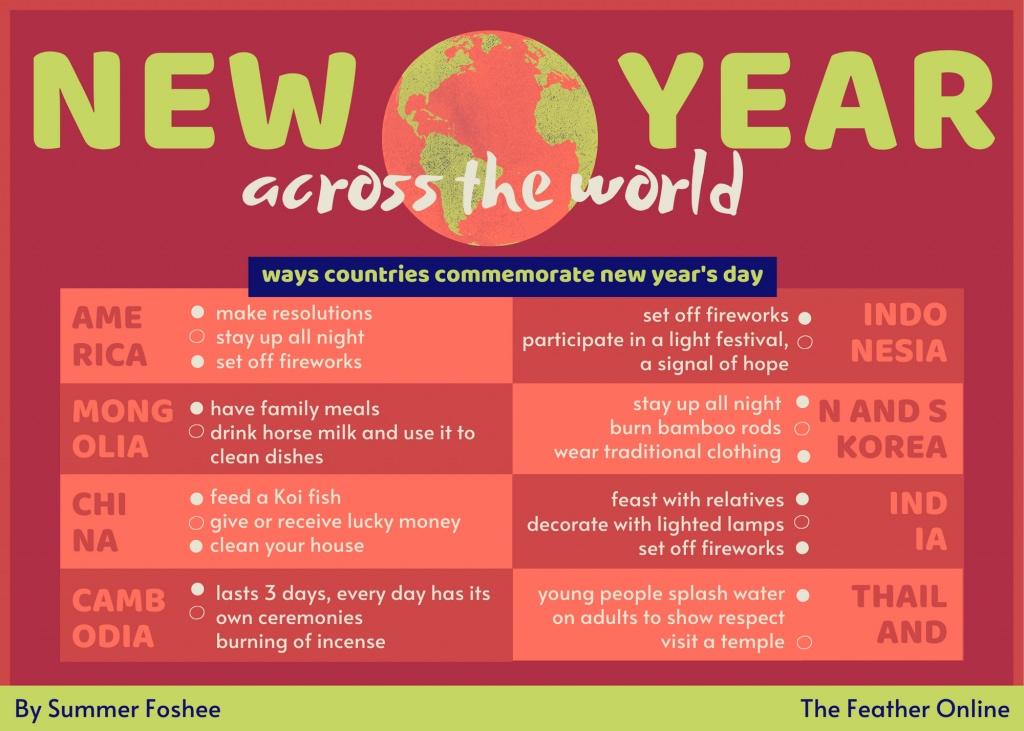
Calendar Systems: Gregorian vs. Lunar
The Western New Year follows the Gregorian calendar, a solar-based system introduced in 1582, and is celebrated on January 1st globally. In contrast, the Lunar New Year is based on the lunisolar calendar, which aligns with the moon's phases, causing its date to vary between January 21 and February 20. Key differences include:
See AlsoWhy Learning Chinese Will Boost Your CV- Gregorian calendar is fixed and solar-based.
- Lunisolar calendar combines lunar and solar cycles.
- Lunar New Year dates shift annually in the Gregorian system.
Cultural Significance and Traditions
The Western New Year is often marked by countdowns, fireworks, and resolutions, emphasizing renewal. The Lunar New Year, celebrated in many Asian cultures, involves family reunions, ancestral worship, and symbolic rituals like red envelopes (hongbao). Notable contrasts:
- Western celebrations focus on universal themes of new beginnings.
- Lunar New Year ties to cultural heritage and familial bonds.
- Unique customs like lion dances and lucky foods distinguish Lunar festivities.
Duration of Celebrations
The Western New Year typically lasts one day (January 1st), with some extending festivities to New Year's Eve. The Lunar New Year spans 15 days, culminating in the Lantern Festival. Key distinctions:
- Western observances are short-lived.
- Lunar celebrations involve multi-day rituals (e.g., cleaning, feasting).
- Each Lunar New Year day holds specific traditions (e.g., visiting relatives).
Symbolism and Iconography
The Western New Year uses symbols like clocks, champagne, and the baby/new year-old man. The Lunar New Year features zodiac animals, red decorations, and lanterns, each carrying deep meaning. Differences include:
See AlsoChinese listening strategies: An introduction- Western icons represent time and transition.
- Lunar symbols reflect prosperity, luck, and ancestral ties.
- Zodiac cycles (12-year rotation) play a central role in Lunar celebrations.
Global Observance and Regional Variations
The Western New Year is a secular, worldwide event. The Lunar New Year is deeply rooted in Asian cultures (e.g., China, Vietnam, Korea) but gains global recognition. Key points:
- Western celebrations are uniform across most countries.
- Lunar New Year customs vary by region (e.g., Tết in Vietnam, Seollal in Korea).
- Chinatowns worldwide adapt Lunar New Year to local contexts.
How is New Year celebrated in China?

Preparations for Chinese New Year
Chinese New Year, also known as Spring Festival, involves extensive preparations. Families clean their homes to sweep away bad luck and decorate with red lanterns, couplets, and paper cuttings symbolizing prosperity. Key activities include:
- Spring cleaning to remove negativity and welcome good fortune.
- Shopping for new clothes and festive foods like nian gao (sticky rice cake).
- Preparing red envelopes (hongbao) filled with money for children and unmarried adults.
Reunion Dinner on New Year's Eve
The reunion dinner is the most important meal, bringing families together. Dishes like fish (symbolizing abundance) and dumplings (representing wealth) are served. Traditions include:
- Sharing a hot pot to signify warmth and unity.
- Leaving leftovers to symbolize surplus for the coming year.
- Lighting firecrackers at midnight to scare away evil spirits.
Lion and Dragon Dances
Performances like the lion dance and dragon dance are central to celebrations, believed to bring luck. Key elements include:
- Dancers mimicking movements of lions or dragons to ward off evil.
- Accompaniment by loud drums and cymbals for energy.
- Audiences giving red envelopes to performers as a token of appreciation.
Visiting Temples and Ancestors
Many visit temples to pray for blessings or honor ancestors. Common practices are:
- Burning incense and offering food to deceased relatives.
- Making donations to temples for good karma.
- Avoiding negative words or actions to maintain auspiciousness.
Lantern Festival
The 15th day marks the Lantern Festival, ending the New Year celebrations. Highlights include:
- Lighting and releasing lanterns for wishes and prayers.
- Eating yuanxiao (sweet glutinous rice balls) for family unity.
- Solving riddles written on lanterns for fun and intellectual challenge.
What is the difference between Chinese New Year and Lunar New Year?
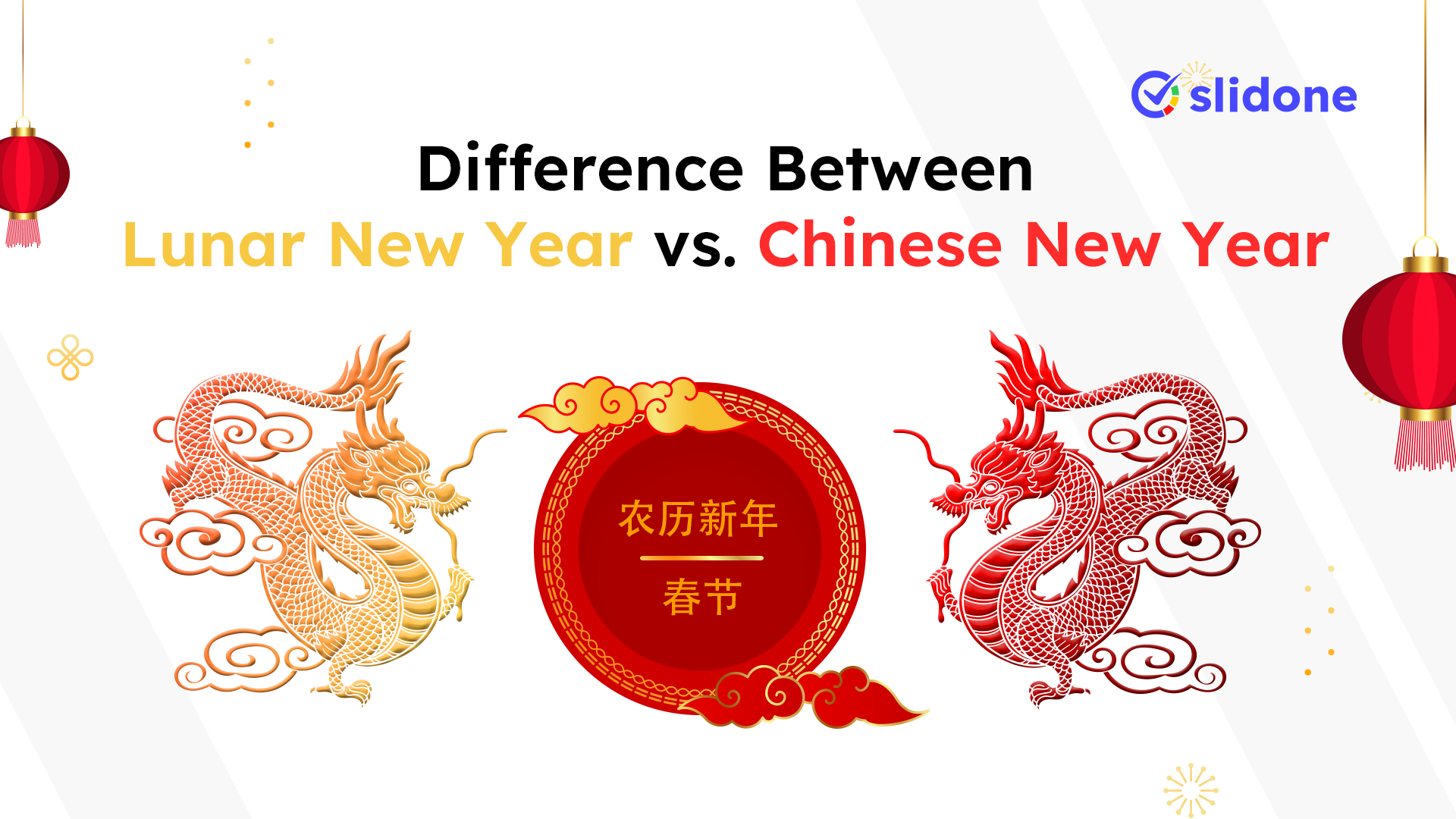
Terminology and Cultural Context
The terms Chinese New Year and Lunar New Year are often used interchangeably, but they have distinct meanings. Chinese New Year specifically refers to the celebration in Chinese culture, marking the beginning of the new year according to the traditional Chinese lunisolar calendar. On the other hand, Lunar New Year is a broader term encompassing celebrations in various cultures that follow the lunar or lunisolar calendar, such as Korean (Seollal), Vietnamese (Tết), and others.
- Chinese New Year is culturally specific to China and Chinese communities.
- Lunar New Year includes celebrations across multiple Asian cultures.
- The term Lunar New Year is more inclusive of non-Chinese traditions.
Calendar Systems and Dates
Both Chinese New Year and Lunar New Year are based on lunar or lunisolar calendars, but the exact dates may vary. The Chinese New Year follows the traditional Chinese calendar, which incorporates both lunar and solar calculations. Other cultures celebrating Lunar New Year may use slightly different calendar systems, leading to occasional discrepancies in dates.
- The Chinese calendar is lunisolar, adjusting for solar cycles.
- Other lunar calendars may not account for solar adjustments in the same way.
- Dates can overlap or differ by a day in some years.
Cultural Traditions and Customs
While Chinese New Year and Lunar New Year share similarities, their customs and traditions can differ significantly. Chinese New Year features practices like red envelope giving (hóngbāo), lion dances, and family reunions. Other cultures celebrating Lunar New Year have unique customs, such as Korean Sebae (bowling to elders) or Vietnamese lì xì (lucky money).
- Chinese New Year emphasizes red decorations and firecrackers.
- Korean Seollal includes ancestral rites (charye).
- Vietnamese Tết features peach blossoms and special foods.
Geographical Celebrations
The celebration of Chinese New Year is concentrated in China and Chinese diaspora communities, while Lunar New Year is observed in multiple countries. For example, Vietnam, Korea, and Mongolia have their own distinct celebrations under the umbrella of Lunar New Year, each with regional variations.
- China and its diaspora primarily celebrate Chinese New Year.
- Vietnam celebrates Tết Nguyên Đán with unique customs.
- Korea observes Seollal with traditional games and foods.
Symbolism and Zodiac Associations
Both Chinese New Year and Lunar New Year incorporate zodiac systems, but the animals and interpretations may vary. The Chinese zodiac cycles through 12 animals, while other cultures, like Vietnam, replace some animals (e.g., the rabbit with the cat). These zodiacs influence celebrations and cultural symbolism.
- The Chinese zodiac includes the rat, ox, tiger, etc.
- Vietnam’s zodiac substitutes the cat for the rabbit.
- Zodiac signs influence traditions, gifts, and predictions.
Frequently Asked Questions (FAQ)
How is Western New Year celebrated in major Chinese cities?
In major Chinese cities like Beijing, Shanghai, and Guangzhou, Western New Year (January 1st) is often celebrated with festive decorations, countdown events, and fireworks. Shopping malls and streets are adorned with lights and Christmas-like ornaments, blending Western and local traditions. Many young people gather in popular areas like The Bund in Shanghai or Sanlitun in Beijing for parties and concerts. While it is not an official holiday, the occasion is embraced as a time for socializing and entertainment.
Do Chinese people exchange gifts on Western New Year?
Unlike during Chinese New Year (Lunar New Year), gift-giving is not a widespread tradition for Western New Year in China. However, some younger generations or urban dwellers might exchange small presents, greeting cards, or digital messages with friends. Businesses and brands often capitalize on the occasion by offering promotional deals or limited-edition products, encouraging consumer participation in the celebration.
Is Western New Year a public holiday in China?
No, Western New Year (January 1st) is not a public holiday in China, meaning most people still work or attend school. However, some companies and schools may grant a half-day off or organize small celebrations. The focus remains on Chinese New Year, which is the most significant holiday in the country. Despite this, many urban centers still mark the occasion with public events and nightlife activities.
How do Chinese restaurants and hotels celebrate Western New Year?
Many high-end restaurants and hotels in China host special dinners, brunches, or themed parties to celebrate Western New Year. These venues often feature Western-style menus, live music, and decorations to attract locals and expatriates. Some hotels also offer package deals for staycations, capitalizing on the festive atmosphere. While traditional Chinese cuisine remains popular, many establishments incorporate international dishes to appeal to diverse tastes.
Leave a Reply
Related Posts