
Chinese Emperors and Empresses: Yu the Great, Founder of the Xia Dynasty

Chinese history is rich with legendary rulers, but few are as revered as Yu the Great, the founder of the Xia Dynasty. Often celebrated for his wisdom and perseverance, Yu is credited with taming China’s devastating floods, an achievement that earned him the Mandate of Heaven and the throne. His reign marked the transition from ancient tribal leadership to dynastic rule, laying the foundation for China’s imperial system. Blending myth and history, Yu’s legacy endures as a symbol of virtuous governance and tireless dedication. This article explores his life, accomplishments, and enduring influence as the first ruler of China’s earliest recorded dynasty.
Yu the Great: The Legendary Founder of China's Xia Dynasty
Who Was Yu the Great?
Yu the Great, also known as Da Yu, is a legendary ruler in ancient Chinese history and the founder of the Xia Dynasty (c. 2070–1600 BCE). He is celebrated for his extraordinary efforts in controlling the Great Flood, a catastrophic event that plagued ancient China. Unlike his predecessor, who failed to manage the floods, Yu succeeded through relentless labor and innovative engineering, earning him the title Yu the Great. His leadership marked the transition from a mythical era to a dynastic system in Chinese civilization.
| Key Aspect | Details |
|---|---|
| Name | Yu the Great (Da Yu) |
| Dynasty | Xia Dynasty |
| Notable Achievement | Taming the Great Flood |
| Legacy | First hereditary ruler of China |
Yu the Great and the Great Flood
The Great Flood is one of the most significant events in Chinese mythology, and Yu's success in controlling it cemented his legacy. Unlike his father, Gun, who attempted to block the waters with dams (and failed), Yu adopted a strategy of dredging rivers and digging canals to redirect the floodwaters. He worked tirelessly for 13 years, even passing his home three times without entering, demonstrating his dedication. This achievement not only saved countless lives but also established him as a wise and virtuous leader.
See AlsoReview: Mandarin Companion graded readers (Level 1)| Flood Control Method | Outcome |
|---|---|
| Dredging Rivers | Improved water flow |
| Digging Canals | Redirected floodwaters |
| Abandoning Dams | Avoided previous failures |
The Establishment of the Xia Dynasty
After resolving the flood crisis, Yu the Great was chosen as the ruler due to his wisdom and virtue. He established the Xia Dynasty, considered China's first hereditary dynasty, marking the transition from tribal leadership to a centralized monarchy. Yu implemented a system of nine provinces and standardized governance, taxation, and land distribution. His reign set the foundation for future Chinese dynasties, though much of the Xia Dynasty's history remains debated among historians due to limited archaeological evidence.
| Political Reform | Impact |
|---|---|
| Nine Provinces System | Improved administration |
| Hereditary Rule | Established dynastic tradition |
| Land Distribution | Enhanced agricultural stability |
Yu the Great's Legacy in Chinese Culture
Yu the Great remains a cultural icon in China, symbolizing perseverance, leadership, and self-sacrifice. His story is recounted in classical texts like the Classic of History (Shujing) and the Records of the Grand Historian (Shiji). Temples and monuments dedicated to Yu exist across China, particularly in Shaoxing, where his mausoleum is located. Modern Chinese leaders often reference Yu’s flood control methods as an early example of large-scale engineering and governance.
| Cultural Reference | Significance |
|---|---|
| Shujing & Shiji | Primary historical sources |
| Yu's Mausoleum | Pilgrimage site |
| Modern Symbolism | Model for leadership |
Debates and Archaeological Evidence on the Xia Dynasty
While Yu the Great and the Xia Dynasty hold a prominent place in Chinese historiography, their existence is still debated. Some scholars argue that the Xia Dynasty was a mythical construct, while others point to archaeological findings like the Erlitou culture (c. 1900–1500 BCE) as potential evidence. The lack of written records from the Xia period complicates verification, but ongoing excavations may provide further insights into this foundational era of Chinese civilization.
See AlsoStir-fry Pickled Kale with Pork Mince and Bean| Archaeological Site | Possible Connection |
|---|---|
| Erlitou | Bronze artifacts, palace ruins |
| Xinzhai | Transitional period evidence |
| Taosi | Contemporaneous culture |
Who was Yu the Great and what did he do?
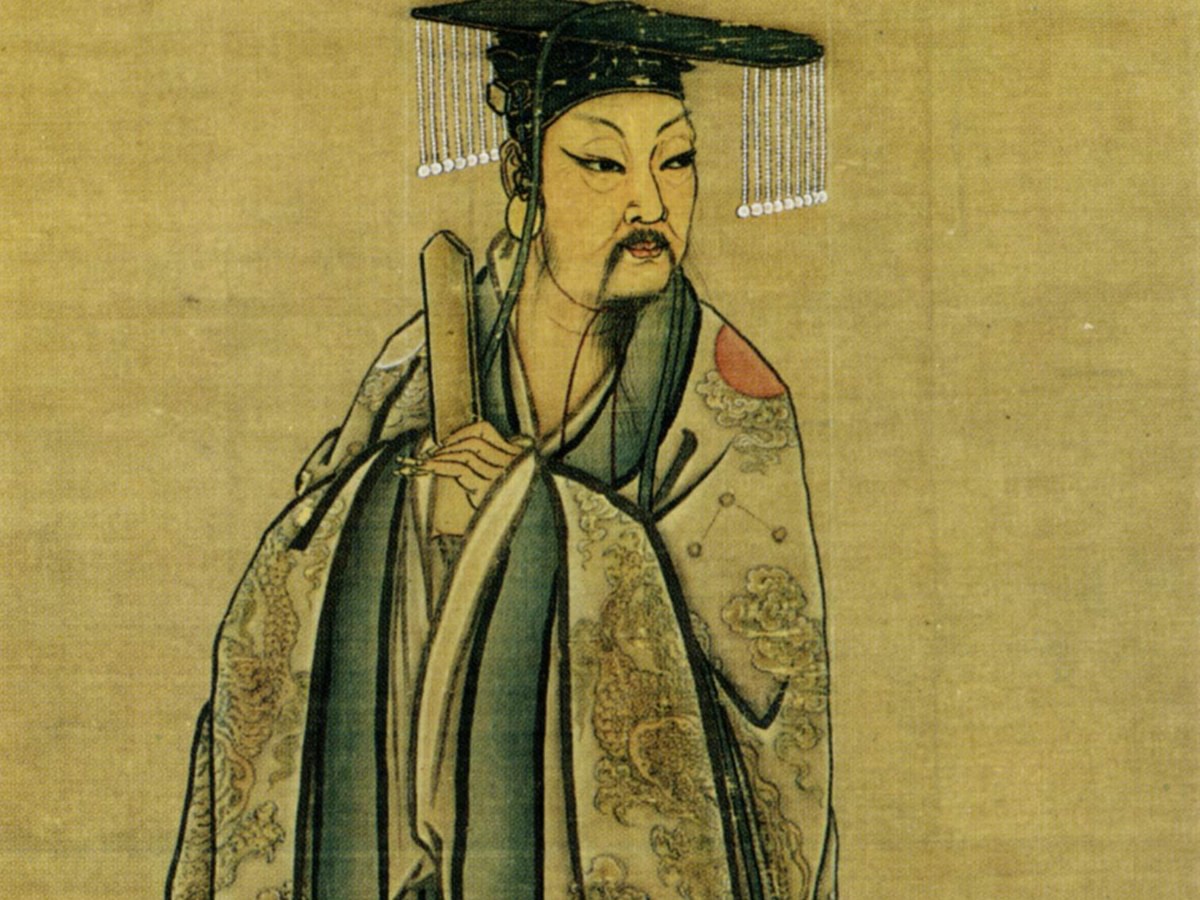
Who Was Yu the Great?
Yu the Great was a legendary ruler in ancient China, traditionally regarded as the founder of the Xia Dynasty (c. 2070–1600 BCE), the first dynasty in Chinese history. He is celebrated for his extraordinary contributions to flood control and governance. Unlike his predecessors, Yu emphasized diligence and innovation, earning him a revered place in Chinese culture.
- He is a central figure in Chinese mythology and historiography.
- Yu is often depicted as a semi-divine hero who tamed floods.
- His leadership laid the foundation for centralized rule in China.
Yu the Great and the Great Flood
Yu's most famous achievement was his success in controlling the Great Flood, a catastrophic event that plagued China for generations. Unlike his father, Gun, who failed to stop the floods by building dams, Yu implemented a system of dredging and channeling rivers to redirect the water.
See AlsoWhat Are Duolingo Gems For: Complete Usage Guide- He spent 13 years working tirelessly to manage the floodwaters.
- Yu's methods involved digging canals and creating irrigation systems.
- His efforts saved countless lives and made farmland usable again.
Yu the Great's Political Legacy
After resolving the flood crisis, Yu was chosen as the ruler of China, establishing the Xia Dynasty. His reign introduced key administrative reforms, including the division of the kingdom into nine provinces, each governed by appointed officials.
- He implemented a tribute system to strengthen central authority.
- Yu standardized weights, measures, and laws across his realm.
- His governance model influenced later Chinese dynasties.
Yu the Great's Cultural Impact
Yu's legacy extends beyond politics and engineering; he is a cultural symbol of perseverance and selflessness. Stories of his dedication, such as passing his home three times without entering during flood control, are deeply ingrained in Chinese tradition.
- He is venerated in Confucian and Daoist teachings.
- Yu's story is a common theme in Chinese literature and art.
- His name is synonymous with heroic leadership and sacrifice.
Mythology vs. Historical Accounts of Yu the Great
While Yu is a mythological figure, historians debate the extent of his historical existence. Archaeological evidence for the Xia Dynasty remains limited, but Yu's narrative persists as a cornerstone of Chinese identity.
See AlsoDuolingo Rewards: Earn XP, Gems, and More- Some scholars view him as a legendary amalgamation of multiple leaders.
- The Xia-Shang-Zhou Chronology Project seeks to verify his era.
- Yu's tale reflects ancient China's struggles with nature and governance.
What is one way Yu helped develop the first cities in China during the Xia dynasty?

Yu's Flood Control and Its Impact on Urban Development
One of the most significant ways Yu the Great helped develop the first cities during the Xia dynasty was through his revolutionary flood control methods. By managing the frequent flooding of the Yellow River, Yu created stable land suitable for settlement and agriculture. His efforts included:
- Dredging riverbeds to improve water flow and prevent overflow.
- Constructing canals to divert floodwaters away from populated areas.
- Organizing labor on a massive scale, fostering communal cooperation.
Yu's Administrative Reforms and City Planning
Yu implemented administrative reforms that laid the foundation for organized urban centers. He divided territories into manageable regions, each with a designated leader, ensuring efficient governance. Key aspects included:
- Standardizing land surveys to allocate resources fairly.
- Establishing tribute systems to sustain city economies.
- Promoting infrastructure projects like roads and granaries.
Agricultural Advancements Under Yu's Leadership
Yu's flood control efforts directly boosted agricultural productivity, which was vital for sustaining early cities. His innovations included:
- Irrigation systems to support crop growth in previously flood-prone areas.
- Soil management techniques to enhance fertility.
- Crop diversification to ensure food security.
Yu's Role in Unifying Tribes for Urban Growth
Yu's leadership unified disparate tribes under the Xia dynasty, creating a cohesive society necessary for urbanization. His strategies involved:
- Diplomatic alliances to reduce conflicts between tribes.
- Cultural integration to foster shared identity.
- Centralized authority to coordinate large-scale projects.
Legacy of Yu's Engineering Projects
Yu's engineering feats set precedents for future urban development in China. Notable contributions were:
- Hydraulic systems that became models for later dynasties.
- Urban layouts designed around flood-resistant principles.
- Monumental architecture symbolizing centralized power.
Who were the legendary five emperors and the Xia dynasty?

The Legendary Five Emperors of Ancient China
The Five Emperors are semi-mythological rulers credited with laying the foundations of Chinese civilization. They are often regarded as sage-kings who brought order, culture, and innovation to early China. The most commonly cited emperors include:
- Yellow Emperor (Huangdi): Credited with unifying tribes, inventing writing, and advancing medicine.
- Emperor Zhuanxu: Known for reforming the calendar and promoting moral governance.
- Emperor Ku: Celebrated for his contributions to music and agriculture.
- Emperor Yao: Revered for his humility and introducing the concept of abdication to a worthy successor.
- Emperor Shun: Famous for his filial piety and administrative reforms.
The Xia Dynasty: China's First Historical Dynasty
The Xia Dynasty (c. 2070–1600 BCE) is traditionally considered China's first dynastic rule, though its existence remains debated due to limited archaeological evidence. Key aspects include:
- Founder Yu the Great: Renowned for taming floods and establishing the dynasty.
- Early State Structure: Introduced hereditary succession and centralized governance.
- Bronze Age Innovations: Marked advancements in metallurgy and agriculture.
Mythology vs. History: The Five Emperors
The Five Emperors straddle myth and history, with their deeds often blending legend with early cultural achievements. Notable points:
- Mythological Origins: Many stories involve divine intervention or supernatural feats.
- Cultural Impact: Their ideals influenced Confucianism and Daoism.
- Archaeological Gaps: Lack of concrete evidence keeps their historicity disputed.
Key Achievements of the Xia Dynasty
The Xia Dynasty is credited with several foundational developments in Chinese civilization:
- Hydraulic Engineering: Yu's flood control systems revolutionized water management.
- Social Hierarchy: Established early class distinctions and bureaucratic systems.
- Bronze Rituals: Pioneered the use of bronze for ceremonial purposes.
The Transition from Five Emors to Xia Dynasty
The shift from the Five Emperors to the Xia Dynasty represents a move from legendary rule to dynastic tradition. Critical elements:
- Abdication to Hereditary Rule: Shun's passing of power to Yu marked this change.
- Centralized Authority: Xia consolidated power more formally than the emperors.
- Historical Records Later texts like the Records of the Grand Historian formalized these narratives.
Frequently Asked Questions (FAQ)
Who was Yu the Great and why is he significant in Chinese history?
Yu the Great is a legendary figure in Chinese history, revered as the founder of the Xia Dynasty, traditionally considered China's first dynasty. He is best known for his extraordinary efforts in flood control, which earned him the title Yu the Great. According to ancient texts, Yu spent over a decade taming the devastating floods of the Yellow River by constructing canals and dredging riverbeds, showcasing his leadership and engineering prowess. His success in flood management not only saved countless lives but also solidified his reputation as a wise and virtuous ruler, paving the way for his ascension to the throne. Yu's legacy is deeply intertwined with the concept of meritocracy, as he was chosen to rule based on his abilities rather than hereditary succession, setting a precedent for future Chinese emperors.
What are the key achievements of Yu the Great during his reign?
During his reign, Yu the Great accomplished several monumental feats that left a lasting impact on Chinese civilization. His most notable achievement was the successful control of the Great Flood, which had plagued the region for generations. Beyond flood management, Yu is credited with establishing the Xia Dynasty, marking the transition from primitive tribal societies to a more centralized state system. He also implemented a nine-province administrative system, dividing the kingdom into regions for better governance. Additionally, Yu introduced agricultural advancements, such as irrigation techniques, which boosted food production and stabilized the economy. His reign symbolized the dawn of Chinese dynastic rule and laid the groundwork for subsequent imperial systems.
How did Yu the Great's leadership style influence later Chinese emperors?
Yu the Great's leadership style became a model for future Chinese emperors, emphasizing virtue, diligence, and self-sacrifice. Unlike rulers who relied solely on power, Yu earned respect through his hands-on approach, personally laboring alongside his people to combat the floods. This demonstrated the Confucian ideal of a sage king who led by example. His meritocratic system of governance, where officials were appointed based on ability rather than birthright, influenced later dynasties like the Han and Tang, which adopted similar principles. Yu's legacy also reinforced the Mandate of Heaven concept, where rulers were deemed legitimate only if they governed justly and effectively, a doctrine that shaped Chinese political philosophy for millennia.
What myths and legends surround Yu the Great's life and reign?
The life of Yu the Great is shrouded in myths and legends, blending history with folklore. One popular tale describes how Yu was born from his father's transformed corpse after a failed attempt to control the floods, symbolizing his destined role as a savior. Another legend claims he tamed dragons to help dredge rivers, highlighting his supernatural connection. The most enduring myth is his three times passing his home without entering story, where Yu prioritized flood control over seeing his family, embodying his selfless devotion to his people. These stories, while likely exaggerated, reflect the cultural reverence for Yu as a paragon of perseverance and moral integrity, elevating him to a near-divine status in Chinese tradition.
Leave a Reply
Related Posts