
Learning Chinese in the shower with me

Learning a new language can feel overwhelming, but what if you could make progress during your daily shower? Learning Chinese in the Shower with Me explores an unconventional yet effective way to integrate language practice into your routine. By leveraging idle moments, you can absorb vocabulary, tones, and phrases without extra time commitments. This method combines relaxation with repetition, turning a mundane task into a productive learning session. Whether you're a beginner or looking to reinforce your skills, shower study sessions offer a low-pressure environment to improve pronunciation and retention. Discover how to transform your shower into a mini classroom and make every drop count toward fluency.
Learning Chinese in the Shower with Me: A Fun and Effective Method
Learning Chinese in the shower may sound unconventional, but it’s a surprisingly effective way to incorporate language practice into your daily routine. The shower provides a distraction-free environment where you can focus on pronunciation, vocabulary, and even listening skills by repeating phrases or singing along to Chinese songs. This method leverages spaced repetition and auditory learning, making it ideal for busy learners who want to maximize their time. Below, we explore key aspects of this unique approach.
Why the Shower is the Perfect Place to Learn Chinese
The shower offers a quiet, relaxed setting where your mind is free from distractions. The steam and warm water can help reduce stress, making it easier to absorb new words and phrases. Additionally, the acoustics in a bathroom often enhance sound clarity, improving your pronunciation practice.
See AlsoMy Top 12 Benefits Of Learning A Second Language| Benefit | Explanation |
|---|---|
| Undistracted Focus | No phones or screens to interrupt your learning. |
| Improved Pronunciation | Bathroom acoustics help you hear tones clearly. |
| Stress-Free Learning | Warm water relaxes the mind for better retention. |
Essential Chinese Phrases to Practice in the Shower
Start with basic greetings, numbers, and common verbs to build a strong foundation. Repeating these aloud helps reinforce memory. For example:
- 你好 (Nǐ hǎo) – Hello
- 谢谢 (Xièxiè) – Thank you
- 水 (Shuǐ) – Water
| Phrase | Pinyin | Meaning |
|---|---|---|
| 早上好 | Zǎoshang hǎo | Good morning |
| 再见 | Zàijiàn | Goodbye |
Using Chinese Songs to Enhance Learning
Singing Chinese songs in the shower improves intonation and rhythm. Choose simple, repetitive songs like 两只老虎 (Liǎng Zhī Lǎohǔ) (Two Tigers) to practice. Music helps with memory retention and makes learning enjoyable.
| Song | Difficulty |
|---|---|
| 小星星 (Xiǎo Xīngxīng) | Beginner |
| 茉莉花 (Mòlìhuā) | Intermediate |
Incorporating Flashcards and Audio Lessons
Place waterproof flashcards on your shower wall or listen to Chinese audio lessons. Apps like Pimsleur or ChineseClass101 offer short, shower-friendly lessons. This method reinforces visual and auditory learning.
See AlsoLearn How to Read Chinese Characters Using Apps| Tool | Use Case |
|---|---|
| Waterproof Flashcards | Visual vocabulary practice |
| Audio Lessons | Listening and repetition |
Tracking Progress and Staying Consistent
Set a daily shower learning goal, such as mastering 5 new words per week. Use a waterproof notebook to jot down progress. Consistency is key—even 5-10 minutes daily can lead to significant improvement.
| Goal | Method |
|---|---|
| Daily Repetition | Repeat phrases aloud |
| Weekly Targets | Learn 5-10 new words |
How to learn Chinese for the first time?
Start with the Basics: Pinyin and Tones
Learning Chinese for the first time requires mastering Pinyin, the Romanization system for Mandarin pronunciation, and the four tones. These are foundational to speaking accurately.
See AlsoTraining and testing your ability to hear Mandarin sounds- Practice Pinyin daily to familiarize yourself with sounds that don’t exist in English.
- Use tone drills (e.g., mā, má, mǎ, mà) to distinguish meanings.
- Leverage apps like Pleco or HelloChinese for interactive exercises.
Build a Core Vocabulary
Focus on high-frequency words and phrases to quickly gain conversational ability.
- Learn greetings (e.g., 你好 - nǐ hǎo) and essential verbs (e.g., 吃 - chī, to eat).
- Use flashcards (Anki, Quizlet) for spaced repetition.
- Label everyday objects with Chinese characters to reinforce memory.
Master Chinese Characters Gradually
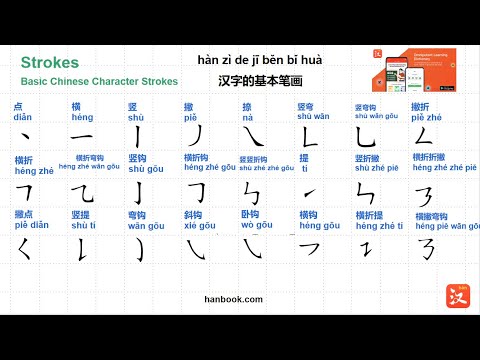
Characters are logograms, so break them into components like radicals and strokes.
- Start with simple characters (e.g., 人 - rén, person).
- Study stroke order rules to write correctly.
- Use mnemonics to associate characters with meanings (e.g., 木 - mù, tree, resembles branches).
Immerse Yourself in Listening and Speaking
Regular exposure to spoken Chinese improves comprehension and fluency.
See AlsoChinese listening practice with 锵锵三人行- Watch Chinese dramas or cartoons with subtitles.
- Listen to podcasts (e.g., Slow Chinese) for varied accents.
- Practice with language partners on platforms like Tandem or iTalki.
Consistent Practice and Cultural Context
Understanding cultural nuances (e.g., idioms, etiquette) enhances communication.
- Set daily goals (e.g., 10 new words, 1 grammar rule).
- Join language communities (e.g., Reddit’s r/ChineseLanguage).
- Explore Chinese festivals or cuisine to contextualize learning.
Can you learn Chinese by yourself?

Is Self-Studying Chinese Effective?
Yes, you can learn Chinese by yourself, but it requires discipline, consistent practice, and the right resources. Self-study is effective if you follow a structured approach:
- Set clear goals: Define whether you want conversational fluency, reading skills, or business proficiency.
- Use quality materials: Textbooks, apps like Duolingo or Anki, and online courses can provide a solid foundation.
- Practice daily: Even 20-30 minutes of focused study can yield progress over time.
What Are the Best Resources for Learning Chinese Alone?
Choosing the right tools is crucial for self-study success. Here are the most effective resources:
- Apps: HelloChinese, Pleco, and Memrise offer interactive lessons and vocabulary drills.
- YouTube channels: Channels like ChinesePod or Yoyo Chinese provide free tutorials.
- Textbooks: Integrated Chinese or HSK Standard Course are widely used for structured learning.
How Important Is Pronunciation in Self-Learning Chinese?
Pronunciation is critical in Chinese due to its tonal nature. Mispronouncing tones can change word meanings entirely. To improve:
- Listen and mimic: Use audio resources or native speaker videos to practice tones.
- Record yourself: Compare your pronunciation with native speakers to identify errors.
- Use tone drills: Focus on mastering the four tones and neutral tone early on.
Can You Learn Chinese Characters Without a Teacher?
Yes, but it requires a systematic approach. Characters are complex, so breaking them down helps:
- Learn radicals first: Understanding character components makes memorization easier.
- Use spaced repetition: Apps like Anki reinforce character retention.
- Practice writing: Writing characters by hand improves recognition and recall.
How to Stay Motivated While Learning Chinese Solo?
Maintaining motivation is a common challenge. Here’s how to stay on track:
- Track progress: Keep a journal or use apps to monitor improvements.
- Engage with media: Watch Chinese shows, listen to music, or read simple articles.
- Join online communities: Platforms like Reddit or language exchange apps connect you with learners.
Frequently Asked Questions (FAQ)
What is Learning Chinese in the shower with me?
Learning Chinese in the shower with me is an innovative and engaging method designed to help individuals learn Mandarin Chinese while performing daily routines, such as showering. The concept revolves around audio-based lessons that you can listen to during otherwise unproductive moments, turning them into opportunities for language acquisition. By combining repetition, immersive listening, and practical vocabulary, this approach makes learning Chinese more accessible and less time-consuming.
How effective is learning Chinese in the shower?
Studies show that multisensory environments, like the shower, can enhance memory retention due to the relaxed state of mind. Repetitive listening to Chinese phrases or dialogues in the shower reinforces neural pathways, making it easier to recall words and sentences later. While this method shouldn't replace structured study, it serves as a powerful supplementary tool to boost vocabulary and pronunciation through passive learning.
What kind of content is included in these shower lessons?
The lessons typically feature short, digestible audio clips covering essential topics like greetings, numbers, common phrases, and cultural tips. The content is designed to be easy to follow, with clear pronunciation by native speakers and occasional background music or sound effects to keep it engaging. Some versions may include interactive elements, such as pauses for repetition or quizzes, to test comprehension.
Can beginners use this method to learn Chinese effectively?
Absolutely! Beginners can greatly benefit from this method as it introduces foundational vocabulary and tones in a low-pressure setting. The key is consistency—regular exposure to the language, even in short bursts, helps build familiarity over time. However, for a well-rounded understanding, beginners should combine shower lessons with structured courses or apps that teach grammar, writing, and speaking in more depth.
Leave a Reply
Related Posts