
Why flashcards are great for learning Chinese

Learning Chinese can be a challenging yet rewarding endeavor, and finding effective study tools is crucial for success. Flashcards have long been recognized as a powerful method for mastering vocabulary, characters, and even grammar structures. Their simplicity and versatility make them ideal for language learners, especially when tackling a complex language like Chinese. By leveraging active recall and spaced repetition, flashcards help reinforce memory and improve retention over time. Whether used digitally or in physical form, they offer a flexible way to practice anytime, anywhere. This article explores why flashcards are an exceptional tool for learning Chinese, helping learners build confidence and fluency efficiently.
Why Flashcards Are an Effective Tool for Learning Chinese
1. Active Recall Boosts Memory Retention
Flashcards leverage the active recall method, forcing your brain to retrieve information rather than passively reviewing it. This strengthens neural connections, making it easier to remember Chinese characters, vocabulary, and tones. Studies show that active recall significantly improves long-term retention compared to re-reading or highlighting.
| Method | Retention Rate |
|---|---|
| Passive Review | 20-30% |
| Active Recall (Flashcards) | 70-80% |
2. Spaced Repetition Maximizes Efficiency
Flashcard apps like Anki or Pleco use spaced repetition algorithms to show cards at optimal intervals. This ensures you review difficult Chinese words more frequently while reducing time spent on mastered material. Spaced repetition is scientifically proven to enhance learning speed and reduce forgetting.
See AlsoChinese Summer Solstice | How is the Longest Day Celebrated in China?| Interval | Effectiveness |
|---|---|
| Daily Review | Good for new words |
| Spaced Repetition | Best for long-term retention |
3. Visual and Contextual Learning
Flashcards can include images, example sentences, and pinyin to create multisensory associations. For tonal languages like Chinese, pairing characters with audio clips improves pronunciation accuracy. Visual cues also help distinguish between similar-looking characters (e.g., 木 vs. 本).
| Flashcard Feature | Benefit |
|---|---|
| Images | Enhances character recognition |
| Audio | Improves tone mastery |
4. Portability and Convenience
Digital flashcards fit on your phone or tablet, allowing you to practice anytime, anywhere. This flexibility is ideal for mastering Chinese during commutes, breaks, or downtime. Physical flashcards also work well for offline study sessions.
| Format | Advantage |
|---|---|
| Digital | Interactive, trackable progress |
| Physical | No screen fatigue |
5. Customizable for Personal Weaknesses
Flashcards let you focus on challenging material, like complex Hanzi or confusing grammar points. You can adjust deck sizes, difficulty, and content to target your specific learning gaps, making them far more effective than generic textbooks.
See AlsoInternship in China (Is It For Me?)| Customization | Impact |
|---|---|
| Targeted Decks | Faster progress in weak areas |
| Self-Generated Cards | Deeper understanding |
Do flashcards help with language learning?
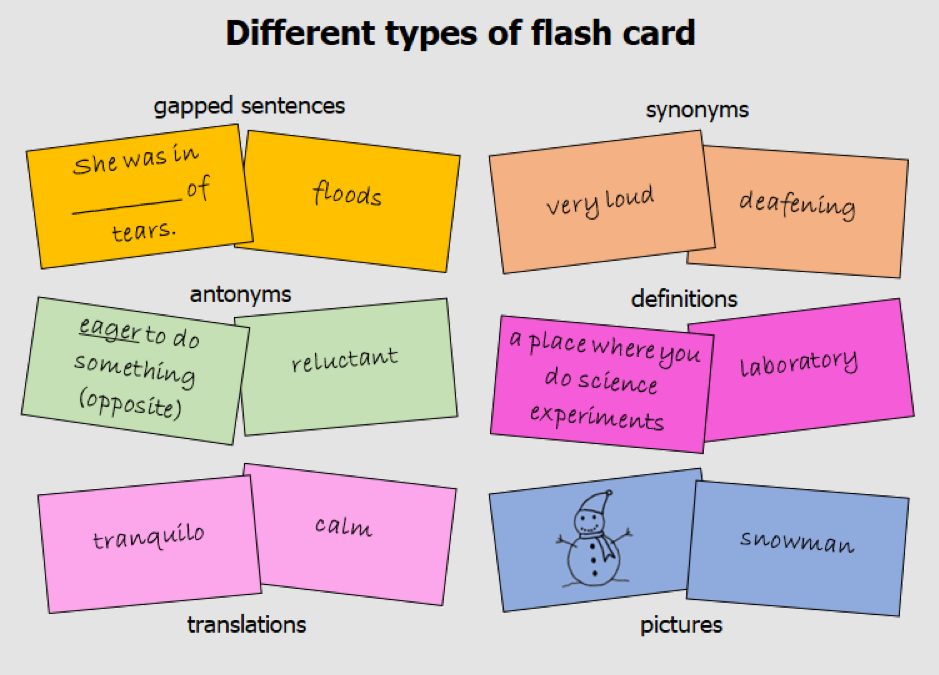
How Effective Are Flashcards for Vocabulary Retention?
Flashcards are highly effective for vocabulary retention due to their repetitive and active recall nature. By frequently reviewing words or phrases, learners reinforce memory pathways, making it easier to recall them later. Here’s why they work:
- Spaced repetition: Flashcards leverage this technique to optimize learning by reviewing material at increasing intervals.
- Active engagement: Unlike passive reading, flashcards require learners to actively recall information, strengthening memory.
- Portability: They can be used anywhere, allowing for consistent practice in short bursts.
Can Flashcards Improve Grammar and Sentence Structure?
While primarily used for vocabulary, flashcards can also aid in learning grammar rules and sentence structures when designed properly. Examples include:
See AlsoHow to Prepare for HSK with Chinese Reading Materials- Cloze deletion cards: These omit key words in sentences, prompting learners to fill in grammatical elements.
- Example sentences: Cards featuring full sentences help learners see grammar in context.
- Pattern recognition: Repeated exposure to structures reinforces correct usage over time.
Are Digital Flashcards Better Than Physical Ones?
The choice between digital and physical flashcards depends on learning preferences. Digital options offer advantages like:
- Automated scheduling: Apps like Anki use algorithms to optimize review timing.
- Multimedia integration: Audio, images, and videos enhance memorization.
- Accessibility: Digital decks are easily shareable and available across devices.
How to Maximize Flashcard Efficiency in Language Learning?
To get the most out of flashcards, learners should follow these best practices:
- Limit card quantity: Focus on high-priority words or concepts to avoid overload.
- Use mnemonics: Associating new words with images or stories boosts retention.
- Regular reviews: Consistency is key—schedule daily or weekly sessions.
What Are Common Mistakes When Using Flashcards?
Despite their benefits, learners often make these mistakes with flashcards:
See AlsoKobe Bryant Influence in China- Overloading cards: Including too much information per card reduces focus.
- Neglecting context: Learning words in isolation can hinder practical application.
- Skipping reviews: Irregular practice diminishes long-term retention.
How to use flashcards to learn Chinese?

Choosing the Right Flashcards for Learning Chinese
To effectively learn Chinese using flashcards, selecting the right type is crucial. Physical flashcards are great for tactile learners, while digital flashcard apps like Anki or Pleco offer spaced repetition systems (SRS) to optimize memory retention. Here’s how to choose:
- Prioritize quality: Ensure the flashcards include characters, Pinyin, and English translations.
- Use images: Visual aids help associate characters with meanings.
- Opt for SRS: Digital tools with spaced repetition adapt to your learning pace.
Organizing Flashcards by Topic or Difficulty
Grouping flashcards systematically enhances retention. Categorize them by themes like daily vocabulary, HSK levels, or grammar points. Follow these steps:
- Start with basics: Begin with high-frequency words (e.g., greetings, numbers).
- Separate by difficulty: Keep beginner, intermediate, and advanced cards in distinct decks.
- Theme-based learning: Create decks for specific contexts like food, travel, or business.
Incorporating Mnemonics and Visual Aids
Mnemonics and visuals make Chinese characters memorable. Story-based associations or component breakdowns can simplify complex characters. Here’s how:
- Break down characters: Learn radicals and components (e.g., 水 for water-related characters).
- Create stories: Link character shapes to meanings (e.g., 木 looks like a tree).
- Add color coding: Use colors to differentiate tones or word types.
Practicing Active Recall and Spaced Repetition
Active recall and spaced repetition are key to long-term retention. Test yourself regularly and let SRS algorithms schedule reviews. Implement this method:
- Review daily: Dedicate 10–15 minutes to flashcard practice.
- Focus on weaknesses: Spend more time on challenging cards.
- Mix old and new: Combine new vocabulary with older reviews.
Using Flashcards for Speaking and Listening Practice
Flashcards aren’t just for reading—they can improve pronunciation and listening skills. Integrate audio and speaking drills:
- Add audio clips: Use apps with native speaker recordings.
- Repeat aloud: Practice tones and pronunciation while reviewing.
- Shadowing: Listen to the audio and mimic the speaker immediately.
Why are flashcards an effective learning strategy?
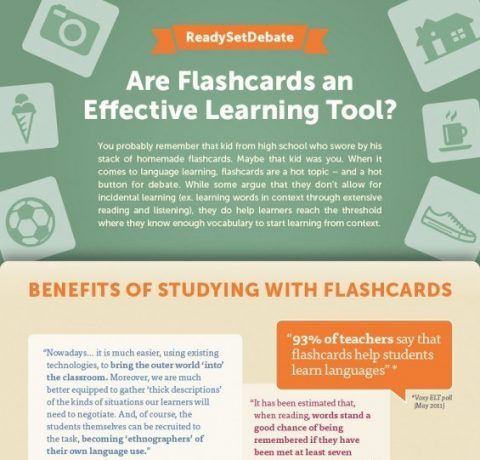
The Science Behind Flashcards and Memory Retention
Flashcards leverage the spaced repetition technique, which is scientifically proven to enhance long-term memory retention. By repeatedly exposing the brain to information at increasing intervals, flashcards strengthen neural connections. Key factors include:
- Active recall: Forces the brain to retrieve information, reinforcing memory pathways.
- Metacognition: Self-assessment during flashcard use helps identify knowledge gaps.
- Ebbinghaus Curve: Combats the forgetting curve by timing reviews optimally.
Versatility and Customization of Flashcards
Flashcards adapt to diverse subjects and learning styles, making them a universal tool. Their flexibility allows for:
- Personalization: Tailoring content to individual needs (e.g., images, mnemonics).
- Subject variety: Effective for languages, formulas, historical dates, etc.
- Portability: Physical or digital formats enable learning anywhere.
Efficiency and Time Management
Flashcards maximize learning efficiency by focusing on high-yield information. Benefits include:
- Bite-sized learning: Breaks complex topics into manageable chunks.
- Targeted practice: Prioritizes weaker areas using the Leitner system.
- Reduced study time: Eliminates rereading irrelevant material.
Engagement and Interactivity
The hands-on nature of flashcards boosts engagement compared to passive learning methods. Advantages:
- Kinesthetic learning: Physical interaction (flipping cards) aids memory.
- Gamification: Turns study sessions into interactive challenges.
- Immediate feedback: Self-correction reinforces accuracy.
Digital Flashcards and Technological Advantages
Modern tools like Anki or Quizlet enhance traditional flashcards with technology. Key features:
- Algorithmic scheduling: Automates spaced repetition for optimal timing.
- Multimedia integration: Supports audio, video, and shared decks.
- Progress tracking: Analytics highlight improvement areas.
What are the benefits of using flashcards?
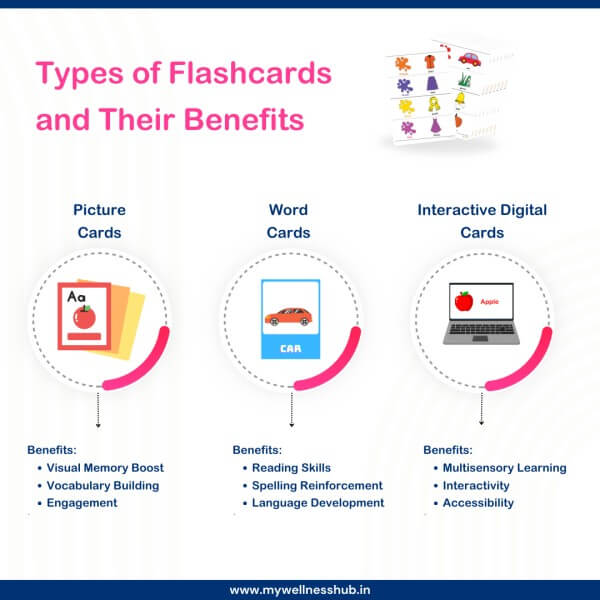
Enhanced Memory Retention
Using flashcards improves memory retention by leveraging active recall and spaced repetition. This method strengthens neural connections, making it easier to retain information long-term.
- Active recall forces the brain to retrieve information, reinforcing memory.
- Spaced repetition schedules reviews at optimal intervals to prevent forgetting.
- Visual and textual cues on flashcards enhance associative learning.
Efficient Learning Tool
Flashcards are a time-efficient way to study, allowing users to focus on key concepts without unnecessary details.
- Portable and convenient for quick study sessions anywhere.
- Enables targeted practice on difficult topics.
- Reduces study time by eliminating irrelevant information.
Versatility Across Subjects
Flashcards are adaptable to various subjects, from languages to sciences, making them a universal learning aid.
- Effective for vocabulary building in language learning.
- Useful for memorizing formulas, dates, or definitions.
- Customizable for any learning level, from beginner to advanced.
Boosts Engagement and Motivation
The interactive nature of flashcards increases engagement and keeps learners motivated.
- Gamification elements, like self-testing, make learning fun.
- Immediate feedback helps track progress.
- Breaking down complex topics into manageable chunks reduces overwhelm.
Improves Focus and Concentration
Flashcards promote focused study sessions by minimizing distractions and encouraging deep learning.
- Short, structured sessions prevent mental fatigue.
- Encourages active participation rather than passive reading.
- Helps isolate and master weak areas efficiently.
Frequently Asked Questions (FAQ)
Why are flashcards effective for learning Chinese characters?
Flashcards are highly effective for learning Chinese characters because they leverage active recall and spaced repetition, two scientifically proven learning techniques. Chinese characters are visually complex, and flashcards help break them down into manageable pieces. By repeatedly testing yourself, you reinforce memory retention and recognize patterns more easily. Additionally, flashcards allow you to focus on individual characters or words, making it easier to track progress and identify areas needing improvement.
How do flashcards improve vocabulary retention in Chinese?
Flashcards improve vocabulary retention by forcing the brain to retrieve information repeatedly, strengthening neural connections. Since Chinese relies heavily on character recognition and tones, flashcards help learners associate meanings, pronunciations, and written forms efficiently. The spaced repetition method ensures that words are reviewed at optimal intervals, preventing forgetting. Over time, this leads to long-term memorization and faster recall during conversations or reading.
Can flashcards help with learning Chinese tones?
Yes, flashcards can be a powerful tool for mastering Chinese tones. By including pinyin and audio cues on flashcards, learners can repeatedly practice tone recognition and pronunciation. Visual associations on flashcards, such as color-coding tones or using images, further reinforce memory. Regular exposure through flashcards trains the ear and mouth to distinguish and produce the four tones accurately, which is critical for fluent communication in Mandarin.
Are digital flashcards better than paper ones for learning Chinese?
Both digital and paper flashcards have advantages, but digital flashcards often offer more features for learning Chinese. Apps like Anki or Pleco provide spaced repetition algorithms, audio pronunciations, and stroke-order animations, which enhance learning efficiency. However, paper flashcards can be useful for offline study and tactile learners. The best choice depends on personal preference, but digital tools generally provide more interactive and customizable options.
Leave a Reply
Related Posts