
Training and testing your ability to hear Mandarin sounds

Mastering Mandarin begins with training your ear to distinguish its unique sounds, which can be challenging for non-native speakers. Unlike many languages, Mandarin relies heavily on tones, where pitch changes alter word meanings entirely. This article explores effective methods to sharpen your auditory skills, from recognizing tones to differentiating similar syllables. Whether you're a beginner or refining your fluency, targeted listening exercises and structured testing can significantly improve your comprehension. By practicing with native speakers, audio resources, and tone drills, you’ll develop the precision needed to navigate Mandarin’s melodic complexity. Strengthening this foundation is key to achieving both confidence and accuracy in spoken communication.
Training and Testing Your Ability to Hear Mandarin Sounds
Mastering the ability to hear and distinguish Mandarin sounds is crucial for language learners, as tones and phonetics play a significant role in meaning. Effective training involves consistent exposure to native speech, while testing ensures progress. Below, we explore key strategies and exercises to improve your listening comprehension in Mandarin.
1. Understanding Mandarin Tones and Their Importance
Mandarin is a tonal language, meaning that the pitch contour of a syllable can change its meaning. There are four main tones and a neutral tone, each requiring precise auditory recognition. Mishearing a tone can lead to misunderstandings, making tone training essential.
See AlsoLearn Chinese character meaning and pronunciation together| Tone Number | Tone Description | Example (Pinyin) |
|---|---|---|
| 1st Tone | High and level | mā (mother) |
| 2nd Tone | Rising | má (hemp) |
| 3rd Tone | Falling then rising | mǎ (horse) |
| 4th Tone | Sharp falling | mà (scold) |
| Neutral | Light and short | ma (question particle) |
2. Effective Listening Exercises for Mandarin Learners
To improve listening skills, engage in exercises like minimal pair drills, dictation exercises, and shadowing native speakers. These methods help train your ear to detect subtle differences in sounds and tones.
| Exercise Type | Description | Benefit |
|---|---|---|
| Minimal Pairs | Listening to similar-sounding words | Sharpens tone and sound recognition |
| Dictation | Writing down spoken phrases | Improves accuracy and memory |
| Shadowing | Repeating speech in real-time | Enhances pronunciation and rhythm |
3. Using Technology to Enhance Mandarin Listening Skills
Modern tools like language apps, speech recognition software, and online courses provide interactive ways to practice listening comprehension. Platforms such as Duolingo, HelloChinese, and Pleco offer targeted exercises.
| Tool | Function | Best For |
|---|---|---|
| Duolingo | Gamified listening exercises | Beginners and casual learners |
| HelloChinese | Interactive speech practice | Tone and sentence training |
| Pleco | Flashcards with audio | Vocabulary and pronunciation |
4. Common Challenges in Hearing Mandarin Sounds
Learners often struggle with distinguishing tones, recognizing rapid speech, and understanding regional accents. Identifying these challenges helps in developing targeted training methods.
See AlsoWhat native speakers know about Chinese (and what they don’t)| Challenge | Solution |
|---|---|
| Confusing similar tones | Practice with minimal pairs and tone drills |
| Fast speech comprehension | Listen to slow audio first, then increase speed |
| Regional accent variations | Expose yourself to different speakers |
5. Testing Your Mandarin Listening Progress
Regular assessments, such as mock tests and quizzes, help measure improvement. Use HSK listening materials or online proficiency tests to evaluate your skills objectively.
| Test Type | Description |
|---|---|
| HSK Practice Tests | Official-style listening comprehension exams |
| Online Quizzes | Interactive tone recognition and vocabulary checks |
| Self-Recording | Compare your pronunciation to native speakers |
Can you learn Mandarin if you're tone deaf?

Understanding Tone Deafness and Mandarin Tones
Mandarin is a tonal language, meaning the pitch or intonation of a word changes its meaning. For example, the syllable ma can mean mother (mā) or horse (mǎ) depending on the tone. Being tone deaf (amusia) means having difficulty distinguishing between musical pitches, which could extend to speech tones. However, research suggests that tone deafness doesn’t necessarily prevent someone from learning Mandarin, as the brain processes speech and music differently.
See AlsoThe time barrel: How to find more time to study Chinese- Speech vs. Music: Tone deafness primarily affects musical pitch perception, not necessarily linguistic tones.
- Contextual Learning: Mandarin learners can rely on context, vocabulary, and grammar to compensate for tone recognition challenges.
- Neuroplasticity: The brain can adapt with practice, improving tone discrimination over time.
Challenges for Tone-Deaf Mandarin Learners
While learning Mandarin with tone deafness is possible, it presents unique hurdles. Tones are fundamental to meaning, and mispronunciations can lead to misunderstandings. However, strategies exist to mitigate these challenges.
- Recognition Over Production: Some tone-deaf individuals struggle more with producing tones accurately than recognizing them.
- Minimal Pairs: Words with similar sounds but different tones (e.g., mā vs. mǎ) may be harder to distinguish.
- Listening Fatigue: Constant focus on tones can be mentally exhausting for learners with amusia.
Strategies to Learn Mandarin Despite Tone Deafness
Adapting learning methods can help tone-deaf students make progress in Mandarin. Emphasizing visual aids, repetition, and technology can bridge gaps in auditory processing.
- Pitch Visualization Tools: Apps like Praat or tone graphs help learners see tones.
- Exaggerated Practice: Overemphasizing tones during drills can improve muscle memory for pronunciation.
- Partner Feedback: Working with a tutor or native speaker for real-time corrections.
The Role of Context and Vocabulary in Compensating
Even if tone perception is weak, contextual clues and a strong vocabulary can reduce reliance on perfect tone mastery. Mandarin speakers often understand meaning from surrounding words.
- Sentence Patterns: Familiarity with common phrases reduces ambiguity.
- Word Frequency: High-frequency words are easier to recognize, even with tone errors.
- Non-Tonal Languages: Many languages (e.g., English) use context heavily, proving it’s a viable strategy.
Success Stories and Scientific Evidence
Studies and anecdotes show that tone-deaf individuals can achieve fluency in Mandarin. While they may not attain perfect pronunciation, functional communication is attainable.
- Case Studies: Documented learners with amusia have reached intermediate/advanced levels.
- Brain Adaptation: fMRI scans reveal that language centers can compensate for auditory deficits.
- Alternative Pathways: Some learners develop a mental map of tones without relying on pitch perception.
Is it difficult to follow the Mandarin tones?
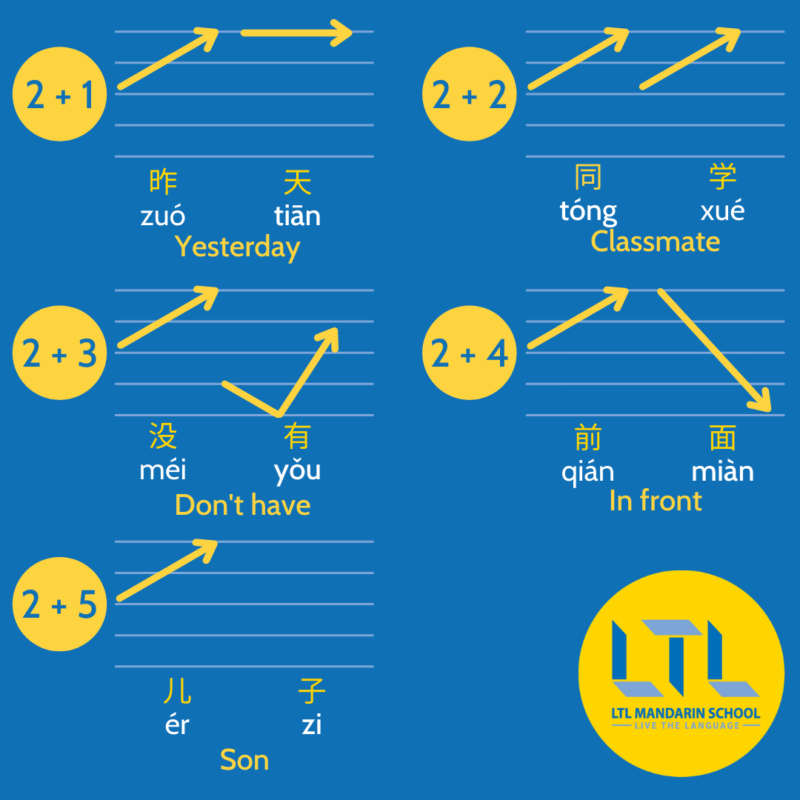
Why Are Mandarin Tones Challenging for Learners?
Mandarin tones are difficult because they require precise pitch control and listening discrimination, which are unfamiliar to speakers of non-tonal languages. The four main tones (plus a neutral tone) can change word meanings entirely, making accuracy essential.
- Pitch variations must be memorized for each syllable.
- Minimal pairs (e.g., mā vs. mà) can confuse learners.
- Native speakers rely on tones instinctively, while learners must consciously practice them.
How Do Mandarin Tones Affect Communication?
Incorrect tones can lead to misunderstandings, as the same syllable with different tones may have unrelated meanings. For example, shū (book) vs. shù (tree).
- Context sometimes helps clarify meaning, but not always.
- Regional accents may alter tone pronunciation slightly.
- Fluency requires automatic tone application in speech.
What Are Common Mistakes When Learning Mandarin Tones?
Learners often overlook tone contours or mix up rising (second tone) and falling-rising (third tone) patterns. Some default to a flat, neutral tone out of hesitation.
- Third tone is frequently mispronounced as a low flat tone.
- Tone sandhi rules (e.g., two third tones becoming second + third) add complexity.
- Ignoring tone pairs in phrases leads to unnatural speech.
Can You Learn Mandarin Tones Without a Teacher?
While possible, self-study requires meticulous practice with audio resources. Apps and videos help, but feedback from a native speaker is invaluable.
- Shadowing native speakers improves muscle memory.
- Pitch visualization tools (e.g., Praat software) aid self-correction.
- Recording and comparing speech highlights errors.
Are Some Mandarin Tones Easier Than Others?
The first tone (high flat) is often easiest, while the third tone (dipping) is notoriously tricky. The fourth tone (sharp fall) can sound abrupt to beginners.
- First tone requires steady high pitch.
- Second tone resembles English question intonation.
- Third tone demands a full dip then rise, often shortened in speech.
Frequently Asked Questions (FAQ)
What is the purpose of training and testing my ability to hear Mandarin sounds?
Training and testing your ability to hear Mandarin sounds is essential for developing accurate pronunciation and comprehension skills. Mandarin is a tonal language, meaning that the pitch or intonation of a sound can change the meaning of a word entirely. By practicing listening discrimination, you can learn to distinguish between similar sounds and tones, which is crucial for effective communication. This process also helps reinforce memory retention and builds confidence in real-life conversations.
How can I effectively train my ears to recognize Mandarin tones?
To effectively train your ears, start by exposing yourself to authentic Mandarin audio, such as podcasts, songs, or native speakers. Use minimal pair exercises, where you listen to words that differ by only one sound or tone, to sharpen your auditory discrimination. Repetition is key—practice daily and gradually increase the difficulty. Additionally, tools like language apps or online courses often include tone recognition drills that provide immediate feedback, helping you refine your skills systematically.
What are common challenges when testing Mandarin sound recognition?
One of the most common challenges is confusing similar tones, such as the first and fourth tones, which can sound alike to beginners. Another issue is distinguishing between aspirated and unaspirated consonants (e.g., p vs. b in Mandarin). Background noise or fast speech in real-world conversations can also make recognition difficult. To overcome these, focus on contextual listening and practice with varied audio sources to adapt to different speaking speeds and environments.
How long does it take to improve Mandarin sound recognition skills?
The time required varies depending on your prior language experience and practice consistency. Some learners notice improvement within a few weeks of dedicated practice, while others may take months. Factors like daily exposure, active listening exercises, and receiving corrective feedback significantly influence progress. Remember that language acquisition is a gradual process, and patience combined with structured practice will yield the best results.
Leave a Reply
Related Posts