
Learn Chinese character meaning and pronunciation together

Learning Chinese characters can seem daunting, but understanding their meaning and pronunciation together simplifies the process. Each character is a blend of visual symbolism and phonetic cues, offering clues to both its definition and sound. By studying radicals—the building blocks of characters—learners can decode meanings more efficiently. Simultaneously, recognizing phonetic components aids in mastering pronunciation. This dual approach not only accelerates memorization but also deepens comprehension of Chinese writing. Whether you're a beginner or advancing your skills, integrating meaning and pronunciation creates a stronger foundation. Discover practical strategies to tackle characters holistically and unlock the beauty of Mandarin one stroke at a time.
- Learn Chinese Character Meaning and Pronunciation Together
- How to learn the pronunciation of Chinese characters?
- What website explains Chinese characters?
-
Frequently Asked Questions (FAQ)
- What is the best way to learn Chinese character meanings and pronunciations simultaneously?
- How can I remember the tones when learning Chinese character pronunciation?
- Are there tools or apps that help with learning Chinese characters and pronunciation together?
- Why is it important to learn Chinese characters and pronunciation at the same time?
Learn Chinese Character Meaning and Pronunciation Together
Why Learning Meaning and Pronunciation Together is Effective
Learning Chinese characters with both their meaning and pronunciation simultaneously helps reinforce memory and comprehension. Since Chinese is a logographic language, characters represent ideas rather than sounds alone. By associating the visual form, meaning, and sound, learners develop a deeper understanding. For example:
| Character | Meaning | Pronunciation (Pinyin) |
|---|---|---|
| 水 | Water | shuǐ |
| 火 | Fire | huǒ |
Common Techniques to Master Characters
Using mnemonics, flashcards, and writing practice can help retain both meaning and pronunciation. Breaking characters into radicals (components) simplifies learning. For instance:
See AlsoHow to Avoid Scams in Shanghai: The Pearl of the Orient| Character | Radical | Pronunciation |
|---|---|---|
| 好 (good) | 女 (woman) + 子 (child) | hǎo |
Pinyin: The Key to Pronunciation
Pinyin is the Romanization system for Chinese sounds. Mastering tones (e.g., mā, má, mǎ, mà) is crucial for accurate pronunciation. Example:
| Character | Pinyin + Tone |
|---|---|
| 妈 | mā (1st tone) |
| 马 | mǎ (3rd tone) |
Characters with Multiple Pronunciations
Some characters have different sounds depending on context. For example:
| Character | Meaning | Pronunciations |
|---|---|---|
| 行 | Walk / OK | xíng / háng |
Resources for Learning Characters
Use apps, textbooks, and online courses that combine visuals, audio, and quizzes. Recommended tools:
See AlsoCramming vs. spaced repetition: When to use which method to learn Chinese| Resource | Focus |
|---|---|
| Pleco | Dictionary + Flashcards |
| HelloChinese | Interactive Lessons |
How to learn the pronunciation of Chinese characters?
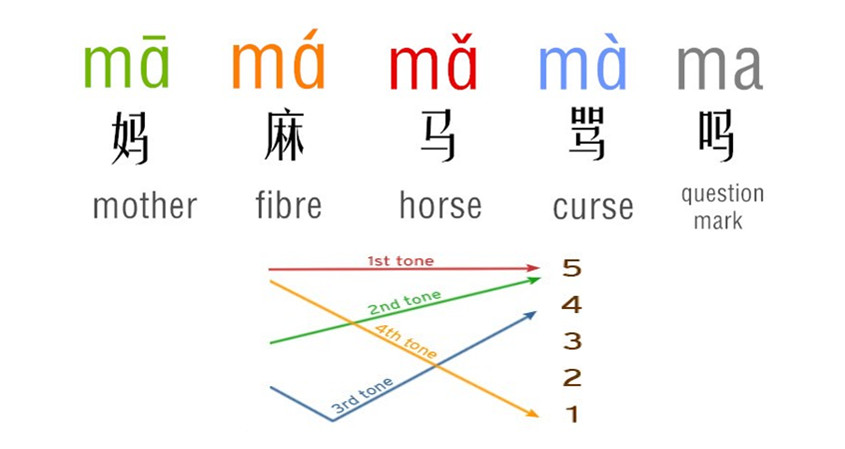
Understand Pinyin: The Foundation of Chinese Pronunciation
To learn the pronunciation of Chinese characters, start with Pinyin, the romanization system for Mandarin. It uses the Latin alphabet to represent sounds, making it easier for beginners.
- Study initials and finals: Pinyin combines consonant sounds (initials) and vowel sounds (finals) to form syllables.
- Master tones: Mandarin has four tones and a neutral tone, which change the meaning of words.
- Use audio resources: Listen to native speakers or apps like Pleco to practice correct pronunciation.
Practice with Tone Pairs and Minimal Pairs
Improving pronunciation involves recognizing subtle differences between similar sounds.
See AlsoWhat you intend to write is more important than the character you actually write- Tone pairs: Practice two-syllable combinations to understand how tones interact.
- Minimal pairs: Compare words with slight sound differences (e.g., mā vs. má) to refine listening and speaking.
- Record yourself: Compare your pronunciation with native speakers to identify areas for improvement.
Use Radicals and Phonetic Components as Clues
Many Chinese characters contain phonetic components that hint at pronunciation.
- Identify radicals: Some characters share components with similar sounds (e.g., 青 qīng appears in 清 qīng and 请 qǐng).
- Note exceptions: Not all phonetic components are reliable, so verify with a dictionary.
- Group characters: Learn characters with the same phonetic component together to reinforce patterns.
Leverage Technology and Apps for Pronunciation Drills
Modern tools can accelerate learning accurate pronunciation.
- Flashcard apps: Use Anki or Pleco with audio to reinforce character sounds.
- Speech recognition: Apps like HelloChinese provide feedback on pronunciation accuracy.
- YouTube tutorials: Watch videos breaking down difficult sounds (e.g., zh vs. j).
Immerse Yourself in Native Mandarin Content
Exposure to real-world usage solidifies pronunciation skills.
See AlsoChinese Dating (Top Tips & The Best Apps)- Watch Chinese media: Movies, dramas, and news help internalize natural speech patterns.
- Shadowing technique: Repeat dialogues immediately after native speakers to mimic rhythm and tone.
- Join language exchanges: Practice with native speakers on platforms like Tandem or HelloTalk.
What website explains Chinese characters?
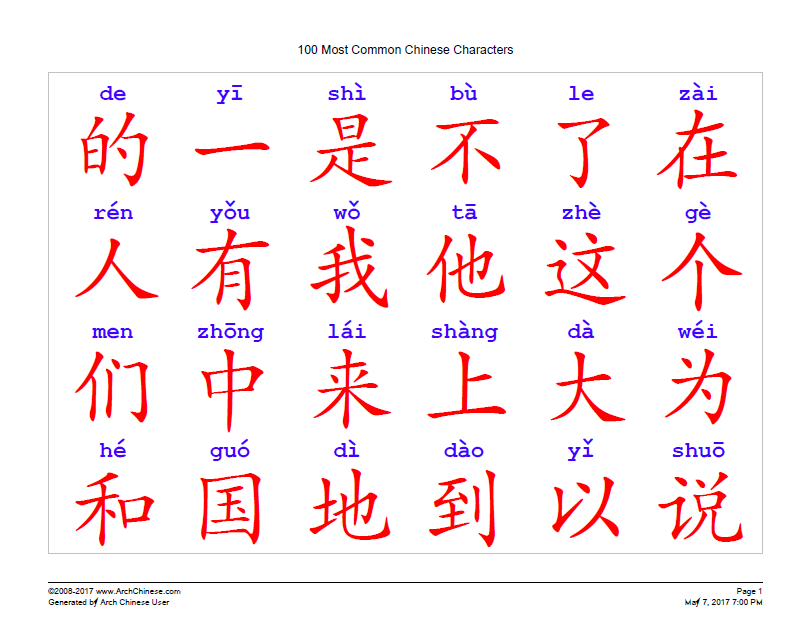
Best Websites for Learning Chinese Characters
Several websites provide detailed explanations of Chinese characters, including their history, stroke order, and meanings. Here are some top options:
- Arch Chinese – Offers interactive tools for learning character strokes and pronunciation.
- HanziCraft – Breaks down characters into components for better understanding.
- Pleco – A dictionary app with detailed character explanations and example sentences.
Websites That Explain Character Etymology
Understanding the origin of Chinese characters can enhance memorization. These sites focus on etymology:
See AlsoThe 10,000 hour rule – Blood, sweat and tears- Chinese Etymology – Provides historical forms of characters and their evolution.
- Zhongwen.com – Explains character composition using ancient scripts.
- Outlier Linguistics – Offers in-depth analysis of character components and meanings.
Interactive Tools for Studying Chinese Characters
Some websites offer interactive features to help learners practice writing and recognizing Chinese characters:
- Skritter – A platform for practicing character writing with stroke feedback.
- YellowBridge – Includes animated stroke order demonstrations.
- Memrise – Uses spaced repetition to reinforce character recognition.
Free Resources for Chinese Character Learning
For those seeking free yet reliable resources, these websites are excellent:
- MDBG – A free online dictionary with character decomposition.
- CC-CEDICT – An open-source dictionary with character explanations.
- Purple Culture – Provides free worksheets and character lookup tools.
Websites for Advanced Chinese Character Study
Advanced learners may benefit from these in-depth resources:
- Wenlin – A software with advanced character analysis features.
- Baidu Baike – A Chinese encyclopedia with detailed character explanations.
- Unihan Database – Provides technical data on character encoding and variations.
Frequently Asked Questions (FAQ)
What is the best way to learn Chinese character meanings and pronunciations simultaneously?
Learning Chinese characters effectively involves combining visual recognition with auditory practice. Start by associating each character with its pinyin (phonetic spelling) and meaning through flashcards or apps like Pleco or Anki. Writing the character while saying its pronunciation aloud reinforces memory. Additionally, using mnemonics—creating stories linking the character's shape to its meaning and sound—can enhance retention. Consistent practice with real-world examples, such as reading simple texts or watching subtitled videos, solidifies understanding.
How can I remember the tones when learning Chinese character pronunciation?
Tones are crucial in Mandarin, as they change a word's meaning. To master them, practice listening and repetition with native speakers or audio resources like ChinesePod. Visualize the tone contours (e.g., flat for 1st tone, rising for 2nd tone) and use hand gestures to mimic their shapes while speaking. Pairing characters with tone-specific vocabulary drills—such as minimal pairs (e.g., mā vs. mà)—helps distinguish subtle differences. Over time, immersive exposure through songs or dialogues trains your ear to recognize tones naturally.
Are there tools or apps that help with learning Chinese characters and pronunciation together?
Yes, several digital tools streamline this process. Skritter combines stroke-order writing with pronunciation drills, while HelloChinese offers interactive lessons focusing on characters, pinyin, and tones. For dictionary support, Pleco provides audio pronunciations and example sentences. YouTube channels like Yoyo Chinese or apps like Duolingo also integrate character recognition with listening exercises. Leveraging these resources ensures a balanced approach to mastering both meaning and sound.
Why is it important to learn Chinese characters and pronunciation at the same time?
Simultaneous learning builds a stronger foundation for fluency. Characters convey meaning, while pronunciation (including tones) ensures accurate communication. Isolating one can lead to gaps—knowing a character's meaning but mispronouncing it, or vice versa, hampers comprehension. By integrating both, you develop contextual understanding, essential for reading, writing, and speaking. This method also mirrors native learning patterns, where children acquire characters and sounds in tandem, fostering natural language acquisition.
Leave a Reply
Related Posts