
Cramming vs. spaced repetition: When to use which method to learn Chinese

Learning Chinese, with its complex characters and tonal nuances, requires effective study strategies. Two popular methods—cramming and spaced repetition—offer contrasting approaches. Cramming, or intensive short-term study, can help quickly memorize vocabulary before a test or trip. However, it often leads to rapid forgetting. Spaced repetition, on the other hand, spreads learning over time, reinforcing memory through systematic review. While slower, it ensures long-term retention, making it ideal for mastering Mandarin’s intricacies. Choosing between these methods depends on goals, deadlines, and the depth of understanding needed. This article explores when to use each technique to optimize your Chinese language learning journey.
- Cramming vs. Spaced Repetition: Choosing the Right Method for Learning Chinese
- Why is spaced repetition better than cramming?
- What is the most commonly used method for beginning language learners to read Chinese?
- How to use spaced repetition for language learning?
- How does spaced repetition enhance long-term retention of information compared to cramming?
- Frequently Asked Questions (FAQ)
Cramming vs. Spaced Repetition: Choosing the Right Method for Learning Chinese
1. What Is Cramming and When Should You Use It for Chinese?
Cramming involves intensive, last-minute study sessions, often before a test or deadline. While not ideal for long-term retention, it can be useful for short-term goals like passing an exam or quickly memorizing vocabulary before a trip. For Chinese learners, cramming may help with emergency preparation, such as learning essential phrases before a business meeting. However, it's ineffective for mastering tones, characters, or grammar long-term.
| Pros of Cramming | Cons of Cramming |
|---|---|
| Quick short-term results | Poor long-term retention |
| Useful for deadlines | Increased stress and fatigue |
2. How Does Spaced Repetition Work for Learning Chinese?
Spaced repetition (SRS) is a scientifically proven method that schedules reviews at increasing intervals to optimize memory. For Chinese, tools like Anki or Pleco use SRS to reinforce characters, vocabulary, and grammar rules. This method is ideal for mastering tones and hanzi, as it ensures gradual, durable learning.
See AlsoWhat important words are missing from HSK?| Pros of Spaced Repetition | Cons of Spaced Repetition |
|---|---|
| Long-term retention | Requires consistency |
| Efficient for large volumes | Slower initial progress |
3. Which Method Is Better for Chinese Characters?
For Chinese characters, spaced repetition is far superior. Cramming may help recognize a few characters temporarily, but SRS ensures you retain their stroke order, meaning, and pronunciation over time. Apps like Skritter combine SRS with handwriting practice, making them ideal for character mastery.
| Cramming for Characters | Spaced Repetition for Characters |
|---|---|
| Temporary recognition | Long-term recall |
| High effort, low retention | Gradual, sustainable learning |
4. Can Cramming Help with Chinese Listening and Speaking?
Cramming can provide a quick boost in listening and speaking if you immerse yourself in audio/video content before a conversation. However, spaced repetition with tools like Glossika or HelloTalk is better for developing fluency and pronunciation accuracy over time.
| Cramming for Speaking | Spaced Repetition for Speaking |
|---|---|
| Quick phrase memorization | Natural speech patterns |
| Limited tonal accuracy | Improved tone mastery |
5. Combining Both Methods for Optimal Chinese Learning
While spaced repetition is the foundation for mastering Chinese, cramming can complement it for specific scenarios. For example, use SRS for daily learning and cramming before a HSK exam or travel. Balance both methods based on your goals.
See Also9 answers to questions about Pinyin and pronunciation| When to Cram | When to Use Spaced Repetition |
|---|---|
| Before tests/travel | Daily vocabulary/character practice |
| Emergency preparation | Long-term fluency goals |
Why is spaced repetition better than cramming?
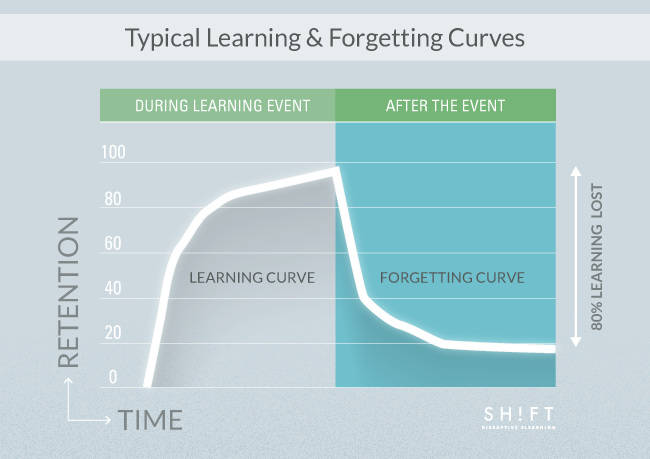
How Does Spaced Repetition Improve Long-Term Retention?
Spaced repetition leverages the psychological spacing effect, which shows that information is better retained when reviewed over increasing intervals. Unlike cramming, which overloads short-term memory, spaced repetition strengthens neural connections over time. Key benefits include:
- Reinforces memory traces by revisiting material just before it’s forgotten.
- Reduces cognitive load by breaking learning into manageable sessions.
- Enhances recall accuracy through systematic, timed reviews.
Why Is Cramming Less Effective Than Spaced Repetition?
Cramming relies on short-term memory, leading to rapid forgetting after the study session. In contrast, spaced repetition targets long-term retention. Disadvantages of cramming:
See AlsoMandarin Retreat (Our Review) - Why You NEED To Go- High stress and fatigue due to prolonged, intense study periods.
- Superficial understanding as concepts aren’t deeply processed.
- Inefficient time use—most information is forgotten within days.
How Does Spaced Repetition Optimize Learning Efficiency?
Spaced repetition uses algorithmic scheduling to prioritize harder material, maximizing study efficiency. Advantages include:
- Personalized pacing based on individual performance.
- Focused review sessions targeting weak areas.
- Less total study time compared to repetitive cramming.
What Role Does Active Recall Play in Spaced Repetition?
Active recall—retrieving information from memory—is central to spaced repetition. It strengthens retention more than passive review. Key points:
- Boosts metacognition by identifying knowledge gaps.
- Encourages deeper encoding of information.
- Works synergistically with spaced intervals for optimal results.
How Does Spaced Repetition Reduce Mental Fatigue?
Unlike cramming, spaced repetition distributes cognitive effort, preventing burnout. Benefits:
- Shorter, focused sessions minimize mental exhaustion.
- Regular breaks allow memory consolidation.
- Sustained motivation due to incremental progress.
What is the most commonly used method for beginning language learners to read Chinese?
The Role of Pinyin in Learning to Read Chinese
For beginners, Pinyin is the most widely used method to start reading Chinese. It is a romanization system that uses the Latin alphabet to represent Mandarin pronunciation. Here’s why it’s essential:
- Phonetic guidance: Pinyin helps learners associate Chinese characters with their sounds, making pronunciation easier.
- Transition tool: It acts as a bridge before learners memorize characters, allowing them to focus on meaning and tone.
- Standardization: Pinyin is universally taught in schools and language programs, ensuring consistency.
Starting with Basic Chinese Characters
After mastering Pinyin, beginners often learn high-frequency characters to build foundational literacy. Key points include:
- Radicals first: Learning common radicals (character components) aids in recognizing and memorizing characters.
- Simple vocabulary: Starting with words like 你好 (nǐ hǎo, hello) or 谢谢 (xiè xie, thank you) builds confidence.
- Repetition: Writing and reviewing characters repeatedly reinforces retention.
Using Graded Readers and Textbooks
Graded readers and textbooks are structured resources for beginners. Their advantages include:
- Leveled content: Texts progress from simple to complex, matching the learner’s ability.
- Contextual learning: Stories and dialogues help learners infer meaning from context.
- Exercises: Many include drills for reading comprehension and character recognition.
Incorporating Flashcards and Spaced Repetition
Flashcards and apps like Anki or Pleco are popular for memorizing characters. Benefits include:
- Active recall: Flashcards force the brain to retrieve information, strengthening memory.
- Spaced repetition: Algorithms schedule reviews at optimal intervals to prevent forgetting.
- Portability: Digital flashcards allow practice anytime, anywhere.
Practicing with Native Materials and Media
Engaging with native materials (e.g., children’s books, subtitled videos) accelerates reading skills. Strategies include:
- Visual aids: Picture books or videos with subtitles reinforce character-meaning associations.
- Listening support: Audio paired with text improves both reading and pronunciation.
- Cultural exposure: Real-world materials introduce idiomatic expressions and context.
How to use spaced repetition for language learning?
What is Spaced Repetition in Language Learning?
Spaced repetition is a learning technique that involves reviewing material at increasing intervals to improve long-term retention. For language learning, this means revisiting vocabulary, grammar rules, or phrases just as you're about to forget them, reinforcing memory over time. Here’s how it works:
- Review new words shortly after learning them (e.g., within a day).
- Gradually increase intervals between reviews (e.g., 3 days, 1 week, 1 month).
- Use algorithms (like those in apps such as Anki or Memrise) to optimize timing.
How to Create Effective Flashcards for Spaced Repetition
Creating effective flashcards is key to maximizing spaced repetition. Each card should be clear, concise, and focused on one piece of information. Follow these steps:
- Keep it simple: One word or phrase per card.
- Include context: Add example sentences or images.
- Mix formats: Use both recognition (front-to-back) and recall (back-to-front) cards.
Best Apps for Spaced Repetition in Language Learning
Several apps leverage spaced repetition to enhance language learning. Here are the top choices:
- Anki: Highly customizable with user-shared decks.
- Memrise: Combines spaced repetition with multimedia.
- Quizlet: Offers games and collaborative features.
How to Schedule Reviews for Optimal Retention
Scheduling reviews properly ensures you don’t forget material. Follow these guidelines:
- Start short: Review new material within 24 hours.
- Adjust intervals: Increase gaps based on difficulty (e.g., easy words = longer intervals).
- Be consistent: Daily reviews prevent backlog.
Common Mistakes to Avoid with Spaced Repetition
Even with a great system, mistakes can hinder progress. Avoid these pitfalls:
- Overloading cards: Too much info per card reduces focus.
- Skipping reviews: Consistency is critical.
- Ignoring weak areas: Prioritize challenging material.
How does spaced repetition enhance long-term retention of information compared to cramming?
The Science Behind Spaced Repetition
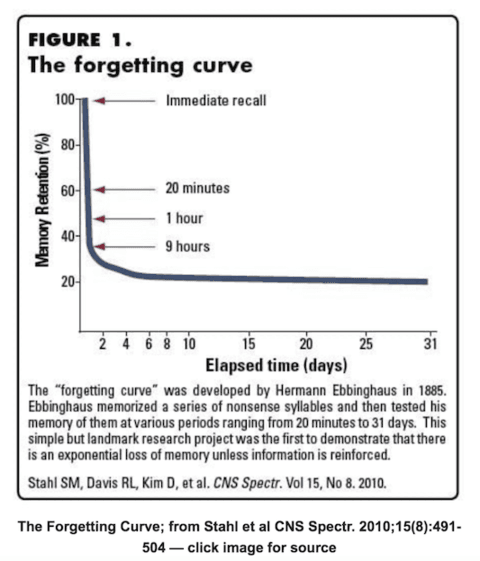
Spaced repetition leverages the psychological spacing effect, which suggests that information is better retained when learning sessions are spread out over time. Unlike cramming, which relies on massed practice, spaced repetition aligns with how the brain naturally consolidates memories. Here’s why it works:
- Memory consolidation: The brain strengthens neural connections during intervals between study sessions.
- Active recall: Repeated retrieval of information reinforces long-term retention.
- Forgetting curve: Spacing reviews just before forgetting occurs maximizes retention efficiency.
Cramming vs. Spaced Repetition: Retention Over Time
Cramming may yield short-term results, but it fails to promote durable learning. In contrast, spaced repetition ensures information is retained over months or years. Key differences include:
- Decay rate: Crammed information fades quickly, while spaced learning persists.
- Cognitive load: Spacing reduces mental fatigue by breaking study into manageable sessions.
- Transferability: Spaced repetition enhances the ability to apply knowledge in new contexts.
Optimal Scheduling for Spaced Repetition
Effective spaced repetition relies on strategically timed reviews. Tools like Anki or SuperMemo use algorithms to schedule intervals. Critical scheduling principles:
- Gradual expansion: Increase intervals between reviews as mastery improves.
- Adaptability: Adjust schedules based on individual performance.
- Initial frequency: Shorter intervals early on combat rapid forgetting.
Neurological Benefits of Spaced Learning
Spaced repetition positively impacts brain function by engaging long-term potentiation (LTP), a process vital for memory formation. Neurological advantages include:
- Synaptic strength: Repeated activation strengthens neural pathways.
- Hippocampal involvement: The hippocampus better encodes spaced-out information.
- Neuroplasticity: Spacing encourages adaptive changes in brain structure.
Practical Applications of Spaced Repetition
Beyond academics, spaced repetition is used in language learning, professional training, and skill acquisition. Practical implementations:
- Language apps: Duolingo and Memrise use spacing to teach vocabulary.
- Medical education: Students retain complex concepts for board exams.
- Corporate training: Employees master procedures through timed reviews.
Frequently Asked Questions (FAQ)
What is the difference between cramming and spaced repetition for learning Chinese?
Cramming involves intensive study sessions over a short period, often right before a test or deadline, while spaced repetition spreads learning over time with increasing intervals between reviews. Cramming may help with short-term retention, but it often leads to quick forgetting. In contrast, spaced repetition leverages the psychological spacing effect, reinforcing memory by revisiting material at optimal intervals, making it far more effective for long-term mastery of Chinese vocabulary and grammar.
When should I use cramming to learn Chinese?
Cramming can be useful in specific scenarios, such as preparing for an upcoming exam or a short-term goal like a presentation. However, it’s not ideal for building a strong foundation in Chinese, as the knowledge tends to fade quickly. If you need to memorize a set of phrases or characters urgently, cramming might provide temporary results, but it shouldn’t replace consistent, spaced learning for fluency.
Why is spaced repetition more effective for long-term Chinese learning?
Spaced repetition is scientifically proven to enhance long-term retention by systematically reinforcing material just as you’re about to forget it. For learning Chinese—a language with complex characters, tones, and grammar—this method ensures that vocabulary and structures move from short-term to long-term memory. Tools like Anki or Pleco’s SRS system automate this process, making it easier to retain thousands of characters and phrases efficiently over time.
Can I combine cramming and spaced repetition when learning Chinese?
Yes, a hybrid approach can be beneficial. Use cramming for immediate needs, like mastering a lesson before a class, but follow up with spaced repetition to solidify that knowledge. For example, after an intensive study session, input the material into an SRS tool to review it later. This way, you address short-term demands while still building enduring proficiency in Chinese.
Leave a Reply
Related Posts