
What is Double Ninth Festival in China?

The Double Ninth Festival, celebrated on the ninth day of the ninth lunar month, is one of China’s most enduring traditional holidays. Rooted in ancient customs, it symbolizes longevity, health, and respect for the elderly. Also known as Chongyang Festival, it dates back over 2,000 years, blending folklore, cultural practices, and seasonal observances. Activities often include climbing mountains, drinking chrysanthemum wine, and wearing dogwood to ward off misfortune. In modern times, the festival also highlights elder care, reflecting China’s cultural emphasis on filial piety. With its rich history and evolving significance, the Double Ninth Festival remains a vibrant celebration of heritage and family bonds.
What is the Double Ninth Festival in China?
The Double Ninth Festival, also known as Chongyang Festival, is a traditional Chinese holiday celebrated on the 9th day of the 9th lunar month. It is a day dedicated to honoring the elderly, promoting longevity, and enjoying autumn scenery. Rooted in ancient customs, the festival includes activities such as climbing mountains, drinking chrysanthemum wine, and wearing cornel branches to ward off evil spirits. The festival also carries deep cultural significance, symbolizing respect for ancestors and the importance of family bonds.
Origins and History of the Double Ninth Festival
The Double Ninth Festival dates back over 2,000 years to the Han Dynasty. It originated from the Yin-Yang philosophy, where the number nine is considered Yang (positive). Since the 9th day of the 9th month has double nines, it was believed to bring bad luck, leading people to develop customs to counteract misfortune. Over time, it evolved into a celebration of longevity and filial piety, especially during the Tang Dynasty, when it became an official festival.
See AlsoHow To Get Duolingo Music On Android: Installation Guide & Setup| Period | Significance |
|---|---|
| Han Dynasty | Origin based on Yin-Yang beliefs |
| Tang Dynasty | Became an official festival |
| Modern Times | Focus on elderly respect and family gatherings |
Traditional Customs and Activities
During the Double Ninth Festival, people engage in various traditional activities. Mountain climbing symbolizes overcoming challenges and achieving higher goals. Drinking chrysanthemum wine is believed to prevent disasters and promote health, while wearing cornel branches (a type of plant) is thought to ward off evil. Families also prepare special cakes called Chongyang cakes, which are layered to represent growth and progress.
| Activity | Meaning |
|---|---|
| Mountain Climbing | Symbolizes progress and resilience |
| Chrysanthemum Wine | Promotes longevity and health |
| Cornel Branches | Protection from evil spirits |
Symbolism of the Number Nine
In Chinese culture, the number nine (九, jiǔ) is the largest single-digit odd number, representing eternity and supremacy. The Double Ninth (9th day of the 9th month) is considered an auspicious yet dangerous day due to excessive Yang energy. To balance this, people perform rituals like wearing red and eating seasonal foods. The number also connects to imperial traditions, as ancient emperors associated it with divine power.
| Aspect | Symbolism |
|---|---|
| Number Nine | Eternity, Yang energy |
| Double Ninth | Balance through customs |
| Imperial Link | Connection to divine authority |
Modern Celebrations and Elderly Appreciation
Today, the Double Ninth Festival is also known as Seniors' Day in China, emphasizing respect for the elderly. Families visit older relatives, organize community events, and give gifts like health supplements. The government promotes charity initiatives for seniors, while schools teach children about filial piety. This modern adaptation preserves tradition while addressing contemporary values of aging populations.
See AlsoHow To Read Stories On Duolingo: Improve Reading Practice| Modern Practice | Purpose |
|---|---|
| Family Reunions | Strengthen intergenerational bonds |
| Community Events | Honor elderly contributions |
| Educational Programs | Teach respect for elders |
Regional Variations Across China
While the Double Ninth Festival is celebrated nationwide, customs vary by region. In Southern China, people eat rice cakes, while in the North, chrysanthemum tea is more common. Coastal areas may incorporate boat races, and rural communities hold ancestral ceremonies. These differences reflect China's diverse cultural landscape, blending local traditions with the festival's core themes.
| Region | Unique Custom |
|---|---|
| Southern China | Rice cakes (Chongyang gao) |
| Northern China | Chrysanthemum tea drinking |
| Coastal Areas | Festive boat competitions |
What is the story behind the Double Ninth Festival?
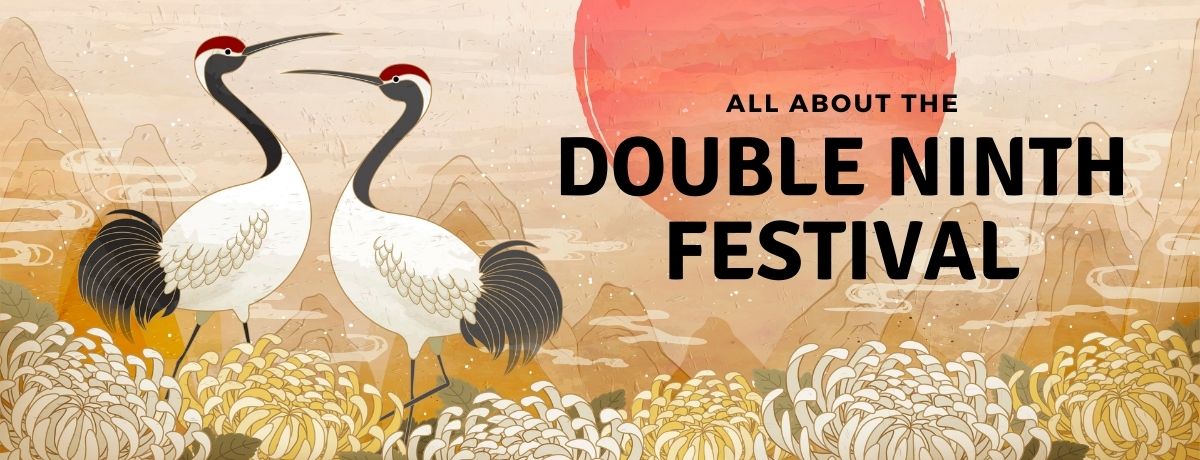
The Origins of the Double Ninth Festival
The Double Ninth Festival, also known as Chongyang Festival, dates back over 2,000 years to the Han Dynasty. Its origins are tied to ancient Chinese beliefs about yin and yang, where the number nine represents yang (positive energy). The festival occurs on the ninth day of the ninth lunar month, a day believed to be auspicious but also potentially dangerous due to excessive yang energy.
See AlsoShapeshifting Chinese characters- The festival began as a day to ward off misfortune and disasters.
- People would climb mountains, drink chrysanthemum wine, and wear dogwood to protect themselves.
- Over time, it evolved into a celebration of longevity, health, and respect for the elderly.
The Legend
What do you do in Double Ninth Festival?
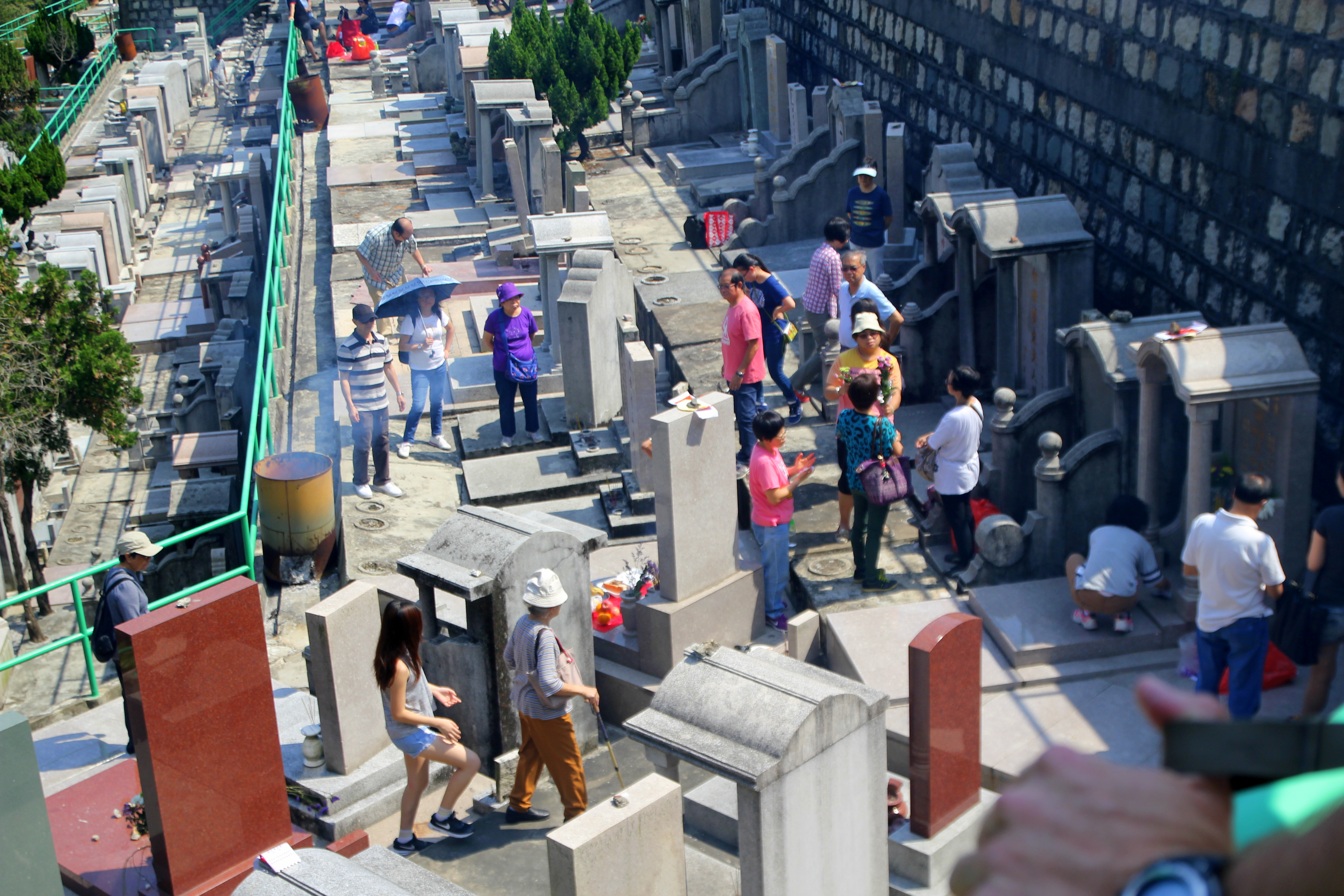
Climbing Mountains
During the Double Ninth Festival, one of the most common traditions is mountain climbing. This activity symbolizes overcoming obstacles and seeking good fortune. People often:
See AlsoLearn Chinese efficiently, not quickly- Hike scenic trails with family or friends to enjoy nature.
- Wear cornel leaves or carry chrysanthemum flowers for protection.
- Take in the autumn views while reflecting on personal growth.
Enjoying Chrysanthemum Tea
Chrysanthemum tea is a staple during the festival, believed to bring longevity and ward off misfortune. Common practices include:
- Brewing fresh chrysanthemum petals for a fragrant drink.
- Pairing the tea with Double Ninth cakes for a complete experience.
- Sharing the tea with elders as a gesture of respect and care.
Eating Double Ninth Cake
The Double Ninth cake (重阳糕) is a symbolic food eaten during the festival. Key aspects include:
- Made with layers of rice flour, nuts, and dried fruits.
- Representing the idea of rising higher in life, like climbing a mountain.
- Often gifted to seniors to honor their wisdom.
Honoring the Elderly
The festival emphasizes filial piety, with many activities centered around elders:
See AlsoThe importance of counting what counts when learning Chinese- Visiting grandparents or older relatives to show appreciation.
- Organizing family reunions or special meals for seniors.
- Gifting warm clothing or health supplements for the coming winter.
Flying Kites
Kite flying is a festive outdoor activity during the Double Ninth Festival:
- Kites are flown to symbolize letting go of bad luck.
- Often designed in vibrant colors and intricate shapes.
- Families compete to see whose kite flies the highest.
What is the purpose of the Chung Yeung Festival?
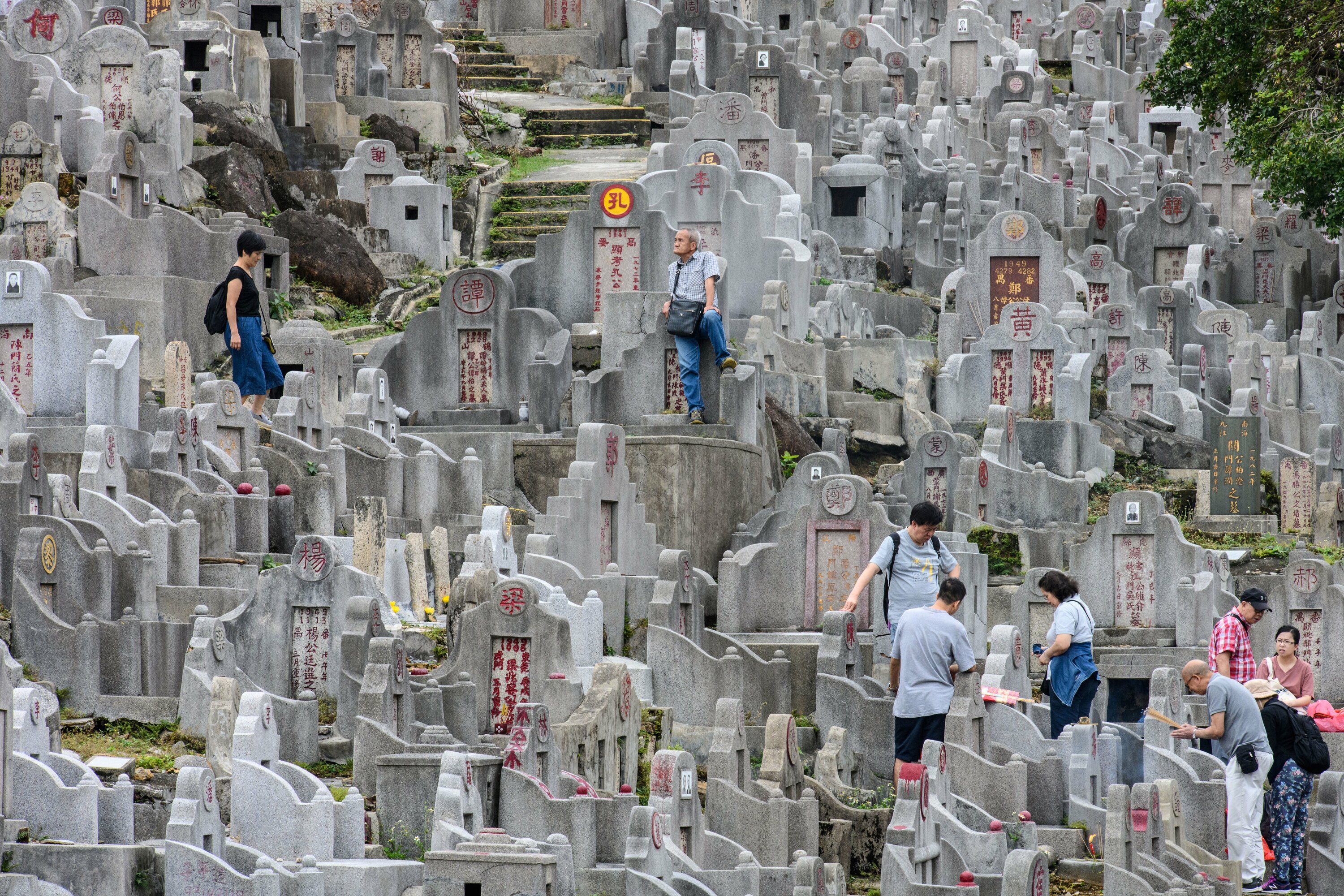
The Chung Yeung Festival, also known as the Double Ninth Festival, is a traditional Chinese holiday celebrated on the 9th day of the 9th lunar month. Its primary purpose is to honor ancestors, promote longevity, and ward off misfortune. The festival involves activities like climbing mountains, wearing chrysanthemums, and visiting ancestral graves to pay respects. It also serves as a time for family reunions and cultural preservation, reflecting deep-rooted Chinese traditions.
Historical Origins of the Chung Yeung Festival
The Chung Yeung Festival dates back over 2,000 years to the Han Dynasty. According to legend, a man named Huan Jing was advised by a sage to escape disaster by taking his family to a high place on the 9th day of the 9th month.
- It originated as a way to avoid epidemics and evil spirits.
- The festival later evolved to include ancestor worship and filial piety.
- Historical texts, such as the Book of Rites, reference similar autumn rituals.
Traditional Customs and Rituals
The festival is marked by unique customs that symbolize protection and respect.
- Climbing mountains represents escaping danger and achieving higher status.
- Wearing chrysanthemums is believed to ward off evil spirits and promote health.
- Eating Chung Yeung cake (a steamed cake) symbolizes prosperity and progress.
Ancestor Worship and Family Gatherings
A core aspect of the festival is honoring deceased relatives and strengthening family bonds.
- Families visit ancestral graves to clean them and offer food, incense, and paper money.
- It serves as a reminder of filial duty and cultural heritage.
- Modern celebrations often include reunions and shared meals.
Symbolism of Chrysanthemums in the Festival
Chrysanthemums hold deep meaning during the Chung Yeung Festival.
- They symbolize longevity and resilience in Chinese culture.
- Drinking chrysanthemum wine is believed to purify the body and extend life.
- The flower’s golden color represents wealth and good fortune.
Modern Celebrations and Adaptations
While rooted in tradition, the festival has adapted to contemporary lifestyles.
- Many people now use the holiday for outdoor activities like hiking or picnics.
- Some cities host cultural events, such as chrysanthemum exhibitions.
- Younger generations blend old rituals with new customs, ensuring its continuity.
What do people eat on the Double Ninth Festival?
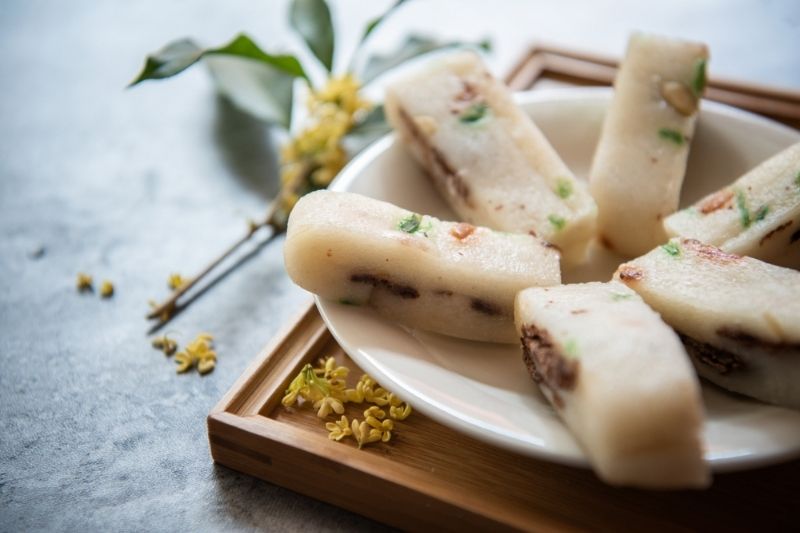
Traditional Chongyang Cake (Double Ninth Cake)
During the Double Ninth Festival, people often eat Chongyang Cake, a steamed rice cake made with ingredients like jujubes, chestnuts, and honey. This cake symbolizes prosperity and health.
- Jujubes are added for sweetness and longevity.
- Chestnuts provide a nutty flavor and represent strength.
- Honey is used to enhance taste and symbolize a sweet life.
Chrysanthemum Wine
Chrysanthemum wine is a traditional drink consumed during the festival, believed to ward off evil spirits and promote longevity.
- Made by steeping chrysanthemum petals in rice wine.
- Symbolizes purity and longevity.
- Often paired with Chongyang Cake for a balanced flavor.
Osmanthus Tea
Another popular beverage is osmanthus tea, known for its fragrant aroma and health benefits.
- Brewed with dried osmanthus flowers.
- Believed to improve digestion and mood.
- Often served warm during the festival.
Steamed Crab
In some regions, steamed crab is a festive dish enjoyed during the Double Ninth Festival.
- Crabs are in season during autumn, making them a fresh choice.
- Symbolizes wealth and good fortune.
- Often served with ginger vinegar sauce for added flavor.
Five-Colored Rice
Five-colored rice is a symbolic dish representing harmony and balance.
- Made with natural dyes from plants like turmeric and pandan.
- Each color represents a different element and blessing.
- Often shared among family members to strengthen bonds.
Frequently Asked Questions (FAQ)
What is the Double Ninth Festival in China?
The Double Ninth Festival, also known as Chongyang Festival, is a traditional Chinese holiday celebrated on the ninth day of the ninth lunar month. It is a day dedicated to honoring the elderly, enjoying autumn activities, and practicing customs believed to bring good health and longevity. The festival has deep cultural roots, dating back over 2,000 years, and is associated with climbing mountains, drinking chrysanthemum wine, and wearing cornel branches to ward off misfortune.
Why is the Double Ninth Festival celebrated?
The festival originated from ancient Chinese traditions that combined ancestral worship and nature appreciation. According to legend, the number nine is considered yang (positive energy), and the double ninth (9th day of the 9th month) was believed to be a day with excessive yang, which could bring danger. To counteract this, people developed rituals like climbing high places and consuming chrysanthemum wine for protection. Over time, it evolved into a day to respect elders and celebrate longevity.
What are the traditional customs of the Double Ninth Festival?
Key customs include mountain climbing, symbolizing the pursuit of higher goals and health, and drinking chrysanthemum wine, believed to purify the body and mind. Other traditions involve wearing cornel branches (a plant thought to repel evil), eating Chongyang cake (a layered dessert), and spending time with family, particularly the elderly. In modern times, the festival also includes community events and volunteer activities to support senior citizens.
Is the Double Ninth Festival a public holiday in China?
While the Double Ninth Festival is a significant cultural event, it is not a nationwide public holiday in China. However, it is recognized as Seniors' Day since 1989, emphasizing respect for the elderly. Some organizations and schools may hold special events, and families often take the opportunity to visit older relatives. In regions like Hong Kong and Macau, the day is observed more prominently with public activities and traditional practices.
Leave a Reply
Related Posts