
A language learner’s guide to reading comics in Chinese

Learning Chinese can be a thrilling yet challenging journey, and comics offer a fun and engaging way to improve your skills. With their visual storytelling, bite-sized dialogue, and cultural insights, Chinese comics—whether traditional manhua or webcomics—provide an accessible entry point for language learners. This guide explores how to leverage comics to expand vocabulary, grasp grammar in context, and understand colloquial expressions. From selecting beginner-friendly titles to using tools like pinyin and translation apps, you’ll discover practical strategies to make reading enjoyable and effective. Whether you're a novice or intermediate learner, dive into the vibrant world of Chinese comics and boost your language skills one panel at a time.
A Language Learner’s Guide to Reading Comics in Chinese
Why Comics Are Great for Learning Chinese
Reading comics in Chinese is an excellent way to improve your language skills. The combination of visual context and short dialogues helps reinforce vocabulary and grammar naturally. Unlike textbooks, comics provide cultural insights and colloquial expressions, making learning more engaging. Additionally, the repetitive nature of common phrases in comics aids memory retention.
| Benefit | Explanation |
|---|---|
| Visual Context | Images help clarify meanings without translation. |
| Colloquial Language | Exposes learners to everyday speech patterns. |
| Engagement | Storylines make learning enjoyable. |
Choosing the Right Chinese Comics for Beginners
Not all comics are equally beginner-friendly. Look for simple storylines, clear illustrations, and pinyin support if needed. Popular choices include Doraemon (哆啦A梦) and Crayon Shin-chan (蜡笔小新) due to their straightforward language. Manhua (Chinese comics) like The Outcast (一人之下) can be more challenging but rewarding.
See AlsoHow to Learn Chinese by Watching Chinese TV Dramas| Comic Title | Difficulty Level |
|---|---|
| Doraemon | Beginner |
| Crayon Shin-chan | Beginner |
| The Outcast | Intermediate |
Essential Vocabulary and Phrases in Chinese Comics
Chinese comics often use repeated phrases and sound effects (拟声词). Focus on common words like 哈哈 (haha, laughter) or 小心! (Be careful!). Annotating unfamiliar words and reviewing them later helps build vocabulary retention.
| Phrase | Meaning |
|---|---|
| 哈哈 | Haha (laughter) |
| 小心! | Be careful! |
| 快点! | Hurry up! |
Strategies for Understanding Chinese Comics Without Translation
Start by reading panel by panel, using visual cues to guess meanings. Highlight key characters (主角) and recurring words. If stuck, try breaking sentences into chunks or using a dictionary app for unknown characters.
| Strategy | Application |
|---|---|
| Visual Guessing | Use images to infer meanings. |
| Chunking | Divide sentences into smaller parts. |
| Dictionary Tools | Look up unfamiliar characters. |
Using Chinese Comics to Improve Pronunciation and Listening
Pair reading with audio versions or dramatizations of comics to practice listening comprehension. Shadowing (repeating dialogues aloud) improves pronunciation and intonation. Platforms like Bilibili offer animated versions of popular manhua.
See AlsoHow Chinese Language Can Help AI| Resource | Use |
|---|---|
| Audio Dramas | Listen to comic dialogues. |
| Shadowing | Repeat lines to mimic pronunciation. |
| Bilibili | Watch animated comic adaptations. |
Are comics a good way to learn a language?
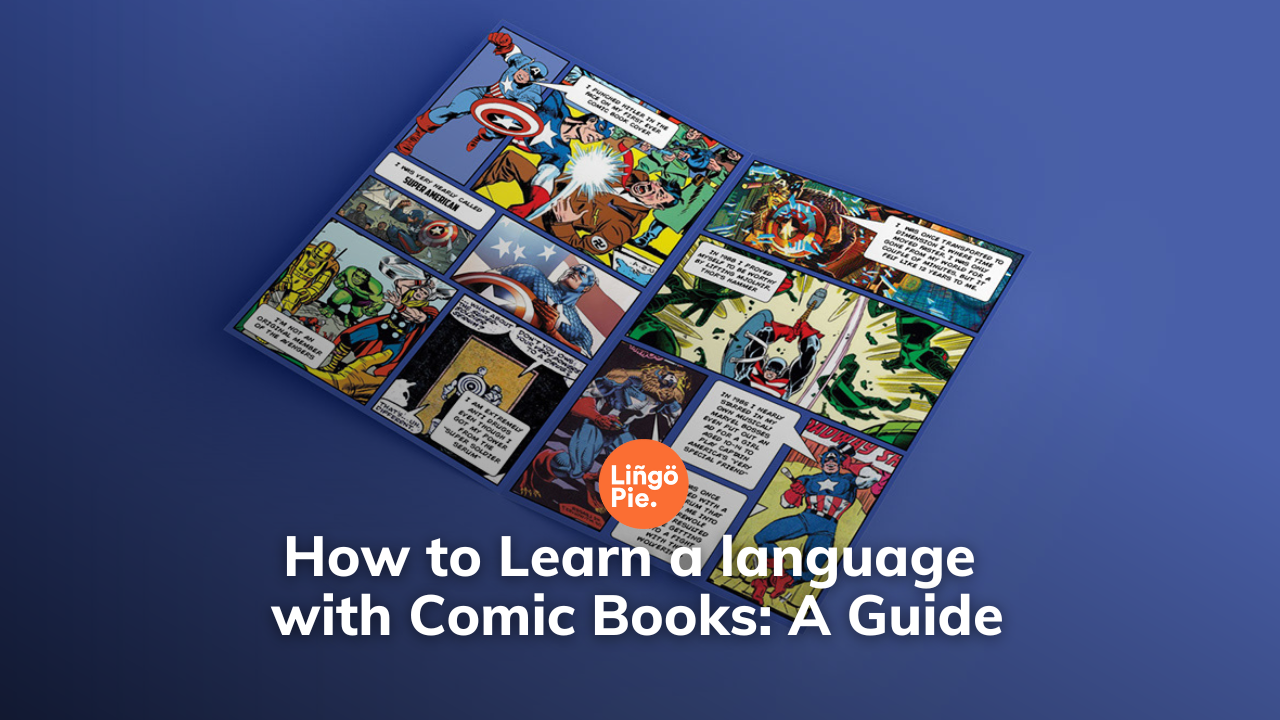
Why Comics Are Effective for Language Learning
Comics are a powerful tool for language learning because they combine visual context with written dialogue, making it easier to understand and retain new vocabulary. The sequential art format helps learners infer meaning from images, reducing reliance on translations. Additionally, the conversational nature of comics exposes learners to natural speech patterns and colloquial expressions.
- Visual cues aid comprehension by linking words to images.
- Short, digestible text prevents overwhelming learners.
- Engaging narratives increase motivation and retention.
Types of Comics Suitable for Language Learners
Not all comics are equally beneficial for language learning. Beginner-friendly comics with simple dialogue and clear visuals are ideal. Manga, graphic novels, and children's comics often use repetitive phrases and straightforward storytelling, which reinforce language patterns. Bilingual comics or those with glossaries can also be highly effective.
See AlsoReview: Mandarin Companion graded readers (Level 1)- Children's comics use basic vocabulary and grammar.
- Bilingual editions provide direct translations for comparison.
- Slice-of-life genres focus on everyday language usage.
How Comics Improve Vocabulary and Grammar
Comics expose learners to contextual vocabulary, helping them understand how words are used in real-life situations. The informal tone of many comics mirrors natural speech, teaching contractions, slang, and idiomatic expressions. Grammar structures are often simplified, making them easier to grasp without formal explanations.
- Repeated exposure to common phrases reinforces memory.
- Speech bubbles highlight conversational grammar.
- Onomatopoeia introduces unique linguistic elements.
The Role of Visual Storytelling in Comprehension
Visual storytelling in comics bridges the gap between unknown words and their meanings. Facial expressions, gestures, and scene settings provide clues that help learners deduce context without needing a dictionary. This method aligns with natural language acquisition, similar to how children learn through observation.
- Facial expressions convey emotions tied to dialogue.
- Panel sequencing clarifies cause-and-effect relationships.
- Background details reinforce situational vocabulary.
Potential Challenges of Using Comics for Language Learning
While comics are useful, they may present challenges such as informal language that doesn’t translate well to formal settings. Some comics use regional dialects or slang, which can confuse beginners. Additionally, learners might focus too much on visuals and neglect active vocabulary practice like speaking or writing.
See AlsoStir-fry Pickled Kale with Pork Mince and Bean- Over-reliance on images may hinder text comprehension.
- Slang-heavy dialogue isn’t always practical for formal use.
- Limited complexity may not suit advanced learners.
What is the most commonly used method for beginning language learners to read Chinese?

Pinyin as the Foundation for Reading Chinese
The most commonly used method for beginning language learners to read Chinese is through Pinyin, the romanization system for Mandarin. Pinyin helps learners associate Chinese characters with their pronunciation, making it easier to recognize and read words. Here’s why it’s effective:
- Pinyin provides a phonetic guide, breaking down characters into manageable syllables.
- It bridges the gap between spoken and written Chinese, allowing learners to sound out words.
- Many beginner textbooks and apps use Pinyin alongside characters to reinforce learning.
Graded Readers for Progressive Learning
Another popular method is using graded readers, which are books tailored to different proficiency levels. These books often include Pinyin and simple sentences to build reading skills gradually. Key benefits include:
See AlsoWhat Are Duolingo Gems For: Complete Usage Guide- They introduce high-frequency vocabulary in context, aiding comprehension.
- Stories are designed to be engaging while reinforcing character recognition.
- Some graded readers include audio support, helping learners connect pronunciation to text.
Flashcards for Character Memorization
Flashcards are a widely used tool for memorizing Chinese characters, especially apps like Anki or Pleco. They leverage spaced repetition to reinforce memory. Advantages include:
- Focus on individual characters or words, breaking down complexity.
- Visual and auditory cues strengthen recall and recognition.
- Customizable decks allow learners to target specific vocabulary or themes.
Learning Radicals and Character Components
Understanding radicals and character components is crucial for deciphering Chinese characters. Many beginners study these building blocks to recognize patterns. Key points:
- Radicals often hint at a character’s meaning or pronunciation.
- Breaking characters into components simplifies memorization.
- This method helps learners guess meanings of unfamiliar characters over time.
Using Apps and Digital Tools for Reading Practice
Digital tools like Duolingo, HelloChinese, or Pleco offer interactive ways to practice reading. These platforms combine Pinyin, characters, and quizzes. Benefits include:
- Interactive exercises reinforce character recognition and contextual usage.
- Many apps provide instant feedback, correcting pronunciation and comprehension errors.
- Gamification keeps learners motivated to progress through reading levels.
Where to read Chinese comics?

Best Websites to Read Chinese Comics Online
There are several websites where you can read Chinese comics (manhua) online. These platforms offer a wide range of genres, from action to romance, and often provide official translations.
- Webnovel - Hosts a variety of manhua alongside novels, with frequent updates.
- Bilibili Comics - A popular platform for officially licensed Chinese comics.
- Tapas - Features both free and premium manhua titles.
Free Platforms for Chinese Comics
If you're looking for free options, these platforms allow you to read Chinese comics without payment, though some may include ads.
- MangaDex - A community-driven site with fan-translated manhua.
- Comic Walker - Offers free chapters of various manhua series.
- Webtoon - While mainly Korean, it also hosts Chinese comics.
Official Publishers of Chinese Comics
For official releases, these publishers provide high-quality translations and support the creators directly.
- Tencent Comics - One of the largest platforms for licensed manhua.
- Kuaikan Manhua - Specializes in popular Chinese webcomics.
- Manhua Plus - Offers official English translations.
Mobile Apps for Reading Chinese Comics
If you prefer reading on your mobile device, these apps provide convenient access to Chinese comics.
- Webnovel App - Includes a vast library of manhua.
- Bilibili Comics App - Optimized for mobile reading.
- Tappytoon - Features a selection of Chinese comics.
Niche Genres in Chinese Comics
Chinese comics cover a wide range of niche genres, catering to diverse interests.
- Xianxia/Wuxia - Martial arts and fantasy adventures.
- Romance - Focused on love stories and drama.
- Historical - Set in ancient China with rich cultural themes.
Frequently Asked Questions (FAQ)
What are the benefits of reading comics for learning Chinese?
Reading comics is an excellent way to learn Chinese because it combines visual context with written language, making it easier to understand new vocabulary and grammar. The illustrations help reinforce meaning, while the dialogue provides natural, conversational phrases. Additionally, comics often include cultural references, helping learners grasp nuances and idiomatic expressions in a fun and engaging way.
How do I choose the right Chinese comics for my language level?
Selecting comics that match your language proficiency is crucial. Beginners should look for comics with simple vocabulary, short sentences, and pinyin annotations. Intermediate learners can try comics with more complex dialogue but still rely on visual cues. Advanced learners may explore native-level comics without pinyin to challenge comprehension. It's also helpful to start with genres you enjoy, as familiarity with the topic aids understanding.
What strategies can I use to maximize learning while reading Chinese comics?
To get the most out of reading Chinese comics, use active learning techniques such as highlighting new words, keeping a vocabulary journal, and revisiting difficult passages. Try reading aloud to improve pronunciation and intonation. Pairing comics with audio versions (if available) can also enhance listening skills. Don’t rush—take time to analyze sentence structures and cultural contexts to deepen comprehension.
Are there any recommended tools or resources to accompany Chinese comic reading?
Several tools can support your learning journey. Digital dictionaries like Pleco or Hanping allow quick word lookups. Language apps such as DuChinese or The Chairman’s Bao offer graded reading materials that complement comics. For handwriting practice, use Skritter to memorize characters. Joining online communities or forums where learners discuss Chinese comics can also provide motivation and additional insights into cultural nuances.
Leave a Reply
Related Posts