
How to learn Zhuyin (Bopomofo) in two hours

Learning Zhuyin (Bopomofo), the phonetic system used for Mandarin Chinese, may seem daunting at first, but with focused effort, it’s possible to grasp the basics in just two hours. This guide breaks down the process into simple, actionable steps, helping you recognize and pronounce each symbol efficiently. By understanding the structure, practicing with mnemonics, and engaging in targeted exercises, you’ll quickly build confidence in reading and writing Zhuyin. Whether you're preparing for language exams or enhancing your Mandarin skills, this accelerated approach ensures a solid foundation. Follow these strategies, and you’ll be decoding Bopomofo with ease in no time.
How to Learn Zhuyin (Bopomofo) in Two Hours: A Quick and Effective Guide
1. Understanding the Basics of Zhuyin (Bopomofo)
Zhuyin, also known as Bopomofo, is a phonetic system used to transcribe Mandarin Chinese sounds. It consists of 37 characters and 4 tone marks, making it an essential tool for pronunciation. Unlike Pinyin, which uses the Latin alphabet, Zhuyin relies on unique symbols derived from ancient Chinese characters. Learning the basics involves memorizing these symbols and their corresponding sounds.
| Component | Description |
|---|---|
| Initials | 21 consonant sounds (e.g., ㄅ for b) |
| Finals | 16 vowel sounds (e.g., ㄚ for a) |
| Tones | 4 marks indicating pitch (e.g., ˊ for the second tone) |
2. Memorizing Zhuyin Characters Efficiently
To learn Zhuyin quickly, focus on grouping similar sounds and using mnemonics. For example, ㄅ (b) resembles a b turned sideways. Create flashcards or use apps like Anki to drill the characters. Spend 30 minutes reviewing the symbols while associating them with their Pinyin equivalents.
See AlsoThe Input Pyramid: Chinese Listening for Any Situation| Technique | Example |
|---|---|
| Visual Association | ㄇ (m) looks like a mouth |
| Grouping | Learn ㄉ (d), ㄊ (t), and ㄋ (n) together |
3. Practicing Pronunciation with Zhuyin
Once you recognize the symbols, practice reading aloud simple syllables like ㄅㄚ (ba) or ㄍㄜ (ge). Use online resources like YouTube tutorials or language apps to hear native speakers. Repeat each sound 10 times to reinforce muscle memory.
| Exercise | Purpose |
|---|---|
| Mimic Native Speakers | Improve accent and tone accuracy |
| Record Yourself | Compare your pronunciation |
4. Combining Zhuyin with Tones
Mandarin tones are crucial, so practice Zhuyin with tone marks (e.g., ㄅㄚˊ for bá). Start with single-syllable words, then progress to phrases. Use tone drills to distinguish between mā (mother) and mà (scold).
| Tone | Mark | Example |
|---|---|---|
| 1st (Flat) | None | ㄇㄚ (mā) |
| 2nd (Rising) | ˊ | ㄇㄚˊ (má) |
5. Testing Your Zhuyin Knowledge in Two Hours
After 90 minutes of study, test yourself with quizzes or dictation exercises. Write random Zhuyin symbols and say their sounds aloud. Use apps like Memrise for interactive practice. Aim for 80% accuracy before moving on.
See AlsoLearning Chinese by playing board games| Test Method | Goal |
|---|---|
| Flashcard Recall | Identify all 37 characters |
| Spelling Practice | Transcribe Pinyin to Zhuyin |
Is Zhuyin hard to learn?
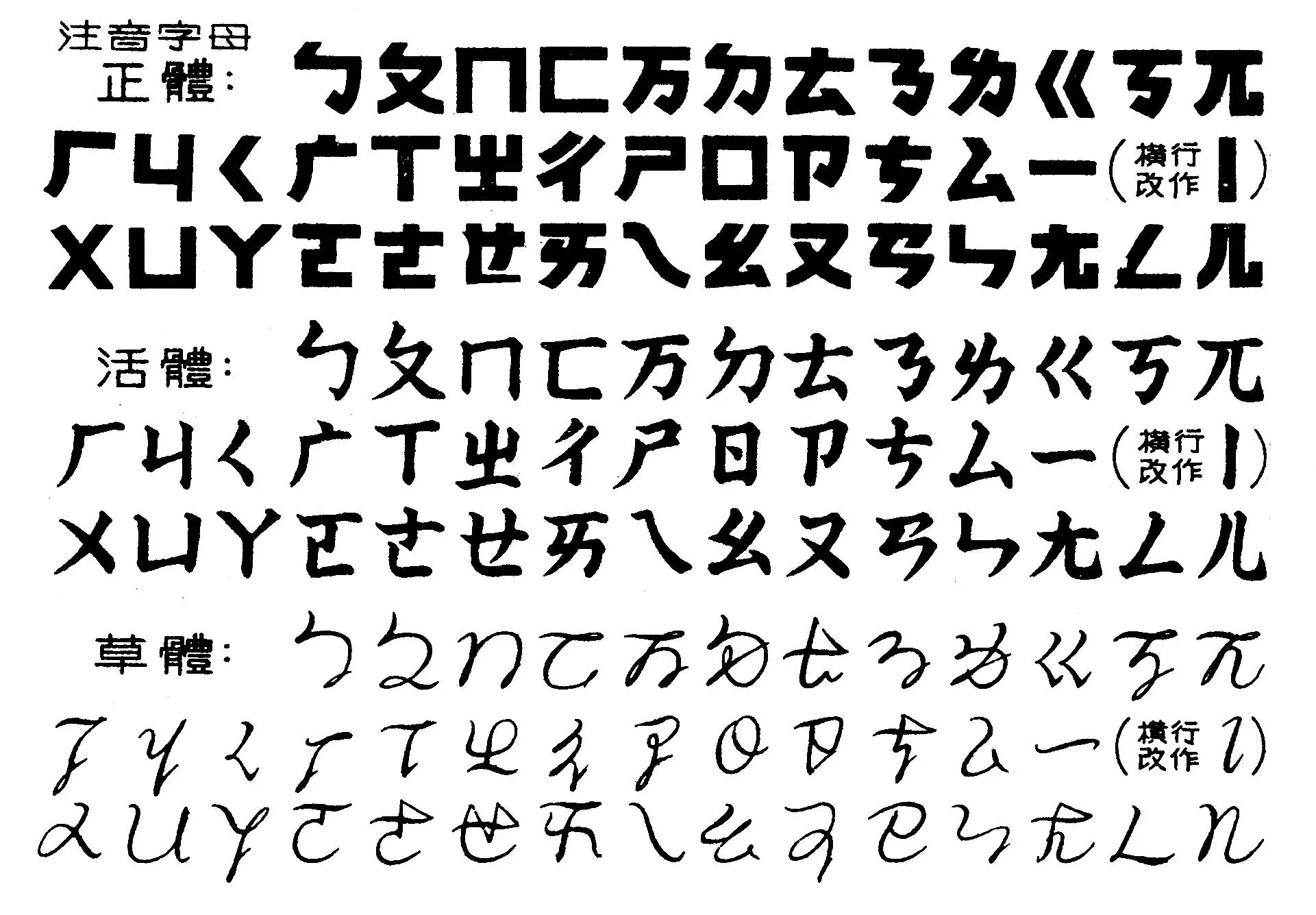
What is Zhuyin and How Does It Work?
Zhuyin, also known as Bopomofo, is a phonetic system used primarily in Taiwan to teach Mandarin pronunciation. It consists of 37 characters and 4 tone marks, representing sounds rather than meanings. Unlike Pinyin, which uses the Latin alphabet, Zhuyin employs unique symbols derived from ancient Chinese characters. Here’s how it functions:
- Symbols: Each Zhuyin character corresponds to a specific Mandarin sound (e.g., ㄅ for b).
- Syllables: Combines initial consonants, medials, and finals to form syllables.
- Tones: Uses diacritics to indicate the four Mandarin tones.
Is Zhuyin More Difficult Than Pinyin?
Comparing Zhuyin to Pinyin depends on the learner’s background. For English speakers, Pinyin might seem easier initially due to familiarity with the Latin alphabet. However, Zhuyin has advantages:
See AlsoHow and why to learn and teach Chinese through games- Precision: Avoids confusion from English pronunciation habits (e.g., q in Pinyin vs. ch in Zhuyin).
- Consistency: Symbols are designed solely for Mandarin, reducing ambiguity.
- Typing: Zhuyin input methods are efficient for typing Chinese characters.
How Long Does It Take to Learn Zhuyin?
Mastering Zhuyin typically takes 2–4 weeks with consistent practice. Factors influencing the learning curve include:
- Prior Knowledge: Familiarity with Mandarin sounds speeds up the process.
- Study Methods: Flashcards, apps, or writing drills can enhance retention.
- Usage Frequency: Daily practice accelerates proficiency.
What Are the Challenges of Learning Zhuyin?
While Zhuyin is logical, learners may face hurdles such as:
- Symbol Recognition: Memorizing unfamiliar characters requires repetition.
- Tone Marks: Accurately applying tones can be tricky for beginners.
- Limited Resources: Fewer learning materials compared to Pinyin.
Tips for Mastering Zhuyin Efficiently
To overcome challenges, consider these strategies:
- Start with Basics: Focus on initials (ㄅ, ㄆ, ㄇ) before advancing to finals.
- Use Mnemonics: Associate symbols with sounds or images (e.g., ㄇ resembles a mouth).
- Practice Typing: Reinforce learning through Zhuyin keyboard input.
Is Bopomofo better than pinyin?
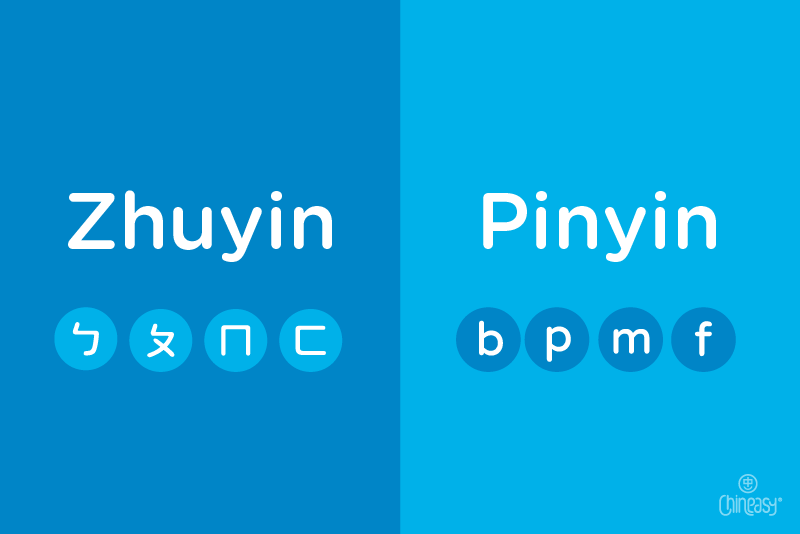
What is Bopomofo and How Does It Compare to Pinyin?
Bopomofo (Zhuyin Fuhao) is a phonetic script used primarily in Taiwan to teach Mandarin pronunciation, while Pinyin is the Romanization system widely adopted in mainland China and internationally. The key differences include:
- Script: Bopomofo uses unique symbols, whereas Pinyin relies on the Latin alphabet.
- Learning Curve: Bopomofo avoids confusion with English pronunciation but requires memorizing new characters.
- Usage: Pinyin is more globally recognized, while Bopomofo remains dominant in Taiwanese education.
Advantages of Bopomofo Over Pinyin
Bopomofo offers several benefits for Mandarin learners, particularly in accuracy and early education:
- Pronunciation Precision: Its symbols eliminate ambiguity tied to Latin letters (e.g., q or x in Pinyin).
- No Interference: Learners avoid mixing Mandarin sounds with English letter pronunciations.
- Taiwanese Focus: Ideal for those studying Traditional Chinese or planning to reside in Taiwan.
Advantages of Pinyin Over Bopomofo
Pinyin is often preferred for its accessibility and global integration:
- Familiarity: Uses the Latin alphabet, reducing the initial learning barrier.
- Tech Compatibility: Supported by most input methods and digital platforms worldwide.
- Standardization: Officially used in mainland China and UNESCO documents.
Which System is Easier for Beginners?
The ease of learning depends on the learner's background and goals:
- English Speakers: Pinyin may feel more intuitive due to alphabet familiarity.
- Young Learners: Bopomofo’s symbols can reinforce pronunciation without Latin letter interference.
- Long-Term Goals: Pinyin suits those focusing on mainland China, while Bopomofo aligns with Taiwanese Mandarin.
Cultural and Regional Preferences
Regional adoption plays a significant role in choosing between the two systems:
- Taiwan: Bopomofo is the standard in schools and local media.
- Mainland China: Pinyin is mandatory in education and official communications.
- International Context: Pinyin dominates textbooks and language apps globally.
Does Taiwan still use Zhuyin?
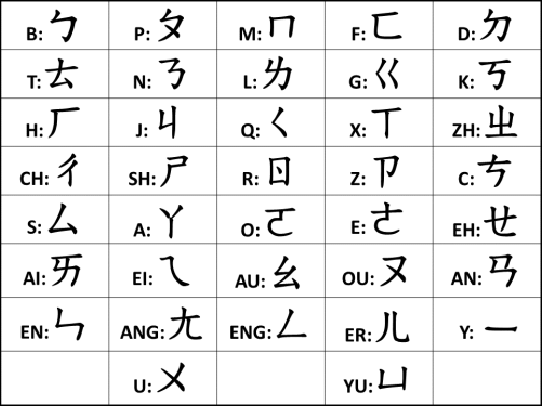
Is Zhuyin Still the Primary Phonetic System in Taiwan?
Yes, Zhuyin (also known as Bopomofo) remains the primary phonetic system used in Taiwan for teaching Mandarin, especially in early education. It is deeply integrated into the educational system and daily life.
- Elementary schools in Taiwan teach Zhuyin before introducing Chinese characters.
- It is used for typing input methods on computers and smartphones.
- Most children's books and learning materials include Zhuyin annotations.
How Does Zhuyin Compare to Pinyin in Taiwan?
While Zhuyin is dominant in Taiwan, Hanyu Pinyin is also recognized, particularly in contexts like international communication or tourism.
- Zhuyin is preferred for local education and official documents.
- Pinyin is more common in Romanized texts, such as street signs or passports.
- Some universities offer Pinyin as an alternative for foreign students.
Why Does Taiwan Continue to Use Zhuyin Instead of Pinyin?
Taiwan's continued use of Zhuyin is tied to historical and cultural identity, as well as practical educational benefits.
- It was adopted in the early 20th century and became a standard in Taiwan.
- Zhuyin avoids Romanization conflicts, preserving linguistic uniqueness.
- Studies suggest it helps children learn characters more effectively.
Where Is Zhuyin Most Commonly Seen in Taiwan?
Zhuyin appears in various everyday contexts across Taiwan, reinforcing its widespread usage.
- Textbooks and children's literature feature Zhuyin annotations.
- Public transportation announcements sometimes include Zhuyin.
- It is used in dictionaries and language-learning apps.
Are There Any Movements to Replace Zhuyin with Pinyin in Taiwan?
While some advocate for Pinyin adoption, there is no significant movement to replace Zhuyin in Taiwan.
- Traditionalists argue Zhuyin is better suited for Mandarin phonetics.
- Proponents of Pinyin highlight its global use but face resistance.
- Government policies continue to support Zhuyin in education.
Frequently Asked Questions (FAQ)
Is it really possible to learn Zhuyin (Bopomofo) in just two hours?
Learning Zhuyin (Bopomofo) in two hours is an ambitious goal, but it depends on your prior experience with language learning and phonetic systems. While you may not achieve full mastery in such a short time, you can certainly familiarize yourself with the basic symbols, sounds, and structure of Zhuyin. Focus on memorizing the 37 characters and their corresponding sounds, as well as practicing simple syllables. Using mnemonics, flashcards, and repetition can significantly speed up the process.
What are the best resources to learn Zhuyin quickly?
To learn Zhuyin efficiently in a short time, use interactive tools like apps (Duolingo, Memrise), YouTube tutorials, or dedicated websites (Bopomofo Master). Flashcards (physical or digital) are excellent for memorization, while audio recordings help with pronunciation. Additionally, practicing with native speakers or language exchange partners can reinforce your learning. Combining multiple resources will maximize your retention in the limited two-hour window.
How can I practice Zhuyin pronunciation effectively?
Pronunciation is a critical aspect of learning Zhuyin. Start by listening to native speakers or high-quality audio guides to mimic the sounds accurately. Break down each symbol into its initial, medial, and final components, and practice them separately before combining them. Use minimal pairs (similar-sounding symbols) to train your ear. Recording yourself and comparing it to native pronunciation can also highlight areas for improvement. Consistent repetition and feedback are key to mastering Zhuyin pronunciation quickly.
What are common mistakes when learning Zhuyin, and how can I avoid them?
Many learners confuse similar-looking symbols (e.g., ㄅ (b) and ㄆ (p)) or mispronounce tones. To avoid this, focus on visual and auditory differentiation early on. Another mistake is neglecting tone marks, which are essential in Mandarin. Practice tones alongside Zhuyin symbols to build a strong foundation. Finally, rushing through memorization without active recall can lead to quick forgetting. Instead, use spaced repetition techniques to reinforce your memory over the two-hour session.
Leave a Reply
Related Posts