
How and why to learn and teach Chinese through games

Learning Chinese can be a challenging yet rewarding experience, and incorporating games into the process makes it both engaging and effective. Games naturally foster motivation, encourage repetition, and create a low-pressure environment for practice—key elements in language acquisition. For learners, interactive activities like word puzzles, role-playing, or digital apps turn memorization into fun, while teachers can use games to reinforce lessons and assess progress dynamically. Whether in classrooms or at home, gamified learning bridges the gap between study and play, helping students retain vocabulary, grasp grammar, and build confidence. Discover how games can transform Chinese language education into an enjoyable adventure for all ages.
How and Why to Learn and Teach Chinese Through Games
The Benefits of Learning Chinese Through Games
Learning Chinese through games makes the process engaging and interactive. Unlike traditional methods, games reduce stress, increase motivation, and improve retention by making learning fun. Studies show that gamification enhances memory and cognitive skills, making it ideal for mastering tones, characters, and vocabulary.
| Benefit | Impact |
|---|---|
| Engagement | Higher motivation to learn |
| Memory Retention | Better recall of characters & tones |
| Stress Reduction | More enjoyable learning experience |
Best Types of Games for Learning Chinese
Different game formats suit various learning goals. Word-matching games reinforce vocabulary, while role-playing games (RPGs) improve conversational skills. Flashcard-based apps like Anki or Quizlet help with memorization, whereas interactive storytelling games enhance comprehension.
See AlsoAchieving the impossible by being inspired| Game Type | Skill Developed |
|---|---|
| Word Matching | Vocabulary building |
| RPGs | Conversational fluency |
| Flashcard Apps | Character memorization |
How to Teach Chinese Using Games
Educators can integrate games into lessons by setting clear objectives, such as mastering 10 new words per session. Competitive quizzes and team-based challenges encourage participation, while digital platforms like Duolingo or HelloChinese provide structured progress tracking.
| Teaching Method | Outcome |
|---|---|
| Competitive Quizzes | Boosts participation |
| Team Challenges | Encourages collaboration |
| Digital Platforms | Tracks student progress |
Why Games Improve Chinese Pronunciation
Games with voice recognition (e.g., Pinyin trainers) provide instant feedback, helping learners mimic native tones accurately. Karaoke-style games and tongue twisters also strengthen pronunciation by making repetitive practice enjoyable.
| Game Feature | Pronunciation Benefit |
|---|---|
| Voice Recognition | Corrects tone errors |
| Karaoke Games | Improves fluency & rhythm |
Popular Apps and Tools for Gamified Chinese Learning
Several apps and platforms specialize in gamified Chinese learning. Duolingo uses streaks and rewards, HelloChinese focuses on interactive exercises, and Skritter aids character writing. These tools combine play and education effectively.
See AlsoHow Do You Speak Chinese - 8 Easy Starting Points| App | Key Feature |
|---|---|
| Duolingo | Reward-based lessons |
| HelloChinese | Speech recognition |
| Skritter | Character writing practice |
How do you teach Chinese in a fun way?
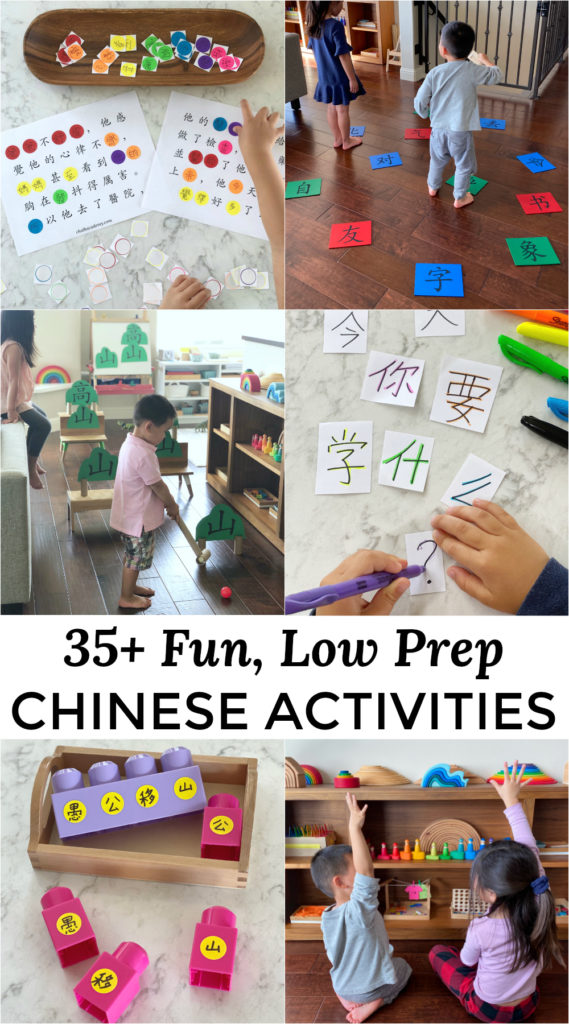
Incorporate Interactive Games and Activities
Using interactive games is a fantastic way to make learning Chinese enjoyable. Games engage students and reinforce vocabulary, grammar, and pronunciation in a relaxed setting. Here are some effective methods:
- Charades: Students act out Chinese words or phrases while others guess, reinforcing vocabulary.
- Flashcard races: Teams compete to match Chinese characters with their meanings or pinyin.
- Board games: Customized games like Scrabble with Chinese characters or trivia quizzes.
Use Multimedia and Technology
Leveraging multimedia tools keeps lessons dynamic and caters to different learning styles. Here’s how:
See AlsoHow To Learn Maths In Duolingo: Fast Track to Number Skills in 2025- Chinese songs and karaoke: Improves pronunciation and memorization through rhythm.
- Animated videos: Short clips with subtitles help with listening and comprehension.
- Language apps: Apps like Duolingo or HelloChinese turn practice into a game.
Role-Playing and Real-Life Scenarios
Role-playing immerses students in practical language use. Simulating real-life situations builds confidence and fluency:
- Mock restaurant: Students order food in Chinese using menus and props.
- Travel scenarios: Practicing directions, buying tickets, or asking for help.
- Job interviews: Enhances formal vocabulary and conversational skills.
Integrate Cultural Elements
Teaching Chinese culture alongside language makes lessons more engaging and meaningful:
- Festivals: Celebrate events like Lunar New Year with traditions, food, and related vocabulary.
- Calligraphy: Students practice writing characters with brushes, linking art to language.
- Storytelling: Share folktales or idioms to teach history and context.
Encourage Group Collaboration
Group work fosters teamwork and makes learning social and fun:
- Skits and plays: Students write and perform short dialogues in Chinese.
- Peer teaching: Advanced students explain concepts to classmates, reinforcing their knowledge.
- Language exchange: Pairing with native speakers for casual conversation practice.
Why games are important in language learning?
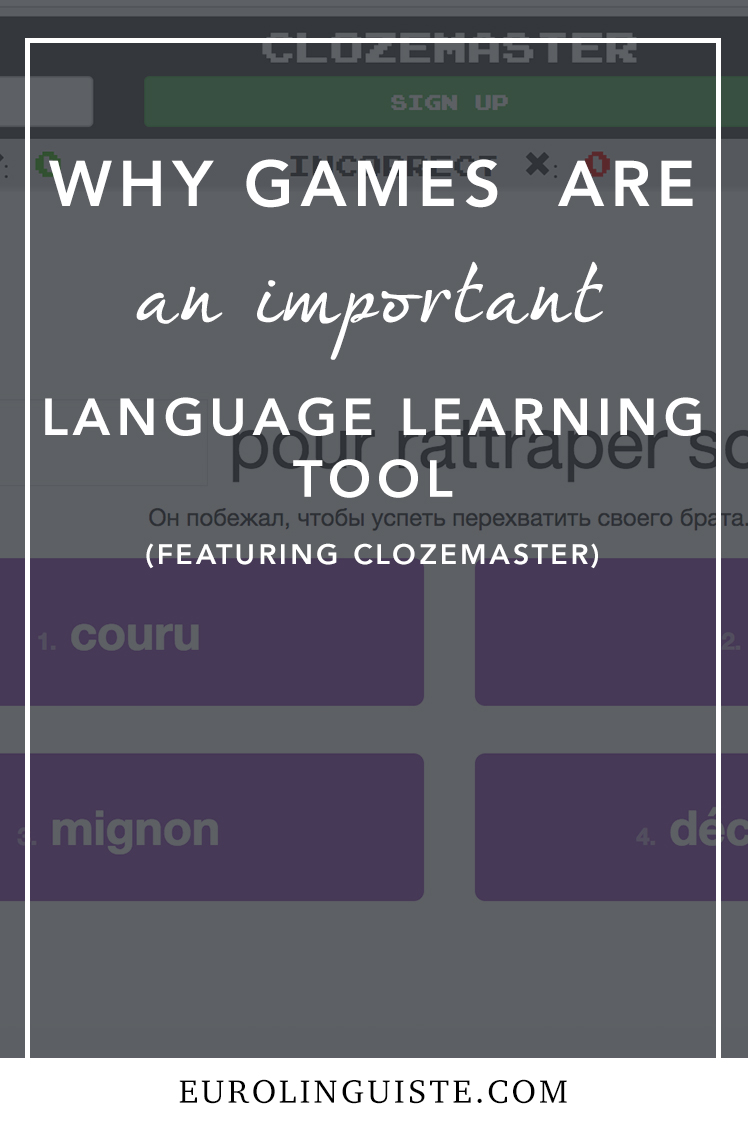
Enhancing Engagement and Motivation
Games make language learning interactive and enjoyable, which helps maintain learners' interest and motivation. When students are engaged, they are more likely to retain information and practice consistently. Key benefits include:
- Reduced anxiety: Games create a low-pressure environment, encouraging participation without fear of mistakes.
- Immediate feedback: Players quickly see the results of their actions, reinforcing correct usage.
- Goal-oriented tasks: Clear objectives in games mirror real-life language use, making learning purposeful.
Improving Memory Retention
Games leverage repetition and contextual learning, which are critical for memorizing vocabulary and grammar. The brain retains information better when it's associated with fun experiences. Notable advantages are:
- Spaced repetition: Games often recycle words and structures, reinforcing memory over time.
- Visual and auditory cues: Many games use images, sounds, and stories to strengthen recall.
- Active participation: Players process language more deeply by making decisions and solving problems.
Encouraging Practical Language Use
Games simulate real-world scenarios, allowing learners to practice language in meaningful contexts. This bridges the gap between theory and practical application. Key aspects include:
- Conversational practice: Multiplayer or role-playing games mimic dialogues and social interactions.
- Cultural immersion: Some games incorporate cultural elements, teaching idioms and customs.
- Adaptive challenges: Difficulty levels adjust to the learner’s proficiency, ensuring relevance.
Fostering Collaboration and Communication
Multiplayer or team-based games promote peer interaction, which is essential for developing fluency. Collaborative tasks require negotiation, explanation, and feedback. Highlights include:
- Teamwork: Players must communicate clearly to achieve shared goals.
- Diverse perspectives: Interacting with other learners exposes players to different accents and expressions.
- Social bonding: Shared experiences build confidence and reduce isolation in learning.
Making Learning Accessible and Flexible
Games offer on-demand practice, fitting into busy schedules and catering to individual learning paces. Digital platforms allow learners to study anytime, anywhere. Key features are:
- Portability: Mobile apps and online games enable practice during downtime.
- Personalization: Learners can focus on weak areas through targeted mini-games.
- Variety: Different game types (puzzles, quizzes, simulations) address diverse learning styles.
How does playing games help learning?
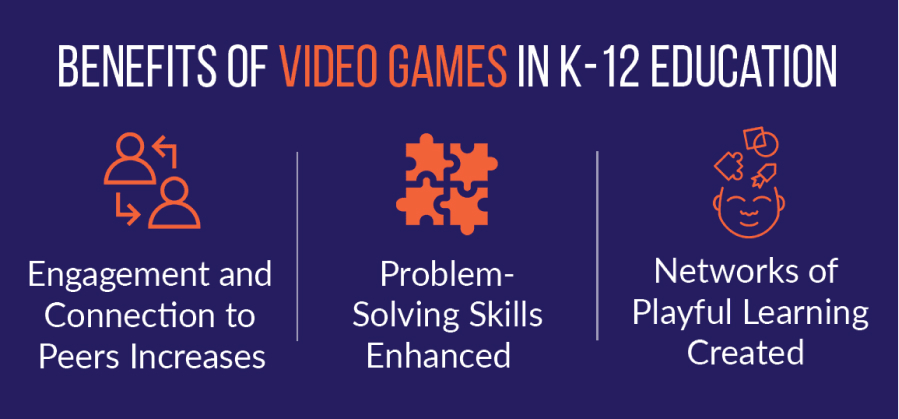
Enhancing Cognitive Skills Through Gaming
Playing games strengthens cognitive abilities by requiring players to solve problems, make quick decisions, and adapt to new scenarios. For example:
- Problem-solving: Games often present puzzles or challenges that require logical thinking.
- Memory improvement: Remembering rules, strategies, or in-game information enhances recall.
- Attention span: Fast-paced games train focus and multitasking skills.
Boosting Motivation and Engagement
Games make learning interactive and enjoyable, increasing motivation. Key aspects include:
- Reward systems: Points, badges, or levels encourage persistence.
- Immediate feedback: Players learn from mistakes in real-time.
- Personalized pacing: Learners progress at their own speed.
Multiplayer or team-based games foster social interaction and teamwork:
- Communication: Players coordinate strategies or share ideas.
- Empathy: Role-playing games help understand diverse perspectives.
- Leadership: Some games require delegating tasks or guiding peers.
Improving Hand-Eye Coordination and Reflexes
Action-oriented games enhance physical and mental reflexes:
- Precision: Games like simulations or shooters improve accuracy.
- Reaction time: Quick responses to in-game events train agility.
- Fine motor skills: Controller or keyboard use refines dexterity.
Encouraging Creativity and Experimentation
Games provide a safe space for creativity and exploration:
- Open-world games: Players design strategies or build environments.
- Storytelling: Narrative-driven games inspire imaginative thinking.
- Trial and error: Experimenting without real-world consequences builds confidence.
Frequently Asked Questions (FAQ)
Why is learning Chinese through games effective?
Learning Chinese through games is highly effective because it engages multiple cognitive processes simultaneously. Games create an immersive environment where learners naturally absorb vocabulary, grammar, and pronunciation without feeling pressured. The element of fun and competition motivates students to practice more frequently, reinforcing memory retention. Additionally, games often simulate real-life scenarios, helping learners apply their knowledge in practical contexts, which is crucial for mastering a language like Chinese with its unique characters and tones.
What types of games work best for teaching Chinese?
The most effective games for teaching Chinese are those that combine interactivity with language practice. Examples include word-matching games for vocabulary building, role-playing games for conversational skills, and character-writing challenges to master strokes. Digital apps like Duolingo or Quizlet offer gamified lessons, while traditional board games like Pictionary adapted for Chinese characters can be equally engaging. The key is to choose games that align with the learners' proficiency levels and learning goals.
How can teachers integrate games into Chinese language lessons?
Teachers can seamlessly integrate games into lessons by balancing structure with playfulness. Start with a warm-up game to review previous material, such as a quick round of flashcards or a charades-style activity. During the lesson, use interactive quizzes or team competitions to reinforce new concepts. For younger learners, story-based games or sing-alongs can make lessons memorable. The goal is to ensure games complement the curriculum rather than distract from it, keeping the focus on language acquisition.
What are the long-term benefits of learning Chinese through games?
The long-term benefits of this approach include sustained motivation and deeper language retention. Games reduce the fear of making mistakes, encouraging learners to experiment with the language. Over time, this builds confidence and fluency. Moreover, the collaborative nature of many games fosters cultural understanding and communication skills, which are essential for mastering Chinese. By making learning enjoyable, students are more likely to continue studying the language beyond formal education, achieving proficiency in the long run.
Leave a Reply
Related Posts