
What Chinese In Duolingo: Features & Course Review


Learning Chinese has become increasingly popular due to its global significance, and Duolingo has emerged as a go-to platform for language learners. The Chinese course on Duolingo offers a structured and interactive way to master Mandarin, catering to beginners and intermediate learners alike. This article explores the features of the Chinese Duolingo course, including its gamified lessons, pronunciation tools, and cultural insights. Additionally, it provides an in-depth review of the course’s strengths and limitations, helping prospective learners determine if it aligns with their language goals. Whether you’re starting from scratch or refining your skills, this guide offers valuable insights into what Duolingo’s Chinese course has to offer.
What Chinese in Duolingo: Features & Course Review
Duolingo is one of the most popular language-learning platforms, and its Chinese course has gained significant attention. This review will explore the features, structure, and effectiveness of the Chinese course on Duolingo, helping learners decide if it’s the right tool for mastering Mandarin.
Overview of Duolingo’s Chinese Course
Duolingo’s Chinese course is designed for beginners and intermediate learners. It focuses on Mandarin Chinese, the most widely spoken dialect, and covers essential skills like vocabulary, grammar, pronunciation, and character recognition. The course is structured into levels, each containing multiple lessons that gradually increase in difficulty. The platform uses a gamified approach, making learning engaging and interactive.
See AlsoBabbel vs Rosetta Stone vs Duolingo: Comparison of Top AppsKey Features of Duolingo’s Chinese Course
Duolingo offers several unique features to enhance the learning experience. These include speech recognition for practicing pronunciation, character writing exercises, and listening comprehension activities. The app also provides daily goals, streaks, and leaderboards to motivate users. Additionally, Duolingo’s Duolingo Plus subscription offers offline access and an ad-free experience.
Strengths of the Chinese Course
The Chinese course on Duolingo has several strengths. It’s accessible and user-friendly, making it ideal for beginners. The gamified approach keeps learners motivated, and the spaced repetition system ensures long-term retention of vocabulary. The course also introduces Pinyin and Hanzi (Chinese characters) in a structured manner, helping learners build a solid foundation.
Limitations of the Chinese Course
Despite its strengths, Duolingo’s Chinese course has some limitations. The course lacks in-depth cultural context and advanced grammar explanations. It also focuses more on vocabulary acquisition than conversational fluency. Additionally, the speech recognition feature can sometimes be inconsistent, making it challenging for learners to perfect their pronunciation.
See AlsoDuolingo Max vs Super: Pricing, Features, and Value ComparedComparison with Other Language Learning Platforms
When compared to other platforms like Rosetta Stone, Babbel, or HelloChinese, Duolingo stands out for its free accessibility and gamified learning style. However, platforms like HelloChinese offer more comprehensive content for Mandarin learners, including cultural insights and advanced grammar lessons. Below is a comparison table:
| Feature | Duolingo | HelloChinese | Rosetta Stone |
|---|---|---|---|
| Cost | Free (with optional Plus subscription) | Freemium | Paid |
| Gamification | High | Moderate | Low |
| Cultural Context | Limited | Extensive | Moderate |
| Speech Recognition | Basic | Advanced | Advanced |
| Character Writing | Yes | Yes | No |
Which version of Chinese is on Duolingo?
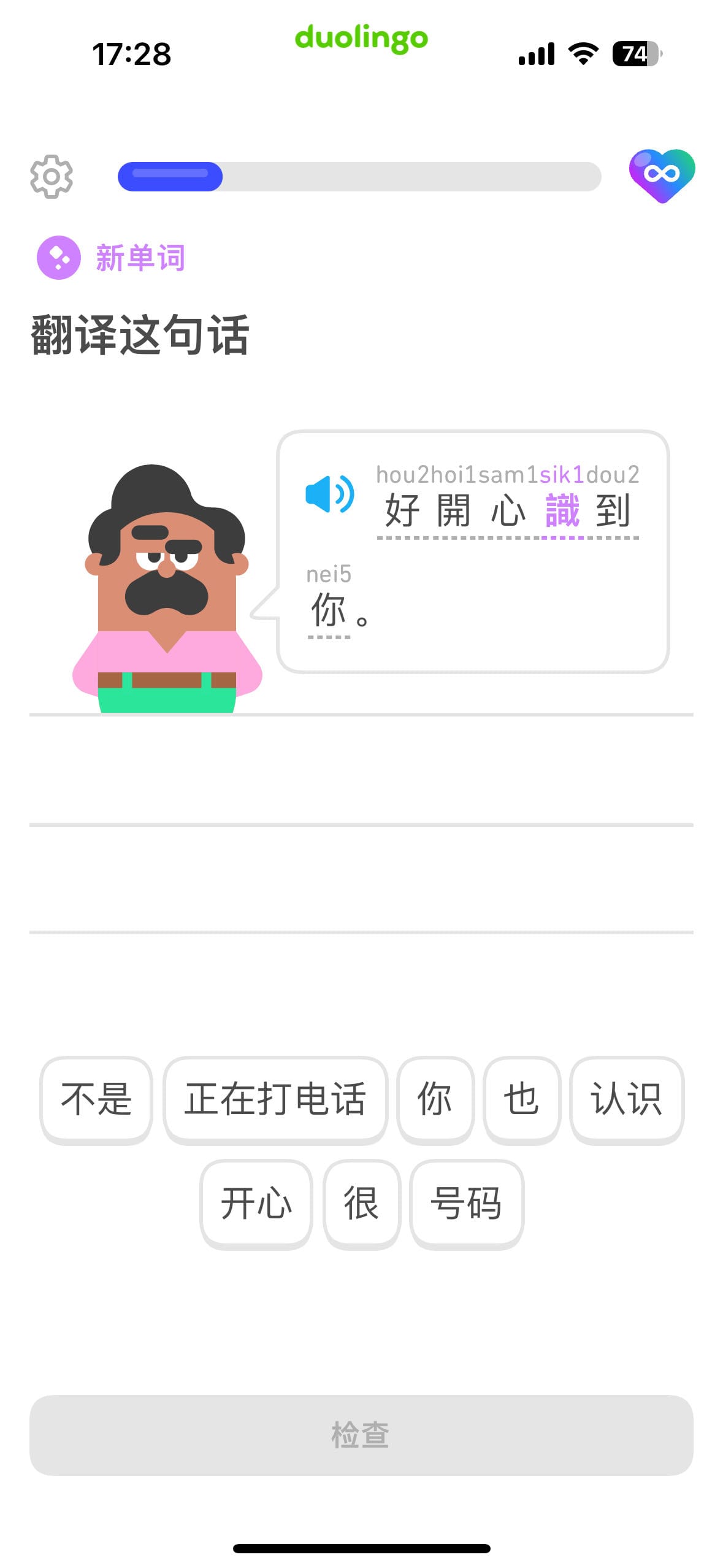
What Version of Chinese Does Duolingo Offer?
Duolingo offers Mandarin Chinese, which is the most widely spoken version of Chinese and the official language of China, Taiwan, and Singapore. The course focuses on simplified Chinese characters, which are used in mainland China, rather than traditional characters, which are used in Taiwan and Hong Kong.
See AlsoBusuu vs Duolingo Japanese: Which App Boosts Your Skills?- Mandarin Chinese is the primary focus, emphasizing pronunciation, vocabulary, and grammar.
- The course uses simplified characters, which are easier to learn for beginners.
- It includes Pinyin (Romanized Chinese) to help learners with pronunciation.
Why Does Duolingo Teach Simplified Chinese?
Duolingo teaches simplified Chinese because it is the standard writing system used in mainland China, where the majority of Chinese speakers reside. Simplified characters are also considered more accessible for beginners due to their reduced stroke count compared to traditional characters.
- Simplified characters are widely used in education and media in mainland China.
- They are easier to write and recognize, making them ideal for language learners.
- Teaching simplified Chinese aligns with Duolingo's goal of making language learning accessible and practical.
Does Duolingo Include Traditional Chinese Characters?
No, Duolingo does not currently include traditional Chinese characters in its Mandarin course. The platform focuses exclusively on simplified characters, which are more commonly used globally and align with the needs of most learners.
- Traditional characters are not part of the Duolingo curriculum.
- Learners interested in traditional characters may need to use additional resources.
- This decision reflects the platform's focus on mainstream usage and practicality.
How Does Duolingo Teach Mandarin Pronunciation?
Duolingo uses Pinyin, a Romanization system for Chinese characters, to teach Mandarin pronunciation. This system helps learners understand how to pronounce words correctly without needing to memorize characters immediately.
See AlsoHow Much Xp On Duolingo To Be Fluent? complete guide- Pinyin is introduced early in the course to build a strong foundation in pronunciation.
- It includes tone marks to help learners master the four tones of Mandarin.
- Pinyin is a crucial tool for beginners to bridge the gap between spoken and written Chinese.
What Topics Are Covered in Duolingo's Mandarin Course?
Duolingo's Mandarin course covers a wide range of topics, including basic vocabulary, grammar, and everyday phrases. The lessons are designed to help learners build practical communication skills for real-life situations.
- Topics include greetings, numbers, food, and travel.
- Lessons focus on listening, speaking, reading, and writing skills.
- The course also introduces cultural insights to enhance understanding of Chinese-speaking regions.
Is the Chinese course on Duolingo good?
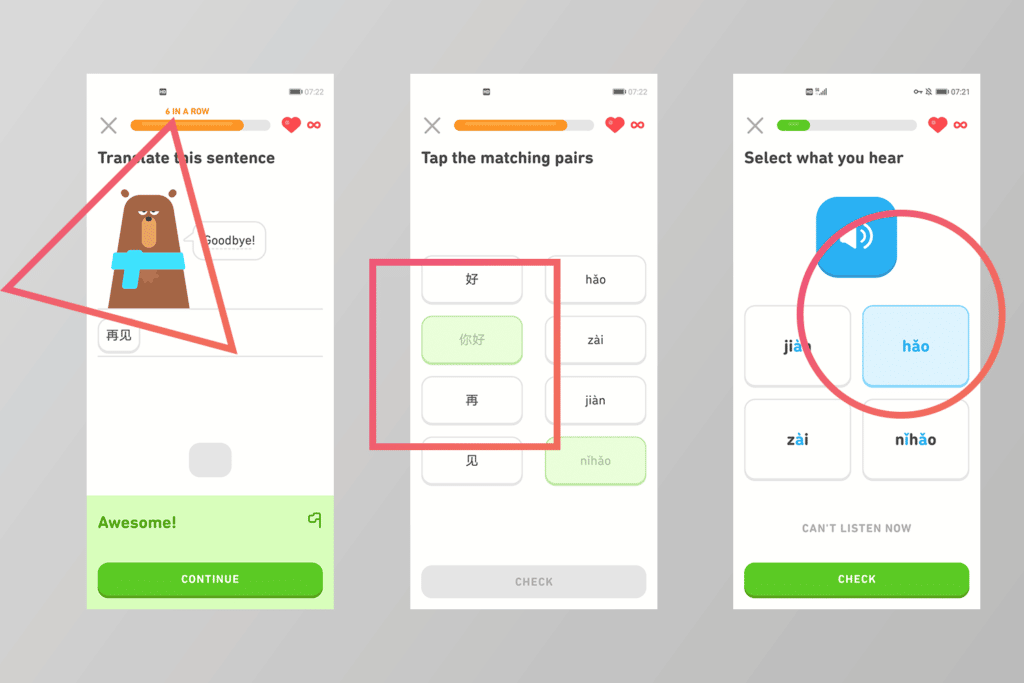
What Does the Duolingo Chinese Course Offer?
The Duolingo Chinese course provides a structured approach to learning Mandarin, focusing on essential skills such as vocabulary, grammar, and pronunciation. It is designed for beginners and intermediate learners, offering a mix of listening, speaking, reading, and writing exercises. The course includes:
See AlsoDos and Don’ts of Chinese Hand Gestures- Vocabulary building through themed lessons like food, travel, and family.
- Grammar lessons that introduce basic sentence structures and common phrases.
- Pronunciation practice using voice recognition technology to help learners improve their tones.
How Effective Is Duolingo for Learning Chinese?
Duolingo's effectiveness for learning Chinese depends on the learner's goals and commitment. While it is a great tool for building foundational skills, it has limitations for advanced learners. Key points include:
- Gamified learning keeps users motivated with streaks and rewards.
- Limited speaking practice compared to immersive language programs.
- Basic content that may not suffice for fluency or advanced conversations.
What Are the Strengths of the Duolingo Chinese Course?
The Duolingo Chinese course has several strengths that make it a popular choice for beginners. These include:
- Accessibility as it is free and available on multiple devices.
- User-friendly interface that simplifies navigation and learning.
- Daily practice features that encourage consistent study habits.
What Are the Weaknesses of the Duolingo Chinese Course?
Despite its strengths, the Duolingo Chinese course has some notable weaknesses. These include:
- Limited cultural context in lessons, which is crucial for understanding Chinese language and customs.
- Repetitive exercises that may not challenge advanced learners.
- Insufficient focus on tones, which are critical for Mandarin pronunciation.
Is Duolingo Chinese Suitable for Advanced Learners?
Duolingo Chinese is primarily designed for beginners and may not meet the needs of advanced learners. Key considerations include:
- Basic content that lacks depth for advanced vocabulary and grammar.
- Limited conversational practice for real-world scenarios.
- No specialized modules for business Chinese or advanced cultural topics.
Can you be fluent in Chinese with Duolingo?
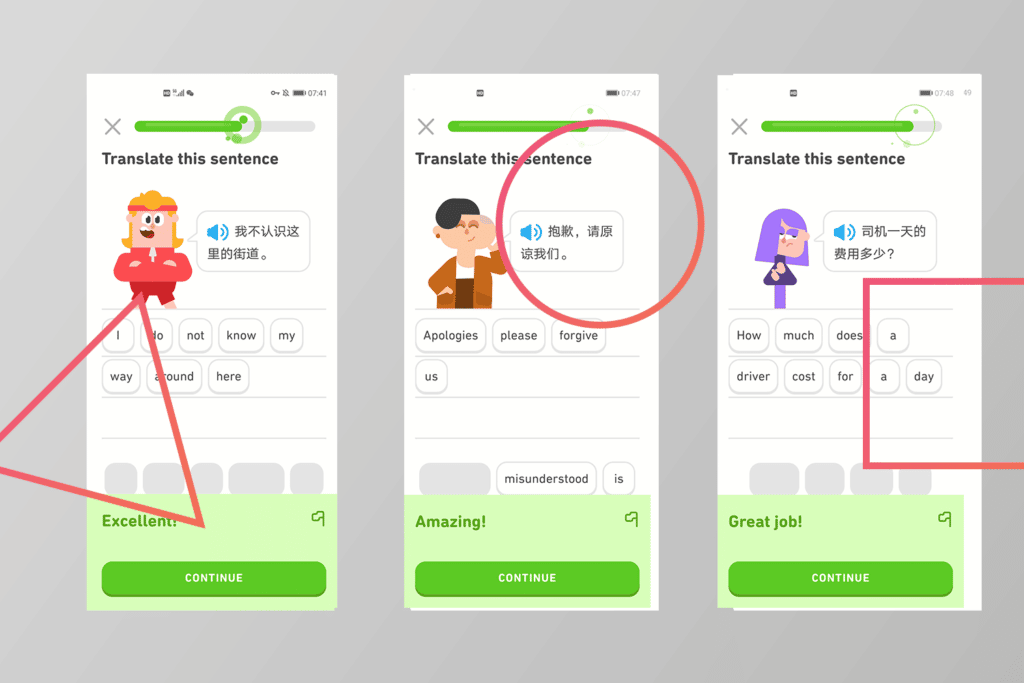
Can Duolingo Help You Achieve Fluency in Chinese?
Duolingo is a popular language-learning platform that offers courses in Mandarin Chinese. While it can be a helpful tool for beginners, achieving fluency in Chinese through Duolingo alone is unlikely. Fluency requires a deep understanding of the language, including vocabulary, grammar, pronunciation, and cultural context, which Duolingo may not fully provide. Here are some reasons why:
- Limited Vocabulary: Duolingo focuses on basic vocabulary, but fluency requires a much broader range of words and phrases.
- Grammar Depth: While Duolingo introduces grammar concepts, it may not cover advanced or nuanced structures.
- Speaking Practice: Fluency involves conversational skills, which Duolingo's speaking exercises may not fully develop.
What Are the Strengths of Learning Chinese on Duolingo?
Duolingo has several strengths that make it a useful tool for learning Chinese, especially for beginners. Here are some of its key advantages:
- Accessibility: Duolingo is free and easy to use, making it accessible to a wide audience.
- Gamification: The app uses game-like elements to keep learners motivated and engaged.
- Basic Foundation: It provides a solid introduction to Pinyin, basic characters, and essential phrases.
What Are the Limitations of Duolingo for Learning Chinese?
While Duolingo is a good starting point, it has several limitations when it comes to achieving fluency in Chinese. Here are some of the main drawbacks:
- Lack of Cultural Context: Language learning is deeply tied to culture, which Duolingo does not extensively cover.
- Limited Speaking Practice: The app's speaking exercises are not sufficient for developing conversational fluency.
- No Advanced Content: Duolingo focuses on beginner and intermediate levels, leaving advanced learners without adequate resources.
How Can Duolingo Complement Other Chinese Learning Methods?
Duolingo can be a valuable supplement to other learning methods for Chinese. Here’s how it can complement your studies:
- Reinforcement: Use Duolingo to reinforce vocabulary and grammar learned through other resources.
- Daily Practice: The app’s short lessons are ideal for daily practice and maintaining consistency.
- Motivation: Its gamified approach can help keep you motivated alongside more intensive study methods.
What Additional Resources Are Needed to Achieve Fluency in Chinese?
To achieve fluency in Chinese, you will need to go beyond Duolingo and incorporate additional resources. Here are some essential tools and methods:
- Language Exchange: Practice speaking with native speakers through language exchange platforms.
- Advanced Textbooks: Use textbooks that cover advanced grammar, vocabulary, and writing.
- Immersion: Immerse yourself in the language by watching Chinese media, reading books, and engaging with the culture.
What level of Chinese is Duolingo?
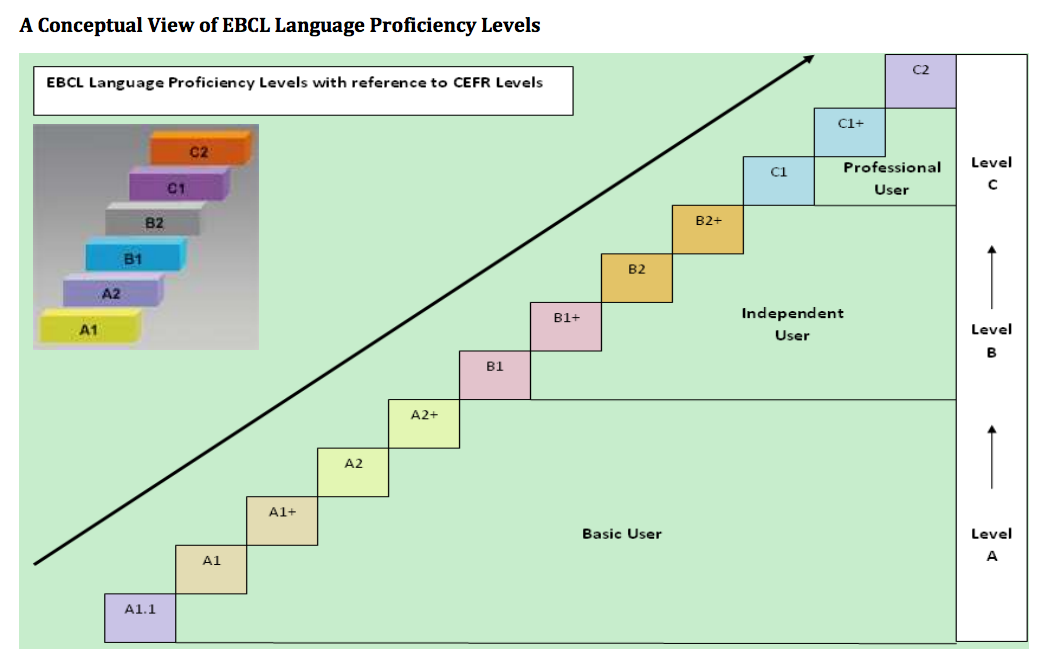
What is the difficulty level of Duolingo's Chinese course?
Duolingo's Chinese course is designed for beginners and intermediate learners. It focuses on building a foundation in Mandarin Chinese, covering essential vocabulary, grammar, and pronunciation. The course is structured to help users achieve a basic to intermediate level of proficiency, which is roughly equivalent to A1 to A2 on the CEFR (Common European Framework of Reference for Languages) scale. However, it may not be sufficient for advanced learners or those aiming for fluency.
- Beginner-friendly: The course starts with basic phrases, characters, and pinyin.
- Intermediate progression: It gradually introduces more complex sentences and vocabulary.
- Limited advanced content: The course does not cover advanced topics like formal writing or specialized vocabulary.
What does Duolingo's Chinese course cover?
Duolingo's Chinese course covers a range of topics and skills, including:
- Basic vocabulary: Words and phrases for everyday situations like greetings, food, and travel.
- Grammar: Simple sentence structures, word order, and common grammar rules.
- Pronunciation: Emphasis on pinyin and tones to help learners speak accurately.
- Characters: Introduction to simplified Chinese characters and their meanings.
How effective is Duolingo for learning Chinese?
Duolingo is effective for beginners who want to start learning Chinese in a structured and engaging way. However, its effectiveness depends on the learner's goals:
- Pros: Gamified learning, bite-sized lessons, and accessibility make it user-friendly.
- Cons: Limited speaking practice, lack of cultural context, and insufficient depth for advanced learners.
- Supplemental use: Best used alongside other resources like textbooks, tutors, or language exchange partners.
What are the limitations of Duolingo's Chinese course?
While Duolingo is a great starting point, it has several limitations:
- Limited speaking practice: The app focuses more on reading and listening than speaking.
- No handwriting practice: It does not teach how to write Chinese characters by hand.
- Cultural context: The course lacks in-depth cultural insights, which are crucial for understanding the language.
- Advanced content: It does not prepare learners for advanced proficiency or formal language use.
How does Duolingo compare to other Chinese learning resources?
Duolingo is a good starting point but has limitations compared to other resources:
- Textbooks: Provide more comprehensive grammar explanations and cultural context.
- Language apps: Apps like HelloChinese or Pleco offer more specialized features for Chinese learners.
- Tutors: Personalized lessons with a tutor can address specific weaknesses and provide real-time feedback.
- Immersion: Living in a Chinese-speaking environment or practicing with native speakers accelerates learning.
Frequently Asked Questions From our Community
What features does the Chinese course on Duolingo offer?
The Chinese course on Duolingo offers a variety of features designed to help learners master the language. These include interactive lessons that cover vocabulary, grammar, and pronunciation. The course also incorporates speaking exercises to improve your ability to communicate in Chinese. Additionally, Duolingo uses gamification to keep learners motivated, with rewards, streaks, and leaderboards. The app also provides personalized learning paths that adapt to your progress and learning style.
Is the Duolingo Chinese course suitable for beginners?
Yes, the Duolingo Chinese course is designed to be accessible for beginners. It starts with basic vocabulary and simple sentence structures, gradually introducing more complex concepts as you progress. The course includes pinyin (the Romanization of Chinese characters) to help beginners with pronunciation. However, while it is a good starting point, it is recommended to supplement Duolingo with other resources for a more comprehensive understanding of the language.
How effective is Duolingo for learning Chinese?
Duolingo is an effective tool for building a foundation in Chinese, particularly for vocabulary and basic grammar. The app's repetition-based learning system helps reinforce new words and phrases. However, it may not be sufficient for achieving fluency on its own. The course lacks in-depth explanations of Chinese characters and cultural context, which are crucial for mastering the language. For best results, it should be used alongside other learning methods, such as language exchange or formal classes.
Does the Duolingo Chinese course include traditional characters?
No, the Duolingo Chinese course primarily focuses on simplified characters, which are used in mainland China. It does not currently offer lessons on traditional characters, which are used in places like Taiwan and Hong Kong. If your goal is to learn traditional characters, you may need to seek additional resources outside of Duolingo. However, the course is still valuable for learning the basics of Mandarin Chinese, regardless of the character system.
Leave a Reply
Related Posts