
Learning Chinese by playing board games

Learning Chinese can be a challenging yet rewarding journey, and incorporating board games into the process makes it both fun and effective. Board games offer an interactive way to practice vocabulary, grammar, and conversational skills while engaging with others. Games like Mahjong, Scrabble, or even custom-designed language-learning board games provide immersive experiences that reinforce memorization and comprehension. By combining play with study, learners can reduce stress, stay motivated, and develop a deeper cultural understanding. Whether you're a beginner or advanced student, board games transform language acquisition into a dynamic social activity, turning every session into an opportunity to learn while having fun.
Learning Chinese by Playing Board Games: A Fun and Effective Approach
1. Why Board Games Are Great for Learning Chinese
Board games provide an interactive and engaging way to learn Chinese. Unlike traditional methods, they encourage real-time conversation, vocabulary retention, and cultural immersion. Games like Mahjong or Chinese Chess introduce players to characters, phrases, and strategic thinking in a natural context.
| Benefit | How It Helps |
|---|---|
| Vocabulary Building | Repeated exposure to words in a playful setting |
| Cultural Insight | Learn idioms, traditions, and social norms |
| Motivation | Fun reduces the stress of memorization |
2. Top Board Games to Learn Chinese
Certain board games are especially effective for language acquisition. Pictionary with Chinese words, Scrabble using Hanzi, or Go (Weiqi) with rule explanations in Chinese can accelerate learning. Even Monopoly localized for Chinese-speaking regions teaches numbers, negotiation phrases, and economic terms.
See AlsoA language learner’s guide to reading comics in Chinese| Game | Language Skills Practiced |
|---|---|
| Mahjong | Numbers, symbols, and quick thinking |
| Chinese Scrabble | Character recognition and word formation |
| Pictionary | Descriptive vocabulary and teamwork |
3. How to Maximize Language Learning During Gameplay
To get the most out of board games, set specific language goals. For example, ban English during play, keep a vocabulary notebook for new words, or assign point rewards for using correct grammar. Role-playing games like Werewolf (狼人杀) force players to debate and describe in Chinese.
| Strategy | Outcome |
|---|---|
| No-English Rule | Forces active recall and adaptation |
| Word Journals | Reinforces long-term retention |
| Role-Playing | Builds conversational confidence |
4. Combining Board Games with Other Learning Methods
Pair board games with flashcards for characters seen in gameplay, listen to Chinese podcasts about strategy games, or join local gaming groups to practice with native speakers. Digital adaptations like online Mahjong also provide pinyin and translation tools mid-game.
| Supplemental Tool | Synergy with Board Games |
|---|---|
| Flashcards | Review game-specific vocabulary |
| Language Apps | Drill grammar used in-game |
| Meetup Groups | Practice with fluent players |
5. Overcoming Challenges When Learning Through Games
New learners might struggle with fast-paced dialogue or complex rules in Chinese. Start with simpler games like Jenga labeled with Chinese words, or use bilingual rulebooks. Shadowing (repeating phrases aloud) during turns helps with pronunciation.
See AlsoDoes Duolingo Actually Work? Real Results & Effectiveness| Challenge | Solution |
|---|---|
| Speed | Begin with turn-based games |
| Character Complexity | Focus on games with visuals |
| Confidence | Play with fellow learners first |
What is the easiest way to learn Chinese language?
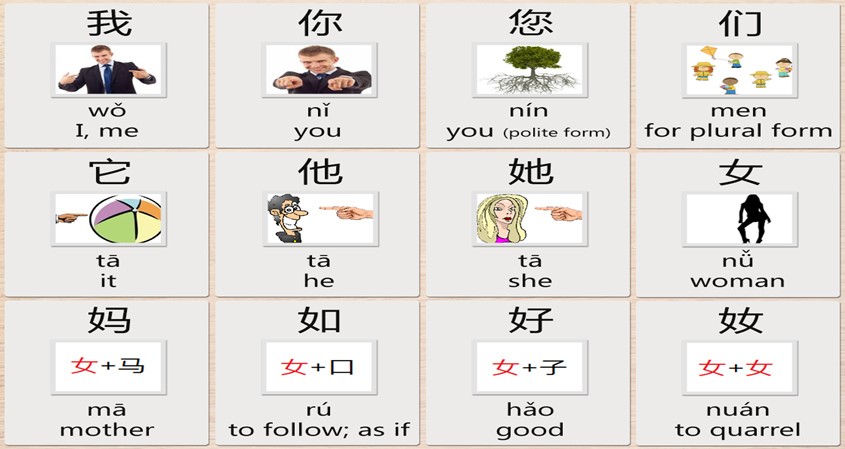
Start with Pinyin for Pronunciation
The easiest way to begin learning Chinese is by mastering Pinyin, the romanization system for Mandarin. It helps you pronounce words correctly before tackling characters. Here’s how to use it effectively:
- Practice tones – Mandarin has four tones and a neutral tone, which change word meanings.
- Use apps like Pleco or HelloChinese for interactive Pinyin drills.
- Listen and repeat – Mimic native speakers through videos or audio lessons.
Learn High-Frequency Vocabulary First
Focusing on common words and phrases accelerates practical communication. Prioritize these:
See AlsoWhat is Duolingo? The Complete Guide to the Popular Language Learning App- Greetings like 你好 (nǐ hǎo) and 谢谢 (xiè xie).
- Daily verbs such as 吃 (chī – eat) and 喝 (hē – drink).
- Numbers and time to handle basic transactions and schedules.
Use Flashcards for Chinese Characters
Characters are challenging, but flashcards simplify memorization. Follow these steps:
- Start with radicals – Learn basic components that build complex characters.
- Spaced repetition – Tools like Anki reinforce long-term retention.
- Write by hand – Practicing strokes improves recognition and recall.
Immerse Yourself with Media
Exposure to authentic content sharpens listening and comprehension skills. Try these methods:
- Watch subtitled shows – Start with children’s programs or slow-paced dramas.
- Listen to podcasts – Choose beginner-friendly options like ChinesePod.
- Follow social media – Engage with Chinese influencers or language accounts.
Practice Speaking Daily
Conversation is key to fluency. Implement these habits:
See Also3 Fun Chinese Games to Learn Chinese- Language exchange – Partner with native speakers via Tandem or HelloTalk.
- Shadowing technique – Repeat sentences immediately after hearing them.
- Record yourself – Compare your pronunciation to native audio.
How do you teach Chinese in a fun way?
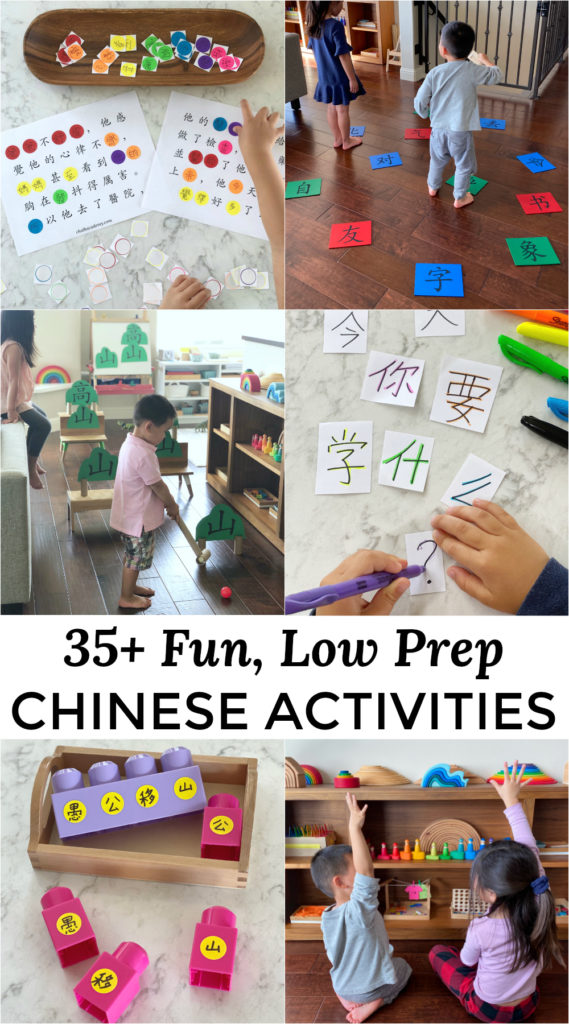
Use Interactive Games and Activities
Teaching Chinese through interactive games makes learning engaging and memorable. Incorporate activities like flashcards, matching games, or digital apps to reinforce vocabulary and grammar. For example:
- Charades: Students act out Chinese words or phrases while others guess.
- Bingo: Use Chinese characters or pinyin to create custom bingo cards.
- Scavenger hunts: Hide objects labeled in Chinese and have students find them while reading aloud.
Incorporate Music and Songs
Music helps with pronunciation and retention. Use Chinese children’s songs, pop music, or even create lyrics with target vocabulary. Benefits include:
- Rhythm and tone: Songs reinforce the natural flow of Mandarin tones.
- Repetition: Catchy choruses help students remember words effortlessly.
- Cultural exposure: Music introduces traditions and modern trends.
Storytelling and Role-Playing
Encourage students to act out scenarios or create stories using Chinese. This builds confidence and practical skills:
- Dialogue practice: Role-play everyday situations like ordering food or shopping.
- Story creation: Students write or narrate short tales using new vocabulary.
- Puppet shows: Use puppets to perform simple conversations in Chinese.
Leverage Technology and Apps
Digital tools make learning dynamic and accessible. Recommended methods include:
- Language apps: Duolingo, HelloChinese, or Pleco for gamified lessons.
- Virtual reality (VR): Immersive environments for practicing real-life conversations.
- YouTube channels: Watch Chinese cartoons or vlogs with subtitles.
Integrate Arts and Crafts
Combine Chinese with creative projects to reinforce learning visually and kinesthetically:
- Character drawing: Practice writing hanzi with brush calligraphy.
- Paper cutting: Create traditional art while labeling shapes in Chinese.
- Poster making: Design posters with vocabulary themes like seasons or animals.
What is the famous Chinese board game?

What is the most famous Chinese board game?
The most famous Chinese board game is Go, also known as Weiqi in Chinese. It is a strategic two-player game that originated in China over 2,500 years ago. The game involves placing black and white stones on a grid to surround territory and capture opponent pieces. Here are some key aspects:
- Go is considered one of the oldest board games still played today.
- The game has simple rules but offers deep strategic complexity.
- It is highly respected in East Asian cultures as a reflection of intellectual skill.
How is Go played?
Go is played on a 19x19 grid, though smaller boards like 9x9 or 13x13 are used for beginners. Players take turns placing stones on intersections, aiming to control territory and capture enemy stones by surrounding them. Key gameplay elements include:
- Stones are placed on intersections, not squares.
- Groups of stones are captured when completely enclosed by the opponent.
- The player with the most controlled territory at the end wins.
What is the cultural significance of Go in China?
Go holds deep cultural importance in China, symbolizing strategy, discipline, and wisdom. Historically, it was one of the Four Arts of the Chinese scholar, alongside calligraphy, painting, and music. Notable cultural aspects include:
- It was used to teach military tactics and philosophical concepts.
- Many Chinese emperors and scholars were avid players.
- It remains a popular competitive and recreational activity today.
What are the differences between Go and Chess?
While both Go and Chess are strategic board games, they differ significantly in rules and gameplay. Here are the main distinctions:
- Go uses stones on intersections, while Chess uses pieces on squares.
- Go has simpler rules but far more possible board positions.
- Chess focuses on piece movement and checkmate, whereas Go emphasizes territory control.
Where can you learn and play Go today?
Go is widely played both offline and online, with many resources available for learning. Popular platforms and methods include:
- Online servers like OGS (Online Go Server) and KGS (Kiseido Go Server).
- Local Go clubs and tournaments in many countries.
- Mobile apps and tutorials for beginners to practice.
Can board games be educational?
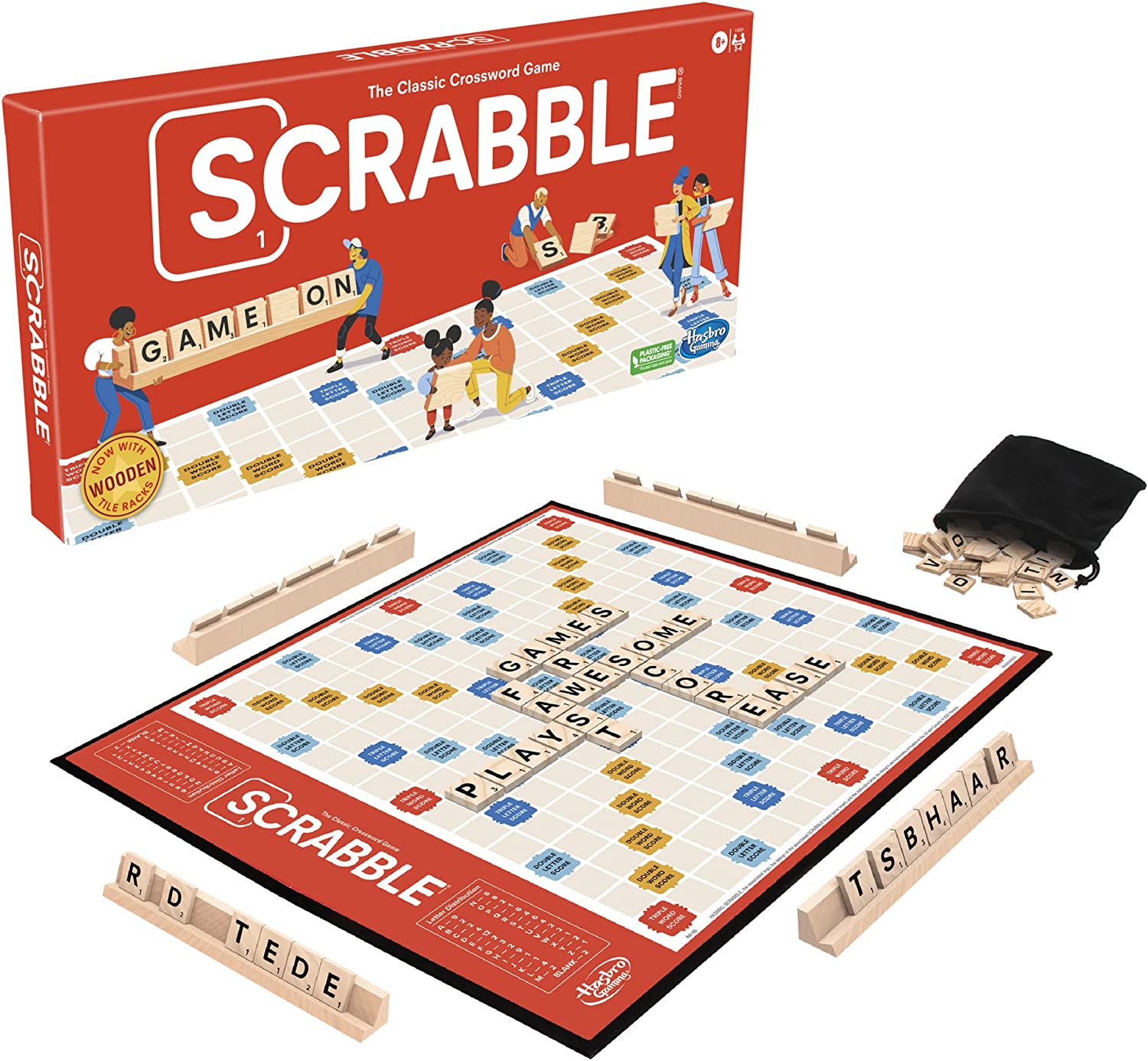
The Cognitive Benefits of Board Games
Board games can significantly enhance cognitive skills by engaging players in strategic thinking and problem-solving. Many games require players to plan ahead, analyze situations, and adapt to changing circumstances. For example:
- Memory improvement: Games like Memory or Scrabble challenge players to recall words or patterns.
- Critical thinking: Titles such as Chess or Settlers of Catan demand logical reasoning and tactical decisions.
- Attention span: Longer games like Risk encourage sustained focus and patience.
Board games foster social interaction and emotional intelligence by encouraging teamwork, communication, and empathy. Players learn to negotiate, share, and handle both victory and defeat gracefully. Key examples include:
- Cooperation: Games like Pandemic require players to work together toward a common goal.
- Emotional regulation: Competitive games teach resilience and managing frustration.
- Communication skills: Titles such as Codenames enhance verbal and non-verbal expression.
Board Games as Tools for Academic Learning
Many board games are designed to reinforce academic concepts, making learning interactive and enjoyable. Subjects like math, history, and language arts can be taught through gameplay. Notable examples:
- Math skills: Monopoly teaches budgeting and arithmetic.
- History knowledge: Timeline challenges players to sequence historical events.
- Vocabulary building: Bananagrams or Scrabble expand language proficiency.
Enhancing Creativity and Imagination
Board games stimulate creativity by encouraging players to think outside the box and invent new strategies. Narrative-driven games, in particular, spark imaginative storytelling. Examples include:
- Storytelling: Games like Dixit or Rory’s Story Cubes inspire creative narratives.
- Problem-solving: Exit: The Game series presents puzzles requiring innovative solutions.
- Artistic expression: Pictionary or Telestrations blend drawing with gameplay.
Board Games for Developing Life Skills
Beyond academics, board games teach practical life skills such as decision-making, patience, and resource management. These skills are transferable to real-world scenarios. Key examples:
- Financial literacy: The Game of Life simulates financial planning and career choices.
- Time management: Ticket to Ride requires efficient route planning under constraints.
- Negotiation: Diplomacy hones persuasive communication and deal-making abilities.
Frequently Asked Questions (FAQ)
What are the benefits of learning Chinese through board games?
Learning Chinese through board games offers a fun and interactive way to absorb the language. Unlike traditional methods, board games encourage active participation, helping learners practice vocabulary, grammar, and pronunciation in a relaxed setting. The competitive or cooperative nature of games keeps motivation high, while the repetition of words and phrases reinforces memory. Additionally, board games often include visual and contextual clues, making it easier to associate Chinese characters with their meanings.
Which board games are best for learning Chinese?
Some of the best board games for learning Chinese include Pictionary (with Chinese prompts), Scrabble (using Chinese characters), and language-specific games like Zhongguo or Chinese Checkers. Games that involve storytelling or role-playing, such as Dixit adapted with Chinese vocabulary, are also excellent. For beginners, memory-matching games with Chinese words and images can be particularly helpful. The key is to choose games that align with your current proficiency level and learning goals.
How can board games improve my Chinese pronunciation?
Board games that require verbal communication, such as charades or word-description games, naturally improve pronunciation and speaking skills. By repeatedly saying words aloud in a low-pressure environment, learners gain confidence and refine their accents. Games with audio components, like those incorporating apps or recordings, provide additional pronunciation models. The social interaction involved in gameplay also mimics real-life conversations, helping learners practice tones and fluency in a dynamic way.
Can beginners learn Chinese effectively with board games?
Absolutely! Board games are a great tool for beginners because they break down the language into manageable chunks. Simple games focusing on basic vocabulary, numbers, or everyday phrases allow new learners to build a foundation without feeling overwhelmed. Many games also include visual aids and English translations to support understanding. Over time, beginners can progress to more complex games, gradually increasing their language proficiency while enjoying the process. The key is to start with age-appropriate and level-appropriate games to ensure a positive experience.
Leave a Reply
Related Posts