
Duolingo Course Guide: Tips & Best Practices


Learning a new language can be both exciting and challenging, and Duolingo has become one of the most popular tools to help learners achieve their goals. With its gamified approach and user-friendly interface, Duolingo makes language learning accessible to millions worldwide. However, navigating the platform effectively requires more than just completing lessons. This guide provides essential tips and best practices to maximize your Duolingo experience, from setting realistic goals to leveraging features like streaks, leaderboards, and practice sessions. Whether you're a beginner or an advanced learner, these strategies will help you stay motivated, track progress, and make the most of your language-learning journey.
Duolingo Course Guide: Tips & Best Practices
1. Set Clear Goals for Your Learning Journey
When starting with Duolingo, it's essential to define your language learning goals. Whether you aim to achieve basic conversational skills or fluency, having a clear objective will help you stay motivated. Break your goals into smaller milestones, such as completing a specific number of lessons per week or mastering a particular skill. This approach ensures steady progress and keeps you engaged.
2. Utilize Duolingo's Gamification Features
Duolingo is designed to make learning fun through gamification. Features like streaks, XP points, and leaderboards encourage consistent practice. Aim to maintain your streak by practicing daily, even if it's just for a few minutes. Competing with friends on the leaderboard can also add a layer of motivation. Remember, consistency is key to retaining what you learn.
See AlsoDuolingo Best Practices: Tips for Language Learning Excellence3. Balance New Lessons with Review Sessions
While progressing through new lessons is exciting, don't neglect review sessions. Duolingo's Practice feature helps reinforce previously learned material, ensuring long-term retention. Allocate time each week to revisit older lessons and strengthen your understanding. This balance between learning and reviewing is crucial for building a solid foundation in your target language.
4. Leverage Duolingo Plus for Enhanced Learning
If you're serious about your language learning, consider upgrading to Duolingo Plus. This premium version offers benefits like ad-free learning, offline access, and unlimited hearts, which can significantly enhance your experience. The ability to download lessons for offline use is particularly useful for learners with busy schedules or limited internet access.
5. Supplement Duolingo with Additional Resources
While Duolingo is an excellent tool, it's even more effective when combined with additional resources. Consider using language apps, watching movies, reading books, or practicing with native speakers. This multi-faceted approach will expose you to different aspects of the language, such as slang, cultural nuances, and real-life conversations, which Duolingo alone may not cover.
See AlsoHow To Use Duolingo: Tips & Tricks for Language Learning Success| Tip | Description |
|---|---|
| Set Goals | Define clear objectives to stay motivated and track progress. |
| Gamification | Use streaks, XP, and leaderboards to maintain consistency. |
| Review Sessions | Regularly practice older lessons to reinforce learning. |
| Duolingo Plus | Upgrade for ad-free learning, offline access, and unlimited hearts. |
| Supplemental Resources | Combine Duolingo with other tools for a well-rounded approach. |
Is Duolingo actually a good way to learn a language?

Is Duolingo Effective for Language Learning?
Duolingo is a popular language-learning platform that offers a gamified approach to learning new languages. While it can be effective for beginners, its effectiveness depends on the learner's goals and dedication. Here are some key points:
- Accessibility: Duolingo is free and easy to use, making it accessible to a wide audience.
- Gamification: The app uses game-like elements, such as streaks and rewards, to keep users motivated.
- Limited Depth: While it covers basic vocabulary and grammar, it may not provide enough depth for advanced learners.
What Are the Strengths of Duolingo?
Duolingo has several strengths that make it a useful tool for language learners. Here are some of its main advantages:
See AlsoThe Best Graded Reading Apps for Learning Chinese- Structured Lessons: The app provides a clear progression from beginner to intermediate levels.
- Daily Practice: It encourages consistent practice through reminders and streaks.
- Variety of Languages: Duolingo offers courses in over 40 languages, including less commonly taught ones.
What Are the Limitations of Duolingo?
Despite its popularity, Duolingo has some limitations that users should be aware of. Here are the main drawbacks:
- Lack of Speaking Practice: While it includes speaking exercises, they are limited and may not fully develop conversational skills.
- Over-Reliance on Translation: The app often focuses on translating sentences, which may not reflect real-world language use.
- Limited Cultural Context: Duolingo does not provide much insight into the cultural aspects of the language.
How Does Duolingo Compare to Traditional Language Learning?
Duolingo offers a different approach compared to traditional language learning methods. Here’s how it stacks up:
- Flexibility: Unlike traditional classes, Duolingo allows users to learn at their own pace and schedule.
- Cost: It is more affordable than most language courses or private tutors.
- Interaction: Traditional methods often provide more opportunities for real-life interaction and feedback.
Can Duolingo Help Achieve Fluency?
Achieving fluency with Duolingo alone is challenging. Here’s why:
See AlsoLearn to read Chinese… with ease?- Basic Proficiency: Duolingo is effective for reaching a basic or intermediate level but may not suffice for advanced fluency.
- Supplemental Learning: To achieve fluency, users should combine Duolingo with other resources, such as conversation practice or immersion.
- Real-World Application: Fluency requires using the language in real-life situations, which Duolingo alone cannot fully provide.
Does Duolingo still have tips?
Does Duolingo Still Offer Tips for Language Learning?
Yes, Duolingo still provides tips for language learners, although the format and availability have evolved over time. These tips are designed to help users understand grammar rules, vocabulary usage, and cultural context. They are accessible through the app or website, depending on the course and device.
- Grammar Tips: Many courses include detailed explanations of grammar rules to supplement the lessons.
- Vocabulary Insights: Tips often highlight key words and phrases, explaining their usage and nuances.
- Cultural Context: Some tips provide cultural insights to help learners understand the context behind certain expressions.
Where Can You Find Duolingo Tips?
Duolingo tips are typically found within the lesson interface or in the guidebooks available for select courses. The guidebooks are accessible by tapping the book icon at the bottom of the lesson screen. These resources are especially helpful for learners who want a deeper understanding of the material.
- Lesson Interface: Tips appear before or during lessons to provide context.
- Guidebooks: Available for many courses, these offer comprehensive explanations and examples.
- Web Version: Some tips are more detailed on the Duolingo website compared to the app.
Are Tips Available for All Duolingo Courses?
Not all Duolingo courses have tips or guidebooks. The availability depends on the language and the development stage of the course. Popular languages like Spanish, French, and German tend to have more comprehensive tips, while less commonly studied languages may have fewer resources.
- Popular Languages: Courses like Spanish and French have extensive tips and guidebooks.
- Less Common Languages: Courses for languages like Navajo or Hawaiian may lack detailed tips.
- Ongoing Updates: Duolingo frequently updates courses, so tips may be added over time.
How Have Duolingo Tips Changed Over Time?
Duolingo has transitioned from in-lesson tips to more structured guidebooks for many courses. This change aims to provide a more organized and accessible way for learners to review key concepts. The guidebooks are often more detailed and include examples, making them a valuable resource.
- In-Lesson Tips: Previously, tips were embedded directly in lessons.
- Guidebooks: Now, many courses feature guidebooks that consolidate tips into one place.
- Improved Accessibility: The new format makes it easier to revisit and review tips.
Why Are Duolingo Tips Important for Learners?
Duolingo tips are crucial because they provide context and explanations that enhance understanding. Without tips, learners might struggle to grasp the nuances of grammar, vocabulary, or cultural usage. They serve as a bridge between practice and comprehension.
- Grammar Clarity: Tips explain complex grammar rules in simple terms.
- Vocabulary Mastery: They help learners understand how words are used in different contexts.
- Cultural Awareness: Tips often include cultural notes that enrich the learning experience.
What is the learning strategy of Duolingo?
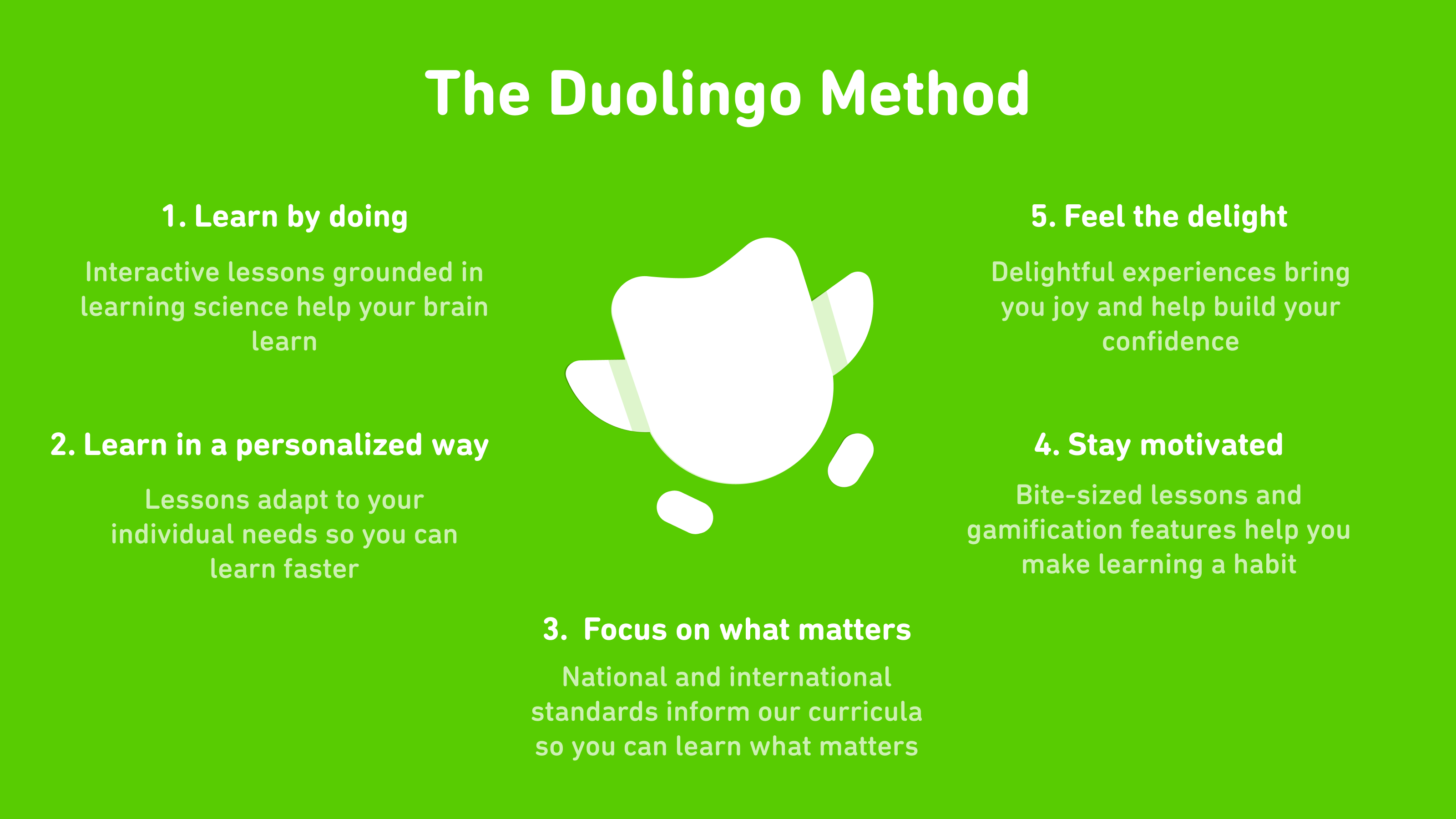
What is the Core Learning Strategy of Duolingo?
Duolingo's core learning strategy revolves around gamification and adaptive learning. The platform uses bite-sized lessons, interactive exercises, and a reward system to keep users engaged. Key elements include:
- Gamified Experience: Users earn points, unlock levels, and receive virtual rewards to maintain motivation.
- Adaptive Learning: The app adjusts difficulty based on user performance, ensuring personalized progress.
- Spaced Repetition: Concepts are revisited at optimal intervals to reinforce long-term retention.
How Does Duolingo Incorporate Gamification?
Duolingo integrates game-like elements to make learning enjoyable and addictive. This includes:
- Streaks: Encourages daily practice by tracking consecutive days of use.
- Lingots: A virtual currency earned through progress, which can be spent on bonuses.
- Leaderboards: Users compete with others to climb ranks, fostering a sense of achievement.
What Role Does Spaced Repetition Play in Duolingo?
Spaced repetition is a scientific learning technique used by Duolingo to enhance memory retention. It works by:
- Reviewing Material: Reintroducing vocabulary and grammar at increasing intervals.
- Optimizing Timing: Presenting information just before it is likely to be forgotten.
- Boosting Long-Term Memory: Ensuring users retain knowledge over extended periods.
How Does Duolingo Personalize Learning?
Duolingo employs adaptive algorithms to tailor lessons to individual users. This personalization includes:
- Skill Assessment: Identifying strengths and weaknesses through quizzes and exercises.
- Customized Lessons: Adjusting content difficulty based on user performance.
- Progress Tracking: Providing insights into learning milestones and areas for improvement.
What Makes Duolingo's Approach Effective for Beginners?
Duolingo's beginner-friendly approach focuses on simplicity and engagement. Key features include:
- Visual Learning: Using images and audio to aid comprehension.
- Immediate Feedback: Correcting mistakes in real-time to reinforce learning.
- Low Pressure: Allowing users to learn at their own pace without fear of failure.
Frequently Asked Questions From our Community
What is the best way to start a Duolingo course?
To begin a Duolingo course effectively, it's essential to set clear goals and establish a consistent routine. Start by choosing a course that aligns with your interests or needs. Begin with the basics, even if you have some prior knowledge, as this helps reinforce foundational skills. Dedicate a specific time each day to practice, even if it's just 10-15 minutes. Consistency is key to retaining information and making steady progress.
How can I stay motivated while using Duolingo?
Staying motivated on Duolingo can be challenging, but there are several strategies to keep you engaged. Set achievable milestones, such as completing a certain number of lessons or earning a specific number of XP each week. Use the streak feature to track your daily progress and challenge yourself to maintain it. Additionally, join Duolingo communities or forums to connect with other learners, share tips, and celebrate achievements together.
Are there any tips for mastering difficult lessons on Duolingo?
Mastering difficult lessons on Duolingo requires patience and a strategic approach. If you're struggling with a particular lesson, take a step back and review previous material to reinforce your understanding. Use the practice feature to revisit older lessons and strengthen your skills. Don't hesitate to repeat challenging lessons multiple times until you feel confident. Additionally, consider supplementing your learning with external resources like language apps, videos, or books to gain a broader perspective.
What are the best practices for using Duolingo effectively?
To use Duolingo effectively, focus on active learning rather than passively completing lessons. Engage with the material by speaking aloud, writing down new vocabulary, and practicing sentences outside the app. Utilize the discussion forums for each exercise to clarify doubts and learn from others. Balance your learning by incorporating all four language skills: reading, writing, listening, and speaking. Finally, track your progress regularly and adjust your goals as needed to ensure continuous improvement.
Leave a Reply
Related Posts