
Listen more than once: How the replay button can help you learn more Chinese

Mastering a new language like Chinese requires consistent exposure and practice, and one powerful tool at your disposal is the replay button. Listening to the same audio multiple times can significantly enhance comprehension, pronunciation, and retention. Repetition helps your brain recognize patterns, tones, and vocabulary more effectively, turning unfamiliar sounds into familiar ones. Whether it’s a dialogue, podcast, or song, replaying content allows you to catch nuances you might have missed initially. This method reinforces learning by embedding phrases and structures into your memory. Embrace the replay button—it’s a simple yet effective strategy to deepen your understanding and fluency in Chinese.
The Power of Repetition: How Replaying Audio Boosts Your Chinese Learning
Detailed Explanation:
Repeating audio content is a proven method to enhance language learning. When you listen multiple times, your brain processes sounds, tones, and vocabulary more deeply. For Chinese learners, this is especially useful due to its tonal nature. The replay button allows you to reinforce pronunciation, recognize patterns, and improve comprehension over time.
1. Reinforcing Pronunciation Through Repetition
Replaying Chinese audio helps train your ear for tones and syllables. Each repetition strengthens muscle memory for correct pronunciation.
See AlsoDealing with Chinese characters you keep mixing upKey Benefits:
- Better tone recognition (Mandarin has 4 tones + neutral)
- Improved mouth and tongue positioning
- Reduced accent interference
| Repetitions | Pronunciation Improvement |
|---|---|
| 1-3 times | Basic familiarity |
| 5+ times | Noticeable accuracy |
2. Enhancing Vocabulary Retention
Hearing words repeatedly in context strengthens memory. The replay button turns passive listening into active learning.
Why It Works:
- Spaced repetition effect
- Deeper neural connections for word recall
- Exposure to collocations (common word pairings)
| Listening Frequency | Vocabulary Recall Rate |
|---|---|
| Single listen | ~20% retention |
| Multiple listens | ~60-80% retention |
3. Improving Listening Comprehension
Repeated exposure to natural-speed Chinese trains your brain to decode speech faster.
Key Advantages:
- Identifies filler words and pauses
- Recognizes regional accents
- Builds predictive listening skills
| Skill Level | Recommended Replays |
|---|---|
| Beginner | 7-10 times |
| Advanced | 3-5 times |
4. Mastering Sentence Structures
Replaying full sentences helps internalize grammar patterns and word order naturally.
See AlsoTop 5 Chinese Lucky Number CombinationsHow It Helps:
- Subconscious absorption of syntax
- Recognizes particle usage (e.g., 了, 的)
- Mimics native phrasing
| Structure Type | Repetition Focus |
|---|---|
| Questions | Intonation & endings (吗, 呢) |
| Descriptive clauses | Adjective placement |
5. Building Confidence in Conversations
Frequent replay reduces anxiety by making spoken Chinese feel familiar.
Confidence Boosters:
- Automatic responses from memorized phrases
- Fewer pauses in real dialogues
- Better flow in exchanges
| Practice Method | Confidence Gain |
|---|---|
| Shadowing (repeating aloud) | High |
| Silent replay | Moderate |
Can you learn Chinese by listening?

The Role of Listening in Learning Chinese
Listening is a fundamental part of acquiring any language, including Chinese. While it alone may not make you fluent, it helps develop pronunciation, intonation, and comprehension skills. Here’s why:
- Exposure: Regular listening immerses you in the sounds and rhythms of Chinese.
- Vocabulary: Hearing words in context aids retention and understanding.
- Cultural Nuances: Listening reveals how native speakers use idioms and expressions naturally.
Can You Become Fluent Just by Listening?
While listening is essential, fluency requires a balanced approach. Here’s why relying solely on listening has limitations:
- No Active Practice: Speaking and writing are necessary for full proficiency.
- Limited Grammar Understanding: Listening alone won’t teach complex sentence structures.
- Recognition vs. Production: You may understand words but struggle to use them correctly.
Best Resources for Learning Chinese by Listening
To maximize learning through listening, use these effective resources:
- Podcasts: Designed for learners at different levels (e.g., ChinesePod).
- Audiobooks: Graded readers with audio help reinforce vocabulary.
- Movies/TV Shows: Subtitled content improves listening and cultural knowledge.
How to Improve Pronunciation Through Listening
Chinese tones and sounds are challenging, but listening can help refine them:
- Shadowing: Repeat phrases immediately after hearing them.
- Mimicking Native Speakers: Focus on tone accuracy and rhythm.
- Using Pinyin: Pair listening with pinyin to connect sounds to written form.
Common Mistakes When Learning Chinese by Listening
Avoid these pitfalls to make listening more effective:
- Passive Listening: Engage actively by taking notes or repeating phrases.
- Ignoring Context: Understand the situation to grasp meaning fully.
- Skipping Basics: Start with slow, clear audio before advancing to native speed.
How to improve listening skills for Chinese?

1. Immerse Yourself in Chinese Audio Content
To improve listening skills, surround yourself with authentic Chinese audio as much as possible. This exposure helps your brain adapt to the sounds, tones, and rhythms of the language. Focus on diverse sources to cover different accents and speaking speeds.
- Listen to Chinese podcasts on topics you enjoy, such as news, culture, or storytelling.
- Watch Chinese TV shows or movies with subtitles, then gradually switch to no subtitles.
- Use music and audiobooks to familiarize yourself with natural speech patterns.
2. Practice Active Listening Exercises
Active listening involves focused engagement with the material. Instead of passive listening, train yourself to pick out keywords, tones, and sentence structures to enhance comprehension.
- Repeat after native speakers to mimic pronunciation and intonation.
- Transcribe short audio clips to sharpen your ability to distinguish words.
- Answer comprehension questions based on what you hear to test understanding.
3. Leverage Language Learning Apps and Tools
Technology offers interactive tools designed specifically for improving listening skills. These resources often include leveled content, repetition features, and progress tracking.
- Use apps like Pleco or HelloTalk for listening drills and real-time conversations.
- Try spaced repetition systems (SRS) to reinforce vocabulary through audio flashcards.
- Explore YouTube channels dedicated to Chinese listening practice.
4. Engage in Conversations with Native Speakers
Nothing beats real-life practice. Speaking with natives forces you to process spoken Chinese in real time, improving both listening and responsiveness.
- Join language exchange platforms like Tandem or iTalki.
- Attend local Mandarin meetups or online discussion groups.
- Ask speakers to vary their speed or rephrase sentences for clarity.
5. Focus on Tone Recognition and Vocabulary Building
Chinese tones are critical for comprehension. Mishearing a tone can change a word’s meaning entirely. Strengthening your vocabulary foundation also aids in recognizing words during conversations.
- Practice tone pairs to distinguish similar-sounding words.
- Learn high-frequency words first to understand common phrases quickly.
- Use context clues to infer meanings when unsure of specific words.
What are the benefits of listening to Chinese music?
Enhances Cultural Understanding
Listening to Chinese music provides a deep dive into the country's rich cultural heritage. It exposes listeners to traditional instruments like the guzheng or erhu, as well as lyrical themes rooted in history and philosophy. Benefits include:
- Broadens perspectives by introducing unique musical scales and rhythms.
- Helps appreciate Chinese poetry and storytelling through song lyrics.
- Encourages respect for cultural diversity and artistic expression.
Improves Language Skills
Regular exposure to Chinese music can significantly aid in learning Mandarin or Cantonese. The repetitive nature of lyrics reinforces vocabulary and pronunciation. Key advantages:
- Boosts listening comprehension through melodic repetition.
- Introduces colloquial phrases and idioms not found in textbooks.
- Enhances tonal recognition, critical for mastering Chinese languages.
Reduces Stress and Promotes Relaxation
Traditional Chinese music, particularly genres like guqin or classical compositions, has calming effects. Studies suggest it lowers cortisol levels. Notable benefits:
- Encourages mindfulness through meditative melodies.
- Helps alleviate anxiety with slow, harmonious arrangements.
- Improves sleep quality when used as background music.
Encourages Cognitive Development
Engaging with Chinese music stimulates brain activity, particularly in pattern recognition and memory retention. Research highlights:
- Strengthens neural connections through unfamiliar tonal structures.
- Improves focus and concentration by engaging active listening.
- Enhances creativity by exposing listeners to unconventional harmonies.
Fosters Emotional Connection
The expressive nature of Chinese music resonates emotionally, whether through upbeat pop or soulful ballads. Emotional benefits include:
- Creates a sense of nostalgia for those with Chinese heritage.
- Builds empathy by conveying universal emotions through lyrics.
- Provides an outlet for emotional release, similar to music therapy.
How to learn Chinese easily for beginners?
Start with Basic Chinese Phrases and Greetings
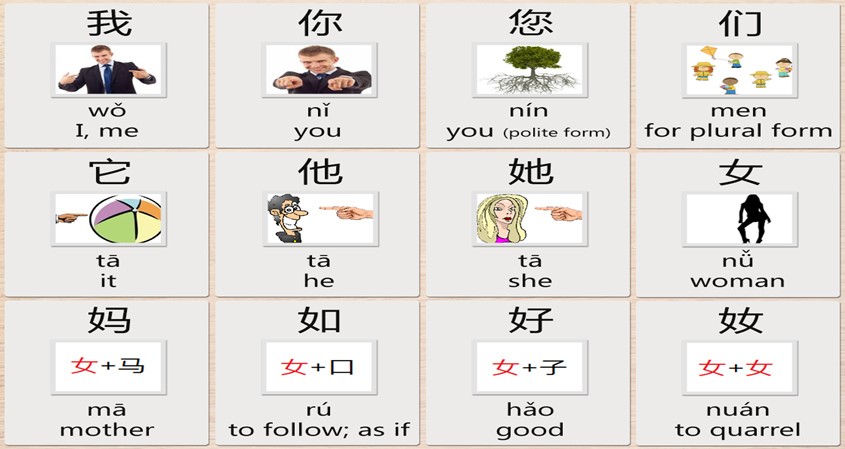
Learning basic phrases and greetings is the first step to building confidence in Chinese. Begin with simple expressions like 你好 (nǐ hǎo) for hello and 谢谢 (xiè xiè) for thank you.
- Memorize daily greetings to use in conversations.
- Practice pronunciation with audio resources or apps.
- Repeat phrases aloud to improve fluency and tone recognition.
Master Pinyin Before Characters
Pinyin is the Romanization system for Chinese pronunciation. Understanding it helps beginners read and speak without immediately tackling complex characters.
- Learn the Pinyin alphabet and its unique sounds (e.g., zh, ch).
- Focus on tones (four main tones + neutral) to avoid misunderstandings.
- Use Pinyin charts or apps to drill correct pronunciation.
Use Flashcards for Vocabulary Building
Flashcards are an effective way to memorize and review Chinese words. Digital tools like Anki or physical cards can reinforce learning.
- Group words by themes (e.g., food, travel) for better retention.
- Include characters, Pinyin, and English meanings on each card.
- Review daily to strengthen long-term memory.
Incorporate Listening and Speaking Practice
Regular listening and speaking practice accelerates fluency. Engage with native content and converse early.
- Watch Chinese shows or podcasts with subtitles.
- Shadow native speakers by repeating their sentences.
- Join language exchange groups to practice with peers.
Leverage Language Apps and Online Resources
Apps and online courses provide structured learning paths for beginners.
- Use apps like Duolingo or HelloChinese for gamified lessons.
- Follow YouTube tutorials for visual and auditory learning.
- Enroll in beginner courses on platforms like Coursera or Udemy.
Frequently Asked Questions (FAQ)
Why is listening more than once beneficial for learning Chinese?
Repetition is a key factor in language acquisition, especially for a tonal language like Chinese. By listening to the same audio multiple times, you reinforce your understanding of pronunciation, tones, and vocabulary. Each replay helps your brain recognize patterns and retain information more effectively, making it easier to recall words and phrases in real conversations.
The replay button allows you to focus on specific sections of the audio that may be challenging. Whether it's a fast-paced sentence or an unfamiliar word, replaying helps you break down the content into manageable parts. Over time, this practice enhances your listening comprehension and builds confidence in understanding native speakers.
Can replaying audio help with mastering Chinese tones?
Absolutely. Chinese is a tonal language, meaning the meaning of a word can change based on its tone. By listening repeatedly, you train your ear to distinguish between the four main tones (and the neutral tone). This active listening technique ensures you internalize the correct tonal patterns, reducing errors in your own speech.
To get the most out of the replay button, combine it with other learning strategies. First, listen passively to grasp the general meaning. Then, replay while shadowing (repeating aloud) to practice pronunciation. Finally, focus on specific words or grammar structures. This multi-step approach ensures comprehensive learning and long-term retention.
Leave a Reply
Related Posts