
Hiring in China: Finding Staff for Your Chinese Business

Expanding a business into China presents unique opportunities, but hiring the right staff is crucial for success. Navigating China’s labor market requires understanding local regulations, cultural expectations, and competitive talent pools. From recruitment strategies to compliance with employment laws, foreign companies must adapt to attract and retain skilled professionals. This article explores key aspects of hiring in China, including sourcing candidates, structuring competitive compensation, and managing workplace dynamics. Whether establishing a new entity or scaling operations, finding the right talent can determine long-term growth. Learn how to streamline your hiring process and build a strong team to support your business goals in one of the world’s most dynamic markets.
Hiring in China: Key Strategies for Building Your Local Team
Understanding China's Labor Laws and Regulations
When hiring in China, it’s crucial to comply with local labor laws, which cover contracts, working hours, social insurance, and termination rules. Foreign businesses must register with local authorities and adhere to strict employment standards. For example, probation periods cannot exceed six months, and severance pay is mandatory in most dismissals.
| Key Aspect | Requirement |
|---|---|
| Employment Contract | Mandatory written agreement |
| Social Insurance | Employer contributions required |
| Probation Period | Max 6 months for 3+ year contracts |
Where to Find Qualified Talent in China
China offers multiple channels for recruitment, including job platforms (Zhaopin, 51job), headhunters, and local university partnerships. Leveraging WeChat and professional networks like LinkedIn China (InCareers) is also effective.
See AlsoIs Learning Chinese Worth It? The Complete Guide| Platform | Specialization |
|---|---|
| Zhaopin | White-collar professionals |
| Liepin | Executive roles |
| Boss Zhipin | Tech & startup talent |
Cultural Considerations in Chinese Hiring Practices
Chinese candidates value company reputation, career growth, and guanxi (relationships). Interviews often emphasize hierarchy and indirect communication. Offering benefits like housing allowances can attract top talent.
| Cultural Factor | Impact on Hiring |
|---|---|
| Guanxi | Referrals are highly trusted |
| Face (Mianzi) | Avoid public criticism |
| Job Stability | Preferred over frequent job-hopping |
Salary Expectations and Compensation Packages
Salaries vary by city (e.g., Shanghai vs. Chengdu) and industry. Beyond base pay, bonuses (13th-month salary) and social benefits (housing fund) are expected.
| Position | Average Annual Salary (RMB) |
|---|---|
| Entry-Level | 80,000–150,000 |
| Mid-Level | 150,000–300,000 |
| Executive | 500,000+ |
Visa and Work Permit Requirements for Foreign Employees
Foreign hires need a Z-visa and work permit, which require a bachelor’s degree, two years of experience, and a local employer sponsor. The process takes 4–8 weeks.
See AlsoBest Apps to Learn Chinese – an Honest Review| Document | Purpose |
|---|---|
| Invitation Letter | Visa application |
| Work Permit | Legal employment |
| Residence Permit | Long-term stay |
Can a foreign company hire employees in China?
Legal Requirements for Foreign Companies Hiring in China
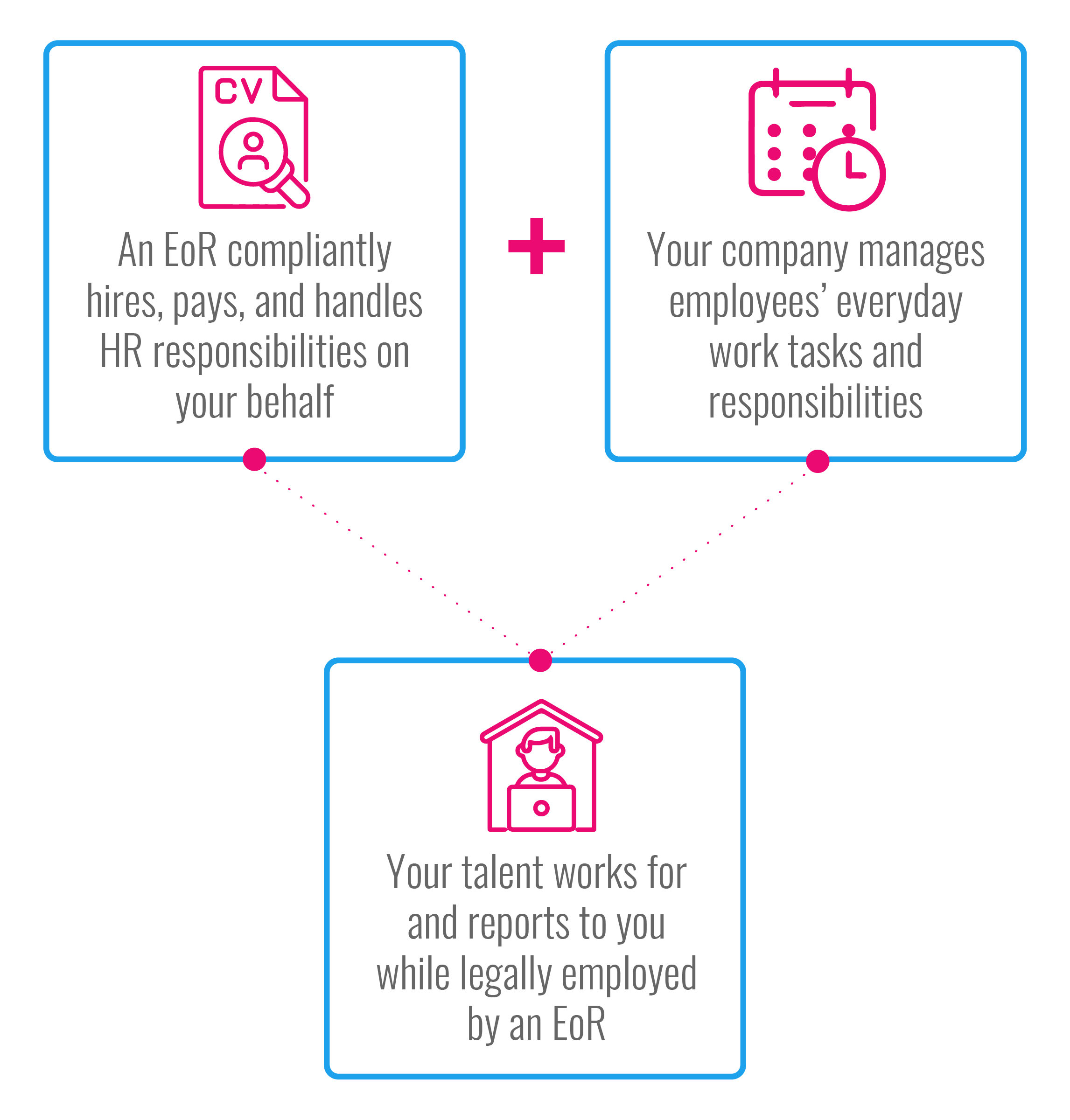
Foreign companies can hire employees in China, but they must comply with strict legal requirements. The company must either establish a legal entity in China or partner with a local entity to hire employees legally. Key steps include:
- Registering a business entity (e.g., Wholly Foreign-Owned Enterprise - WFOE) or using a Professional Employer Organization (PEO).
- Obtaining necessary work permits and residence visas for foreign employees.
- Adhering to Chinese labor laws, including contracts, social insurance, and tax compliance.
Types of Employment Structures Available
Foreign companies can choose from several employment structures when hiring in China, depending on their business needs:
See AlsoDuolingo Stuck On Ad: A Step-by-Step Solution- Direct hiring through a registered local entity (e.g., WFOE or Joint Venture).
- Outsourcing via a Chinese labor dispatch company or PEO.
- Secondment of foreign employees through an international assignment agreement.
Work Permits and Visa Regulations
Hiring foreign employees in China requires navigating complex visa and work permit regulations. The process includes:
- Applying for a Z-visa (work visa) and converting it to a residence permit.
- Meeting qualifications such as minimum salary thresholds and work experience requirements.
- Submitting documents like degree certificates and criminal background checks.
Labor Contracts and Employee Benefits
Chinese labor laws mandate specific contract terms and benefits for employees, including:
- Mandatory written labor contracts with defined terms and conditions.
- Contributions to social insurance (pension, medical, unemployment, etc.).
- Compliance with minimum wage and overtime pay regulations.
Tax Implications for Foreign Employers
Foreign companies hiring in China must understand tax obligations for both the employer and employees:
See AlsoWhat are the 5 stages of Language Acquisition?- Withholding and remitting individual income tax (IIT) for employees.
- Paying corporate taxes if operating through a local entity.
- Navigating double taxation agreements (DTAs) if applicable.
How do I found a company in China?

Understanding the Legal Requirements for Founding a Company in China
To establish a company in China, you must comply with strict legal requirements. The process varies depending on the type of business entity you choose. Below are key steps:
- Choose a business structure: Options include a Wholly Foreign-Owned Enterprise (WFOE), Joint Venture, or Representative Office.
- Register your company name: Submit a unique name for approval with the Administration for Market Regulation (AMR).
- Obtain necessary licenses: Certain industries require additional permits, such as food or healthcare.
Selecting the Right Business Location in China
The location of your company impacts taxes, logistics, and market access. Consider these factors:
- Free Trade Zones (FTZs): Offer tax incentives and simplified registration.
- Tier 1 cities (Beijing, Shanghai, Guangzhou): High competition but better infrastructure.
- Smaller cities: Lower costs but limited market reach.
Registration involves multiple government agencies. Follow these steps:
- Submit documents: Include articles of association, lease agreements, and ID proofs.
- Apply for a business license through the AMR.
- Register for taxes with the local tax bureau.
Opening a Corporate Bank Account in China
A local bank account is mandatory for operations. Here’s how to open one:
- Choose a bank: Major options include ICBC, Bank of China, or HSBC China.
- Provide documentation: Business license, legal representative’s ID, and company seals.
- Deposit minimum capital: Some entities require a registered capital deposit.
Hiring Employees and Complying with Labor Laws
China has strict labor regulations. Ensure compliance by:
- Signing labor contracts: Mandatory under Chinese law.
- Contributing to social insurance: Includes pension, medical, and unemployment funds.
- Understanding work permits: Foreign employees need a valid visa and work permit.
How to find candidates in China?

Utilizing Local Job Boards in China
Finding candidates in China often starts with leveraging local job boards tailored to the region. Platforms like Zhaopin, 51job, and Liepin are widely used by professionals. Here’s how to maximize their potential:
- Post detailed job descriptions in Mandarin to attract local talent.
- Use targeted keywords relevant to the industry and role for better visibility.
- Engage with premium services offered by these platforms to highlight your listings.
WeChat and LinkedIn are powerful tools for candidate sourcing in China. Here’s how to use them effectively:
- Create WeChat groups or official accounts to share job openings and company updates.
- Join industry-specific LinkedIn groups focused on the Chinese market.
- Engage with potential candidates through direct messaging or content sharing.
Partnering with Recruitment Agencies
Collaborating with local recruitment agencies can streamline the hiring process in China. Consider these steps:
- Research agencies with expertise in your industry (e.g., Michael Page, Robert Walters).
- Negotiate terms to ensure alignment with your hiring needs and budget.
- Request candidate pipelines to expedite the selection process.
Attending Career Fairs and Industry Events
Networking events and university career fairs are excellent for finding fresh talent. Key actions include:
- Identify top universities (e.g., Tsinghua, Fudan) for targeted recruitment.
- Prepare bilingual materials to appeal to both students and professionals.
- Follow up post-event with promising candidates.
Using Employee Referral Programs
Referrals from existing employees can yield high-quality candidates. Implement these strategies:
- Offer incentives (e.g., bonuses) to encourage employee participation.
- Promote the program internally through meetings and newsletters.
- Streamline the referral process with easy submission tools.
How does China pay employees?
Standard Payment Methods in China
In China, employees are typically paid through bank transfers, which is the most common and legally preferred method. Cash payments are rare and usually limited to small businesses or informal sectors. Employers must adhere to strict regulations, including providing payslips detailing wages, deductions, and benefits.
- Bank transfers are mandatory for companies registered in China.
- Cash payments are discouraged and may raise legal concerns.
- Payslips must include tax and social insurance deductions.
Minimum Wage Regulations in China
China’s minimum wage varies by region, with tier-1 cities like Shanghai and Beijing offering higher rates. Local governments adjust these amounts annually based on economic conditions. Employers must comply with these standards or face penalties.
- Tier-1 cities have the highest minimum wage thresholds.
- Rural areas may have significantly lower rates.
- Non-compliance can result in fines or legal action.
Overtime and Bonus Payments
Chinese labor law mandates overtime pay at higher rates: 150% for weekdays, 200% for weekends, and 300% for public holidays. Additionally, employees often receive annual bonuses, especially during festivals like Chinese New Year.
- Weekday overtime is paid at 1.5 times the regular rate.
- Holiday work requires triple the standard wage.
- Bonuses are common but not legally required.
Employers in China must contribute to social insurance (pension, medical, unemployment, etc.) and the housing fund. Both employees and employers share the costs, with rates differing by city.
- Pension, medical, and unemployment insurance are mandatory.
- The housing fund supports home purchases or rentals.
- Contribution rates vary by location and salary level.
Tax Deductions from Employee Salaries
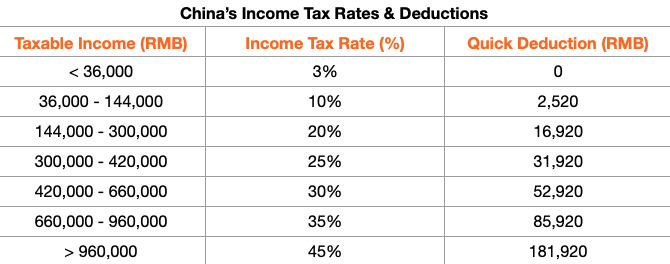
China uses a progressive tax system, with rates ranging from 3% to 45%. Employers withhold income tax monthly and file annual reconciliations. Tax-free allowances may apply for certain expenses.
- Tax rates increase with higher income brackets.
- Employers handle tax withholding and reporting.
- Some allowances, like education or rent, may reduce taxable income.
Frequently Asked Questions (FAQ)
What are the key challenges when hiring staff in China?
Hiring staff in China presents several unique challenges for foreign businesses. One of the main difficulties is navigating the local labor laws, which can be complex and differ significantly from Western regulations. Additionally, cultural differences in work expectations, communication styles, and management practices can create misunderstandings. Another challenge is the competition for skilled talent, especially in major cities like Shanghai and Beijing, where demand for qualified professionals is high. Companies must also consider language barriers and the need for bilingual employees to bridge communication gaps.
How can foreign businesses attract top talent in China?
To attract top talent in China, foreign businesses should focus on offering competitive salaries and benefits, as Chinese professionals often prioritize financial stability and career growth. Building a strong employer brand is also crucial—showcasing company culture, career development opportunities, and work-life balance can make a business more appealing. Leveraging local job platforms like Zhaopin or 51job is essential, as these are widely used by Chinese job seekers. Additionally, partnering with recruitment agencies that specialize in the Chinese market can help streamline the hiring process and connect with high-quality candidates.
What legal requirements should foreign companies know when hiring in China?
Foreign companies must comply with Chinese labor laws, which include mandatory employment contracts, social insurance contributions, and adherence to working hour regulations. Employers are required to register with local authorities and obtain necessary work permits for foreign hires. It’s also important to understand termination laws, as dismissing employees in China can be complicated and costly without proper cause. Consulting with a local legal expert or HR firm is highly recommended to ensure full compliance and avoid potential legal disputes.
What are the best strategies for retaining employees in China?
Retaining employees in China requires a focus on career development and employee engagement. Offering regular training programs and clear promotion pathways can motivate staff to stay long-term. Workplace culture also plays a significant role—Chinese employees value respect, teamwork, and a positive work environment. Providing non-monetary benefits, such as flexible working hours or wellness programs, can further enhance retention. Additionally, maintaining open communication and addressing employee concerns promptly helps build trust and loyalty within the organization.
Leave a Reply
Related Posts