
Learning (or not learning) Chinese slang

Chinese slang is an intriguing yet often overlooked aspect of language learning. While mastering formal vocabulary and grammar is essential, slang offers a window into the culture, humor, and daily life of native speakers. However, many learners hesitate to dive into colloquial expressions, fearing they might sound unnatural or misuse them. Others embrace slang as a way to sound more fluent and connect authentically with locals. Whether you choose to learn Chinese slang or stick to textbook phrases, understanding its role can enhance your language journey. This article explores the pros, cons, and nuances of incorporating—or avoiding—slang in your Chinese studies.
The Pros and Cons of Learning Chinese Slang
Why Learning Chinese Slang Can Be Useful
Learning Chinese slang can significantly enhance your fluency and help you connect with native speakers on a more casual level. Slang terms often reflect cultural trends, humor, and social dynamics, making conversations more engaging. For example, terms like 躺平 (tǎng píng) (lying flat, meaning rejecting societal pressures) or 内卷 (nèi juǎn) (involution, describing excessive competition) provide insight into modern Chinese society.
| Slang Term | Meaning | Usage Context |
|---|---|---|
| 躺平 (tǎng píng) | Rejecting societal pressures | Work-life balance discussions |
| 内卷 (nèi juǎn) | Excessive competition | Academic or workplace stress |
Challenges of Learning Chinese Slang
Chinese slang can be difficult to master due to its regional variations and rapid evolution. Some terms may be offensive if used incorrectly, and slang often relies on cultural references that may not be immediately clear to learners. Additionally, slang is rarely taught in formal language courses, making it harder to pick up naturally.
See AlsoTop 5 Chinese Lucky Number Combinations| Challenge | Example |
|---|---|
| Regional differences | 牛逼 (niú bī) (awesome) is common in the north, but less so in the south |
| Changing trends | Internet slang like 破防 (pò fáng) (emotional breakdown) can fade quickly |
Where to Learn Chinese Slang Effectively
To learn Chinese slang effectively, immerse yourself in authentic content like social media (Weibo, Douyin), TV shows, and conversations with native speakers. Language exchange apps (HelloTalk, Tandem) can also help. Avoid relying solely on textbooks, as they often exclude colloquial expressions.
| Resource | Type |
|---|---|
| Weibo/Douyin | Social media platforms |
| Chinese dramas/variety shows | Entertainment media |
Common Mistakes When Using Chinese Slang
Using slang incorrectly can lead to awkward or offensive situations. Common mistakes include mispronunciation, wrong context, or overusing slang in formal settings. For example, calling someone 老铁 (lǎo tiě) (close friend) in a business meeting would be inappropriate.
| Mistake | Why It's Problematic |
|---|---|
| Mispronouncing 扎心了 (zhā xīn le) as 杂心了 | Changes meaning entirely |
| Using 装逼 (zhuāng bī) (showing off) in formal settings | Too vulgar |
How Slang Reflects Chinese Culture
Chinese slang often mirrors social attitudes, generational gaps, and political sentiments. Terms like 韭菜 (jiǔ cài) (leeks, referring to exploited individuals) highlight economic struggles, while 佛系 (fó xì) (Buddha-like, meaning laid-back) reflects youth disengagement. Understanding slang provides a deeper cultural perspective.
See AlsoDealing with Chinese characters you keep mixing up| Slang Term | Cultural Insight |
|---|---|
| 韭菜 (jiǔ cài) | Critique of economic exploitation |
| 佛系 (fó xì) | Youth disengagement from societal pressures |
What does mean in Chinese slang?
The Origin of in Chinese Slang
The hand gesture , known as the shaka sign in Western cultures, has been adopted into Chinese slang with a distinct meaning. It is often associated with casual greetings or a laid-back attitude, similar to saying cool or chill. The symbol gained traction through internet culture and youth communication.
- Originally from Hawaiian culture, representing hang loose.
- Popularized in China via social media and Gen Z slang.
- Used to express relaxation or approval in informal contexts.
How Is Used in Online Conversations
In Chinese digital communication, is frequently used in text messages and social media platforms like WeChat or Douyin. It conveys a sense of easygoing camaraderie or acknowledgment.
See AlsoHow to Wish Someone A Happy Birthday in Chinese!- Often paired with phrases like bro (兄弟) or let’s hang out (一起玩).
- Symbolizes agreement or a carefree response.
- Common among younger generations to show nonchalant positivity.
vs. Other Emojis in Chinese Slang
Unlike emojis like (approval) or (cool), carries a more specific, youth-driven nuance in Chinese slang. It’s less about literal meaning and more about vibes.
- is formal; is playful and informal.
- implies confidence; implies relaxed solidarity.
- Rarely used in professional settings, reserved for peers.
Regional Variations of in China
While is widely understood, its interpretation can vary slightly by region. Coastal cities, with greater exposure to global internet trends, use it more liberally.
- In Shanghai and Guangzhou, it’s a staple in youth slang.
- Inland areas may associate it more with foreign influence.
- Sometimes confused with the phone call gesture ( as call me).
Cultural Significance of in Modern China
The adoption of reflects China’s blending of global and local internet culture. It’s a symbol of how Gen Z reinterprets foreign symbols for local contexts.
- Represents cross-cultural exchange in digital communication.
- Highlights the informalization of language among youth.
- Used ironically or sincerely, depending on context.
What does DDDD mean in Chinese slang?

The Origin and Meaning of DDDD in Chinese Slang
DDDD is an abbreviation derived from the Chinese phrase 懂的都懂 (dǒng de dōu dǒng), which translates to those who understand, understand or it's obvious to those in the know. This slang is often used in online discussions to imply that certain information is insider knowledge or too nuanced to explain to outsiders. Here are key points about its usage:
- Context: Commonly used in forums, social media, or private chats to avoid lengthy explanations.
- Tone: Can carry a sarcastic or dismissive tone, suggesting the topic is self-explanatory for the intended audience.
- Variations: Sometimes written as dddd in lowercase to emphasize casualness.
How DDDD Is Used in Online Conversations
The phrase DDDD is versatile in digital communication, often serving as a shorthand to cut off unnecessary debate. Here’s how it’s applied:
- Inside Jokes: Used among groups with shared knowledge to acknowledge something without elaboration.
- Avoiding Controversy: Helps bypass sensitive topics by implying only certain people should engage.
- Humor: Sometimes paired with memes or ironic comments to mock over-explanation.
Cultural Significance of DDDD in Chinese Internet Culture
DDDD reflects broader trends in Chinese internet slang, where brevity and insider references dominate. Key cultural aspects include:
- Exclusivity: Creates a sense of belonging among those who get it.
- Efficiency: Aligns with the fast-paced nature of online interactions.
- Adaptability: Often evolves with new contexts, like referencing pop culture or current events.
Examples of DDDD in Real-Life Scenarios
To illustrate its practicality, here are scenarios where DDDD might appear:
- Gaming Communities: Players use it to reference strategies or bugs well-known to veterans.
- Fandom Discussions: Fans drop DDDD when discussing obscure lore or Easter eggs.
- Political or Sensitive Topics: A way to hint at issues without explicit commentary.
Misinterpretations and Common Mistakes with DDDD
While useful, DDDD can confuse outsiders or lead to misunderstandings. Potential pitfalls include:
- Overuse: May alienate newcomers if relied on too heavily.
- Ambiguity: Without context, the phrase can seem cryptic or rude.
- Cultural Barriers: Non-native speakers might miss the nuanced tone or insider references.
What does 777 mean in Chinese slang?

The Origin of 777 in Chinese Slang
The number 777 in Chinese slang originates from online gaming and streaming culture, particularly in platforms like Douyu and Huya. It symbolizes good luck or celebration, similar to how 666 represents something impressive. Here’s why:
- Gaming Influence: In slot machines, 777 is a winning combination, so it became associated with luck.
- Streamer Culture: Viewers spam 777 in chat to cheer for their favorite streamers during intense moments.
- Phonetic Similarity: In Mandarin, 7 (qī) sounds like cheer, reinforcing its positive connotation.
How 777 is Used in Online Communities
In Chinese internet slang, 777 is widely used to express support, excitement, or admiration. Here’s how it’s applied:
- Live Streams: Fans type 777 to hype up streamers during gameplay or achievements.
- Esports: Players and commentators use it to celebrate clutch victories or lucky plays.
- Social Media: Users comment 777 under posts to wish others success or good fortune.
777 vs. 666 in Chinese Slang
While both numbers are popular, 777 and 666 have distinct meanings:
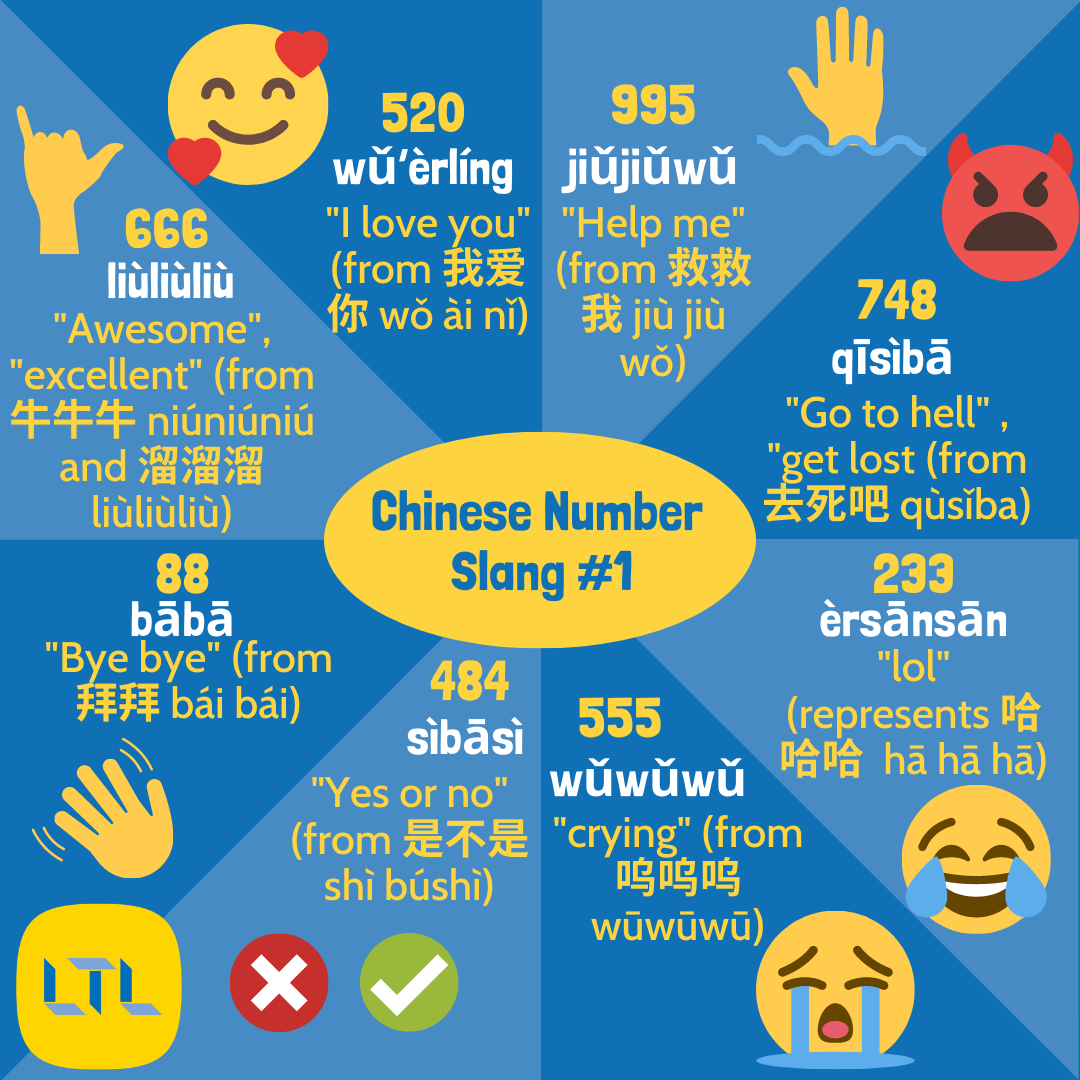
- 666: Means awesome or skilled, derived from liùliùliù (溜溜溜), implying smoothness.
- 777: Focuses on luck and positivity, often used in celebratory contexts.
- Cultural Nuance: 666 can sometimes carry sarcasm, whereas 777 is almost always genuine praise.
The Role of 777 in Gaming Culture
In Chinese gaming circles, 777 holds special significance:
- Luck-Based Games: Players use it to wish for favorable RNG (random number generation) outcomes.
- Team Coordination: Teammates might type 777 to boost morale before a critical match.
- Memes and Emotes: Gaming communities create stickers and memes featuring 777 for humorous or motivational purposes.
Regional Variations of 777 in China
The interpretation of 777 can vary slightly across regions:
- Mainland China: Primarily tied to gaming and livestreaming culture.
- Taiwan and Hong Kong: Sometimes used in a broader, more superstitious context, akin to lucky sevens.
- Overseas Chinese Communities: Adopted by diaspora gamers but less prevalent in non-gaming conversations.
What is WTF in Chinese slang?

What Does WTF Mean in Chinese Internet Slang?
In Chinese internet slang, WTF is often translated or adapted as 什么鬼 (shénme guǐ), which literally means what ghost? but is used similarly to express shock, confusion, or disbelief. It can also be written as 卧槽 (wò cáo), a phonetic approximation with a similar tone of surprise or frustration. Here are key points:
- 什么鬼 (shénme guǐ): A direct equivalent, often used humorously or sarcastically.
- 卧槽 (wò cáo): A more vulgar alternative, akin to WTF in intensity.
- Context matters: Tone and platform (e.g., Weibo, Douyin) influence which term is appropriate.
How Is WTF Used in Chinese Online Communities?
Chinese netizens use WTF-like phrases to react to absurd, shocking, or funny content. Examples include:
- Memes and videos: Commenting 什么鬼 under bizarre posts.
- Gaming: 卧槽 might be typed after an unexpected in-game event.
- Social media: Abbreviated as WTF in informal chats, though less common.
Are There Regional Variations of WTF in Chinese?
Yes, regional dialects and internet subcultures create variations:
- Cantonese: 咩料 (me1 liu2) translates to what stuff? but functions like WTF.
- Northern China: 啥玩意儿 (shá wánr) is a colloquial what is this?
- Taiwanese Hokkien: 衝三小 (tshòng sán-siáu) is a rougher equivalent.
What Are the Polite Alternatives to WTF in Chinese?
For formal or polite settings, these phrases soften the tone:
- 怎么回事 (zěnme huí shì): What’s going on? (neutral).
- 真的吗 (zhēn de ma): Really? (mild surprise).
- 开玩笑吧 (kāi wánxiào ba): Are you joking? (less confrontational).
How Has WTF Evolved in Chinese Digital Culture?
The adoption of WTF-like expressions reflects global internet trends blending with local language:
- Loanwords: Younger generations mix WTF directly into chats.
- Creative adaptations: Emojis (e.g., ) paired with 什么鬼 amplify reactions.
- Censorship: Platforms may replace vulgar terms (e.g., 卧槽) with asterisks or homophones.
Frequently Asked Questions (FAQ)
Why is learning Chinese slang important for language learners?
Chinese slang plays a crucial role in understanding informal conversations, pop culture, and social media interactions. While formal Chinese teaches grammar and vocabulary, slang helps learners sound more natural and connect with native speakers on a personal level. Ignoring it may lead to misunderstandings or make conversations feel stiff. However, mastering slang requires cultural context, so learners should balance it with formal study to avoid sounding inappropriate.
What are the risks of using Chinese slang incorrectly?
Using Chinese slang incorrectly can lead to awkward or even offensive situations. Some terms carry nuanced meanings or regional variations, and mispronouncing or misapplying them might change their intent entirely. Additionally, slang evolves quickly, so outdated phrases could make you sound out of touch. Learners should practice with native speakers or trusted resources to avoid these pitfalls and ensure their usage is contextually appropriate.
Can I become fluent in Chinese without learning slang?
Yes, fluency in Chinese is achievable without mastering slang, but your communication may lack authenticity in casual settings. Formal language suffices for professional or academic environments, but omitting slang might make it harder to engage in everyday conversations or understand humor. Fluency depends on your goals—if connecting socially matters, incorporating slang will enrich your skills. Otherwise, prioritizing standard Mandarin is still a valid approach.
How can I learn Chinese slang effectively and safely?
To learn Chinese slang effectively, immerse yourself in modern media like dramas, podcasts, or social platforms where slang is used naturally. Pair this with language exchange partners who can explain context and usage. Safety comes from verifying terms with multiple sources, as some slang may be region-specific or carry hidden connotations. Avoid overusing slang until you’re confident—start with common, neutral phrases and gradually expand your repertoire.
Leave a Reply
Related Posts