
I’ve Lived in China for 5+ Years Here Are 8 Things NOT To Do

Living in China offers a unique and enriching experience, but navigating its cultural nuances can be challenging for expats. After spending over five years in the country, I’ve learned that certain behaviors can lead to misunderstandings or even offense. Whether it’s dining etiquette, social interactions, or public conduct, knowing what not to do is just as important as adapting to local customs. From avoiding sensitive topics to respecting personal space, small missteps can have big consequences. In this article, I’ll share eight key mistakes to steer clear of, helping you blend in smoothly and make the most of your time in China.
I’ve Lived in China for 5+ Years: Here Are 8 Things NOT To Do
Living in China can be an incredible experience, but it’s essential to be aware of cultural norms and avoid common mistakes. Below are key things to steer clear of, along with detailed explanations.
1. Don’t Discuss Sensitive Political Topics
China has strict regulations regarding political discussions, especially those involving the government, Taiwan, Tibet, or human rights. Avoid these topics in public or online to prevent misunderstandings or legal issues.
See AlsoUltimate HSK 6 Vocabulary Test| Topic | Why Avoid It? |
|---|---|
| Taiwan | Considered a part of China; discussing independence is illegal. |
| Tibet | A sensitive subject tied to national sovereignty. |
| Human Rights | Criticism may lead to censorship or legal consequences. |
2. Don’t Ignore Local Dining Etiquette
Chinese dining customs differ significantly from Western norms. For example, sticking chopsticks upright in rice resembles funeral rituals, and refusing a host’s food offer can be seen as rude.
| Mistake | Proper Etiquette |
|---|---|
| Upright chopsticks | Lay them flat on the table or bowl. |
| Not trying dishes | Accept at least a small portion to show respect. |
3. Don’t Assume Everyone Speaks English
While younger generations may know basic English, many locals, especially outside major cities, don’t speak it. Learning basic Mandarin phrases will make daily life much easier.
| Situation | Solution |
|---|---|
| Ordering food | Use apps like Pleco or point at pictures. |
| Asking for directions | Learn phrases like Zài nǎlǐ? (Where is it?). |
4. Don’t Skip Using a VPN
Many Western websites (Google, Facebook, YouTube) are blocked in China. A reliable VPN is essential for accessing these services and staying connected with friends abroad.
See AlsoShould you learn Chinese vocabulary from lists?| Service Blocked | Alternative |
|---|---|
| Use Baidu (but VPN for Gmail). | |
| WeChat is the local alternative. |
5. Don’t Bargain Aggressively in Markets
Haggling is common, but being overly aggressive can offend vendors. A polite approach works better—start at 50-70% of the asking price and negotiate calmly.
| Do’s | Don’ts |
|---|---|
| Smile and be friendly | Yell or demand lower prices |
| Walk away if the price is too high | Insult the product’s quality |
What not to do as an American in China?
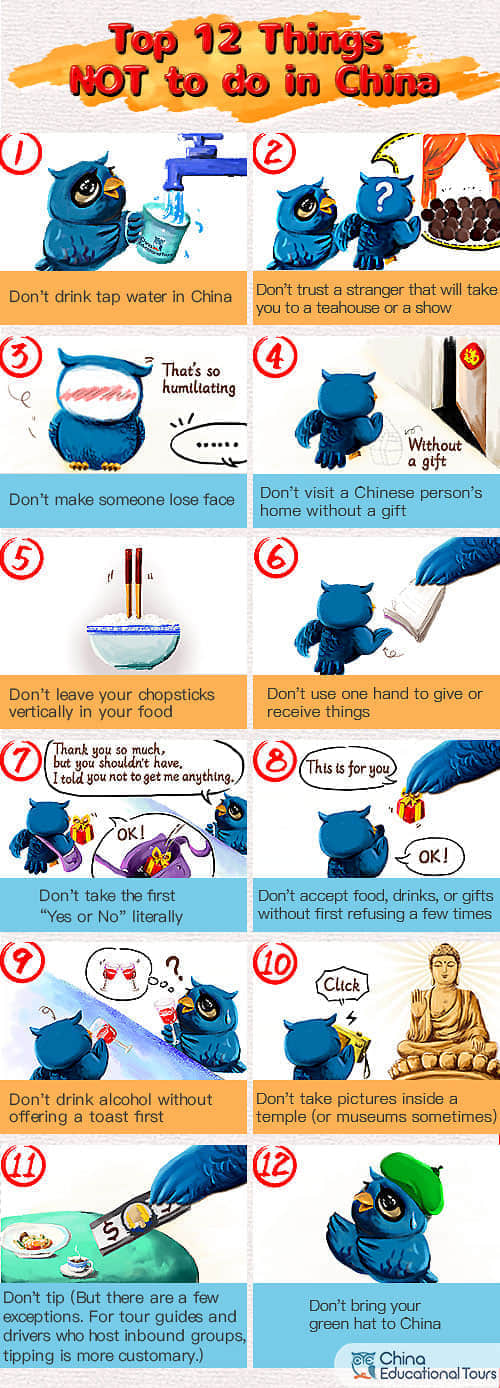
1. Avoid Discussing Sensitive Political Topics
As an American in China, it's crucial to steer clear of political discussions, especially those involving Taiwan, Tibet, or the Chinese government. These topics are highly sensitive and can lead to misunderstandings or legal consequences. Instead, focus on neutral subjects like culture, food, or travel.
See AlsoChineasy Cards Review - Believe The Hype or Major Flop?- Never debate China's political system or policies with locals.
- Avoid sharing opinions on social media about Chinese governance.
- Do not engage in conversations about human rights or censorship.
2. Don’t Disrespect Local Customs and Traditions
Chinese culture places high value on respect and etiquette. Ignoring traditions can offend locals. For example, refusing a gift or not using both hands to receive something may be seen as rude.
- Always accept tea or business cards with both hands.
- Avoid pointing with your index finger—use an open hand instead.
- Do not interrupt elders or authority figures when they speak.
3. Never Ignore Dining Etiquette
Meals in China are often communal, and table manners matter. Breaking these unwritten rules can make you appear disrespectful.
- Do not stick chopsticks upright in rice—it symbolizes death.
- Avoid taking the last piece of food without offering it to others first.
- Never criticize the food, even if it’s unfamiliar to you.
4. Don’t Assume Everyone Speaks English
While English is taught in schools, many Chinese people aren’t fluent. Assuming otherwise can create frustration.
See AlsoBuild It and They Will Come: A Guide to China’s Ghost Cities- Learn basic Mandarin phrases like 谢谢 (thank you) or 你好 (hello).
- Avoid speaking too fast or using slang—simplify your language.
- Use translation apps to bridge communication gaps.
5. Avoid Public Displays of Affection
Unlike in the U.S., physical affection in public is uncommon in China. Overdoing it may draw unwanted attention.
- Limit hugging or kissing, even with your partner.
- Avoid loud conversations or emotional outbursts in public.
- Respect personal space—crowding is normal, but touching isn’t.
Can Chinese people leave China permanently?
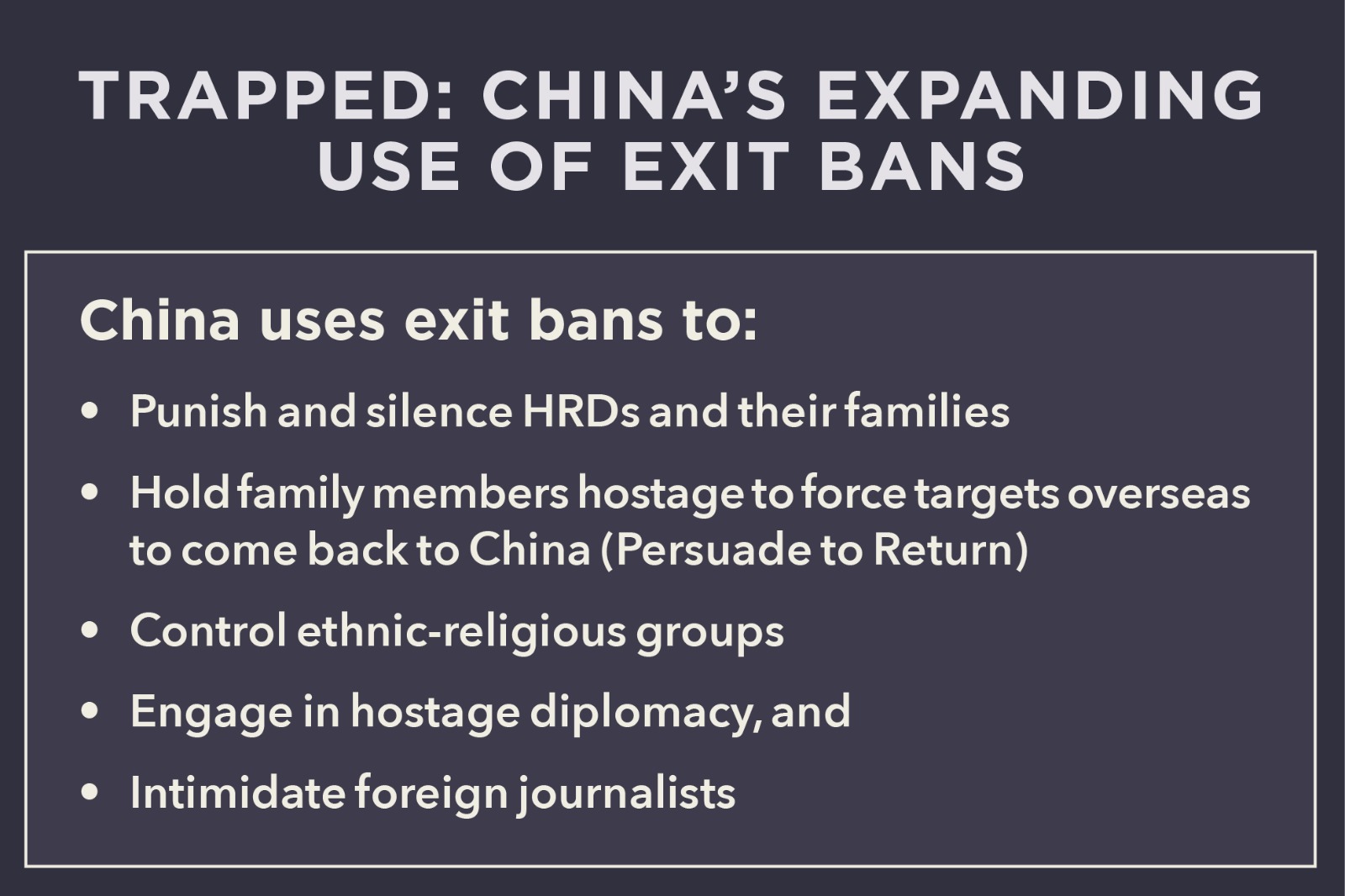
Can Chinese Citizens Emigrate Permanently?
Yes, Chinese citizens can emigrate permanently, but the process involves several legal and bureaucratic steps. The Chinese government allows emigration, though it requires compliance with specific regulations. Here are key points to consider:
See AlsoHow to use YouTube and other video platforms to learn Chinese- Exit-Entry Permit: Chinese nationals must obtain an exit-entry permit or passport to leave the country legally.
- Destination Requirements: The host country must grant a permanent residency visa or citizenship, which varies by nation.
- Household Registration (Hukou): Emigrants may need to cancel their hukou, affecting access to domestic services.
What Are the Legal Requirements for Leaving China Permanently?
Permanent emigration from China requires adherence to national laws and international agreements. Key legal aspects include:
- Passport Validity: A valid Chinese passport is mandatory for international travel.
- Tax Clearance: Some emigrants must settle outstanding taxes or debts before departure.
- Military Service: Eligible males must resolve military service obligations.
How Does China’s Hukou System Affect Permanent Emigration?
The hukou system ties citizens to their birthplace, impacting emigration:
- Cancellation Process: Emigrants may forfeit their hukou, losing access to local healthcare and education.
- Reinstatement Challenges: Regaining hukou after returning is complex and often restrictive.
- Regional Variations: Policies differ by province, affecting emigration ease.
Which Countries Do Chinese Citizens Emigrate To Most?
Popular destinations for Chinese emigrants include:
- United States: Offers employment-based green cards and family sponsorship.
- Canada: Attracts skilled workers through Express Entry programs.
- Australia: Provides visas for investors and professionals.
What Are the Challenges of Permanent Emigration for Chinese Citizens?
Emigrating permanently presents several hurdles:
- Visa Restrictions: Host countries often impose strict quotas or eligibility criteria.
- Cultural Adaptation: Language barriers and societal differences can complicate integration.
- Asset Transfer: Moving wealth abroad faces China’s capital control laws.
What is considered inappropriate in China?
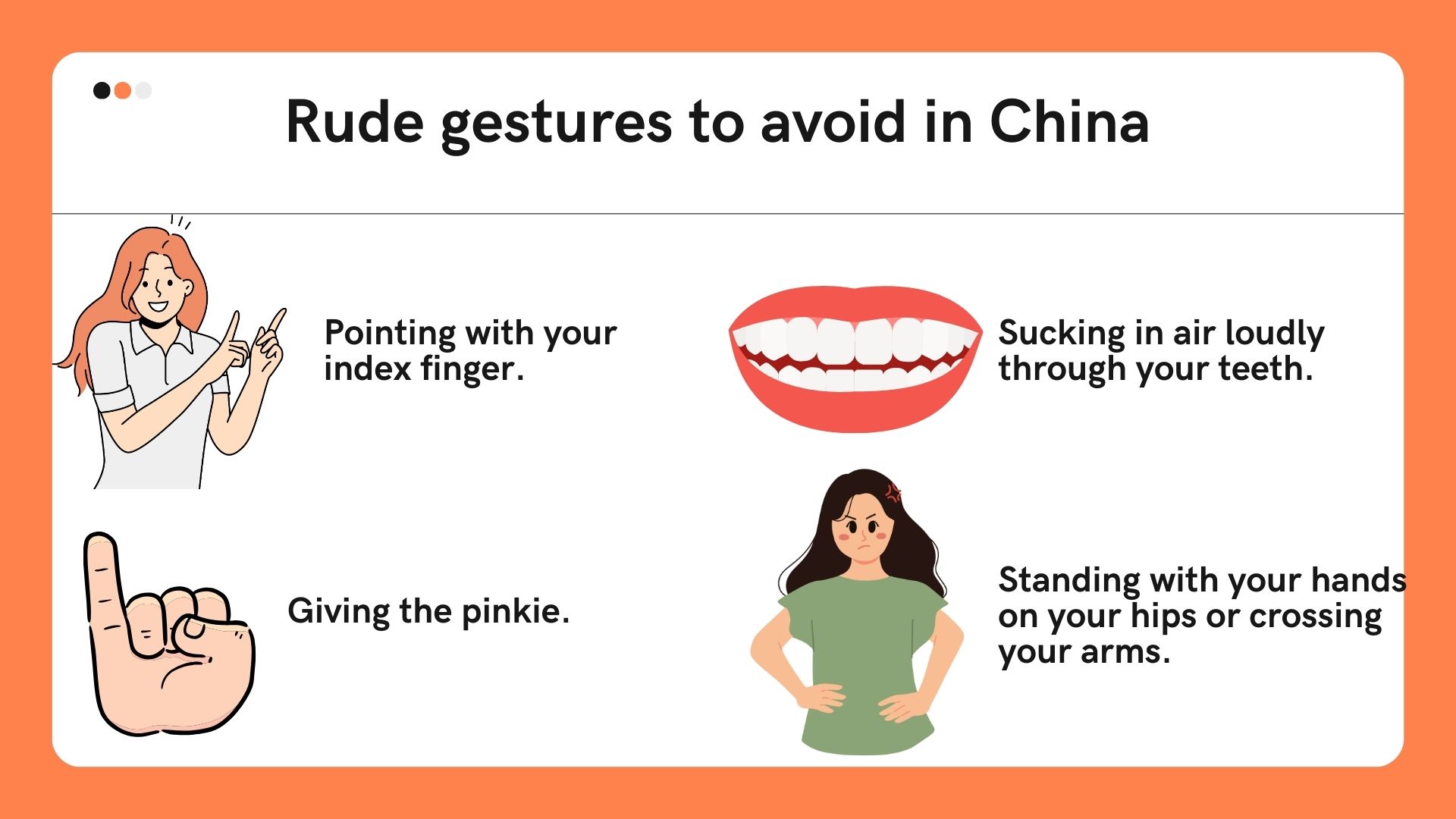
What should I be careful of in China?
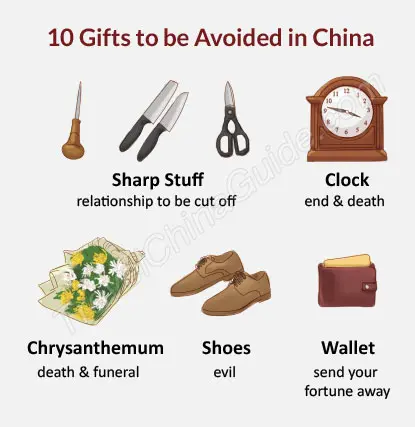
When visiting China, understanding and respecting cultural etiquette is crucial to avoid unintentional offense. Chinese society places high value on hierarchy, face-saving, and politeness. Here are key points to consider:
- Greetings: A slight bow or nod is common; avoid excessive physical contact like hugs.
- Gift-giving: Never give clocks, scissors, or white flowers, as they symbolize bad luck or death.
- Dining manners: Wait for the host to invite you to eat, and avoid sticking chopsticks upright in rice.
Internet and Communication Restrictions
China has strict internet censorship, and many global platforms like Google, Facebook, and WhatsApp are blocked. To navigate this:
- Use a VPN: Install a reliable VPN before arrival to access restricted sites.
- Local apps: Download alternatives like WeChat (for messaging) and Baidu (for searches).
- Avoid sensitive topics: Refrain from discussing Tibet, Taiwan, or human rights online or offline.
Scams and Tourist Traps
Tourists in China may encounter scams, particularly in crowded areas or popular attractions. Stay vigilant by:
- Ignoring tea ceremony invites: These often lead to exorbitant bills.
- Verifying taxi meters: Ensure drivers use them to avoid overcharging.
- Avoiding counterfeit goods: Fake products are common in markets like Silk Street.
Food and Water Safety
While Chinese cuisine is diverse, food safety can be a concern in certain areas. Follow these tips:
- Drink bottled water: Tap water is generally unsafe for consumption.
- Choose busy restaurants: High turnover ensures fresher ingredients.
- Avoid raw dishes: Street food like raw seafood may carry health risks.
China’s transportation system is extensive but can be overwhelming. To travel smoothly:
- Use ride-hailing apps: Didi Chuxing is safer than unregistered taxis.
- Carry your hotel's address: Have it written in Chinese for taxi drivers.
- Beware of rush hours: Subways in cities like Beijing and Shanghai get extremely crowded.
Frequently Asked Questions (FAQ)
What are some common cultural mistakes foreigners make in China?
Living in China for an extended period reveals several cultural pitfalls that foreigners often encounter. One major mistake is ignoring hierarchy in social or professional settings—failing to address elders or superiors with proper respect can cause offense. Another misstep is refusing food or drinks when offered, as hospitality is deeply valued. Additionally, discussing sensitive topics like politics or Tibet openly can create tension. Understanding these nuances helps avoid unintentional disrespect.
Why is bargaining important in China, and how should it be done?
Bargaining is a common practice in Chinese markets, but doing it poorly can lead to overpaying or offending vendors. The key is to negotiate politely—starting at around 50-70% of the asking price and meeting halfway. However, avoid aggressive haggling in upscale stores or for trivial amounts, as it may seem rude. Knowing when and how to bargain reflects cultural awareness and saves money.
How does punctuality differ in China compared to Western countries?
While punctuality is generally valued in professional settings, social events in China often operate on a more flexible timeline. Arriving too early to a dinner party can inconvenience hosts, while being fashionably late (10-15 minutes) is sometimes acceptable. However, for business meetings or formal occasions, being on time or early is crucial. Misjudging these expectations can signal disrespect or poor etiquette.
What dining etiquette should foreigners avoid breaking in China?
Chinese dining customs carry significant weight, and breaking them can offend hosts. For example, sticking chopsticks upright in a bowl resembles funeral rites and is considered bad luck. Turning down a toast without a good reason may seem dismissive, as sharing drinks builds camaraderie. Additionally, serving yourself first instead of elders or guests violates traditional norms. Mastering these rules shows respect and enhances social bonds.
Leave a Reply
Related Posts