
Hua Mulan: The True Story Behind The Legend

The legend of Hua Mulan, the courageous warrior who disguised herself as a man to take her father’s place in the army, has captivated audiences for centuries. While her story has been popularized through films and folklore, the historical truth behind Mulan remains shrouded in mystery. Scholars debate whether she was a real historical figure or a symbolic heroine from ancient Chinese ballads. This article delves into the origins of Mulan’s tale, exploring early texts like the Ballad of Mulan and examining how her legacy evolved over time. Discover the fascinating blend of history and myth that continues to inspire generations.
Hua Mulan: The True Story Behind The Legend
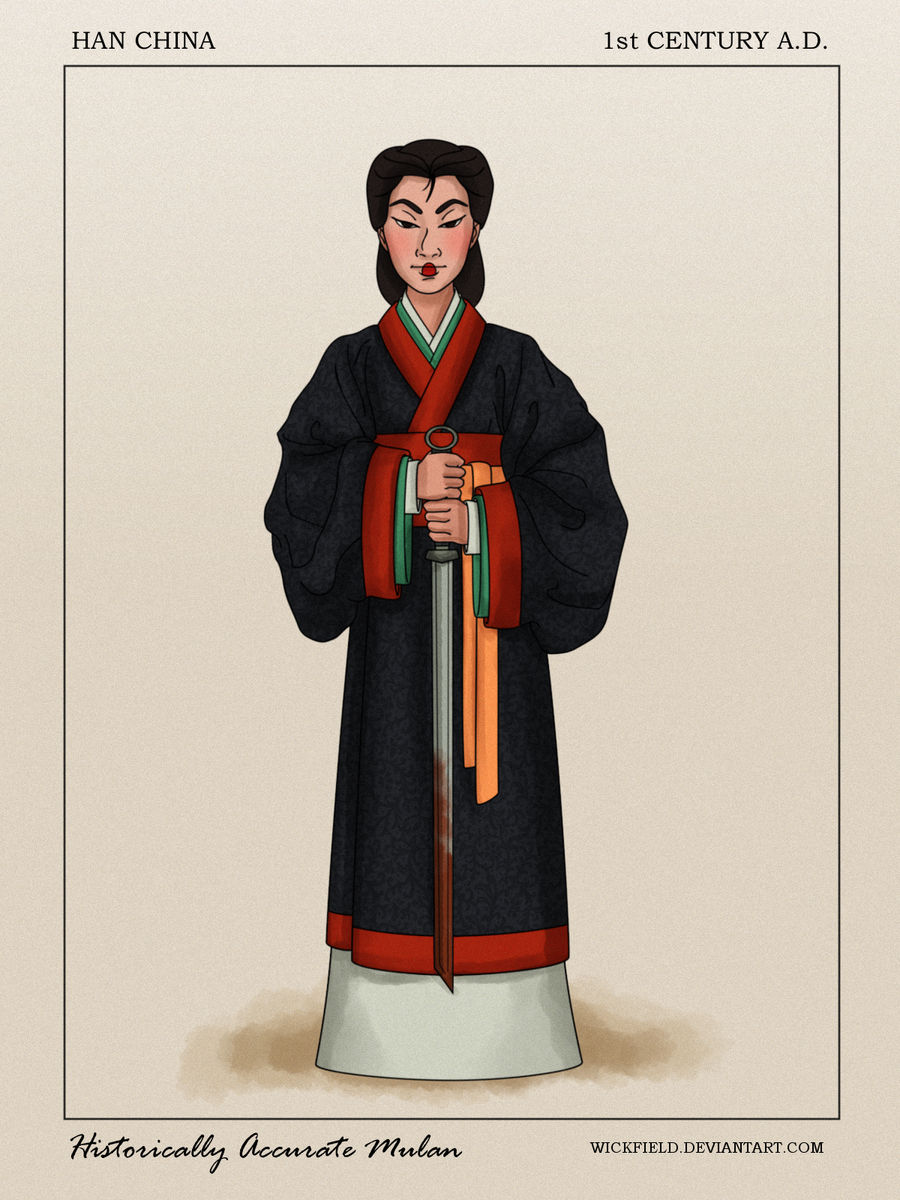
The legend of Hua Mulan has captivated audiences for centuries, inspiring countless adaptations in literature, theater, and film. But who was the real Mulan? Unlike many legendary figures, Mulan’s origins are shrouded in mystery, blending history and folklore. The earliest known reference to her appears in the Ballad of Mulan, a Chinese folk song from the Northern Wei Dynasty (386–534 AD). Unlike Disney’s portrayal, the original Mulan was not a princess but a courageous warrior who disguised herself as a man to take her aging father’s place in the army. Her story symbolizes filial piety, bravery, and gender defiance, making her an enduring cultural icon.
The Historical Origins of Mulan
The Ballad of Mulan is the primary source of her legend, dating back over 1,500 years. Unlike later adaptations, this poem does not mention a love interest or magical elements. Instead, it focuses on Mulan’s loyalty to her family and country. Historians debate whether Mulan was a real person or a composite of several warrior women from Chinese history. Some theories suggest she may have been inspired by Xianbei tribal warriors, known for their horseback riding and combat skills.
See AlsoThe three roads to mastering Chinese| Key Aspect | Details |
|---|---|
| Earliest Record | Ballad of Mulan (Northern Wei Dynasty) |
| Cultural Significance | Symbol of filial piety and bravery |
| Historical Debate | Real person vs. legendary figure |
Mulan’s Military Service and Battles
According to the ballad, Mulan served in the army for 12 years, fighting Khitan invaders. Her skills in swordsmanship and horseback riding earned her respect among fellow soldiers. Unlike later adaptations, the original story does not specify her rank, but it implies she was a capable warrior. The ballad emphasizes her intelligence and discipline, as she managed to conceal her gender throughout her service.
| Key Aspect | Details |
|---|---|
| Duration of Service | 12 years |
| Enemies Fought | Khitan tribes |
| Skills | Swordsmanship, horseback riding |
Gender and Identity in Mulan’s Story
Mulan’s cross-dressing was a radical act in patriarchal ancient China, where women were expected to conform to domestic roles. Her ability to pass as a man challenges traditional gender norms. The ballad highlights her self-sacrifice for her father, but later interpretations explore themes of female empowerment. Unlike Western adaptations, the original story does not focus on romance but on duty and honor.
| Key Aspect | Details |
|---|---|
| Gender Role Subversion | Disguised as a male soldier |
| Cultural Context | Patriarchal society |
| Modern Interpretations | Symbol of feminism |
Differences Between the Legend and Disney’s Mulan
Disney’s 1998 animated film and 2020 live-action remake took creative liberties with the original story. The ballad lacks Mushu the dragon, a romantic subplot with Li Shang, and supernatural elements. Instead, Disney emphasized individualism and self-discovery, while the original focused on family duty. The Ballad of Mulan ends ambiguously, with Mulan returning home and resuming her life as a woman.
See AlsoWuxia, a key to Chinese language and culture| Key Aspect | Original Legend | Disney Adaptation |
|---|---|---|
| Love Interest | None | Li Shang / Chen Honghui |
| Supernatural Elements | None | Mushu, Chi |
| Theme | Filial duty | Self-identity |
Mulan’s Legacy in Modern Culture
Mulan remains a global symbol of courage and resilience. Her story has been adapted into operas, TV dramas, and video games. In China, she is celebrated as a national heroine, while Western audiences admire her as a feminist icon. The MeToo movement has renewed interest in her defiance of gender roles. Unlike many ancient legends, Mulan’s tale continues to evolve, reflecting contemporary values.
| Key Aspect | Details |
|---|---|
| Cultural Adaptations | Operas, films, games |
| Symbolism | Feminism, braveryHow historically correct is Mulan?
The Origins of the Mulan LegendThe story of Mulan originates from a Chinese folk ballad called The Ballad of Mulan, dating back to the Northern Wei dynasty (386–534 AD). While the Disney adaptations take creative liberties, the core idea of a woman disguising herself as a man to join the army is rooted in this ancient poem. However, the ballad lacks many details found in modern retellings.
Disney's Adaptation vs. Historical ContextDisney's 1998 animated film and the 2020 live-action remake significantly deviate from the original legend. The films incorporate fictional elements like Mushu the dragon and exaggerated battles, which are absent in the ballad.
Cultural and Gender Roles in Mulan's StoryThe legend of Mulan reflects traditional Chinese values, particularly regarding gender roles and filial piety. While her actions defy norms, the story ultimately reinforces her return to a feminine role after serving in the army.
Military Accuracy in Mulan's StoryThe military aspects of Mulan's tale are loosely based on ancient Chinese warfare, but details are often exaggerated or fictionalized. The ballad describes her service but lacks specifics about battles or tactics.
Historical Inspirations and Possible InfluencesWhile Mulan herself may not be historical, her story could be inspired by real women warriors or collective experiences of women in wartime. Some historians suggest parallels with other legendary figures.
What is the original story in the Ballad of Mulan?
The Origins of the Ballad of MulanThe Ballad of Mulan is an ancient Chinese folk song dating back to the Northern Wei Dynasty (386–534 AD). It tells the story of a young woman named Hua Mulan who disguises herself as a man to take her elderly father's place in the army. The ballad is part of the Yuefu collection, a compilation of lyrical poems and songs. Unlike later adaptations, the original ballad focuses on Mulan's filial piety and bravery rather than romantic subplots.
Mulan's Decision to Join the ArmyIn the original ballad, Mulan's motivation is purely familial duty. When the Khan demands each household send a male to fight, she steps forward to spare her frail father and young brother. Her actions highlight Confucian values like loyalty and sacrifice.
Mulan's Military ServiceThe ballad skips detailed war descriptions, focusing on Mulan's 12-year campaign. She fights alongside men, her identity undetected, showcasing her skill and resilience.
Mulan's Return HomeAfter the war, Mulan declines an official title, asking only for a swift horse to return home. Her reunion with her family is poignant, as she sheds her warrior identity.
Themes in the Original BalladThe core themes revolve around gender, duty, and identity. Unlike later versions, there’s no emphasis on love or supernatural elements.
Why is it hua instead of fa mulan?
Why is the surname Hua used instead of Fa in Mulan?The name Hua Mulan is derived from the original Chinese historical texts, where her surname is written as 花 (Huā) in Mandarin. The Fa variation comes from the Cantonese pronunciation of the same character. Here’s why Hua is more commonly used:
What is the origin of Mulan’s surname in Chinese history?The surname 花 (Hua) has deep roots in Chinese culture and history. Here’s why it’s significant:
How did Disney’s Mulan influence the pronunciation of her name?Disney’s adaptation played a key role in popularizing Hua Mulan globally. Here’s how:
Are Hua and Fa the same character in Chinese?Yes, both Hua and Fa represent the same Chinese character, 花, but differ in pronunciation due to regional dialects:
Why do some adaptations use Fa Mulan instead of Hua Mulan?Certain versions, especially older or Cantonese-influenced works, use Fa Mulan for specific reasons:
Frequently Asked Questions (FAQ)Who was the real Hua Mulan?Hua Mulan was a legendary female warrior from ancient China, whose story has been passed down through poetry and folklore. While there is no definitive historical record of her existence, the most famous account comes from the Ballad of Mulan, a poem from the Northern Wei Dynasty (386–534 AD). The ballad describes her as a courageous young woman who disguised herself as a man to take her aging father's place in the army. Her tale symbolizes loyalty, filial piety, and bravery, making her an enduring cultural icon in Chinese history. How accurate is Disney's portrayal of Mulan compared to the original legend?Disney's animated and live-action adaptations of Mulan take significant creative liberties with the original legend. The Ballad of Mulan focuses on her military service and her return home, omitting elements like Mushu, a romantic subplot, or a villainous sorcerer. The original story emphasizes her duty to family and country, rather than individualism or supernatural forces. While Disney's versions capture her spirit, they diverge from the historical and cultural nuances of the Chinese legend. What cultural significance does Mulan hold in Chinese history?Mulan's story is deeply rooted in Confucian values, particularly filial piety and gender role defiance. Unlike many Western heroines, her greatness lies in her sacrifice and adherence to duty, not personal ambition. Over centuries, she has become a symbol of female empowerment within traditional Chinese society, showing that women could embody both virtue and strength. Her legend has been celebrated in operas, literature, and festivals, reinforcing her role as a cultural archetype of resilience and honor. Did Mulan really exist, or is she purely a mythical figure?The existence of Hua Mulan remains debated among historians. While no concrete evidence confirms her as a historical figure, her story aligns with the Northern Wei Dynasty's military conscription practices. Some scholars suggest she may have been inspired by real women warriors of the era, while others view her as a composite character representing collective ideals. Regardless, her impact transcends history, as her legend continues to inspire discussions on gender, duty, and identity in both Eastern and Western cultures. Leave a Reply |


Related Posts