
The beginner’s guide to Chinese translation

Chinese translation is a fascinating yet complex skill that opens doors to understanding one of the world’s oldest and most widely spoken languages. For beginners, navigating Chinese characters, tones, and cultural nuances can seem daunting, but with the right approach, it becomes an achievable and rewarding endeavor. This guide provides essential tips, tools, and strategies to help newcomers master the basics of Chinese translation. From recognizing common characters to avoiding cultural pitfalls, you’ll learn how to bridge the gap between languages effectively. Whether for personal growth or professional purposes, this beginner’s guide will set you on the path to accurate and meaningful Chinese translation.
The Beginner’s Guide to Chinese Translation: Essential Tips and Strategies
1. Understanding the Basics of Chinese Translation
Chinese translation requires a solid grasp of both the source and target languages. Unlike English, Chinese is a tonal language with characters representing words or concepts. Beginners should focus on learning Pinyin (the Romanization system) and common characters before diving into translation. Additionally, understanding cultural nuances is crucial, as direct translations often fail to convey the intended meaning.
| Key Aspect | Description |
|---|---|
| Tonal Language | Mandarin has four tones, altering word meanings. |
| Characters vs. Pinyin | Characters are logograms; Pinyin aids pronunciation. |
| Cultural Context | Idioms and proverbs often need adaptation. |
2. Common Challenges in Chinese Translation
Translating Chinese presents unique hurdles, such as homophones (words with the same sound but different meanings) and character ambiguity. Beginners may struggle with sentence structure, as Chinese often omits subjects or uses passive voice differently than English. Additionally, regional variations (e.g., Simplified vs. Traditional Chinese) add complexity.
See AlsoHow to become a Chinese-English translator and what it’s like to be one| Challenge | Solution |
|---|---|
| Homophones | Context is key; verify meanings with native speakers. |
| Simplified vs. Traditional | Identify your target audience's preferred script. |
| Grammar Differences | Study Chinese sentence patterns to avoid literal translations. |
3. Tools and Resources for Chinese Translation
Leveraging technology can streamline the translation process. Beginners should explore dictionaries like Pleco, machine translation tools (e.g., Google Translate with caution), and corpora for context. However, human proofreading remains essential to ensure accuracy.
| Tool | Use Case |
|---|---|
| Pleco | Offline dictionary with stroke order diagrams. |
| Google Translate | Quick checks, but unreliable for nuanced texts. |
| Tatoeba | Sentence database for real-world usage examples. |
4. Best Practices for Accurate Chinese Translation
To produce high-quality translations, follow these best practices: prioritize clarity, avoid word-for-word renditions, and consult native speakers for feedback. Additionally, familiarize yourself with industry-specific terminology if translating technical content.
| Practice | Benefit |
|---|---|
| Paraphrasing | Ensures natural flow in the target language. |
| Glossaries | Maintains consistency in specialized terms. |
| Peer Review | Reduces errors and improves quality. |
5. Career Opportunities in Chinese Translation
Proficiency in Chinese translation opens doors to roles like localization specialist, interpreter, or freelance translator. Industries such as e-commerce, legal, and entertainment demand skilled translators. Building a portfolio and obtaining certifications (e.g., HSK) can enhance credibility.
See AlsoWuxia, a key to Chinese language and culture| Career Path | Requirements |
|---|---|
| Localization | Adapts content for regional markets. |
| Interpreting | Fluency and quick thinking are essential. |
| Freelancing | Networking and self-promotion skills needed. |
Do Chinese translators make good money?
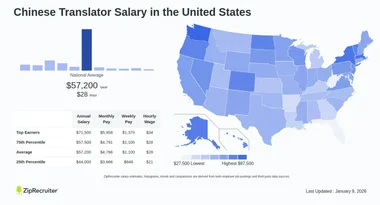
How Much Do Chinese Translators Earn on Average?
The average salary for Chinese translators varies depending on factors like experience, specialization, and location. In China, entry-level translators may earn between $10,000–$20,000 annually, while experienced professionals in high-demand fields (e.g., legal or technical translation) can make $50,000+ per year. Freelancers often charge per word or project, with rates ranging from $0.05–$0.20 per word.
- Location: Translators in major cities (Beijing, Shanghai) earn more.
- Industry: Specialized fields (medical, legal) pay higher rates.
- Experience: Senior translators command premium fees.
What Factors Influence a Chinese Translator's Income?
A translator’s earnings depend on multiple variables. Language pairs (e.g., Chinese-English) are highly lucrative due to global demand. Those working with rare dialects (Cantonese, Shanghainese) may charge even more. Additionally, certifications (e.g., CATTI in China) boost credibility and pay.
See AlsoWhy you should start blogging in Chinese today- Demand: Business and tech translations are consistently sought after.
- Freelance vs. In-House: Freelancers have higher earning potential but irregular income.
- Technology: Proficiency in CAT tools (Trados, MemoQ) increases efficiency and pay.
Is Freelance or Full-Time Work Better for Chinese Translators?
Freelance translators enjoy flexibility but face income instability, while in-house roles offer steady pay but lower ceilings. Freelancers can earn $30–$100/hour for niche projects, whereas corporate translators may receive benefits like healthcare but capped salaries.
- Freelance Pros: Higher rates, diverse clients, remote work.
- Full-Time Pros: Stability, career growth, benefits.
- Hybrid Approach: Many combine both for balanced income.
Which Industries Pay the Most for Chinese Translation?
Legal, medical, and technical sectors offer the highest rates due to complexity and liability. For example, a patent translator can earn 50% more than a generalist. Entertainment (subtitling) and e-commerce are also growing markets.
- Legal: Contracts, litigation documents.
- Medical: Clinical trials, pharmaceutical reports.
- Technology: Software localization, AI research.
How Can Chinese Translators Increase Their Earnings?
To maximize income, translators should specialize, build a portfolio, and leverage platforms (Upwork, ProZ). Networking with agencies and obtaining advanced certifications (e.g., ATA accreditation) also elevates rates.
- Upskill: Learn CAT tools or SEO translation.
- Niche Down: Focus on high-paying sectors like finance.
- Market Aggressively: Use LinkedIn, personal websites.
How do I translate an entire page from Chinese to English?
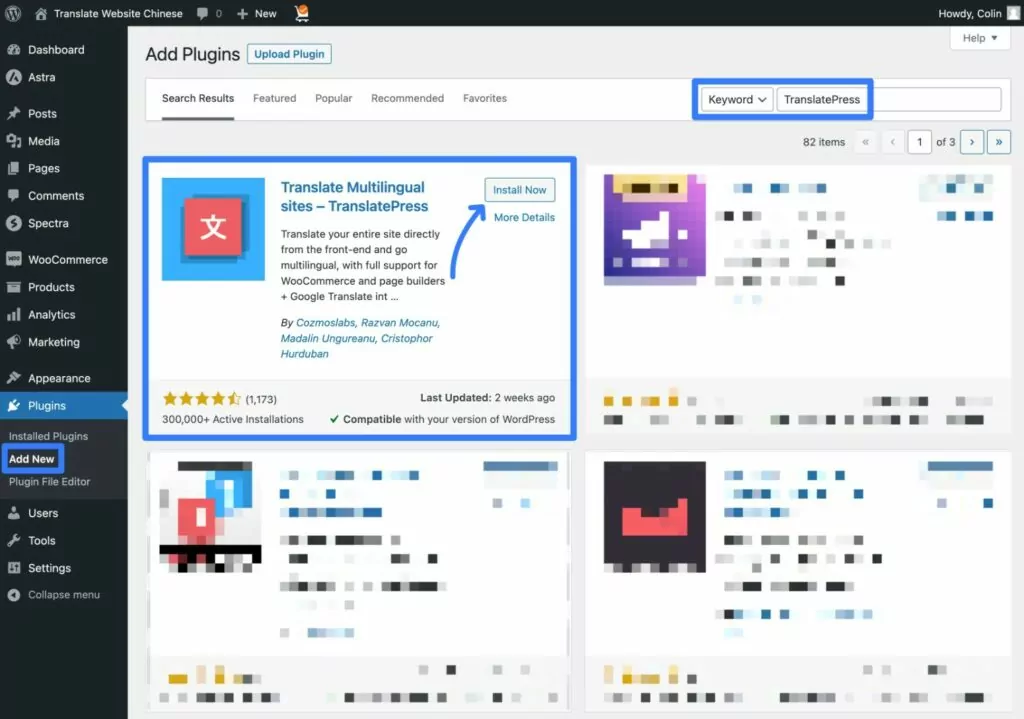
Using Browser Extensions for Translation
To translate an entire Chinese page to English, browser extensions like Google Translate or Mate Translate are efficient tools. Here’s how to use them:
- Install the extension from your browser’s extension store (Chrome Web Store, Firefox Add-ons, etc.).
- Navigate to the Chinese webpage you want to translate.
- Click the extension icon and select English as the target language.
Using Online Translation Tools
Online tools like Google Translate or DeepL allow you to translate entire web pages by pasting the URL or copying the text:
- Copy the URL of the Chinese webpage or highlight the text you want to translate.
- Paste it into the translation tool’s input field.
- Select English as the output language and click Translate.
Using Built-in Browser Features
Modern browsers like Google Chrome have built-in translation features:
- Open the Chinese webpage in Chrome.
- Right-click anywhere on the page and select Translate to English.
- If prompted, confirm the translation by clicking Translate in the pop-up bar.
Manual Translation with Copy-Paste
For smaller sections or precise control, manually translating text is an option:
- Highlight the Chinese text on the webpage.
- Copy it (Ctrl+C or Command+C).
- Paste it into a translation tool like Bing Translator or Yandex Translate.
Using Mobile Apps for Translation
Mobile apps like Google Translate or Microsoft Translator can also translate webpages:
- Download and open the translation app on your device.
- Tap the camera or webpage icon to scan or input the URL.
- Select English as the target language to view the translated content.
How to be better at translation?
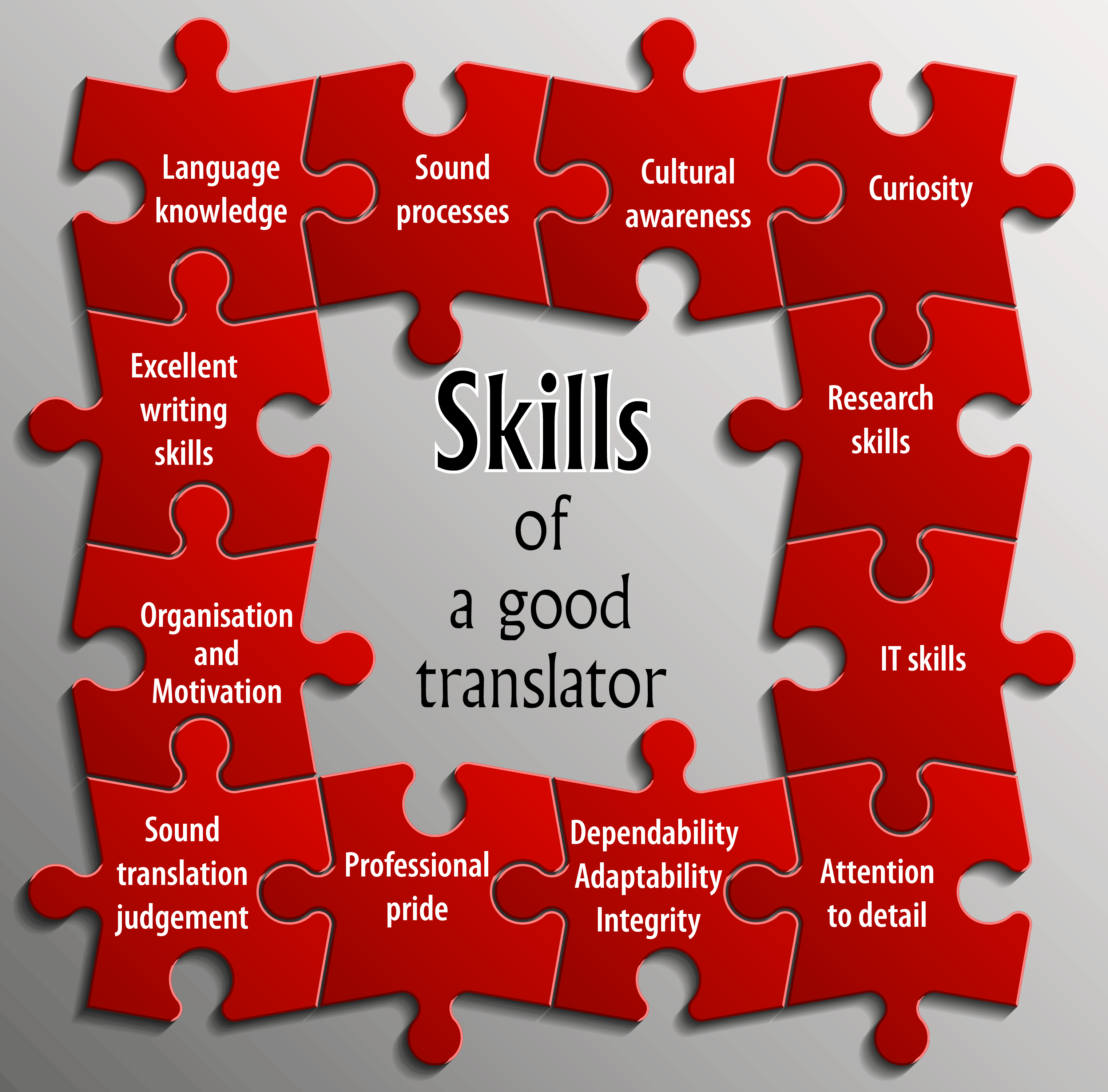
Improve Your Language Proficiency
To excel in translation, a deep understanding of both the source and target languages is essential. Focus on mastering grammar, vocabulary, idiomatic expressions, and cultural nuances. Here’s how:
- Read extensively in both languages to familiarize yourself with different styles and contexts.
- Practice writing regularly to improve fluency and accuracy.
- Engage with native speakers to refine pronunciation and colloquial usage.
Develop Cultural Awareness
Translation isn’t just about words—it’s about conveying cultural context. Misinterpreting cultural references can lead to errors. Consider these steps:
- Study the history and traditions of both cultures to grasp subtle meanings.
- Consume media (films, books, news) from both cultures to recognize idiomatic expressions.
- Travel or interact with communities to experience cultural nuances firsthand.
Master Translation Tools and Technology
Leveraging technology can enhance efficiency and accuracy. Familiarize yourself with these tools:
- CAT tools (e.g., Trados, MemoQ) help maintain consistency in large projects.
- Machine translation (e.g., DeepL, Google Translate) can assist but always requires human review.
- Glossaries and style guides ensure uniformity in terminology.
Practice Specialization in a Niche
Specializing in a specific field, such as legal, medical, or technical translation, improves expertise. Follow these steps:
- Research industry-specific terminology to build a strong vocabulary.
- Take specialized courses to deepen your knowledge.
- Network with professionals in the field to stay updated on trends.
Seek Feedback and Continuous Improvement
Constructive criticism is vital for growth. Implement these strategies:
- Join translation communities to exchange feedback with peers.
- Work with mentors to identify and correct weaknesses.
- Revise past work to track progress and learn from mistakes.
Frequently Asked Questions (FAQ)
What is the best way to start learning Chinese translation as a beginner?
Starting with the basics is crucial for beginners in Chinese translation. Focus on learning fundamental vocabulary, grammar rules, and common phrases to build a strong foundation. Additionally, practicing with simple texts and using translation tools can help you understand sentence structures. Over time, gradually move to more complex materials while consistently reviewing your progress.
How important is understanding Chinese culture for accurate translation?
Cultural knowledge plays a vital role in Chinese translation because many phrases and idioms are deeply rooted in traditions and history. Without this understanding, translations may lose their intended meaning or sound unnatural. To ensure accuracy, familiarize yourself with Chinese customs, proverbs, and social norms, as they often influence language use.
What are the most common mistakes beginners make in Chinese translation?
Beginners often struggle with literal translations, which can lead to awkward or incorrect phrasing. Another common mistake is neglecting tones and pronunciation, especially in Mandarin, where tone changes alter word meanings. Additionally, overlooking contextual nuances and relying too much on machine translation without verification can result in errors.
Which tools or resources are recommended for beginner Chinese translators?
Beginners should use a mix of dictionaries, language apps, and translation software to aid their learning. Recommended tools include Pleco for vocabulary, Tatoeba for example sentences, and Google Translate for quick checks. However, always cross-reference with native speakers or professional translators to ensure accuracy and natural phrasing.
Leave a Reply
Related Posts