
Three ways to improve the way you review Chinese characters

Mastering Chinese characters can be a challenging yet rewarding part of learning Mandarin. Whether you're a beginner or an advanced learner, refining your review techniques is essential for retention and recognition. This article explores three effective strategies to enhance your character review process. From leveraging spaced repetition systems to incorporating mnemonics and practicing writing by hand, these methods will help you build a stronger foundation. By adopting these approaches, you’ll not only memorize characters more efficiently but also deepen your understanding of their structure and meaning. Discover how to make your study sessions more productive and enjoyable with these practical tips.
Three Effective Ways to Improve Your Chinese Character Review Process
1. Use Spaced Repetition Systems (SRS)
Spaced Repetition Systems (SRS) like Anki or Pleco leverage algorithms to schedule reviews at optimal intervals, ensuring you revisit characters just as you’re about to forget them. This method boosts long-term retention by focusing on your weakest areas.
| Tool | Key Feature |
| Anki | Customizable flashcards |
| Pleco | Integrated dictionary + SRS |
2. Break Down Characters into Components
Analyzing characters by their radicals and phonetic components simplifies memorization. For example, the character 妈 (mā, mom) combines the radical 女 (nǚ, female) with the phonetic component 马 (mǎ, horse).
See Also7 ways of learning to write Chinese characters| Character | Components |
| 好 (hǎo, good) | 女 (nǚ) + 子 (zǐ) |
| 明 (míng, bright) | 日 (rì) + 月 (yuè) |
3. Write Characters by Hand Regularly
Handwriting reinforces muscle memory and improves recall. Dedicate 10–15 minutes daily to writing characters in a grid notebook, focusing on stroke order and proportions.
| Practice Tip | Benefit |
| Trace first, then write freehand | Builds confidence |
| Use squared paper | Maintains consistency |
4. Incorporate Mnemonics and Stories
Creating vivid stories or associations for characters makes them memorable. For instance, the character 休 (xiū, rest) depicts a person (亻) leaning against a tree (木).
| Character | Mnemonic |
| 森 (sēn, forest) | Three trees = dense forest |
| 火 (huǒ, fire) | Flames rising |
5. Test Yourself Actively
Replace passive review with active recall by covering meanings/pinyin and testing yourself. Use apps like Skritter or Quizlet for interactive quizzes.
See AlsoFocusing on communication to learn Chinese| Method | Effectiveness |
| Flashcards (hide answers) | High |
| Fill-in-the-blank exercises | Medium |
How to improve character recognition in Chinese?
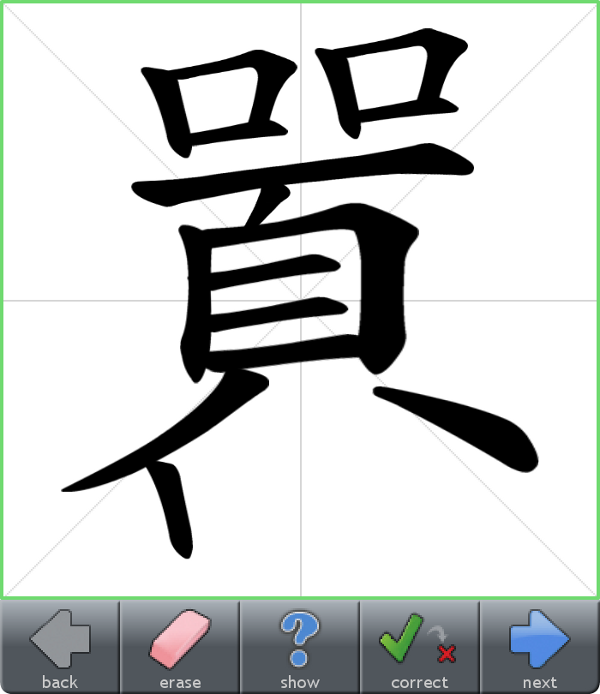
Practice Writing Chinese Characters Regularly
Improving character recognition in Chinese requires consistent practice. Writing characters by hand reinforces memory and helps distinguish similar-looking ones. Here’s how to approach it:
- Use grid paper to maintain proper stroke order and proportions.
- Focus on radicals, as they are the building blocks of characters.
- Repeat challenging characters until they become familiar.
Use Flashcards for Active Recall
Flashcards are a powerful tool for memorizing Chinese characters. They leverage active recall, which strengthens memory retention. Follow these steps:
See AlsoHow to not teach Chinese characters to beginners: A 12-step approach- Include both simplified and traditional characters if needed.
- Add pinyin and meanings to reinforce comprehension.
- Review daily using spaced repetition systems like Anki.
Engage with Authentic Chinese Materials
Exposure to real-world content enhances recognition. Reading books, news, or subtitles helps contextualize characters. Try these methods:
- Start with children’s books or graded readers.
- Highlight unknown characters and look them up later.
- Watch Chinese media with subtitles to associate sounds with characters.
Leverage Technology and Apps
Digital tools can accelerate learning through interactive exercises. Many apps specialize in character recognition. Consider these options:
- Use OCR apps like Pleco to scan and identify characters.
- Play character-based games to make learning fun.
- Try handwriting input on your phone to test your skills.
Study Character Etymology and Components
Understanding the origins and structure of characters makes them easier to remember. Break them down systematically:
- Learn common radicals and their meanings.
- Analyze phonetic components to guess pronunciation.
- Explore historical演变 (evolution) to see how characters developed.
How to study Chinese characters effectively?
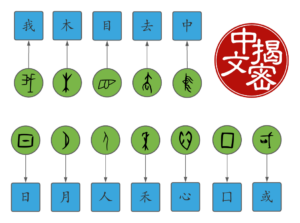
Understand the Structure of Chinese Characters
Chinese characters are composed of radicals and components, which often hint at meaning or pronunciation. Breaking them down simplifies memorization.
- Learn radicals first: Many characters share common radicals, which act as building blocks.
- Analyze components: Identify phonetic and semantic parts to decode characters logically.
- Practice stroke order: Writing characters correctly reinforces memory and recognition.
Use Spaced Repetition Systems (SRS)
Tools like Anki or Pleco leverage spaced repetition to optimize memorization.
- Create flashcards: Include characters, pinyin, and meanings for comprehensive review.
- Adjust intervals: Increase review gaps as you master characters to enhance retention.
- Mix old and new: Regularly revisit learned characters to prevent forgetting.
Incorporate Characters into Context
Learning characters in isolation is less effective than seeing them in sentences or stories.
- Read simple texts: Start with children’s books or graded readers.
- Write sentences: Use new characters in context to reinforce understanding.
- Watch subtitled media: Exposure to characters in TV shows or movies aids recognition.
Practice Writing Regularly
Writing by hand engages motor memory, deepening character retention.
- Use grid paper: Maintain proper proportions and stroke alignment.
- Trace before writing: Start with tracing sheets to build muscle memory.
- Write daily: Consistency is key to mastering complex characters.
Leverage Mnemonics and Associations
Creating mental connections makes characters easier to recall.
- Invent stories: Link character components to vivid imagery or narratives.
- Use homophones: Associate characters with similar-sounding words in your native language.
- Group similar characters: Compare and contrast visually alike characters to avoid confusion.
What are the six methods of forming Chinese characters?
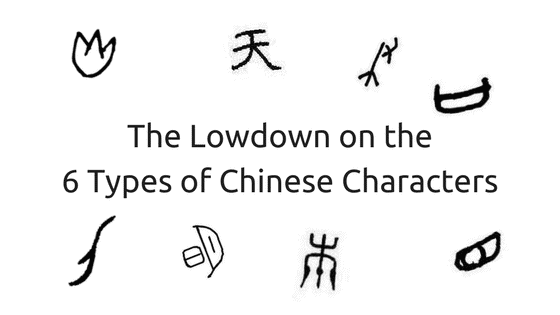
The Six Methods of Forming Chinese Characters
The six methods of forming Chinese characters, known as Liùshū (六书), are traditional classifications that explain how characters are constructed. These methods include pictograms, ideograms, compound ideograms, phono-semantic compounds, transferred characters, and loan characters. Each method reflects a unique approach to character creation, from visual representations to phonetic and semantic combinations.
- Pictograms (象形 xiàngxíng): Characters that resemble the physical shape of objects.
- Ideograms (指事 zhǐshì): Symbols representing abstract concepts.
- Compound Ideograms (会意 huìyì): Combinations of two or more characters to convey a new meaning.
- Phono-Semantic Compounds (形声 xíngshēng): Characters with a semantic radical and a phonetic component.
- Transferred Characters (转注 zhuǎnzhù): Characters repurposed with extended meanings.
- Loan Characters (假借 jiǎjiè): Characters borrowed to represent unrelated homophonic words.
Pictograms (象形 xiàngxíng)
Pictograms are the earliest form of Chinese characters, directly depicting the physical appearance of objects. These characters are simplified drawings of natural or man-made items.
- Example: 山 (shān) means mountain and resembles a mountain range.
- Example: 水 (shuǐ) means water and mimics flowing water.
- Example: 日 (rì) means sun and originally depicted a circular shape with a dot.
Ideograms (指事 zhǐshì)
Ideograms represent abstract ideas rather than concrete objects. These characters use symbols or added marks to indicate meaning.
- Example: 上 (shàng) means up and uses a horizontal line with a mark above it.
- Example: 下 (xià) means down and shows a mark below the line.
- Example: 三 (sān) means three and is represented by three horizontal lines.
Compound Ideograms (会意 huìyì)
Compound ideograms combine two or more existing characters to form a new meaning. The resulting character conveys a concept derived from the interaction of its parts.
- Example: 休 (xiū) means rest and combines 人 (person) and 木 (tree), implying resting under a tree.
- Example: 明 (míng) means bright and merges 日 (sun) and 月 (moon).
- Example: 好 (hǎo) means good and combines 女 (woman) and 子 (child).
Phono-Semantic Compounds (形声 xíngshēng)
Phono-semantic compounds are the most common type of Chinese characters. They consist of a semantic radical (indicating meaning) and a phonetic component (indicating pronunciation).
- Example: 河 (hé) means river, with 氵(water radical) and 可 (phonetic hint).
- Example: 妈 (mā) means mother, with 女 (female radical) and 马 (phonetic hint).
- Example: 清 (qīng) means clear, with 氵(water radical) and 青 (phonetic hint).
Transferred Characters (转注 zhuǎnzhù)
Transferred characters are repurposed or extended in meaning over time. This method involves adapting existing characters for new, related concepts.
- Example: 老 (lǎo) originally meant old but was extended to mean elderly or venerable.
- Example: 考 (kǎo) originally meant to test but evolved from the same root as 老.
Loan Characters (假借 jiǎjiè)
Loan characters are borrowed to represent unrelated words that sound similar. This method avoids creating new characters for homophonic terms.
- Example: 来 (lái) originally meant wheat but was borrowed to mean to come.
- Example: 我 (wǒ) originally meant a type of weapon but was borrowed as the pronoun I.
Frequently Asked Questions (FAQ)
What are the three most effective ways to review Chinese characters?
Spaced repetition, active recall, and contextual learning are three powerful methods to enhance your Chinese character review. Spaced repetition leverages memory science by reviewing characters at increasing intervals to reinforce long-term retention. Active recall involves testing yourself instead of passively reading, which strengthens neural connections. Lastly, contextual learning means studying characters within sentences or stories, helping you understand their real-world usage and nuances.
How does spaced repetition improve Chinese character retention?
Spaced repetition works by systematically reviewing characters just as you're about to forget them, which optimizes memory consolidation. Tools like Anki or Pleco use algorithms to schedule reviews based on your performance, ensuring efficient learning. This method prevents cramming and instead promotes gradual mastery, making it easier to recall characters even after long periods.
Why is active recall better than passive review for Chinese characters?
Active recall forces your brain to retrieve information, which is far more effective than passive methods like rereading or copying characters. When you test yourself—whether through flashcards, writing from memory, or verbal quizzes—you engage deeper cognitive processes. This strengthens memory pathways and reduces the illusion of competence that often comes with passive review.
How can contextual learning help with understanding Chinese characters?
Studying characters in real-life contexts, such as sentences, dialogues, or articles, helps you grasp their meaning, usage, and collocations. Instead of memorizing isolated characters, you see how they function in language, which improves both recognition and production. For example, learning the character 学 in the phrase 学习中文 (studying Chinese) reinforces its purpose more effectively than rote memorization.
Leave a Reply
Related Posts