
What are the Beijing Dialect and Beijing Accent?

The Beijing dialect and Beijing accent are distinctive linguistic features deeply rooted in the capital's history and culture. As a variant of Mandarin Chinese, the Beijing dialect reflects the city's unique identity, characterized by its pronunciation, vocabulary, and grammar. Meanwhile, the Beijing accent, often associated with the erhua (adding an r sound to syllables), is instantly recognizable in spoken Mandarin. Together, they offer a fascinating glimpse into the local traditions and everyday life of Beijingers. This article explores the origins, characteristics, and cultural significance of the Beijing dialect and accent, shedding light on their role in shaping China's linguistic landscape and regional identity.
What Are the Beijing Dialect and Beijing Accent?
The Beijing dialect and Beijing accent are linguistic features associated with the speech patterns of native Beijingers. The Beijing dialect is a variant of Mandarin Chinese, characterized by unique vocabulary, grammar, and pronunciation. The Beijing accent, on the other hand, refers specifically to the distinct way Beijingers pronounce Mandarin, often marked by rhoticity (adding an r sound at the end of words) and retroflex consonants. These linguistic traits reflect Beijing’s historical and cultural significance as China’s capital.
1. How Does the Beijing Dialect Differ from Standard Mandarin?
The Beijing dialect includes colloquial expressions and slang not found in Standard Mandarin (Putonghua). For example:
See AlsoThe Many Meanings of the Word Yi Si- Vocabulary: Words like “儿化音” (érhuàyīn – rhotacization) are more prevalent.
- Grammar: Some sentence structures are more informal.
- Pronunciation: The Beijing accent often adds an r sound to syllables, known as érhuà.
| Feature | Beijing Dialect | Standard Mandarin |
|---|---|---|
| Pronunciation | Heavy use of érhuà | Minimal érhuà |
| Vocabulary | Local slang (e.g., “哥们儿” gēmenr) | Formal terms |
2. What Are the Key Features of the Beijing Accent?
The Beijing accent is known for:
- Retroflex consonants: Pronouncing zh, ch, and sh more prominently.
- Rhotic endings: Adding r sounds (e.g., “这儿” (zhèr – here).
- Tone variations: Some tones may sound flatter compared to Standard Mandarin.
| Feature | Example |
|---|---|
| Retroflex Sounds | Pronouncing sh more sharply |
| Rhoticization | Adding r to words like 哪儿 (nǎr – where) |
3. Is the Beijing Dialect the Same as Mandarin?
No, the Beijing dialect is a regional variant of Mandarin, while Standard Mandarin is the official language taught nationwide. Key differences include:
- Informal expressions in the Beijing dialect.
- Pronunciation quirks not present in formal Mandarin.
| Aspect | Beijing Dialect | Mandarin |
|---|---|---|
| Usage | Local, informal | National, formal |
4. Why Is the Beijing Accent Considered Prestigious?
Historically, the Beijing accent has been influential because:
See Also14 of the Hardest Chinese Characters to Write- Beijing is China’s political and cultural center.
- Standard Mandarin is based on the Beijing pronunciation.
- It is associated with urban sophistication.
| Reason | Explanation |
|---|---|
| Political Influence | Beijing's status as the capital |
| Cultural Significance | Used in traditional performances like Peking Opera |
5. How Has the Beijing Dialect Evolved Over Time?
The Beijing dialect has changed due to:
- Migration: Influences from other Chinese dialects.
- Modernization: Younger generations blending it with Standard Mandarin.
| Factor | Impact |
|---|---|
| Urbanization | More exposure to other dialects |
| Media Influence | Standard Mandarin dominance in TV and education |
What does the Beijing accent sound like?

Characteristics of the Beijing Accent
The Beijing accent, often associated with Standard Mandarin, has distinct features that set it apart from other regional dialects. Here are some key traits:
- Erhua (儿化音): Frequent use of the -r suffix, adding a retroflex sound to words (e.g., 这儿 – zhèr for here).
- Flat Tone Emphasis: The first tone (high-level tone) is pronounced more prominently compared to other accents.
- Slurred Consonants: Some consonants, like sh and zh, may sound softer or less sharp.
Pronunciation Differences in the Beijing Accent
The Beijing accent alters certain sounds compared to standard Mandarin. Notable differences include:
See AlsoHow to improve your Chinese writing ability through focused reading- Neutral Tone Reduction: Unstressed syllables are often pronounced more lightly or even dropped.
- Final -n and -ng: These nasal endings may blend or sound less distinct.
- Vowel Shifts: Some vowels, like e, may sound closer to o (e.g., 喝 – hē sounding like hō).
Common Phrases in the Beijing Accent
Locals often use unique expressions or pronunciations. Examples include:
- 倍儿 (bèir): A slang term meaning very (e.g., 倍儿好吃 – very tasty).
- 瞅 (chǒu): A colloquial word for look, replacing the standard 看 (kàn).
- 咋的 (zǎ di): A casual way to say what's up.
Beijing Accent vs. Standard Mandarin
While the Beijing accent is the basis for Standard Mandarin, there are subtle distinctions:
- Rhythm: The Beijing accent has a more relaxed, flowing rhythm compared to the textbook precision of Standard Mandarin.
- Vocabulary: Local slang and idioms are more prevalent in the Beijing accent.
- Formality: The Beijing accent often sounds less formal due to dropped tones and colloquialisms.
Influence of the Beijing Accent in Media
The Beijing accent is widely heard in Chinese media, shaping perceptions of Mandarin:
- Film and TV: Many actors use the Beijing accent to convey authenticity or urban identity.
- News Broadcasts: While Standard Mandarin is preferred, subtle Beijing influences may appear in intonation.
- Music: Some singers incorporate Beijing slang or pronunciation for cultural resonance.
What are the 2 dialects of Chinese?
What Are the Two Main Dialects of Chinese?
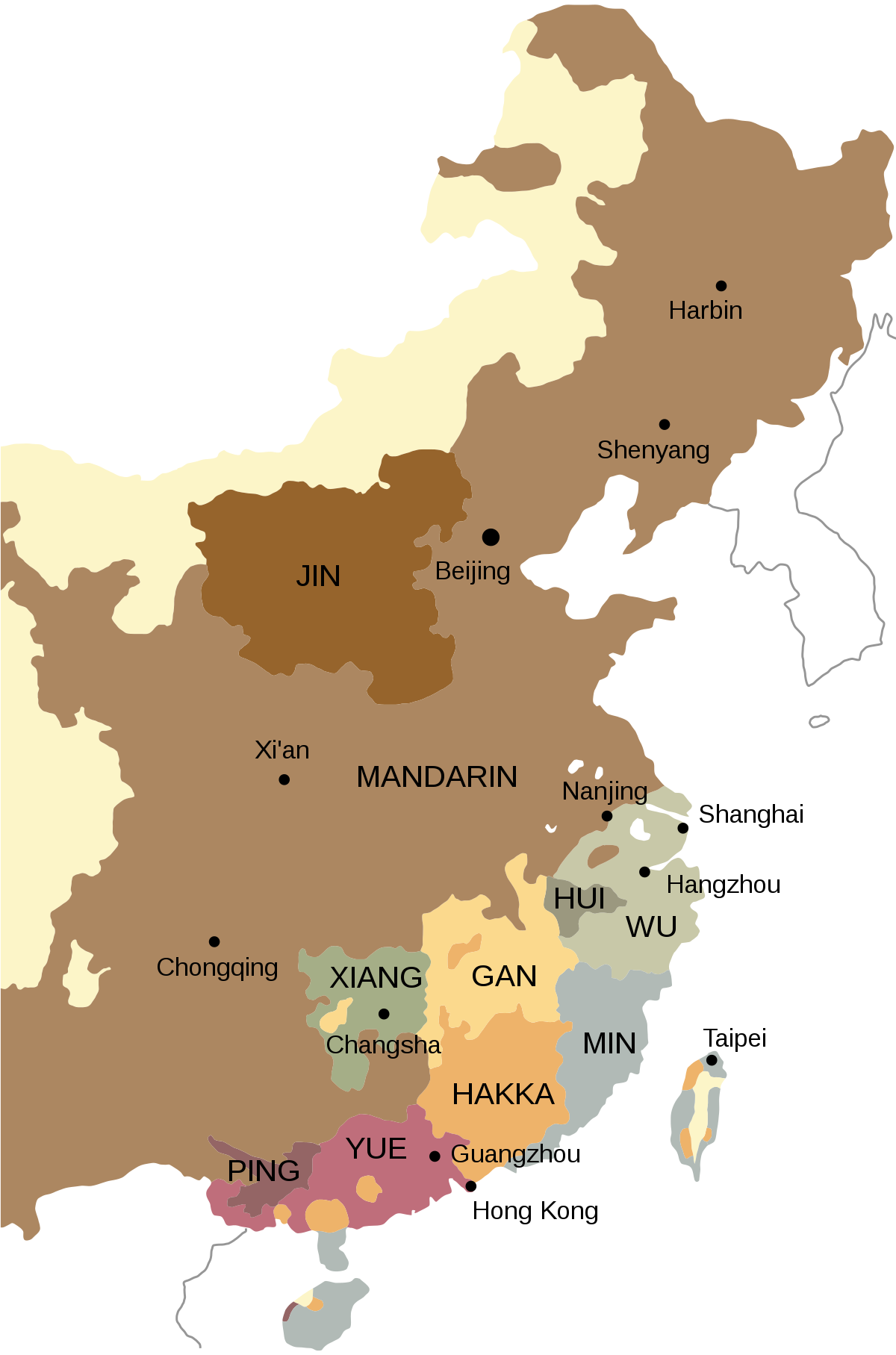
The two primary dialects of Chinese are Mandarin and Cantonese. Mandarin is the official language of China and the most widely spoken, while Cantonese is prominent in regions like Guangdong, Hong Kong, and Macau.
- Mandarin: The official language of China, spoken by over 1 billion people.
- Cantonese: Primarily used in southern China and overseas Chinese communities.
How Do Mandarin and Cantonese Differ in Pronunciation?
Mandarin and Cantonese have distinct phonetic systems. Mandarin uses four tones, while Cantonese employs six to nine tones, making it more complex.
- Tones: Mandarin has 4 tones; Cantonese has 6-9 tones.
- Sounds: Cantonese retains more ancient Chinese sounds.
- Romanization: Mandarin uses Pinyin; Cantonese uses Yale or Jyutping.
Where Are Mandarin and Cantonese Spoken?
Mandarin is dominant in mainland China and Taiwan, while Cantonese is mainly spoken in Guangdong, Hong Kong, and Macau.
- Mandarin: Mainland China, Taiwan, Singapore.
- Cantonese: Guangdong, Hong Kong, Macau, diaspora communities.
- Global Use: Mandarin is taught worldwide; Cantonese is common in Chinatowns.
What Are the Writing Systems for Mandarin and Cantonese?
Both dialects use Chinese characters, but Cantonese sometimes employs informal characters or slang not found in Mandarin.
- Standard Characters: Shared for formal writing.
- Cantonese-Specific Characters: Used in informal contexts.
- Simplified vs. Traditional: Mandarin uses simplified; Cantonese often uses traditional.
Why Is Mandarin More Widely Learned Than Cantonese?
Mandarin's status as China's official language and its global economic influence drive its popularity.
- Official Language: Mandarin is China's lingua franca.
- Business: Essential for trade and diplomacy.
- Education: Taught in schools worldwide.
Why do Beijing people add er?

The Influence of Beijing Dialect on Pronunciation
The addition of er in Beijing Mandarin, known as érhuà (儿化), is a distinctive feature of the local dialect. This phonetic phenomenon alters the pronunciation of words, making them sound more colloquial and region-specific. Key reasons include:
- Historical roots: The practice dates back centuries, influenced by the speech patterns of northern China.
- Phonetic ease: Adding er simplifies articulation in rapid speech.
- Cultural identity: It reinforces a sense of belonging among Beijing natives.
Grammatical Function of Er in Beijing Speech
In Beijing Mandarin, er serves multiple grammatical purposes beyond pronunciation. It can change word meanings or indicate informality. Examples include:
- Noun modification: Adding er to nouns (e.g., 哪儿 nǎr for where) softens the tone.
- Diminutive form: It can imply smallness or affection (e.g., 小孩儿 xiǎoháir for kid).
- Differentiation: Some words change meaning entirely with er (e.g., 画 huà vs. 画儿 huàr).
Regional Variations and Acceptance
While érhuà is iconic in Beijing, its usage varies across northern and southern China. Key distinctions:
- Northern prevalence: More common in northern dialects like Mandarin.
- Southern resistance: Southern dialects (e.g., Cantonese) rarely adopt this feature.
- Standardization: Some er endings are formalized in Standard Mandarin.
The use of er in Beijing speech often reflects social nuances. For instance:
- Informality: Frequent in casual conversations but avoided in formal writing.
- Generational divide: Older generations use it more liberally than younger speakers.
- Local pride: Beijingers may emphasize er to assert regional identity.
Common Misconceptions About Er Endings
Non-native speakers often misunderstand the role of er in Beijing Mandarin. Clarifications include:
- Not random: Its placement follows specific linguistic rules.
- Not redundant: Omitting er can alter meaning or sound unnatural.
- Not universal: Not all Mandarin speakers use it, even within northern China.
Are Mandarin and Putonghua the same?
What is Mandarin?
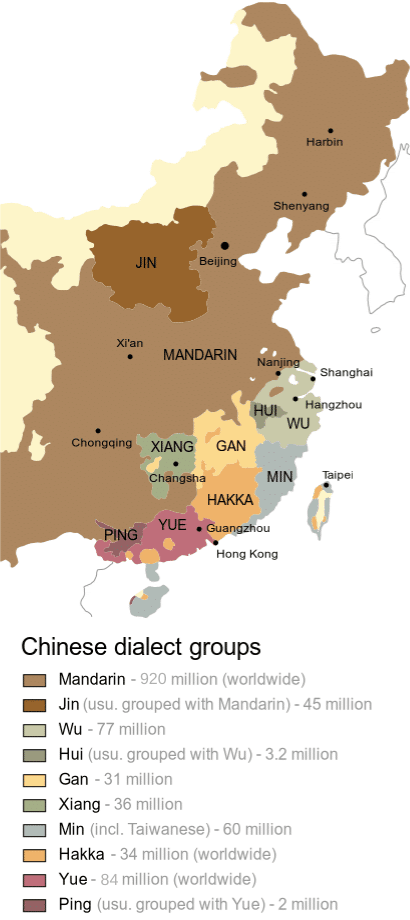
Mandarin is a group of related Chinese dialects spoken across northern and southwestern China. It serves as the basis for the standardized form of Chinese used in education, media, and official communications. Key characteristics include:
- Tonal system: Mandarin uses four main tones and a neutral tone to distinguish meanings.
- Vocabulary: Shares core vocabulary with other Chinese varieties but differs in pronunciation and colloquial expressions.
- Historical roots: Evolved from the speech of the Beijing area during the Ming and Qing dynasties.
What is Putonghua?
Putonghua is the official standardized form of Mandarin Chinese in mainland China, established to promote linguistic unity. It is based on:
- Beijing pronunciation: The phonological standard follows the Beijing dialect.
- Northern Mandarin grammar: Uses syntactic rules common to northern dialects.
- Modern vernacular literature: Vocabulary is drawn from contemporary written Chinese.
Key Differences Between Mandarin and Putonghua
While often used interchangeably, Mandarin and Putonghua have distinct roles:
- Scope: Mandarin refers to the broader dialect group; Putonghua is a specific standardized variant.
- Usage: Putonghua is mandated for official use in China, while Mandarin includes regional dialects.
- Pronunciation: Some regional Mandarin dialects diverge from Putonghua’s Beijing-based standards.
Geographical Variations of Mandarin
Outside mainland China, Mandarin takes different forms:
- Taiwan: Standard Chinese is called Guoyu, with minor phonetic and lexical differences.
- Singapore: Known as Huayu, it incorporates influences from Malay and English.
- Diaspora communities: Regional accents persist among overseas Chinese speakers.
Why the Confusion Between Mandarin and Putonghua?
The terms overlap because:
- Linguistic basis: Putonghua is derived from Mandarin dialects.
- Political context: Mainland China emphasizes Putonghua as the national standard.
- Global usage: Non-native speakers often use Mandarin to refer to any standardized Chinese.
Frequently Asked Questions (FAQ)
What is the Beijing Dialect?
The Beijing Dialect, also known as Beijing Mandarin, is a variant of Mandarin Chinese spoken primarily in Beijing and its surrounding areas. It serves as the foundation for Standard Mandarin, which is the official language of China. The Beijing Dialect is characterized by its distinct pronunciation, vocabulary, and grammar, which differ slightly from other Mandarin dialects. For example, it often includes colloquial expressions and slang unique to the region. While it shares many similarities with Standard Mandarin, native speakers can easily identify its regional nuances.
How does the Beijing Accent differ from Standard Mandarin?
The Beijing Accent is a specific way of pronouncing words within the Beijing Dialect, and it has several notable differences from Standard Mandarin. One key feature is the use of retroflex finals, where certain syllables are pronounced with a more pronounced curling of the tongue. Additionally, the Beijing Accent often drops the -er sound (儿化音) in words where Standard Mandarin retains it. The accent also includes unique intonation patterns and a faster speech rhythm, making it sound more casual and lively compared to the more neutral tone of Standard Mandarin.
Is the Beijing Dialect the same as Standard Mandarin?
While the Beijing Dialect is very close to Standard Mandarin, they are not identical. Standard Mandarin is based on the pronunciation, vocabulary, and grammar of the Beijing Dialect but has been standardized to ensure uniformity across China. The Beijing Dialect includes regional slang, idiomatic expressions, and pronunciation quirks that are not part of Standard Mandarin. For example, some words in the Beijing Dialect may have different meanings or usages compared to their Standard Mandarin counterparts. However, speakers of the Beijing Dialect can generally switch to Standard Mandarin with ease.
Why is the Beijing Dialect important in Chinese culture?
The Beijing Dialect holds significant cultural importance because it is the linguistic foundation of Standard Mandarin, China's official language. As the capital, Beijing has historically been the political and cultural center of China, influencing language norms nationwide. The dialect is also deeply tied to Beijing's local identity, appearing in traditional performances like Peking Opera and crosstalk (相声). Additionally, its unique expressions and accent are often featured in media, making it recognizable even to non-native speakers. Understanding the Beijing Dialect provides insight into both modern and historical Chinese culture.
Leave a Reply
Related Posts