
Languages in China (300+ In Total) - A Complete Guide

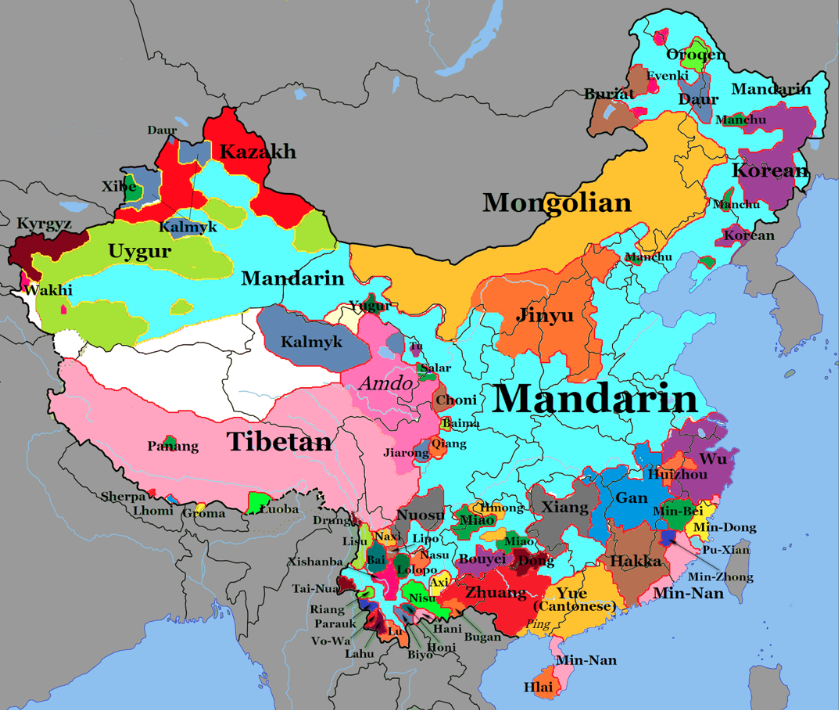
China is a linguistically diverse nation, home to over 300 distinct languages and dialects that reflect its rich cultural heritage. While Mandarin Chinese (Putonghua) serves as the official language, regional tongues such as Cantonese, Shanghainese, and Hokkien thrive alongside minority languages like Tibetan, Uyghur, and Mongolian. These languages belong to multiple language families, including Sino-Tibetan, Turkic, and Mongolic, showcasing China’s historical and ethnic complexity. This guide explores the fascinating variety of languages spoken across China, their origins, distribution, and cultural significance. Whether you're a linguist, traveler, or curious learner, understanding China’s linguistic landscape offers deeper insight into its people, traditions, and regional identities.
Languages in China (300+ In Total) - A Complete Guide
1. The Linguistic Diversity of China
China is home to over 300 languages and dialects, reflecting its vast cultural and ethnic diversity. The most widely spoken language is Mandarin, the official language, but other significant languages include Cantonese, Shanghainese, and minority languages like Tibetan and Uyghur. This diversity stems from China's long history and the presence of 56 officially recognized ethnic groups.
| Language Family | Examples | Speakers (Approx.) |
|---|---|---|
| Sino-Tibetan | Mandarin, Cantonese | 1.3 billion |
| Turkic | Uyghur, Kazakh | 10 million |
| Tibeto-Burman | Tibetan, Yi | 6 million |
2. Mandarin: The Dominant Language
Mandarin, or Putonghua, is the most spoken language in China and serves as the lingua franca. It is the medium of instruction in schools and used in government and media. Mandarin is based on the Beijing dialect and uses Simplified Chinese characters. Despite its dominance, regional variations in pronunciation and vocabulary exist.
See AlsoDebunking 9 Common Myths About Learning Chinese| Aspect | Details |
|---|---|
| Speakers | Over 1 billion |
| Writing System | Simplified Chinese |
| Official Status | National language |
3. Cantonese: A Major Regional Language
Cantonese is primarily spoken in Guangdong, Hong Kong, and Macau. Unlike Mandarin, it uses Traditional Chinese characters and has a more complex tonal system. Cantonese remains influential in entertainment, cuisine, and business within southern China and overseas communities.
| Feature | Description |
|---|---|
| Speakers | 60-80 million |
| Tones | 6-9 tones |
| Regions | Guangdong, Hong Kong |
4. Minority Languages and Their Significance
China's minority languages, such as Tibetan, Mongolian, and Zhuang, are protected by law but face challenges due to Mandarin promotion. These languages often hold cultural and religious importance for their communities. For example, Tibetan is used in Buddhist scriptures, while Uyghur is written in Arabic script.
| Language | Ethnic Group | Script |
|---|---|---|
| Tibetan | Tibetans | Tibetan script |
| Uyghur | Uyghurs | Arabic script |
| Zhuang | Zhuang people | Latin script |
5. The Role of Dialects in Everyday Life
Beyond official languages, regional dialects like Shanghainese, Hokkien, and Sichuanese play a vital role in daily communication. These dialects often differ significantly from Mandarin in pronunciation, grammar, and vocabulary. While some are fading, efforts exist to preserve them as part of China's linguistic heritage.
See AlsoHow do Chinese People Learn to Write Chinese Characters?| Dialect | Region | Unique Traits |
|---|---|---|
| Shanghainese | Shanghai | 5-6 tones, distinct vocabulary |
| Hokkien | Fujian, Taiwan | 7-8 tones, ancient roots |
| Sichuanese | Sichuan | Erhua accent, slang |
What is the hardest language to learn in China?
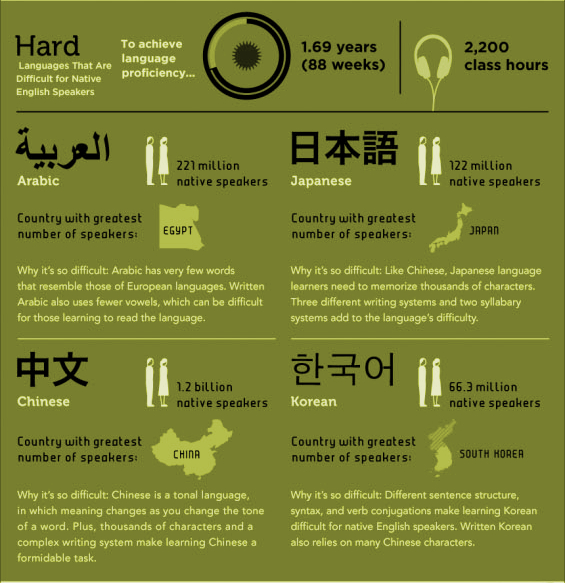
What Makes a Language Difficult to Learn in China?
The difficulty of learning a language in China depends on several factors, including linguistic differences, writing systems, and tonal variations. Here are the key challenges:
- Tonal systems: Many Chinese languages, like Mandarin, use tones to distinguish meaning, which is unfamiliar to non-native speakers.
- Character-based writing: Unlike alphabetic systems, Chinese characters require memorization of thousands of symbols.
- Dialectal diversity: Regional languages like Cantonese or Shanghainese have unique pronunciations and vocabularies.
Is Mandarin the Hardest Language to Learn in China?
While Mandarin is challenging due to its tones and characters, other languages in China may be even harder for learners. Consider these points:
See AlsoAnalysis paralysis: When choosing method becomes a problem- Four tones in Mandarin make pronunciation tricky, but some dialects, like Cantonese, have six to nine tones.
- Simplified characters in Mandarin are easier than traditional ones used in Cantonese or Hokkien.
- Grammar simplicity in Mandarin (no verb conjugations) gives it an edge over other Chinese languages.
Why Is Cantonese Considered Harder Than Mandarin?
Cantonese is often regarded as more difficult due to its complex tonal system and cultural nuances. Key reasons include:
- Six to nine tones compared to Mandarin's four, making pronunciation extremely precise.
- Traditional characters are more intricate than simplified Mandarin script.
- Limited learning resources compared to Mandarin, which is more widely taught.
How Do Regional Dialects Compare in Difficulty?
China's regional dialects vary significantly in complexity. Here’s how some stack up:
- Shanghainese (Wu dialect): Has voiced consonants and a unique phonetic system.
- Hokkien (Min dialect): Preserves ancient Chinese sounds, adding complexity.
- Hakka: Shares features with both Mandarin and Cantonese, creating a middle ground.
What Role Does the Writing System Play in Difficulty?
The Chinese writing system is a major hurdle regardless of the dialect. Key challenges include:
See AlsoHow to fake sounding like a native Chinese speaker- Thousands of characters must be memorized for basic literacy.
- No phonetic clues in many characters, unlike alphabetic systems.
- Multiple pronunciations for the same character across dialects.
What are the most studied languages in China?
Mandarin Chinese as the Primary Language
Mandarin Chinese is the most studied language in China, as it is the official language and the primary medium of instruction. The government promotes its use nationwide to ensure linguistic unity. Key reasons for its dominance include:
- National policy mandates Mandarin education in schools to standardize communication.
- Economic opportunities within China require fluency in Mandarin for career advancement.
- Cultural identity is deeply tied to Mandarin, making it essential for social integration.
English as the Leading Foreign Language
English is the most studied foreign language in China due to its global importance. Schools and universities prioritize English education to enhance international competitiveness. Major factors driving its popularity:
See AlsoChinese Emperors and Empresses: Lü Zhi of Han, China’s First Empress- Global business demands English proficiency for trade and diplomacy.
- Higher education often requires English for accessing international research and studies.
- Standardized tests like TOEFL and IELTS are widely taken for overseas education.
Japanese and Korean for Regional Influence
Japanese and Korean are popular due to cultural and economic ties with neighboring countries. Their study is fueled by:
- Pop culture exports like K-pop and anime attract younger learners.
- Tourism and trade with Japan and South Korea create demand for language skills.
- Job opportunities in multinational companies from these regions.
French and German for Academic and Professional Growth
French and German are studied for specialized academic and career paths. Their relevance stems from:
- Higher education partnerships with European institutions.
- Engineering and science fields where Germany and France excel.
- Diplomatic roles requiring multilingual capabilities.
Russian Due to Historical and Economic Ties
Russian retains significance in northern China and certain professional sectors. Its study is influenced by:
- Historical alliances between China and Russia during the 20th century.
- Border trade with Russian-speaking regions necessitates communication.
- Energy sector collaborations requiring bilingual expertise.
What percent of China is fluent in English?
What Percentage of China's Population is Fluent in English?
Estimates suggest that only about 1% of China's population is fluent in English, primarily concentrated in urban areas and among younger generations. While English is taught in schools, proficiency levels vary significantly due to differences in education quality and exposure.
- Urban vs. rural divide: Major cities like Beijing and Shanghai have higher English fluency rates compared to rural regions.
- Education system: English is mandatory in schools, but focus often leans toward exam performance rather than conversational skills.
- Generational gap: Younger Chinese, especially those under 30, are more likely to speak English due to globalization and digital exposure.
How Does China's English Fluency Compare Globally?
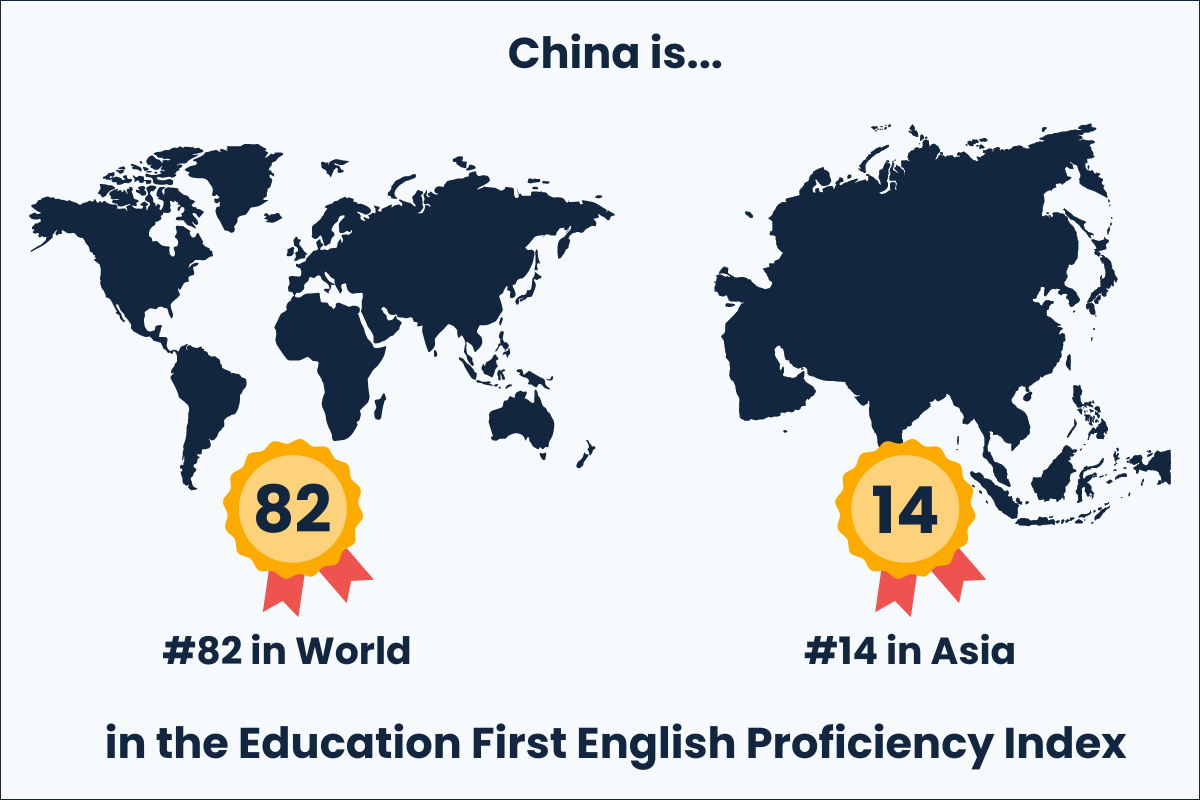
China ranks low in global English proficiency indexes, often below neighboring countries like India or the Philippines. The EF English Proficiency Index places China in the low proficiency category, reflecting limited practical usage outside academic or business elites.
- Global ranking: China typically falls between 40th and 50th in worldwide English proficiency surveys.
- Regional peers: Outperformed by Southeast Asian nations with stronger English colonial legacies.
- Business exceptions: Professionals in multinational companies or tech hubs (e.g., Shenzhen) show higher competence.
Which Factors Limit English Fluency in China?
Several cultural and systemic barriers hinder widespread English fluency in China, despite government efforts to promote bilingual education.
- Lack of immersion: Limited daily use of English in local communities reduces retention.
- Exam-oriented learning: Focus on grammar and rote memorization over speaking/listening skills.
- Cultural preference: Mandarin dominates media and social interactions, reducing incentives to master English.
Where in China is English Most Commonly Spoken?
English fluency is geographically uneven, with higher concentrations in tier-1 cities and tourist hotspots.
- Tier-1 cities: Beijing, Shanghai, Guangzhou, and Shenzhen lead in English usage.
- Tourist zones: Areas like Xi'an's Terracotta Army sites or Guilin cater to international visitors.
- Universities: Prestigious institutions (e.g., Tsinghua, Peking University) foster bilingual environments.
How is China Addressing English Education Challenges?
The government has implemented reforms to improve English proficiency, though results remain incremental.
- Curriculum updates: Shifting toward communicative teaching methods in pilot programs.
- Bilingual schools: Rise of private/international schools emphasizing English immersion.
- Tech integration: Apps like Liulishuo or VIPKid supplement traditional classroom learning.
Frequently Asked Questions (FAQ)
How many languages are spoken in China?
China is home to over 300 distinct languages, reflecting its vast cultural and ethnic diversity. While Mandarin (Standard Chinese) is the official language and most widely spoken, many other languages, such as Cantonese, Shanghainese, Hokkien, and Tibetan, are used by different ethnic groups. These languages belong to several language families, including Sino-Tibetan, Altaic, Austroasiatic, and Tai-Kadai, showcasing the country's rich linguistic heritage.
What is the most common language in China?
The most common language in China is Mandarin (Putonghua), which serves as the country's official language and is spoken by over 70% of the population. It is used in government, education, and media nationwide. However, regional languages like Cantonese (Yue) in Guangdong and Hong Kong, Wu in Shanghai, and Min in Fujian also have significant speaker bases. Despite Mandarin's dominance, many Chinese people are bilingual or multilingual, speaking both their local dialect and Mandarin.
Are Chinese dialects mutually intelligible?
Most Chinese dialects are not mutually intelligible due to differences in pronunciation, vocabulary, and grammar. For example, a Mandarin speaker may not understand Cantonese or Hokkien without prior exposure. However, written Chinese, using Han characters, provides a unifying element, as characters generally convey the same meaning across dialects. Some dialects, like Wu and Xiang, share similarities, but mutual intelligibility remains limited without learning the specific dialect.
Do ethnic minorities in China have their own languages?
Yes, China's 55 recognized ethnic minorities often have their own languages, many of which are officially protected. For instance, Tibetan, Uyghur, Mongolian, and Zhuang are spoken by their respective communities and are used in local education and media. Some minority languages, like Manchu, are endangered, while others, such as Yi and Miao, remain vibrant. The Chinese government supports bilingual education in minority regions, though Mandarin remains the primary language for national integration.
Leave a Reply
Related Posts