
Don’t try to improve everything at once when learning Chinese

Learning Chinese can be an exciting yet overwhelming journey, especially when faced with its complex characters, tones, and grammar. Many learners make the mistake of trying to master everything simultaneously—memorizing characters, perfecting pronunciation, and grasping grammar rules all at once. However, this approach often leads to frustration and burnout. Instead, focusing on one aspect at a time allows for steady progress and deeper understanding. By breaking down the learning process into manageable steps, you can build a stronger foundation without feeling overwhelmed. This article explores why gradual improvement is more effective and offers practical tips to streamline your Chinese learning experience.
- Why You Shouldn’t Try to Improve Everything at Once When Learning Chinese
- What is the hardest part about learning Chinese?
- What is the most efficient way to learn Chinese?
- How long does it realistically take to learn Chinese?
- What does learning Chinese do to your brain?
-
Frequently Asked Questions (FAQ)
- Why is it important not to improve everything at once when learning Chinese?
- What are the risks of trying to learn everything at once in Chinese?
- How can focusing on one aspect at a time improve Chinese learning efficiency?
- What strategies can help avoid the temptation to learn everything at once in Chinese?
Why You Shouldn’t Try to Improve Everything at Once When Learning Chinese
Learning Chinese is a complex process that involves mastering tones, characters, grammar, and pronunciation. Many learners make the mistake of trying to tackle all these aspects simultaneously, leading to frustration and burnout. Instead, focusing on one skill at a time allows for steady progress and deeper understanding.
Below are five key reasons why prioritizing gradual improvement is more effective than overwhelming yourself with multiple challenges at once.
See AlsoHSK 2 Vocabulary Test (Long & Short)---
1. The Complexity of Chinese Characters
Chinese characters (Hanzi) are logograms, meaning each one represents a word or a meaningful part of a word. Memorizing hundreds—or even thousands—of characters at once is inefficient and discouraging.
Strategy:
- Focus on high-frequency characters first (e.g., 的, 是, 我).
- Use spaced repetition tools like Anki to reinforce memory.
- Practice writing 5-10 characters daily instead of cramming.
| Mistake | Better Approach |
|---|---|
| Trying to memorize 50+ characters in one day | Learn 5-10 daily with consistent review |
| Ignoring stroke order | Master stroke order early to build good habits |
---
2. Mastering Tones Requires Focused Practice
Mandarin Chinese has four tones (plus a neutral tone), and mispronouncing them can change a word’s meaning entirely. Trying to perfect tones while also learning vocabulary and grammar is overwhelming.
Strategy:
- Isolate tones by practicing minimal pairs (e.g., mā (妈) vs. mà (骂)).
- Use tone drills and mimic native speakers.
- Record yourself and compare with audio samples.
| Mistake | Better Approach |
|---|---|
| Ignoring tones while learning new words | Practice tones first, then vocabulary |
| Rushing through tone exercises | Spend 10-15 minutes daily on tone drills |
---
3. Grammar Patterns Need Individual Attention
Chinese grammar is simpler than many languages, but it still has unique structures (e.g., measure words, word order). Trying to learn multiple grammar rules at once leads to confusion.
Strategy:
- Master one grammar point per week (e.g., 了 for completed actions).
- Apply it in sentences before moving to the next.
- Use grammar drills and sentence-building exercises.
| Mistake | Better Approach |
|---|---|
| Studying multiple grammar rules in one session | Focus on one rule until comfortable |
| Not practicing in context | Write/speak sentences using the new rule |
---
4. Listening and Speaking Skills Develop Separately
Many learners try to improve listening and speaking simultaneously, but these skills require different approaches.
Strategy:
- Passive listening (e.g., podcasts, TV shows) to train your ear.
- Active speaking (e.g., shadowing, language partners) to build fluency.
- Dedicate separate study sessions for each skill.
| Mistake | Better Approach |
|---|---|
| Only listening without speaking | Balance 30 minutes listening + 30 minutes speaking daily |
| Ignoring pronunciation drills | Repeat difficult sounds until mastered |
---
5. Avoid Burnout by Setting Realistic Goals
Trying to improve everything at once leads to mental fatigue and discouragement.
Strategy:
- Set weekly priorities (e.g., Week 1: Tones, Week 2: Basic Characters).
- Track progress with a journal or app.
- Celebrate small wins to stay motivated.
| Mistake | Better Approach |
|---|---|
| Studying 3+ hours daily without focus | 30-60 minutes of targeted practice |
| No clear goals | Define one key objective per week |
What is the hardest part about learning Chinese?

Tonal Pronunciation
One of the most challenging aspects of learning Chinese is mastering its tonal pronunciation. Mandarin has four main tones and a neutral tone, each altering the meaning of a word entirely. Mispronouncing a tone can lead to misunderstandings.
- Tones are essential for distinguishing words (e.g., mā (mother) vs. mà (scold)).
- Non-tonal language speakers often struggle to hear and reproduce these subtle differences.
- Continuous practice with native speakers is crucial for improvement.
Complex Writing System
The Chinese writing system relies on thousands of characters rather than an alphabet, making memorization daunting. Each character has unique strokes and meanings.
- Stroke order must be learned to write characters correctly.
- Many characters combine radicals and phonetic components, adding complexity.
- Reading fluency requires recognizing 3,000+ characters for basic literacy.
Grammar Structure Differences
While Chinese grammar lacks verb conjugations, its sentence structure and particles can be confusing for English speakers.
- Word order is strict (e.g., time phrases come before verbs).
- Particles like 了 (le) and 的 (de) have nuanced uses.
- Omitting subjects or objects is common, unlike in English.
Limited Cognates with English
Unlike European languages, Chinese shares few cognates with English, making vocabulary acquisition slower.
- Most words must be memorized from scratch without familiar roots.
- Idioms and cultural references often lack direct translations.
- Compounding characters (e.g., 电脑 for computer) requires understanding each part.
Listening Comprehension Speed
Native speakers often talk quickly, and the lack of word boundaries in speech makes listening comprehension difficult.
- Mandarin syllables flow together without pauses, unlike English.
- Regional accents and dialects add another layer of complexity.
- Contextual understanding is vital, as homophones are common.
What is the most efficient way to learn Chinese?

Immerse Yourself in the Language Daily
The most effective way to learn Chinese is through daily immersion. Surround yourself with the language by listening, speaking, reading, and writing consistently. Here’s how:
- Listen to Chinese podcasts, music, or news to train your ear.
- Speak with native speakers or language partners regularly.
- Watch Chinese TV shows or movies with subtitles to improve comprehension.
Master Pinyin and Tones Early
Pinyin (Romanization of Chinese characters) and tones are foundational. Mispronouncing tones can change meanings entirely. Follow these steps:
- Practice Pinyin daily to familiarize yourself with pronunciation.
- Focus on the four tones—use tone drills or apps like Pleco.
- Record yourself speaking and compare it to native speakers.
Prioritize High-Frequency Vocabulary
Learning high-frequency words first accelerates fluency. Instead of memorizing random words, target the most useful ones:
- Use frequency lists or apps like Anki for spaced repetition.
- Learn common phrases (e.g., greetings, questions) for practical use.
- Review daily to reinforce retention.
Practice Writing Characters Systematically
Chinese characters (Hanzi) require structured learning. Break them down into components for efficiency:
- Start with radicals—the building blocks of characters.
- Write characters repeatedly using grid paper or apps like Skritter.
- Learn stroke order rules to improve accuracy and speed.
Leverage Technology and Language Apps
Modern tools make learning Chinese more accessible. Integrate these into your routine:
- Use apps like Duolingo, HelloChinese, or Memrise for gamified learning.
- Join language exchange platforms (e.g., Tandem, HelloTalk).
- Enable Chinese keyboard for typing practice and character recognition.
How long does it realistically take to learn Chinese?
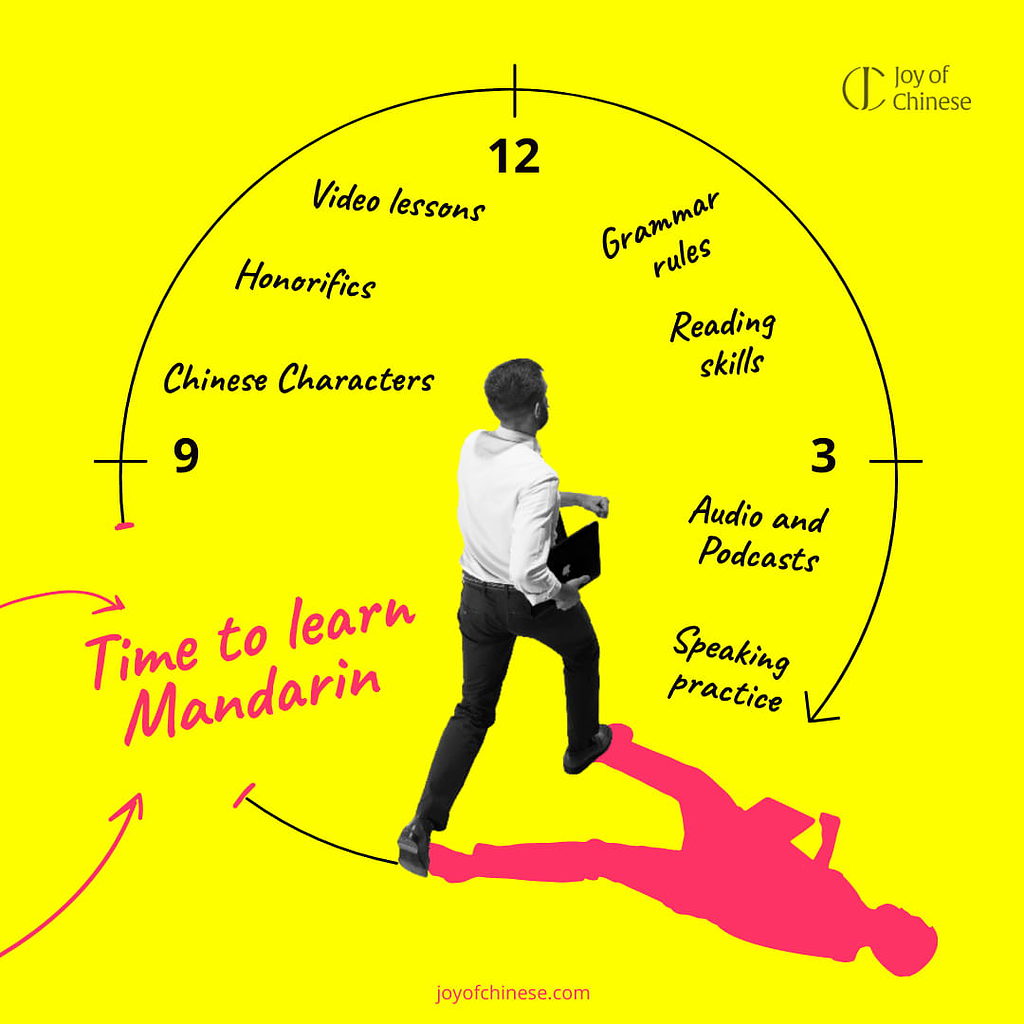
Factors That Influence Learning Chinese
The time it takes to learn Chinese depends on several key factors:
- Prior language experience: Knowing other tonal languages or Mandarin-based scripts can speed up learning.
- Study intensity: Full-time learners progress faster than casual students.
- Learning methods: Immersion programs yield quicker results than self-study alone.
- Motivation: Consistent practice and engagement significantly reduce learning time.
- Goals: Basic conversational fluency takes less time than mastering reading/writing.
Timeframe for Basic Conversational Fluency
Achieving basic conversational skills in Chinese typically requires:
- 3-6 months: For learners studying intensively (20+ hours/week).
- 6-12 months: For consistent part-time learners (5-10 hours/week).
- 1-2 years: For casual learners with irregular practice.
Mastering Reading and Writing Chinese Characters
Learning Chinese characters is the most time-consuming aspect:
- 1-2 years: To recognize 1,000-2,000 characters (basic literacy).
- 3-5 years: To read newspapers or novels comfortably (3,000+ characters).
- Lifelong learning: Full mastery requires continuous study due to the vast character set.
Proficiency Levels and Estimated Durations
Here’s a breakdown by proficiency levels (based on HSK standards):
- HSK 1-2 (Beginner): 6 months to 1 year.
- HSK 3-4 (Intermediate): 1.5-3 years.
- HSK 5-6 (Advanced): 3-5+ years.
Accelerating Your Chinese Learning Process
To speed up progress, consider these strategies:
- Immersion: Live in a Chinese-speaking environment or use media (TV, podcasts).
- Spaced repetition: Tools like Anki for character retention.
- Language partners: Practice speaking with native speakers regularly.
What does learning Chinese do to your brain?

How Does Learning Chinese Enhance Cognitive Abilities?
Learning Chinese significantly boosts cognitive abilities by engaging multiple brain regions. The language's unique features, such as tones and characters, stimulate neural plasticity. Here’s how:
- Memory improvement: Memorizing characters strengthens the hippocampus, enhancing long-term memory.
- Attention control: Distinguishing tones sharpens auditory processing and focus.
- Problem-solving: Decoding characters activates analytical thinking and pattern recognition.
Does Learning Chinese Increase Brain Plasticity?
Yes, mastering Chinese promotes brain plasticity by forming new neural connections. The complexity of the language forces the brain to adapt. Key effects include:
- Gray matter growth: Studies show increased density in areas like the left inferior parietal cortex.
- Multisensory integration: Combining visual (characters) and auditory (tones) input strengthens neural pathways.
- Delayed cognitive decline: Bilingualism in Chinese may slow age-related brain deterioration.
How Does Chinese Language Learning Affect Memory?
Learning Chinese has a profound impact on memory systems, particularly due to its logographic writing. Benefits include:
- Visual memory boost: Recalling characters trains the brain to retain complex visual information.
- Working memory enhancement: Juggling tones and meanings improves short-term memory capacity.
- Associative memory: Linking sounds, symbols, and meanings strengthens relational memory networks.
What Role Does Chinese Play in Executive Function Development?
Chinese learning hones executive functions by demanding high-level mental control. Critical improvements involve:
- Task-switching: Navigating between pinyin, characters, and tones enhances mental flexibility.
- Inhibition control: Suppressing native language interference builds cognitive discipline.
- Decision-making speed: Rapid tone differentiation accelerates processing efficiency.
Can Learning Chinese Improve Multitasking Skills?
Acquiring Chinese directly enhances multitasking abilities by training the brain to manage parallel linguistic tasks. Key outcomes are:
- Dual-coding: Simultaneously processing visual characters and auditory tones reframes cognitive load management.
- Adaptive attention: Switching between semantic and phonetic elements sharpens divided attention.
- Error monitoring: Constant self-correction in tone usage heightens situational awareness.
Frequently Asked Questions (FAQ)
Why is it important not to improve everything at once when learning Chinese?
Learning Chinese involves mastering multiple skills, such as pronunciation, characters, grammar, and vocabulary. Trying to improve all of them simultaneously can lead to overwhelm and burnout. Instead, focusing on one aspect at a time—like perfecting tones before tackling complex characters—allows for deeper understanding and retention. This approach ensures steady progress without unnecessary frustration.
What are the risks of trying to learn everything at once in Chinese?
Attempting to master all components of Chinese at the same time can result in shallow learning, where none of the skills are fully internalized. It may also increase stress and reduce motivation, as the sheer volume of material feels unmanageable. By prioritizing one area—such as conversational fluency or character recognition—learners can build a solid foundation before moving on to the next challenge.
How can focusing on one aspect at a time improve Chinese learning efficiency?
Concentrating on a single skill, like listening comprehension or writing characters, allows learners to dedicate their full attention to mastering it. This targeted practice leads to faster improvement and greater confidence. Once one skill becomes second nature, learners can shift focus to another area, creating a structured and effective learning process.
What strategies can help avoid the temptation to learn everything at once in Chinese?
Setting clear goals—such as mastering 50 common characters in a month or holding a 5-minute conversation—helps maintain focus. Using a study schedule that rotates between skills weekly or monthly can also prevent overload. Additionally, tracking progress in one area before moving to the next reinforces patience and discipline, ensuring long-term success in learning Chinese.
Leave a Reply
Related Posts