
How to improve your Chinese writing ability through focused reading

Improving your Chinese writing skills can be a challenging yet rewarding endeavor, and focused reading is one of the most effective ways to achieve this. By carefully selecting high-quality texts and analyzing their structure, vocabulary, and style, you can internalize the patterns of well-written Chinese. This method not only expands your linguistic knowledge but also sharpens your ability to express ideas clearly and naturally. Whether you're studying essays, news articles, or literature, deliberate reading helps you absorb grammar, idioms, and cultural nuances. In this article, we’ll explore practical strategies to maximize the benefits of focused reading and elevate your Chinese writing proficiency.
- How to Improve Your Chinese Writing Ability Through Focused Reading
- How to improve Chinese reading and writing?
- How do I make my Chinese handwriting better?
- How to improve Chinese composition writing?
- What is the best way to learn to write Chinese?
-
Frequently Asked Questions (FAQ)
- What types of Chinese texts are best for improving writing skills through focused reading?
- How often should I practice focused reading to see improvements in my Chinese writing?
- What strategies can I use to maximize learning during focused reading sessions?
- Can focused reading alone significantly improve my Chinese writing, or should I combine it with other methods?
How to Improve Your Chinese Writing Ability Through Focused Reading
Focused reading is one of the most effective ways to enhance your Chinese writing skills. By carefully analyzing well-written texts, you can absorb proper grammar, vocabulary, and stylistic techniques. This method helps you understand sentence structures, idiomatic expressions, and cultural nuances, which are crucial for writing naturally in Chinese. Below, we explore key strategies to maximize the benefits of focused reading.
1. Choose the Right Reading Materials
Selecting appropriate texts is essential for effective learning. Beginners should start with simple articles, children’s stories, or graded readers, while advanced learners can tackle newspapers, essays, or classical literature. Ensure the material matches your proficiency level to avoid frustration and maximize comprehension.
See AlsoUltimate Chinese Radicals Quiz What Do They All Mean?| Level | Recommended Materials |
|---|---|
| Beginner | Children's books, short dialogues, basic news |
| Intermediate | Blogs, short stories, simplified novels |
| Advanced | Newspapers, academic papers, classical literature |
2. Analyze Sentence Structures
Breaking down sentences helps you understand grammar patterns and word order in Chinese. Pay attention to how conjunctions, measure words, and particles are used. Highlight complex sentences and try rewriting them in your own words to reinforce learning.
3. Expand Vocabulary with Context
Instead of memorizing isolated words, learn them in context. Underline unfamiliar terms, check their meanings, and see how they function in sentences. Create flashcards with example sentences to improve retention.
4. Imitate Writing Styles
Identify the writing style of your reading material (formal, conversational, etc.) and practice mimicking it. Write short paragraphs using similar phrasing and tone to develop versatility in your own writing.
See AlsoChinese Measure Words Quiz How Many Do You Know?5. Take Notes and Summarize
After reading, summarize the content in your own words. This exercise strengthens comprehension and helps you practice structuring thoughts in Chinese. Compare your summary with the original to identify areas for improvement.
| Activity | Benefit |
|---|---|
| Summarizing paragraphs | Improves coherence and conciseness |
| Rewriting sentences | Reinforces grammar and vocabulary |
| Keeping a reading journal | Tracks progress and reflections |
How to improve Chinese reading and writing?
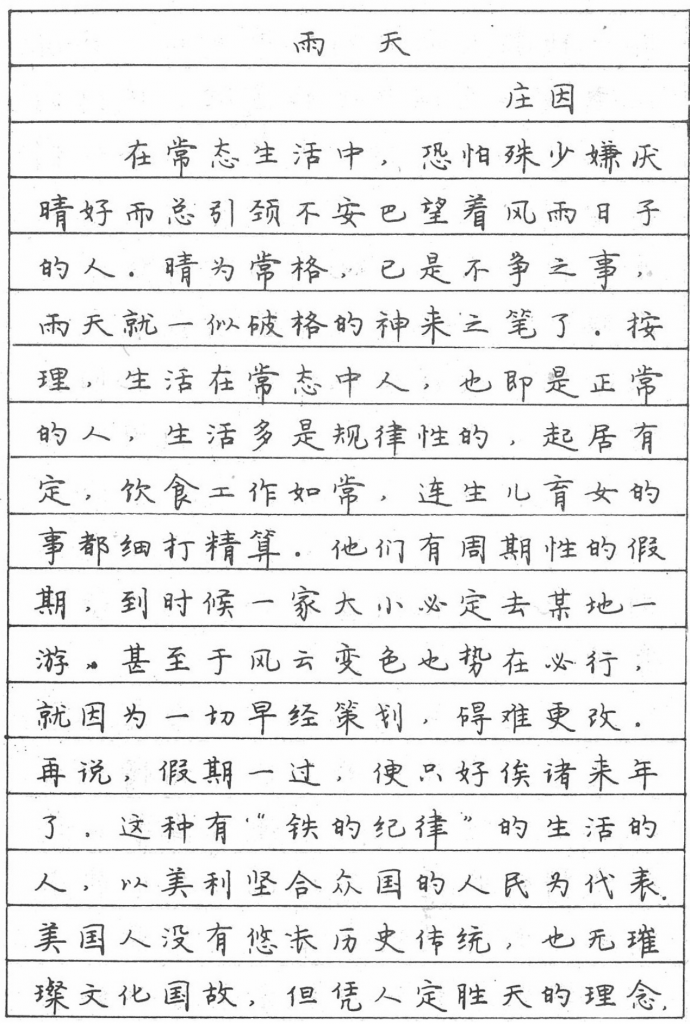
Build a Strong Vocabulary Foundation
To improve Chinese reading and writing, start by expanding your vocabulary. Learning high-frequency characters and words is essential for comprehension and expression. Use flashcards, apps, or word lists to memorize new terms daily.
See AlsoWhat Are Duolingos Next Languages: Learning Guide 2025- Study radicals to understand character composition and meanings.
- Practice writing characters repeatedly to reinforce memory.
- Use new words in sentences to enhance retention.
Read Chinese Texts Regularly
Reading consistently exposes you to sentence structures, idioms, and context. Begin with simpler materials like children's books or graded readers, then progress to newspapers or novels.
- Choose topics that interest you to stay motivated.
- Highlight and review unfamiliar characters or phrases.
- Summarize passages in your own words to practice comprehension.
Practice Writing Daily
Writing regularly helps solidify your understanding of grammar and vocabulary. Start with short sentences, then move to paragraphs or essays.
- Keep a journal in Chinese to document daily thoughts.
- Copy well-written texts to learn proper structure.
- Seek feedback from native speakers or teachers.
Use Language Learning Tools
Leverage technology to enhance your skills. Apps, online dictionaries, and language exchange platforms provide interactive ways to practice.
See AlsoThe Most Difficult Sounds in Chinese to Master- Use apps like Pleco or Anki for vocabulary drills.
- Watch Chinese shows with subtitles to improve reading speed.
- Join forums or social media groups to engage with native speakers.
Immerse Yourself in Chinese Culture
Understanding cultural context deepens your connection to the language. Explore Chinese media, traditions, and history to gain insights.
- Read Chinese news or blogs to see contemporary usage.
- Watch movies or listen to music to absorb natural speech patterns.
- Participate in cultural events or language meetups.
How do I make my Chinese handwriting better?
Understand the Basic Strokes and Stroke Order
Improving your Chinese handwriting starts with mastering the basic strokes and following the correct stroke order. Each Chinese character is built from a combination of strokes, and writing them in the right sequence ensures balance and readability.
- Learn the eight basic strokes, such as the horizontal (一), vertical (丨), and hook (亅).
- Practice stroke order rules, like writing from top to bottom and left to right.
- Use grid paper to maintain consistent proportions and spacing.
Practice Regularly with Copybooks
Using copybooks (字帖) is an effective way to refine your handwriting by imitating well-formed characters. Repetition helps build muscle memory.
- Trace characters first to get familiar with their structure.
- Write freehand after tracing, comparing your work to the model.
- Focus on common characters before tackling complex ones.
Pay Attention to Character Structure and Balance
Chinese characters rely on symmetry and proportion. A well-balanced character is visually pleasing and easier to read.
- Observe the radical placement, as it often dictates the character's layout.
- Keep strokes evenly spaced to avoid crowding or gaps.
- Adjust stroke length to maintain harmony, like longer horizontal strokes in some characters.
Use the Right Tools for Better Control
The right writing tools can significantly impact your handwriting quality. Traditional tools help develop precision.
- Choose a brush or pen with good ink flow for smooth strokes.
- Opt for grid or calligraphy paper to guide your writing.
- Hold the pen correctly at a 45-degree angle for better control.
Seek Feedback and Compare Your Progress
Improvement comes from constructive feedback and tracking your progress over time.
- Ask native speakers or teachers to review your handwriting.
- Compare old and new samples to identify areas of improvement.
- Join handwriting communities online for tips and motivation.
How to improve Chinese composition writing?
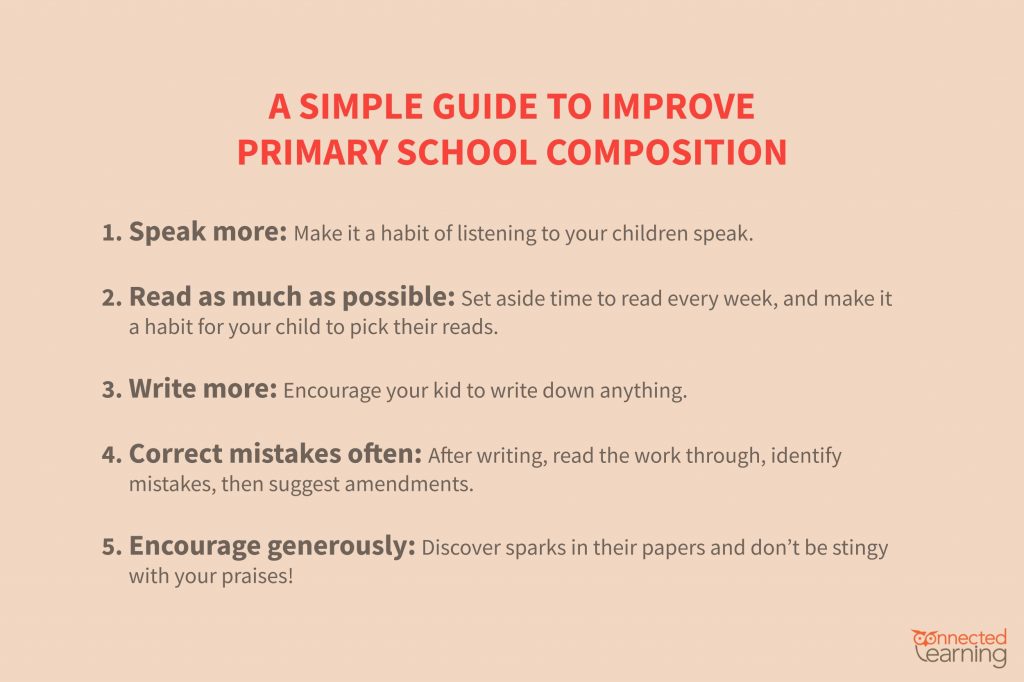
Understand the Structure of Chinese Composition
To improve your Chinese composition writing, it's essential to grasp the standard structure, which typically includes an introduction, body, and conclusion. Here’s how to approach it:
- Start with a hook to engage the reader, then briefly introduce your main idea.
- Body: Develop your arguments or narrative with clear paragraphs, each focusing on a single point.
- Conclusion: Summarize key points and leave a lasting impression.
Expand Your Vocabulary
A rich vocabulary is crucial for expressive writing. Here’s how to enhance it:
- Read extensively: Expose yourself to diverse Chinese texts, from literature to news articles.
- Use flashcards: Memorize new words and practice using them in sentences.
- Learn idioms and proverbs: These add depth and cultural relevance to your writing.
Practice Grammar and Syntax
Proper grammar and sentence structure are vital for clarity and coherence. Focus on:
- Sentence patterns: Master common structures like 把 (bǎ) and 被 (bèi) sentences.
- Particles: Use 的, 得, and 地 correctly to refine your writing.
- Conjunctions: Link ideas smoothly with words like 因为 (because) and 所以 (therefore).
Develop a Habit of Regular Writing
Consistency is key to improvement. Follow these steps:
- Write daily: Even short paragraphs help build fluency.
- Seek feedback: Ask teachers or native speakers to review your work.
- Revise thoroughly: Edit for grammar, word choice, and flow.
Study Model Essays
Analyzing high-quality compositions can provide valuable insights. Here’s how:
- Identify strengths: Note effective techniques like vivid descriptions or logical progression.
- Mimic style: Practice writing in a similar tone and structure.
- Compare your work: Spot differences and areas for improvement.
What is the best way to learn to write Chinese?

Mastering Chinese Characters: A Step-by-Step Approach
Learning to write Chinese characters requires a structured method to build a strong foundation. Start by focusing on stroke order and radicals, as these are the building blocks of characters. Practice consistently with the following steps:
- Learn basic strokes: Begin with horizontal, vertical, and diagonal lines before moving to complex combinations.
- Study radicals: Recognize common radicals (e.g., 水 for water) to understand character composition.
- Use grid paper: Write characters within grids to maintain proper proportions and balance.
Using Repetition and Spaced Learning for Retention
Repetition is key to memorizing Chinese characters, but spaced repetition systems (SRS) like Anki can optimize learning. Follow this approach:
- Daily practice: Write each character multiple times to reinforce muscle memory.
- Review systematically: Use SRS apps to revisit characters at increasing intervals.
- Contextual learning: Write characters in sentences to understand their usage.
Incorporating Technology and Apps
Modern tools can accelerate learning by providing interactive exercises and instant feedback. Consider these resources:
- Skritter: An app specializing in writing practice with stroke-order guidance.
- Pleco: A dictionary app with handwriting input for character lookup.
- YouTube tutorials: Watch videos demonstrating proper writing techniques.
Practicing with Native Speakers and Feedback
Engaging with native speakers ensures accurate learning and corrections. Implement these strategies:
- Language exchange: Partner with a native speaker for mutual practice.
- Online communities: Join forums like Reddit’s r/ChineseLanguage for feedback.
- Hire a tutor: Get personalized guidance on stroke order and composition.
Immersion Through Reading and Writing
Surrounding yourself with Chinese script reinforces recognition and writing skills. Try these methods:
- Read children’s books: Start with simple texts to see characters in context.
- Keep a journal: Write daily entries using newly learned characters.
- Label objects: Stick Chinese characters on household items for constant exposure.
Frequently Asked Questions (FAQ)
What types of Chinese texts are best for improving writing skills through focused reading?
Focused reading of high-quality Chinese texts is essential for enhancing writing ability. News articles, essays, and literary works are particularly effective because they expose learners to formal structures, rich vocabulary, and varied sentence patterns. Additionally, graded readers tailored to different proficiency levels can help beginners build confidence. For advanced learners, classical Chinese literature or contemporary novels provide deeper insights into stylistic nuances and cultural context.
How often should I practice focused reading to see improvements in my Chinese writing?
Consistency is key when using focused reading to improve Chinese writing. Ideally, learners should dedicate at least 30 minutes daily to reading carefully selected materials. Over time, this habit helps internalize grammar rules, idiomatic expressions, and cohesive structures. Tracking progress weekly and adjusting the difficulty of texts ensures steady improvement. Combining reading with active note-taking on unfamiliar phrases or sentence patterns accelerates mastery.
What strategies can I use to maximize learning during focused reading sessions?
To get the most out of focused reading, adopt active engagement techniques such as highlighting key phrases, summarizing paragraphs, and imitating sentence structures in your own writing. Keeping a vocabulary journal for new words and reviewing them regularly reinforces retention. Another effective strategy is reading aloud, which improves both pronunciation and comprehension. Finally, discussing the material with a tutor or language partner can deepen understanding and provide feedback.
Can focused reading alone significantly improve my Chinese writing, or should I combine it with other methods?
While focused reading is a powerful tool, combining it with writing practice, grammar drills, and speaking exercises yields the best results. For instance, after reading a passage, try rewriting it in your own words or composing a response. Supplementing reading with language apps, tutoring sessions, or peer reviews ensures a well-rounded approach. Over time, the synergy between these methods strengthens both linguistic accuracy and creative expression in Chinese writing.
Leave a Reply
Related Posts