
5 Important Colours in China

In Chinese culture, colors hold deep symbolic meanings, reflecting traditions, beliefs, and historical significance. From vibrant festivals to everyday life, hues play a crucial role in conveying emotions, values, and cultural identity. This article explores five important colors in China—red, yellow, black, white, and green—each with its own unique associations. Red symbolizes luck and joy, yellow represents power and royalty, black signifies mystery and solemnity, white embodies purity and mourning, while green stands for harmony and growth. Understanding these colors offers insight into China’s rich heritage and the enduring influence of color symbolism in art, fashion, and celebrations. Discover how these shades shape Chinese culture today.
5 Important Colours in China and Their Cultural Significance
1. Red (红色 - Hóngsè): The Colour of Prosperity and Joy
In China, red symbolizes good fortune, happiness, and celebration. It is prominently used during festivals like Chinese New Year and weddings. Red envelopes (hóngbāo) containing money are gifted for luck. Historically, it represented fire and the South in the Five Elements theory.
| Symbolism | Occasions | Historical Meaning |
|---|---|---|
| Luck, Joy | New Year, Weddings | Fire, South Direction |
2. Yellow (黄色 - Huángsè): The Imperial Colour
Yellow was reserved for emperors in ancient China, representing power and royalty. It was forbidden for commoners to wear. Linked to the Earth in the Five Elements, it also signifies stability and centrality.
See Also30 Useful Chengyu (Chinese Idioms) for Everyday Life and Work| Symbolism | Historical Use | Element |
|---|---|---|
| Royalty, Power | Emperor's Robes | Earth |
3. Black (黑色 - Hēisè): Mystery and Water
Black represents water in Chinese philosophy and symbolizes mystery, depth, and the unknown. While often associated with mourning, it also signifies professionalism in modern contexts.
| Symbolism | Philosophy | Modern Use |
|---|---|---|
| Mystery, Mourning | Water Element | Business Attire |
4. White (白色 - Báisè): Purity and Mourning
Unlike Western cultures, white in China traditionally symbolizes death, mourning, and humility. However, it also represents purity and metal in the Five Elements. Modern interpretations include minimalism.
| Symbolism | Traditional Use | Element |
|---|---|---|
| Mourning, Purity | Funerals | Metal |
5. Green (绿色 - Lǜsè): Harmony and Growth
Green signifies nature, health, and renewal. It is linked to the East and wood in the Five Elements. In modern China, it represents eco-friendliness and prosperity.
See AlsoFree and easy audio flashcards for Chinese dictation practice with Anki| Symbolism | Philosophy | Modern Meaning |
|---|---|---|
| Growth, Harmony | Wood, East | Sustainability |
What are the five colors of China?

The five traditional colors of China, known as the Chinese Five Colors (五色, Wǔ Sè), are deeply rooted in Chinese culture, philosophy, and history. These colors are red, black, green, white, and yellow, each representing one of the five elements (Wu Xing) and carrying symbolic meanings.
The Symbolism of Red in Chinese Culture
Red is one of the most prominent colors in China, symbolizing luck, joy, and prosperity. It is widely used during festivals, weddings, and other celebrations. Here are some key aspects of red in Chinese culture:
See AlsoHSK 2 Vocabulary Test (150 Words)- Festivals: Red lanterns and decorations dominate during Chinese New Year.
- Weddings: Brides often wear red dresses to symbolize happiness.
- Symbolism: Represents fire in the Five Elements theory.
The Significance of Black in Chinese Tradition
Black is associated with water, mystery, and the unknown in Chinese culture. It holds both positive and negative connotations. Key points include:
- Philosophy: Linked to the water element in Wu Xing.
- Fashion: Often worn for formal or solemn occasions.
- Art: Used in calligraphy and ink paintings.
The Meaning of Green in Chinese History
Green represents growth, harmony, and nature in China. It is tied to the wood element and has cultural significance:
- Nature: Symbolizes renewal and vitality.
- Health: Associated with healing and balance.
- Jade: Green jade is highly valued in Chinese art.
The Role of White in Chinese Symbolism
White is often linked to purity, mourning, and metal in Chinese traditions. Its dual symbolism includes:
See AlsoLearning Chinese in the shower with me- Mourning: Traditionally worn at funerals.
- Metal Element: Represents clarity and precision.
- Art: Used in porcelain and ceramics.
The Importance of Yellow in Chinese Heritage
Yellow holds a special place in Chinese culture, symbolizing imperial power, earth, and centrality. Key aspects are:
- Emperors: Exclusive color for royalty in ancient China.
- Earth Element: Represents stability and nourishment.
- Symbolism: Associated with the Yellow River and the origin of Chinese civilization.
What are important Colours in China?

The Symbolism of Red in Chinese Culture
Red is the most significant color in China, symbolizing luck, prosperity, happiness, and celebration. It is prominently used during festivals like the Chinese New Year and weddings. Below are key aspects of red in Chinese culture:
- Festivals: Red lanterns, envelopes (hóngbāo), and decorations dominate celebrations.
- Weddings: Brides often wear red dresses, and venues are adorned in red for good fortune.
- Historical Significance: Associated with the Communist Revolution, red represents patriotism and authority.
The Role of Yellow in Imperial China
Yellow was historically reserved for the emperor and symbolized power, royalty, and divinity. It was forbidden for commoners to wear. Key points include:
- Imperial Exclusivity: Only the emperor could wear yellow robes or use yellow in architecture.
- Cosmology: Linked to the Earth element and the center of the universe in Chinese philosophy.
- Modern Use: Still evokes respect and is used in traditional art and ceremonies.
Green: Nature and Harmony
Green represents growth, health, and harmony in Chinese culture, often tied to nature and renewal. Notable associations:
- Health & Longevity: Used in traditional medicine and symbols like the jade plant.
- Environmental Symbolism: Reflects balance, as in feng shui practices.
- Cultural Taboos: Green hats are avoided due to associations with infidelity.
White: Mourning and Contrasting Meanings
White has dual symbolism—purity and mourning. Unlike Western cultures, it is traditionally worn at funerals. Key details:
- Funerary Practices: White clothing and flowers signify grief and respect for the deceased.
- Modern Adaptations: Younger generations embrace white for weddings, blending Western influences.
- Negative Connotations: Historically linked to death, making it less common in celebrations.
Black: Power and Mystery
Black embodies authority, sophistication, and the unknown in Chinese culture. Its interpretations vary:
- Philosophical Depth: Represents the water element and winter in the Five Elements theory.
- Fashion & Art: Used in calligraphy and ink paintings for its boldness.
- Cautionary Symbolism: Sometimes associated with misfortune or secrecy.
What is the Chinese five color theory?
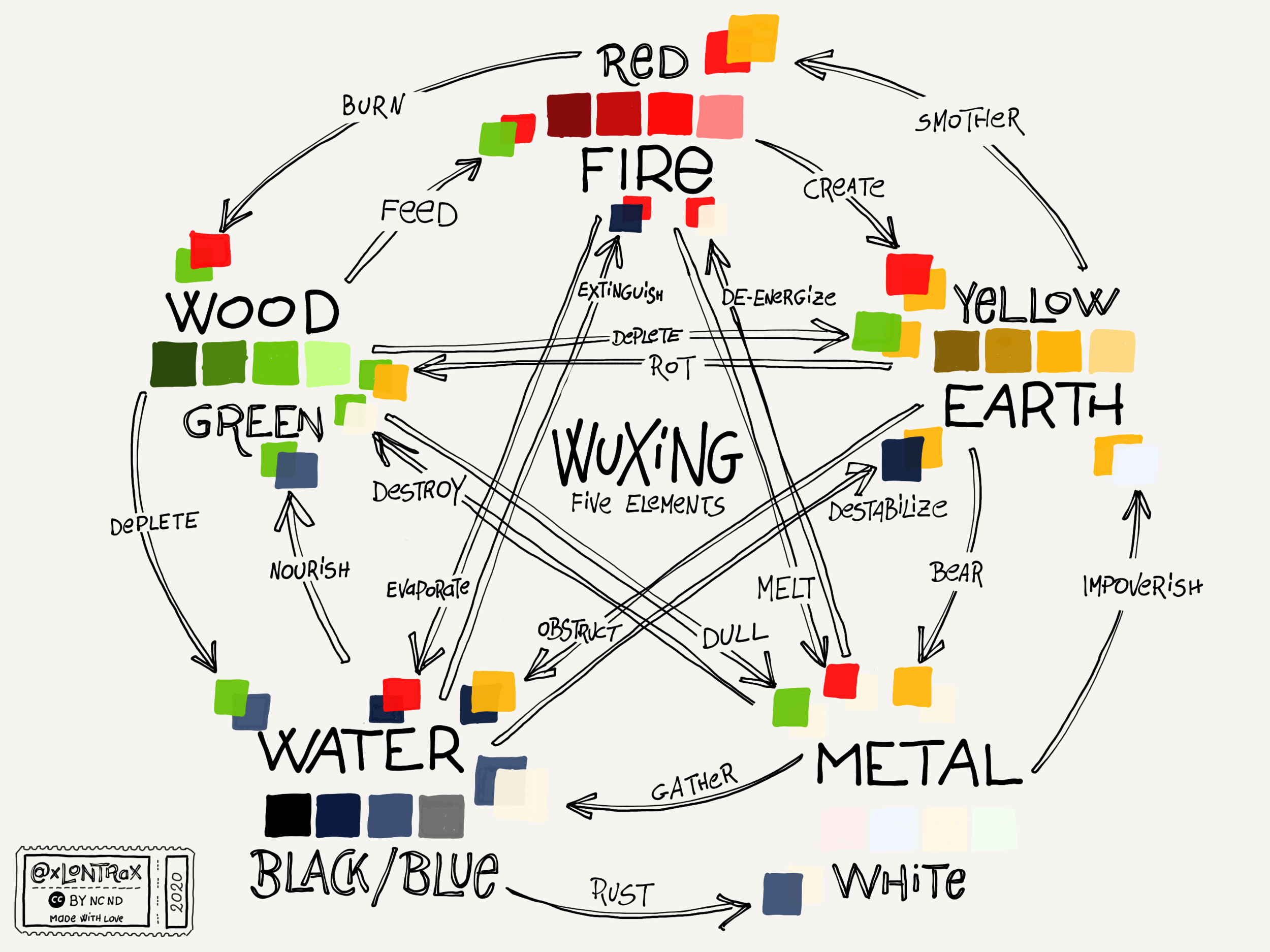
The Origins of the Chinese Five Color Theory
The Chinese Five Color Theory is rooted in ancient Chinese philosophy and cosmology, particularly the Wu Xing (Five Elements) system. It associates five fundamental colors with natural elements, directions, and seasons, reflecting harmony and balance in the universe. The theory dates back to the Zhou Dynasty (1046–256 BCE) and has influenced Chinese art, medicine, and culture.
- Black (Hei) represents water and the north.
- Red (Hong) symbolizes fire and the south.
- Green (Qing) corresponds to wood and the east.
- White (Bai) signifies metal and the west.
- Yellow (Huang) embodies earth and the center.
The Symbolism of Each Color in the Theory
Each color in the Five Color Theory carries deep symbolic meaning, reflecting natural and philosophical concepts. These colors were used in rituals, clothing, and architecture to align with cosmic principles.
- Black (Hei): Associated with winter, mystery, and the unknown.
- Red (Hong): Symbolizes luck, joy, and celebration.
- Green (Qing): Represents growth, vitality, and renewal.
- White (Bai): Linked to purity, mourning, and metal's clarity.
- Yellow (Huang): Denotes royalty, stability, and the earth's fertility.
Application in Traditional Chinese Medicine
The Five Color Theory is integral to Traditional Chinese Medicine (TCM), where colors are linked to organs and health. Practitioners use this system to diagnose and treat imbalances.
- Black: Connected to the kidneys and bladder.
- Red: Tied to the heart and small intestine.
- Green: Associated with the liver and gallbladder.
- White: Related to the lungs and large intestine.
- Yellow: Linked to the spleen and stomach.
Influence on Chinese Art and Ceramics
The Five Color Theory profoundly impacted Chinese art, especially in ceramics like Wucai (five-colored) porcelain. Artists used these hues to convey harmony and cultural values.
- Black: Often used for contrast and depth.
- Red: Dominated imperial and festive designs.
- Green: Featured in nature-inspired motifs.
- White: Symbolized simplicity and elegance.
- Yellow: Reserved for the emperor and sacred themes.
Role in Feng Shui and Spatial Harmony
In Feng Shui, the Five Color Theory guides spatial arrangement to enhance energy flow (Qi). Colors are strategically placed to balance environments.
- Black: Used in water areas for calmness.
- Red: Activates energy in social spaces.
- Green: Promotes growth in family areas.
- White: Enhances clarity in workspaces.
- Yellow: Strengthens stability in central zones.
What is the royal color of China?
The royal color of China is yellow, particularly a bright, golden shade known as imperial yellow. This color was historically reserved for the emperor and symbolized power, authority, and divine connection in Chinese culture. It was strictly forbidden for commoners to wear or use this hue, as it represented the mandate of heaven and the emperor's supreme status.
The Historical Significance of Imperial Yellow
The color yellow held profound importance in ancient China, deeply tied to the emperor's divine right to rule.
- Mandate of Heaven: Yellow symbolized the emperor's connection to heaven, reinforcing his legitimacy.
- Exclusivity: Only the emperor and his immediate family could wear or display this color.
- Cultural Symbolism: It represented earth in the Five Elements theory, central to Chinese philosophy.
Why Was Yellow Chosen as the Royal Color?
The selection of yellow as the royal hue was influenced by multiple cultural and philosophical factors.
- Cosmological Beliefs: Yellow was associated with the center of the universe in Chinese cosmology.
- Agricultural Importance: The fertile Yellow River and loess soil linked the color to prosperity.
- Confucian Values: It embodied neutrality and harmony, ideals upheld by the ruling class.
The Use of Imperial Yellow in Imperial Regalia
The emperor's attire and possessions prominently featured imperial yellow to emphasize his divine status.
- Robes: The dragon robes worn by emperors were dyed in this exclusive shade.
- Architecture: Imperial palaces, like the Forbidden City, used yellow roof tiles.
- Ceremonial Objects: Ritual items, such as scepters and scrolls, were often wrapped in yellow silk.
Commoners faced severe consequences for violating the strict color hierarchy in imperial China.
- Legal Punishments: Unauthorized wear could result in exile or execution.
- Social Stigma: Using the color was seen as a direct challenge to the emperor's authority.
- Economic Restrictions: Dyeing fabrics yellow was heavily regulated to prevent misuse.
The Legacy of Imperial Yellow in Modern China
Though no longer restricted, yellow retains cultural significance in contemporary Chinese society.
- National Identity: It appears in modern symbols, like the Chinese flag's stars.
- Festivals: Yellow decorations are used in celebrations like the Lunar New Year.
- Art and Fashion: Designers often incorporate the hue to evoke tradition and prestige.
Frequently Asked Questions (FAQ)
What are the 5 most important colours in Chinese culture?
In Chinese culture, the five most important colours are red, yellow, green, white, and black. Each of these colours holds deep symbolic meaning and is associated with different aspects of life, philosophy, and tradition. Red represents luck and joy, often used in festivals and weddings. Yellow symbolizes royalty and power, historically reserved for emperors. Green is linked to health and harmony, while white signifies purity but also mourning. Black is associated with water and wisdom but can also represent darkness.
Why is red considered the luckiest colour in China?
Red is regarded as the luckiest colour in China because it symbolizes happiness, prosperity, and good fortune. It is widely used during celebrations like the Lunar New Year and weddings to ward off evil spirits and attract positive energy. The colour is also tied to fire in the Five Elements theory, representing vitality and enthusiasm. From traditional clothing to decorations, red dominates Chinese festivities as a powerful cultural emblem.
What does the colour yellow represent in Chinese history?
In Chinese history, yellow was the imperial colour, exclusively associated with the emperor and the royal family. It symbolized power, authority, and centrality, as China was often called the Middle Kingdom. The Yellow River (Huáng Hé) further reinforced its cultural significance as the cradle of civilization. Even today, yellow retains a sense of nobility and is used in traditional art and architecture to convey grandeur and respect.
How are the five colours connected to the Five Elements theory in China?
The five important colours in China—red, yellow, green, white, and black—are deeply tied to the Five Elements (Wu Xing) theory, which includes fire, earth, wood, metal, and water. Red corresponds to fire, yellow to earth, green to wood, white to metal, and black to water. This connection reflects the balance of natural forces and influences everything from medicine to architecture, emphasizing harmony between humans and the universe.
Leave a Reply
Related Posts