
What Are the Top Lucky and Unlucky Colors in China?

In Chinese culture, colors hold deep symbolic meanings and are often associated with luck, fortune, and tradition. Certain hues are believed to attract prosperity and happiness, while others may carry negative connotations or even misfortune. Understanding the significance of these colors can provide valuable insight into Chinese customs, festivals, and daily life. From the vibrant red symbolizing joy and success to the somber white linked to mourning, each shade carries cultural weight. This article explores the top lucky and unlucky colors in China, revealing their historical roots and modern-day relevance. Whether for celebrations, fashion, or decor, these color traditions continue to influence Chinese society today.
What Are the Top Lucky and Unlucky Colors in China?
The Significance of Red in Chinese Culture
In China, red is the most auspicious color, symbolizing luck, happiness, and prosperity. It is widely used during festivals like the Chinese New Year and weddings to ward off evil spirits and attract good fortune. Red envelopes (hóngbāo) containing money are gifted to spread blessings.
| Occasion | Use of Red |
|---|---|
| Weddings | Bride's dress, decorations |
| Chinese New Year | Lanterns, couplets, clothing |
Why Is Yellow Considered Lucky?
Yellow represents imperial power and nobility in China, historically reserved for emperors. It symbolizes earth and stability in traditional cosmology. Today, it’s associated with wealth and success, often used in business and architecture.
See AlsoIs This Your Cup of Tea? Important Facts about Chinese Tea Culture!| Symbolism | Modern Use |
|---|---|
| Royalty | Luxury brands, temples |
| Prosperity | Gold-themed gifts |
The Unlucky Connotations of White
Unlike Western cultures, white in China is tied to mourning and funerals, representing loss and purity in a somber context. It’s avoided in celebrations but accepted in modern fashion and minimalistic designs.
| Context | Perception |
|---|---|
| Funerals | Traditional mourning color |
| Daily Wear | Increasingly neutral |
Black: A Color of Mixed Meanings
Black signifies water and mystery in Chinese philosophy. While it can denote formality and sophistication, it’s also linked to misfortune when overused, especially during festive events.
| Positive | Negative |
|---|---|
| Business attire | Funeral clothing |
Green’s Dual Symbolism
Green embodies growth and harmony but can also imply infidelity (wearing a green hat). It’s favored in environmental branding but avoided in personal gifts to prevent misunderstandings.
See AlsoFive International Brands That Got it Wrong in China| Positive Meaning | Cautionary Use |
|---|---|
| Nature/health | Romantic contexts |
What is my Chinese lucky color?
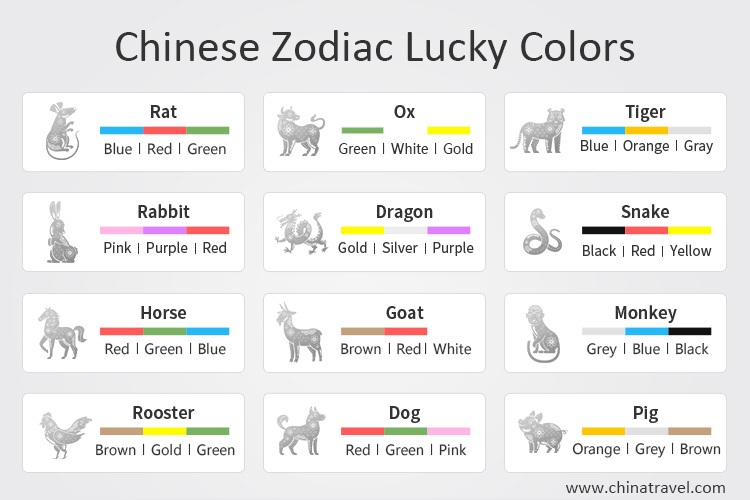
How to Determine Your Chinese Lucky Color Based on Your Birth Year
Your Chinese lucky color is often linked to your birth year and the associated Chinese zodiac sign. Each zodiac has colors that bring luck, prosperity, and harmony. Below is a breakdown:
- Rat (2008, 1996, 1984, etc.): Blue, gold, and green symbolize wealth and stability.
- Ox (2009, 1997, 1985, etc.): White, yellow, and green enhance patience and diligence.
- Tiger (2010, 1998, 1986, etc.): Blue, gray, and orange attract courage and success.
The Role of the Five Elements in Choosing Your Lucky Color
Chinese culture associates colors with the Five Elements (Wu Xing): Wood, Fire, Earth, Metal, and Water. Each element governs specific hues:
See AlsoChinese Dating Shows: The Top 4- Wood: Green and brown promote growth and vitality.
- Fire: Red, pink, and purple ignite passion and energy.
- Earth: Yellow and beige foster stability and nourishment.
Lucky Colors for Wealth and Prosperity in Chinese Culture
Certain colors are believed to attract wealth and abundance in Chinese tradition:
- Red: Symbolizes luck, happiness, and financial success.
- Gold: Represents wealth, luxury, and high status.
- Purple: Associated with nobility and prosperity.
Unlucky Colors to Avoid in Chinese Tradition
Some colors are considered unfavorable due to cultural superstitions:
- Black: Often linked to mourning and bad luck.
- White: Traditionally worn at funerals, symbolizing loss.
- Dark Blue: Sometimes viewed as too somber for auspicious events.
How to Use Your Lucky Color in Daily Life
Incorporating your lucky color into daily routines can enhance positivity:
See AlsoDoes Duolingo Actually Work? Real Results & Effectiveness- Clothing: Wearing lucky hues attracts good energy.
- Home Decor: Painting walls or using accessories in lucky colors fosters harmony.
- Accessories: Jewelry or phone cases in auspicious shades reinforce luck.
What is the most important color in China?

The Cultural Significance of Red in China
In China, red is the most important color due to its deep cultural and historical significance. It symbolizes luck, prosperity, happiness, and celebration. Traditionally, red is used in festivals like the Chinese New Year and weddings to ward off evil spirits and attract good fortune.
- Chinese New Year: Red lanterns, envelopes, and decorations dominate the celebrations.
- Weddings: Brides often wear red dresses, and invitations are printed in red.
- National Identity: The color is prominent in the Chinese flag and patriotic events.
Red in Chinese Mythology and Folklore
Red plays a vital role in Chinese myths and legends, often associated with protection and divine power. The Nian monster legend explains why red is used to scare away evil during New Year festivities.
- Nian Legend: Villagers used red paper and firecrackers to repel the beast.
- God of Wealth: Often depicted in red robes to symbolize prosperity.
- Imperial Use: Emperors favored red for its association with authority and heaven's mandate.
Red in Modern Chinese Society
Today, red remains a dominant color in branding, fashion, and architecture, reflecting China's blend of tradition and modernity. Companies like Coca-Cola and McDonald's adapt their logos to include red for cultural appeal.
- Branding: Many Chinese companies use red in logos for trust and success.
- Fashion: Red is a popular choice for formal and festive attire.
- Architecture: Temples and government buildings often feature red accents.
Red vs. Other Colors in Chinese Symbolism
While red is paramount, other colors like yellow, gold, and green also hold significance but serve different purposes. Yellow was historically reserved for emperors, while green symbolizes harmony.
- Yellow/Gold: Represented imperial power and wealth.
- Green: Associated with health, nature, and renewal.
- White: Often linked to mourning, contrasting red's joyous symbolism.
Global Influence of Chinese Red
The prominence of red in China has influenced global perceptions, making it a symbol of Chinese culture worldwide. From international events to fashion runways, red bridges tradition and modernity.
- Olympics: China's 2008 uniforms and venues featured bold red designs.
- Fashion: Designers like Guo Pei incorporate red into haute couture.
- Diplomacy: Red gifts are exchanged to convey respect and goodwill.
Which colour is lucky and unlucky?

What Are Considered Lucky Colors in Different Cultures?
Different cultures associate specific colors with good fortune and positivity. Here are some examples:
- Red in China symbolizes prosperity, happiness, and luck, often used in festivals and weddings.
- Green in Islamic cultures represents paradise and renewal, linked to spiritual growth.
- Gold in Western traditions signifies wealth, success, and high status.
Which Colors Are Viewed as Unlucky Across the World?
Certain colors are avoided due to negative associations in various societies:
- Black in many Western cultures is tied to mourning and bad luck.
- White in parts of Asia symbolizes death and is worn at funerals.
- Purple in Brazil and Thailand is sometimes linked to mourning or misfortune.
How Does Color Symbolism Affect Superstitions?
Color-based superstitions influence daily life, traditions, and even architecture:
- In India, brides wear red to ward off evil spirits.
- In Italy, green is avoided in theaters due to historical associations with bad luck.
- In Egypt, blue (like the Evil Eye) is used for protection against harm.
Can Lucky Colors Change Based on Context?
Yes, the perception of a color's luck can shift depending on context or usage:
- Yellow is lucky in Japan but may symbolize betrayal in some Western contexts.
- Pink in Korea represents trust, while in other places, it’s just a feminine shade.
- Orange in Hinduism signifies purity, but in some cultures, it’s merely a bold color.
What Role Do Lucky Colors Play in Feng Shui?
Feng Shui uses colors to balance energy and attract positivity:
- Red boosts passion and career success when used in the South.
- Blue promotes calmness and is ideal for bedrooms or study areas.
- White enhances clarity but should be balanced to avoid sterility.
What colors are taboo in China?
What Colors Are Considered Unlucky in China?
In China, certain colors are associated with bad luck, mourning, or negative connotations. The most notable taboo color is white, which symbolizes death and is traditionally worn at funerals. Another color to avoid is black, as it represents misfortune and sorrow. While these colors are not entirely forbidden, they should be used cautiously in celebratory contexts.
- White is linked to funerals and mourning.
- Black signifies bad luck and is often avoided in joyful events.
- Excessive use of dark blue can also evoke sadness.
Why Is White Associated with Death in China?
In Chinese culture, white is tied to purity and the afterlife, making it the traditional color for mourning. Unlike Western cultures where white symbolizes weddings, in China, it represents the end of life. This association dates back to ancient customs where white clothing was worn during funerals to honor the deceased.
- White is worn at funerals to show respect.
- It contrasts with red, which symbolizes life and prosperity.
- Using white in celebrations can be seen as disrespectful.
How Does Black Symbolize Misfortune in China?
Black is often linked to darkness and negativity in Chinese culture. While it is not as strongly taboo as white, it is still avoided in festive settings. For example, wearing all-black to a wedding might be considered inappropriate, as it could imply sorrow or opposition to the union.
- Black represents misfortune and is avoided in celebrations.
- It is commonly used in somber occasions like memorials.
- In Feng Shui, excessive black can disrupt positive energy.
Are There Any Exceptions to Color Taboos in China?
While white and black are generally avoided in happy events, modern China has seen some flexibility. For instance, black is widely accepted in fashion, and white is used in minimalist designs. However, traditional ceremonies still adhere to these taboos strictly.
- Modern fashion has made black more acceptable.
- White is used in contemporary art and decor.
- Traditional events maintain strict color symbolism.
What Colors Should Be Used Instead of Taboo Colors?
To avoid cultural missteps, red, gold, and yellow are safe choices. Red symbolizes luck and joy, while gold represents wealth. Yellow, historically linked to emperors, conveys nobility and power.
- Red is ideal for weddings and festivals.
- Gold signifies prosperity and success.
- Yellow is associated with royalty and happiness.
Frequently Asked Questions (FAQ)
What are the luckiest colors in Chinese culture?
In Chinese culture, red is considered the luckiest and most auspicious color. It symbolizes happiness, prosperity, and good fortune, and is prominently featured during celebrations like the Lunar New Year and weddings. Another highly fortunate color is gold or yellow, traditionally associated with the emperor and representing power, wealth, and royalty. These colors are often used in decorations, clothing, and gifts to attract positive energy.
Which colors are considered unlucky in China?
In contrast, white is often viewed as an unlucky color in Chinese culture because it is associated with mourning and funerals. Similarly, black can symbolize misfortune or death, though it is sometimes used in moderation for formal occasions. These colors are generally avoided during festive events to prevent attracting negative energy or bad luck.
Why is red so significant in Chinese traditions?
The significance of red in Chinese traditions stems from ancient beliefs and mythology. It is thought to ward off evil spirits and bring protection, which is why red lanterns, envelopes (hongbao), and clothing are so common. Additionally, red represents vitality and joy, making it a central element in celebrations like weddings and the Lunar New Year. Its deep cultural roots reinforce its status as the ultimate symbol of luck.
Are there any exceptions to color symbolism in China?
Yes, color symbolism in China can vary depending on context. For example, while white is typically linked to mourning, it is also associated with purity and elegance in modern fashion and design. Similarly, black may be seen as sophisticated in business attire despite its traditional connotations. Regional differences and personal beliefs can also influence interpretations, so it's important to consider the specific situation when assessing color meanings.
Leave a Reply
Related Posts