
Is This Your Cup of Tea? Important Facts about Chinese Tea Culture!

Chinese tea culture is a fascinating blend of history, tradition, and artistry that has been perfected over thousands of years. From delicate green teas to robust pu-erh varieties, each cup tells a story of craftsmanship and cultural significance. Tea is more than just a beverage in China—it’s a symbol of hospitality, a tool for meditation, and a cornerstone of social rituals. Whether enjoyed in a bustling teahouse or a serene garden, the experience is deeply rooted in philosophy and mindfulness. Discover the origins, varieties, and customs that make Chinese tea culture unique, and find out if this timeless tradition is truly your cup of tea!
Is This Your Cup of Tea? Important Facts about Chinese Tea Culture!
The Origins of Chinese Tea Culture
Chinese tea culture dates back over 4,000 years, with legends tracing its discovery to Emperor Shen Nong. Tea was initially used for medicinal purposes before becoming a daily beverage. The Tang Dynasty (618-907 AD) marked the golden age of tea, with Lu Yu's The Classic of Tea formalizing its preparation and appreciation.
| Dynasty | Contribution to Tea Culture |
|---|---|
| Tang Dynasty | Systematized tea preparation |
| Song Dynasty | Introduced powdered tea (matcha) |
| Ming Dynasty | Popularized loose-leaf tea |
Types of Chinese Tea
China produces six main categories of tea, each with unique flavors and processing methods: green tea (unoxidized), black tea (fully oxidized), oolong (partially oxidized), white tea (minimally processed), pu-erh (fermented), and yellow tea (lightly fermented). Famous varieties include Longjing (Dragon Well) and Tieguanyin (Iron Goddess).
See Also5 Measure Words Explained| Tea Type | Key Characteristic |
|---|---|
| Green Tea | Fresh, grassy flavor |
| Pu-erh | Aged, earthy taste |
| Oolong | Complex, floral notes |
The Art of the Chinese Tea Ceremony
The Gongfu tea ceremony emphasizes precision, using small clay teapots (Yixing) and multiple short infusions to extract nuanced flavors. Key steps include warming vessels, rinsing leaves, and serving in aroma cups. This ritual reflects Confucian values of harmony and mindfulness.
| Tool | Purpose |
|---|---|
| Gaiwan | Brewing vessel |
| Cha Hai | Fairness pitcher |
| Tea Tray | Catches spills |
Health Benefits of Chinese Tea
Studies link Chinese teas to antioxidant properties, improved metabolism, and reduced heart disease risk. Green tea contains EGCG for cellular health, while pu-erh aids digestion. Traditional Chinese Medicine (TCM) prescribes teas for detoxification and balancing Qi (vital energy).
| Tea | Health Benefit |
|---|---|
| White Tea | Skin protection |
| Oolong | Weight management |
| Chrysanthemum | Cooling effect |
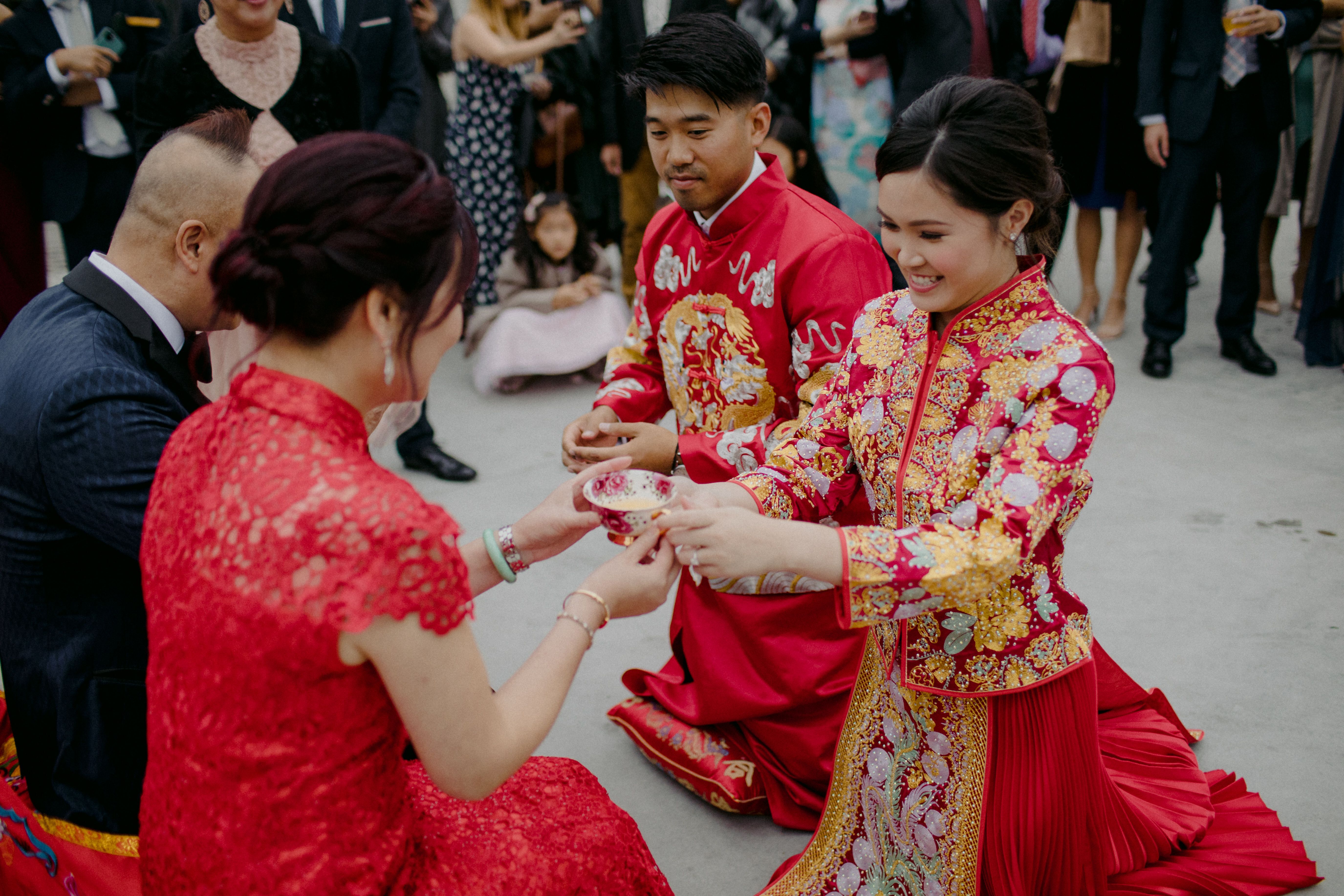
Tea symbolizes respect—serving it to elders demonstrates filial piety. At weddings, couples kneel while offering tea to parents (jing cha). Businesses seal deals with tea instead of handshakes. The phrase I’ll treat you to tea (qing ni he cha) signifies conflict resolution.
See AlsoOh My Gaokao! Could You Pass China’s University Entrance Examination?| Occasion | Tea Significance |
|---|---|
| New Year | Prosperity |
| Apologies | Reconciliation |
| Funerals | Ancestor tribute |
Why is tea so important in Chinese culture?

The Historical Significance of Tea in China
Tea has been deeply intertwined with Chinese culture for over 5,000 years, dating back to the legendary Emperor Shennong. It played a pivotal role in shaping traditions, trade, and daily life. Key historical milestones include:
- The Tang Dynasty: Tea became a national drink, and Lu Yu's The Classic of Tea codified its preparation and appreciation.
- The Silk Road: Tea was a major export, fostering cultural exchange and economic growth.
- Imperial Tributes: Finest teas were reserved for emperors, symbolizing status and refinement.
Tea as a Symbol of Harmony and Respect
In Chinese culture, tea represents harmony, respect, and social bonds. It is central to rituals like the Chinese tea ceremony, which emphasizes mindfulness and connection. Examples include:
See AlsoLearn Chinese by playing Mahjong (麻将, májiàng)- Family Gatherings: Serving tea to elders signifies filial piety.
- Weddings: The tea ceremony honors parents and unites families.
- Diplomacy: Offering tea is a gesture of goodwill and peace.
The Health Benefits of Tea in Traditional Medicine
Chinese traditional medicine has long revered tea for its healing properties. Different varieties, like green tea and pu-erh, are believed to:
- Detoxify the body and improve digestion.
- Boost mental clarity and reduce stress.
- Strengthen immunity due to antioxidants like catechins.
Tea and Chinese Philosophy: Daoism and Buddhism
Tea is deeply connected to Daoist and Buddhist philosophies, embodying simplicity and mindfulness. Practices include:
- Zen Buddhism: Monks used tea to stay alert during meditation.
- Daoist principles: Tea symbolizes balance between humanity and nature.
- Wu Wei: The art of brewing tea reflects effortless action.
The Economic and Cultural Impact of Tea Trade
Tea shaped China's economy and global influence, particularly during the Qing Dynasty. Key impacts:
See AlsoIf you think spaced repetition software is a panacea you are wrong- Opium Wars: Tea trade disputes sparked conflicts with Britain.
- Tea Houses: Became hubs for social and intellectual exchange.
- Global Demand: Varieties like oolong and jasmine gained worldwide fame.
What is a fun fact about Chinese tea?
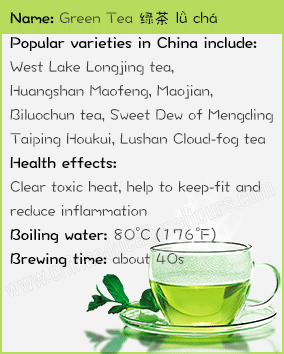
The Discovery of Tea Was an Accident
According to legend, Chinese tea was discovered accidentally by Emperor Shen Nong in 2737 BCE. While boiling water, a tea leaf fell into his pot, creating the first cup of tea. This serendipitous event led to the cultivation and global appreciation of tea.
- Shen Nong, known as the Divine Farmer, was a mythological ruler and herbalist.
- The story highlights tea's origins as a medicinal drink before becoming a daily beverage.
- This legend is deeply rooted in Chinese culture and tea history.
Tea Was Once Used as Currency
During the Tang Dynasty (618–907 CE), compressed tea bricks were used as a form of currency. These bricks were valuable for trade, especially in regions where tea was scarce.
See AlsoChinese Invention: 9 Things China Gave The World- Tea bricks were durable and easy to transport along the Silk Road.
- They were often exchanged for horses, silk, and other goods.
- This practice reflects tea's high economic and cultural importance.
There Are Over 1,000 Varieties of Chinese Tea
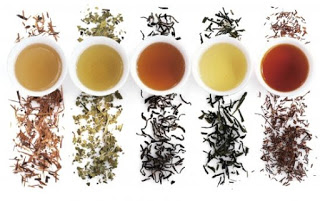
China produces an astonishing variety of teas, categorized into six main types: green, black, white, oolong, yellow, and dark tea. Each type undergoes unique processing methods.
- Green tea is unoxidized, preserving its fresh flavor and antioxidants.
- Pu-erh, a dark tea, ferments and ages like wine, improving over time.
- Regional differences in climate and soil contribute to the diversity.
The Longest Tea Leaf in the World Comes from China
In 2019, a tea leaf measuring 25.8 cm (10.16 inches) was recorded in China, earning a Guinness World Record. This extraordinary leaf came from a wild tea tree in Yunnan.
- Yunnan is famous for its ancient tea trees, some over 1,000 years old.
- Large leaves are often used for premium Pu-erh tea.
- The size reflects the ideal growing conditions in the region.
Tea Played a Role in the American Revolution
The Boston Tea Party of 1773 involved the dumping of Chinese tea into the harbor as a protest against British taxes. Much of this tea was Bohea, a black tea from Fujian.
- Chinese tea was a major commodity in global trade during the 18th century.
- The event underscored tea's political and economic influence.
- Bohea tea was highly prized in colonial America.
Why is the Chinese tea ceremony important?
The Historical Significance of the Chinese Tea Ceremony
The Chinese tea ceremony, known as Gongfu Cha, holds deep historical roots dating back thousands of years. It reflects China's rich cultural heritage and its evolution through dynasties like the Tang and Song. The ceremony is a living tradition that preserves ancient practices while adapting to modern times.
- Tang Dynasty: Tea became a popular beverage, and the first written records of tea ceremonies emerged.
- Song Dynasty: The ceremony was refined, emphasizing artistry and mindfulness.
- Ming Dynasty: Loose-leaf tea replaced powdered tea, shaping the modern ceremony.
The Role of Tea in Chinese Philosophy and Spirituality
The tea ceremony is deeply intertwined with Daoism, Confucianism, and Buddhism, promoting harmony, respect, and inner peace. It serves as a meditative practice, aligning the mind and body with nature.
- Daoism: Emphasizes balance and simplicity, mirrored in the ceremony's flow.
- Confucianism: Highlights respect for elders and social harmony during tea gatherings.
- Buddhism: Uses tea as a tool for mindfulness and spiritual awakening.
The ceremony fosters social connections, serving as a cornerstone for family reunions, business meetings, and diplomatic exchanges. It symbolizes hospitality and mutual respect.
- Family gatherings: Strengthens bonds between generations.
- Business etiquette: Builds trust and camaraderie in professional settings.
- Diplomatic relations: Historically used to forge alliances and peace.
The Artistry and Ritual of Tea Preparation
The meticulous process of brewing tea is an art form, requiring skill, patience, and attention to detail. Each step, from warming the teapot to pouring, is deliberate and meaningful.
- Tea selection: Choosing the right leaves for the occasion.
- Water temperature: Varies by tea type to extract optimal flavor.
- Pouring technique: Ensures even distribution and aroma release.
Health Benefits and Mindfulness in the Tea Ceremony
Beyond culture, the ceremony promotes physical and mental well-being. Tea is rich in antioxidants, while the ritual encourages mindfulness and stress relief.
- Antioxidants: Boost immunity and reduce inflammation.
- Mindfulness: The slow pace helps reduce anxiety.
- Digestive benefits: Certain teas aid in digestion and detoxification.
In what cultures is tea important?
Tea in Chinese Culture
Tea holds deep cultural significance in China, where it has been consumed for thousands of years. It is intertwined with philosophy, medicine, and daily rituals. Key aspects include:
- Ceremonial importance: The Chinese tea ceremony (Gongfu Cha) emphasizes precision and respect.
- Varieties: Green, oolong, pu-erh, and white teas are central to regional traditions.
- Social bonding: Serving tea symbolizes hospitality and familial respect.
Tea in Japanese Culture
In Japan, tea is a cornerstone of tradition, particularly through the Japanese tea ceremony (Chanoyu). Key elements include:
- Matcha: Powdered green tea used in rituals reflects Zen Buddhist principles.
- Etiquette: The ceremony focuses on harmony, purity, and tranquility.
- Seasonal appreciation: Tea practices often align with nature and the changing seasons.
Tea in British Culture
Britain has a storied tea culture, with afternoon tea being a quintessential tradition. Highlights include:
- Historical influence: Tea became popular in the 17th century through trade with Asia.
- Social rituals: Afternoon tea involves scones, sandwiches, and black teas like Earl Grey.
- National identity: Tea breaks are ingrained in daily life and workplace culture.
Tea in Indian Culture
India is one of the world’s largest tea producers, with chai being a cultural staple. Notable features include:
- Street chai: Spiced milk tea is ubiquitous and sold at roadside stalls.
- Regional varieties: Assam and Darjeeling teas are globally renowned.
- Daily consumption: Tea is a morning and evening ritual across households.
Tea in Moroccan Culture
In Morocco, mint tea symbolizes hospitality and tradition. Key characteristics include:
- Preparation: Green tea with fresh mint and sugar is served in ornate teapots.
- Social significance: Offering tea to guests is a gesture of welcome.
- Ceremonial serving: The act of pouring tea from a height aerates and enhances flavor.
Frequently Asked Questions (FAQ)
What is the significance of tea in Chinese culture?
Tea holds a deeply rooted significance in Chinese culture, symbolizing harmony, respect, and tradition. It is not merely a beverage but an integral part of social customs, ceremonies, and even philosophy. From ancient dynasties to modern times, tea has been associated with meditation, hospitality, and artistic expression. The famous Chinese tea ceremony, known for its meticulous preparation and presentation, reflects the values of mindfulness and appreciation for nature.
How many types of Chinese tea are there?
There are six main categories of Chinese tea: green tea, black tea, oolong tea, white tea, yellow tea, and dark tea (pu-erh). Each type undergoes unique processing methods, resulting in distinct flavors, aromas, and health benefits. For example, green tea is unfermented and known for its fresh taste, while pu-erh is fermented and prized for its aging potential. Regional variations further diversify the tea landscape, making Chinese tea culture incredibly rich and varied.
In Chinese social interactions, tea serves as a bridge for communication and bonding. Offering tea to guests is a gesture of respect and warmth, often seen in both formal and informal settings. Business meetings, family gatherings, and even apologies may involve the ritual of tea pouring to signify sincerity. The act of sharing tea fosters a sense of community and reflects Confucian ideals of harmony and etiquette. Tea houses, historically and today, remain hubs for conversation and cultural exchange.
How does Chinese tea culture differ from Western tea traditions?
Chinese tea culture emphasizes the art and philosophy behind tea, focusing on preparation, presentation, and mindfulness. In contrast, Western tea traditions often prioritize convenience and variety, such as tea bags and blended flavors. Chinese tea ceremonies highlight the natural essence of tea leaves, while Western practices may include additives like milk or sugar. Additionally, tea in China is deeply tied to spiritual and medicinal practices, whereas in the West, it is commonly consumed as a daily beverage or social ritual without the same cultural depth.
Leave a Reply
Related Posts