
Chengyu, a magic key to Chinese language and culture, or a waste of time?

Chengyu, the four-character idioms deeply rooted in Chinese history, are often seen as a gateway to understanding the language and culture. These concise expressions, packed with meaning from ancient tales and classical texts, offer a unique glimpse into China’s philosophical and literary traditions. For learners, mastering Chengyu can feel like unlocking a secret code, enriching communication and cultural insight. Yet, others argue that their archaic origins and limited modern usage make them impractical for everyday language acquisition. Is investing time in Chengyu truly a magical key to fluency, or merely an academic diversion? This article explores the debate, weighing their cultural value against their practicality in contemporary learning.
Chengyu: A Magic Key to Chinese Language and Culture, or a Waste of Time?
What Are Chengyu and Why Are They Important?
Chengyu are traditional Chinese idiomatic expressions, usually consisting of four characters, derived from ancient literature, myths, and historical events. They encapsulate profound meanings and cultural wisdom, making them a linguistic treasure in Chinese communication. Learning Chengyu helps in understanding Chinese thought patterns, historical references, and societal values. However, their complexity can be daunting for learners, raising questions about their practicality in modern language use.
| Aspect | Importance |
|---|---|
| Cultural Insight | Reveals historical and philosophical context |
| Linguistic Depth | Enhances expressive power in Chinese |
| Difficulty | High memorization and contextual understanding required |
Do Chengyu Improve Fluency in Chinese?
Using Chengyu correctly can elevate language proficiency, as they add sophistication to speech and writing. Native speakers often employ them in formal settings, literature, and even daily conversations. However, overuse or misuse can lead to confusion, especially among beginners. For advanced learners, mastering Chengyu is a milestone, but for casual learners, they may seem like an unnecessary hurdle.
See AlsoOh My Gaokao! Could You Pass China’s University Entrance Examination?| Level | Impact on Fluency |
|---|---|
| Beginner | Low priority, may hinder progress |
| Intermediate | Useful for deeper comprehension |
| Advanced | Essential for eloquence and cultural integration |
Are Chengyu Still Relevant in Modern Chinese?
Despite their ancient origins, Chengyu remain widely used in contemporary Chinese media, politics, and education. They serve as cultural shorthand, conveying complex ideas succinctly. However, younger generations sometimes prefer simpler expressions, leading to debates about their declining relevance. Yet, in formal writing and speeches, Chengyu retain their prestige and utility.
| Context | Usage Frequency |
|---|---|
| Daily Conversation | Moderate, depends on speaker |
| Literature/News | High, especially in formal texts |
| Social Media | Rare, often replaced by slang |
How Difficult Is It to Learn Chengyu?
Chengyu pose a significant challenge due to their condensed meanings and historical context. Each phrase requires memorization of characters, pronunciation, backstory, and appropriate usage. Without understanding the cultural background, learners may misuse them. Structured study and exposure to native materials are crucial for mastery.
| Factor | Difficulty Level |
|---|---|
| Memorization | High (4-character patterns) |
| Contextual Usage | Very High (needs cultural insight) |
| Pronunciation | Moderate (depends on familiarity) |
Should Learners Prioritize Chengyu in Their Studies?
The answer depends on learning goals. For academic or professional purposes, Chengyu are invaluable. Casual learners may find them less critical. Balancing Chengyu with practical vocabulary and grammar is key. Overemphasis on Chengyu too early can slow progress, while ignoring them entirely limits cultural understanding.
See Also5 Measure Words Explained| Goal | Priority Level |
|---|---|
| Basic Communication | Low |
| Advanced Proficiency | High |
| Cultural Studies | Essential |
Is it a waste of time to learn Chinese?

Is Learning Chinese Worth the Time Investment?
Learning Chinese is far from a waste of time due to its global significance. Here’s why:
- Economic opportunities: China is a major global economy, and Mandarin is the most spoken language worldwide, opening doors in business and trade.
- Cultural enrichment: Understanding Chinese unlocks access to millennia of history, literature, and philosophy.
- Career advantages: Bilingual professionals in Chinese are in high demand across industries like tech, finance, and diplomacy.
How Difficult Is It to Learn Chinese?
While Chinese has challenges, it’s manageable with the right approach:
See AlsoHow To Cancel Duolingo Subscription: Easy Steps to Unsubscribe- Tonal language: Mandarin’s four tones require practice but become intuitive over time.
- Character-based writing: Memorizing characters is time-consuming but systematic with radicals and repetition.
- Grammar simplicity: Unlike many languages, Chinese has no verb conjugations or gendered nouns.
What Are the Practical Benefits of Learning Chinese?
Mastering Chinese offers tangible advantages:
- Travel ease: Navigate China and other Mandarin-speaking regions confidently.
- Networking: Connect with over 1 billion native speakers globally.
- Academic research: Access untranslated documents and studies in fields like science and history.
Does Chinese Offer Long-Term Career Growth?
Proficiency in Chinese significantly enhances professional prospects:
- Global corporations: Companies value employees who can engage with Chinese partners and markets.
- Government roles: Intelligence, diplomacy, and policy-making often require Mandarin skills.
- Freelance potential: Translation, tutoring, and content creation for Chinese audiences are lucrative.
Can Learning Chinese Improve Cognitive Skills?
Studying Chinese has measurable cognitive benefits:
- Memory enhancement: Learning characters strengthens visual and spatial memory.
- Multitasking ability: Tonal recognition improves auditory processing and focus.
- Problem-solving: Deciphering context in character-based texts sharpens analytical thinking.
Are Chengyu important?
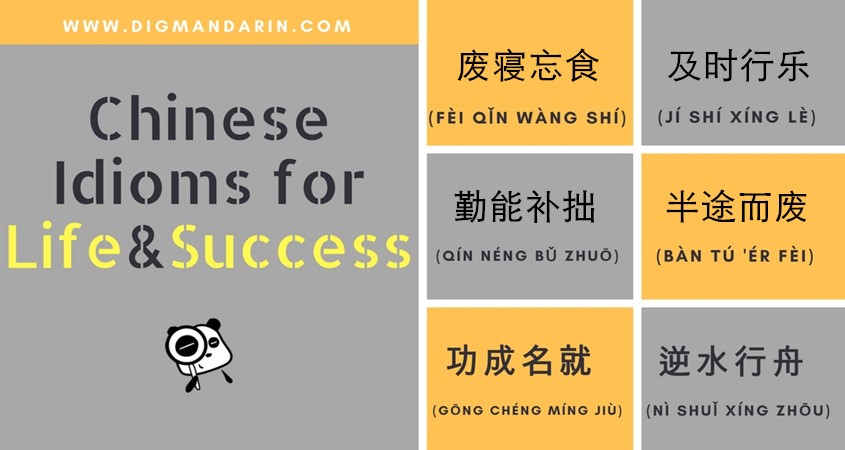
The Cultural Significance of Chengyu
Chengyu are deeply rooted in Chinese culture, often derived from classical literature, historical events, or philosophical texts. They serve as a bridge between modern and ancient Chinese, preserving linguistic heritage and traditional values.
- They encapsulate moral lessons and wisdom from Confucianism, Daoism, and other schools of thought.
- Many Chengyu reference historical anecdotes, making them a tool for cultural education.
- Their usage reflects a speaker's erudition and respect for tradition.
Chengyu in Modern Communication
While Chengyu are ancient in origin, they remain relevant in contemporary speech, writing, and media. Their concise nature allows for efficient expression of complex ideas.
- Frequently used in formal writing, such as academic papers or official documents.
- Common in journalism to add depth or rhetorical flair.
- Appear in everyday conversations among educated speakers.
Chengyu as a Language Learning Tool
For learners of Chinese, mastering Chengyu is essential for achieving fluency and cultural literacy. They provide insight into idiomatic expressions and nuanced meanings.
- Help learners understand contextual usage beyond literal translations.
- Exposure to Chengyu improves listening comprehension in formal settings.
- Memorizing Chengyu enhances vocabulary retention through associative learning.
The Role of Chengyu in Literature
Chengyu are a cornerstone of Chinese literary expression, enriching poetry, prose, and even modern fiction. Their metaphorical richness adds layers of meaning.
- Classical poets used Chengyu to convey emotions and philosophical ideas succinctly.
- Modern authors employ them for stylistic elegance or irony.
- Chengyu often serve as plot devices or thematic motifs in stories.
Chengyu in Professional and Academic Settings
In professional environments, Chengyu signal intellectual depth and rhetorical skill. Their appropriate use can enhance persuasion and credibility.
- Business negotiations may use Chengyu to convey strategic thinking subtly.
- Academic presentations leverage them for conciseness and authority.
- Legal or political discourse often incorporates Chengyu for rhetorical impact.
What is the 4 letter Chengyu?
What is a 4-Letter Chengyu?
A 4-letter Chengyu is a type of Chinese idiom composed of exactly four characters. These idioms are deeply rooted in Chinese culture, history, and literature, often conveying profound meanings, moral lessons, or vivid imagery in a concise form. They are widely used in both spoken and written Chinese.
- Structure: Each Chengyu follows a fixed four-character pattern.
- Meaning: They often derive from classical texts, myths, or historical events.
- Usage: Employed to add elegance or emphasis to communication.
Examples of Common 4-Letter Chengyu
Here are some well-known 4-letter Chengyu and their meanings:
- 画龙点睛 (huà lóng diǎn jīng): Adding the finishing touch – enhancing something with a crucial detail.
- 一箭双雕 (yī jiàn shuāng diāo): Killing two birds with one stone – achieving two goals at once.
- 守株待兔 (shǒu zhū dài tù): Waiting by a tree for a hare – relying on luck rather than effort.
Origins of 4-Letter Chengyu
The origins of 4-letter Chengyu trace back to ancient China, with many stemming from:
- Historical events: Such as battles or political strategies.
- Classical literature: Like The Analects or Records of the Grand Historian.
- Folklore and myths: Stories passed down through generations.
How to Use 4-Letter Chengyu Correctly
Using 4-letter Chengyu appropriately requires understanding their context and connotations:
- Context matters: Some idioms are formal, while others are casual.
- Tone: Ensure the Chengyu matches the tone of the conversation.
- Accuracy: Misusing them can lead to confusion or unintended meanings.
Importance of 4-Letter Chengyu in Chinese Language
4-letter Chengyu hold significant value in Chinese communication because they:
- Enrich expression: Provide concise yet vivid descriptions.
- Preserve culture: Reflect historical and philosophical wisdom.
- Enhance fluency: Mastery of Chengyu is a mark of linguistic proficiency.
What is the Chinese idiom Chengyu?
What is the Definition of Chengyu?
Chengyu are traditional Chinese idioms, typically composed of four characters, that convey profound meanings, historical anecdotes, or moral lessons. They are deeply rooted in Chinese culture, literature, and philosophy, often derived from classical texts, myths, or historical events. These idioms are widely used in both written and spoken language to express complex ideas concisely.
- Four-character structure: Most Chengyu consist of exactly four Chinese characters.
- Historical origins: Many date back thousands of years to works like The Analects or Records of the Grand Historian.
- Figurative meaning: Their meanings often extend beyond literal interpretation.
How Are Chengyu Used in Modern Chinese?
In contemporary Chinese, Chengyu are employed to add elegance, brevity, or emphasis to communication. They appear in formal writing, speeches, and even casual conversations, though their usage requires cultural and linguistic familiarity to avoid misinterpretation.
- Formal contexts: Used in academic papers, news articles, and official documents.
- Everyday speech: Some Chengyu are common in daily dialogue, like 一举两得 (kill two birds with one stone).
- Educational importance: Taught in schools to preserve cultural heritage.
What Are the Origins of Chengyu?
Chengyu originate from diverse sources, including ancient literature, historical battles, and philosophical debates. Their creation reflects China’s rich intellectual and artistic history, often encapsulating lessons or values from Confucianism, Daoism, or Legalism.
- Classical texts: Many derive from The Art of War or Book of Songs.
- Historical events: Some commemorate famous incidents, like 四面楚歌 (surrounded by enemies).
- Mythology: A few reference legends, such as 夸父追日 (chasing the sun).
Why Are Chengyu Difficult for Learners?
Mastering Chengyu poses challenges for non-native speakers due to their condensed form, cultural specificity, and reliance on classical Chinese grammar and vocabulary.
- Idiomatic complexity: Meanings aren’t always deducible from individual characters.
- Cultural context: Requires knowledge of Chinese history or folklore.
- Pronunciation: Some use archaic or rare characters.
What Are Some Famous Examples of Chengyu?
Notable Chengyu include widely recognized idioms like 画蛇添足 (to overdo something) or 亡羊补牢 (better late than never). Each carries a story or moral that resonates across generations.
- 守株待兔: Literally wait by a tree for rabbits, meaning to hope for luck without effort.
- 对牛弹琴: Playing the lute to a cow, implying wasted effort.
- 井底之蛙: A frog in a well, symbolizing narrow-mindedness.
Frequently Asked Questions (FAQ)
What are Chengyu, and why are they important in Chinese language and culture?
Chengyu are traditional Chinese idioms, typically consisting of four characters, that carry profound meanings rooted in history, literature, or philosophy. They serve as a linguistic bridge to China's cultural heritage, encapsulating complex ideas in a concise form. Learning Chengyu helps learners understand cultural nuances, historical references, and the values embedded in Chinese society. While they may seem archaic, they remain widely used in modern communication, literature, and even business contexts, making them a valuable tool for fluency and cultural insight.
Is memorizing Chengyu a waste of time for non-native Chinese learners?
For some learners, memorizing Chengyu might feel overwhelming or unnecessary, especially if their primary goal is basic communication. However, for those aiming for advanced proficiency or deeper cultural understanding, Chengyu are indispensable. They enrich vocabulary, improve comprehension of formal texts, and enable more expressive communication. While not every learner needs to master hundreds of Chengyu, knowing the most common ones can significantly enhance one's grasp of the language and appreciation of Chinese thought.
How can Chengyu be effectively learned and retained?
To learn Chengyu effectively, it's best to study them in context—through stories, historical anecdotes, or real-life examples. Flashcards and spaced repetition can aid memorization, but understanding their origins and usage is key to retention. Practicing them in writing and conversation reinforces learning. Additionally, multimedia resources like videos, songs, or dramas featuring Chengyu can make the process more engaging. Consistency and practical application are crucial for long-term mastery.
Do native Chinese speakers use Chengyu in everyday conversation?
Yes, native speakers frequently use Chengyu, though the extent depends on the context. In formal writing, speeches, or educated discussions, Chengyu appear often to convey ideas succinctly and elegantly. In casual conversations, their usage may be less frequent, but many common Chengyu still appear naturally. Their presence in media, proverbs, and even humor demonstrates their enduring relevance. For learners, recognizing Chengyu in daily life can be a rewarding sign of linguistic progress.
Leave a Reply
Related Posts