
How is National Day Celebrated in China?

National Day in China, celebrated on October 1st, marks the founding of the People’s Republic of China in 1949. This significant holiday is observed with grand festivities across the country, showcasing patriotism and cultural pride. Major cities like Beijing and Shanghai host spectacular parades, fireworks, and performances, while Tiananmen Square becomes a focal point for celebrations. Families gather for reunions, and many take advantage of the week-long holiday to travel. Public buildings and streets are adorned with national flags and red decorations, symbolizing prosperity and unity. From traditional ceremonies to modern entertainment, National Day reflects China’s rich heritage and dynamic progress.
How is National Day Celebrated in China?
China's National Day, celebrated on October 1st, marks the founding of the People's Republic of China in 1949. The day is commemorated with grand festivities, including flag-raising ceremonies, fireworks, cultural performances, and public holidays. Major cities like Beijing and Shanghai host large-scale events, while citizens enjoy a week-long holiday known as Golden Week, boosting travel and tourism.
1. What is the Significance of China's National Day?
China's National Day symbolizes the country's independence and the establishment of the Communist-led government in 1949. The day honors patriotism and national unity, with official ceremonies highlighting China's achievements in economy, technology, and global influence.
See AlsoI’ve Lived in China for 5+ Years Here Are 8 Things NOT To Do| Event | Description |
|---|---|
| Founding of PRC | Marks the victory of the Communist Party in 1949 |
| Patriotic Celebrations | Encourages national pride and unity |
2. What Are the Main National Day Celebrations?
The most notable events include the flag-raising ceremony at Tiananmen Square, military parades (held on major anniversaries), firework displays, and cultural shows. Government leaders often deliver speeches emphasizing China's progress.
| Celebration | Location |
|---|---|
| Flag-Raising | Tiananmen Square, Beijing |
| Fireworks | Major cities nationwide |
3. How Does Golden Week Affect Travel?
Golden Week (October 1-7) is a peak travel period, with millions of Chinese tourists visiting domestic and international destinations. Popular spots include Beijing, Shanghai, and Guilin, while airlines and hotels experience high demand.
| Aspect | Impact |
|---|---|
| Domestic Tourism | Surge in visits to historical sites |
| International Travel | Increased flights to Southeast Asia and Europe |
4. What Cultural Activities Take Place?
Communities organize traditional dances, lantern festivals, and exhibitions showcasing China's heritage. Schools and businesses may hold patriotic education events, including essay contests and singing competitions.
See AlsoReview: Language Empowerment: Demystify Chinese culture and fire up your Mandarin + interview with the author| Activity | Purpose |
|---|---|
| Lantern Festivals | Celebrate Chinese traditions |
| Patriotic Songs | Promote national pride |
5. How Do People Decorate for National Day?
Streets and buildings are adorned with red flags, banners, and slogans praising the nation. Shopping malls and public spaces feature themed displays, while households may hang portraits of leaders or national symbols.
| Decoration | Symbolism |
|---|---|
| Red Flags | Represent the Communist Party |
| Themed Displays | Highlight national achievements |
What do people eat on National Day in China?

Traditional Chinese Dishes for National Day Celebrations
On National Day in China, people often enjoy traditional dishes that symbolize prosperity and unity. Some popular choices include:
See AlsoReview: Learning Chinese by video immersion with FluentU- Peking Duck – A famous dish known for its crispy skin, often served with pancakes and hoisin sauce.
- Dumplings (Jiaozi) – Symbolizing wealth, these are commonly eaten during celebrations.
- Mooncakes – Though more associated with Mid-Autumn Festival, some regions enjoy them during National Day as well.
Street Food Favorites During National Day
During National Day, street vendors offer a variety of delicious snacks that attract both locals and tourists. Popular options include:
- Chuanr (Skewers) – Grilled meat skewers, often spicy and flavorful.
- Jianbing – A savory crepe filled with eggs, herbs, and crispy wonton.
- Stinky Tofu – A pungent but beloved snack, deep-fried and served with sauce.
Festive Banquets and Family Meals
Many families gather for elaborate banquets during National Day, featuring multiple courses. Common dishes include:
- Hot Pot – A communal meal where ingredients are cooked in a simmering broth.
- Steamed Fish – Symbolizing abundance, usually served whole.
- Braised Pork Belly (Hong Shao Rou) – A rich, flavorful dish often served at celebrations.
Regional Specialties for National Day
Different regions in China have their own unique dishes for National Day. Some notable examples are:
- Xiaolongbao (Shanghai) – Soup dumplings filled with pork and broth.
- Lanzhou Beef Noodles (Gansu) – Hand-pulled noodles in a savory beef broth.
- Dim Sum (Guangdong) – Assorted bite-sized dishes, often enjoyed with tea.
Modern and Fusion Foods for National Day
Younger generations sometimes opt for modern or fusion cuisine during National Day, blending tradition with innovation. Popular choices include:
- Bubble Tea – A trendy drink often paired with festive meals.
- Sushi Burritos – A fusion dish combining Japanese and Mexican flavors.
- Spicy Hotpot with Cheese – A modern twist on the traditional hotpot.
How long is the National Day holiday in China?
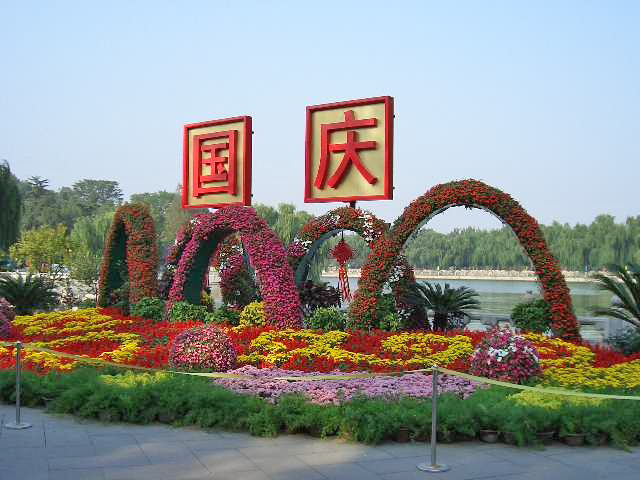
The National Day holiday in China typically lasts for 7 days, officially observed from October 1st to October 7th. This period is commonly referred to as the Golden Week due to its significance for travel, celebrations, and economic activity. However, the actual holiday is only October 1st, with the remaining days being adjusted weekends to create a continuous break.
When Does the National Day Holiday Start and End?
The National Day holiday begins on October 1st and ends on October 7th each year.
- October 1st marks China's National Day, celebrating the founding of the People's Republic.
- The holiday extends to October 7th through adjusted workweek schedules.
- Some years may include extra days if weekends coincide with the holiday.
Why Is It Called the Golden Week?
The term Golden Week highlights the economic and cultural importance of this holiday.
- It is one of the longest public holidays in China.
- Millions of people travel domestically and internationally, boosting tourism and retail.
- Many businesses offer discounts and promotions during this period.
How Do People Celebrate National Day in China?
Celebrations during the National Day holiday are grand and widespread.
- Flag-raising ceremonies are held in major cities, especially in Beijing's Tiananmen Square.
- Fireworks and parades are common in many regions.
- Families often take trips or reunions to enjoy the extended break.
Are There Any Work Adjustments During the Holiday?
To create the 7-day holiday, work schedules are adjusted.
- Employees may work on weekends before or after the holiday to compensate.
- Some companies allow flexible arrangements for remote work.
- Public services often operate on reduced hours during the break.
What Are the Travel Trends During National Day?
The National Day holiday is one of the busiest travel periods in China.
- Domestic destinations like Beijing, Shanghai, and Xi'an see massive crowds.
- International travel to nearby countries such as Japan, Thailand, and South Korea surges.
- Transportation hubs experience peak congestion, with tickets selling out quickly.
What is the significance of October 10 in China?
:max_bytes(150000):strip_icc()/GettyImages-1176750826-b42dfd8076ad4bd4afc8cbda2625278e.jpg)
The Historical Background of October 10 in China
October 10, known as Double Ten Day, marks the anniversary of the Wuchang Uprising in 1911, which led to the overthrow of the Qing Dynasty and the establishment of the Republic of China (ROC). This event is a pivotal moment in Chinese history, symbolizing the end of imperial rule and the beginning of republican governance.
- The Wuchang Uprising began on October 10, 1911, in Hubei Province.
- It triggered a series of revolts across China, culminating in the Xinhai Revolution.
- The Qing Dynasty abdicated in 1912, ending over 2,000 years of imperial rule.
How October 10 Is Celebrated in Taiwan
In Taiwan, October 10 is celebrated as National Day, featuring parades, fireworks, and cultural events. The day underscores Taiwan's historical ties to the ROC and its distinct political identity.
- The presidential speech in Taipei is a key event.
- Fireworks displays are held in major cities like Taipei and Kaohsiung.
- Public buildings are adorned with the ROC flag.
The Political Significance of October 10 in Mainland China
In Mainland China, October 10 is not officially recognized, as the Communist Party emphasizes the founding of the People's Republic of China (PRC) on October 1, 1949. However, the date remains a historical reference point.
- The PRC views the ROC as a defunct entity after the Chinese Civil War.
- Historical discussions about the Xinhai Revolution are framed within the broader narrative of modern China.
- Some scholars acknowledge the revolution's role in shaping Chinese nationalism.
Differences in Perception Between Taiwan and Mainland China
The observance of October 10 highlights the political divide between Taiwan and Mainland China. While Taiwan celebrates it as a national holiday, Mainland China downplays its significance.
- Taiwan sees the day as a symbol of democratic heritage.
- Mainland China focuses on October 1 as its primary national day.
- The contrasting views reflect the ongoing cross-strait tensions.
International Reactions to October 10
Globally, October 10 is observed differently depending on diplomatic relations with Taiwan or China. Some countries acknowledge Taiwan's celebrations, while others align with Beijing's stance.
- Allies of Taiwan, like the U.S., often send congratulatory messages.
- Countries recognizing the One-China Policy avoid official participation.
- The day occasionally sparks debates about Taiwan's international status.
What do you say for Chinese National Day?

Common Greetings for Chinese National Day
On Chinese National Day, people often use greetings to express patriotism and joy. Here are some common phrases:
- Happy National Day! – A simple and widely used greeting.
- Wishing China prosperity and harmony! – Reflects hopes for the nation's future.
- Celebrating 74 years of progress! – Highlights historical achievements since 1949.
Formal Messages for Chinese National Day
Formal messages are often used in speeches or official communications. Key examples include:
- On this auspicious occasion, we honor China's greatness. – Emphasizes respect for the nation.
- May the motherland continue to thrive and flourish. – A hopeful and dignified statement.
- Proud to celebrate China's unity and strength. – Reinforces national pride.
Patriotic Quotes for Chinese National Day
Patriotic quotes inspire pride and reflect historical significance. Notable examples are:
- China's rise is a testament to its people's resilience. – Acknowledges collective effort.
- One nation, one dream – forward together. – Echoes national slogans.
- From hardship to glory, China's journey continues. – Recognizes progress.
Social media is a popular platform for sharing National Day wishes. Effective posts include:
- HappyNationalDay! Proud to be Chinese! – Short and engaging.
- Celebrating China's past, present, and future! – Uses emojis for appeal.
- Witnessing China's greatness every day. Happy National Day! – Personal and heartfelt.
Traditional Blessings for Chinese National Day
Traditional blessings often incorporate cultural elements. Examples are:
- May the five-starred flag forever shine! – References the national flag.
- Blessings for peace and prosperity under heaven. – A classical Chinese sentiment.
- Long live the People's Republic of China! – A powerful and historic phrase.
Frequently Asked Questions (FAQ)
What is the significance of National Day in China?
National Day in China, celebrated on October 1st, marks the founding of the People's Republic of China in 1949. It is a time for the nation to reflect on its history, achievements, and unity. The day symbolizes patriotism and national pride, with festivities highlighting China's cultural heritage and modern progress. Government officials, citizens, and organizations participate in events that honor the country's development and global standing.
How do people celebrate National Day in China?
Celebrations for National Day include a mix of traditional and modern activities. Major cities, especially Beijing, host grand events like flag-raising ceremonies at Tiananmen Square, parades, and fireworks. Families often travel during the Golden Week holiday, visiting landmarks or enjoying cultural performances. Public spaces are decorated with red flags and lanterns, while TV networks broadcast patriotic programs. Many also use the occasion to appreciate China's economic and technological advancements.
What is the Golden Week holiday during National Day?
The Golden Week is a seven-day public holiday around National Day, from October 1st to 7th. It is one of China's busiest travel periods, as millions take advantage of the break for tourism, family reunions, and shopping. Popular destinations, such as the Great Wall or Shanghai's Bund, see massive crowds. The holiday also boosts the economy, with retailers offering discounts and promotions. However, the high volume of travelers can lead to congestion in transport hubs and tourist sites.
Are there any special traditions associated with National Day?
Yes, National Day features unique traditions like the flag-raising ceremony in Tiananmen Square, attended by thousands. The national anthem, March of the Volunteers, is sung with pride. Many cities display light shows and themed floral arrangements, while schools and workplaces may hold patriotic education activities. Another tradition is the release of white doves, symbolizing peace. These customs reinforce national identity and collective memory, blending historical reverence with contemporary celebrations.
Leave a Reply
Related Posts