
Can English learning materials help you learn Chinese?

Learning Chinese can be a challenging yet rewarding endeavor, especially for English speakers. Interestingly, English learning materials might offer unexpected benefits in mastering Chinese. While these resources are designed for English acquisition, they often introduce foundational language concepts—such as grammar structures, vocabulary building techniques, and listening exercises—that can be adapted to Chinese learning. By analyzing parallels between the two languages, learners may identify transferable skills, such as recognizing patterns or practicing pronunciation. This article explores whether repurposing English learning tools can provide a unique advantage in tackling Mandarin or Cantonese, offering insights for language enthusiasts seeking innovative approaches to their studies.
- Can English Learning Materials Help You Learn Chinese?
- What is the most efficient way to learn Chinese?
- What do Chinese students struggle with when learning English?
- What is the best resource to learn Chinese?
- How long does it take to learn Chinese if you speak English?
- Frequently Asked Questions (FAQ)
Can English Learning Materials Help You Learn Chinese?
Learning Chinese through English-based materials is a common approach for many beginners. While English and Chinese are vastly different languages, certain resources designed for English speakers can provide a structured introduction to Mandarin or Cantonese. However, the effectiveness depends on the quality of the materials, the learner's dedication, and supplementary exposure to native Chinese content.
1. How Do English-Based Chinese Learning Materials Work?
English-based Chinese learning materials often use translations, phonetic guides (like Pinyin), and comparative grammar explanations to bridge the gap between the two languages. These resources may include textbooks, apps, or online courses that explain Chinese vocabulary, sentence structures, and tones in English.
See AlsoDuolingo Languages Available: Full Course List 2025| Feature | Description |
|---|---|
| Pinyin | Uses Romanized spelling to teach pronunciation. |
| Side-by-Side Translations | Provides English equivalents for Chinese phrases. |
| Grammar Comparisons | Highlights differences between English and Chinese sentence structures. |
2. What Are the Limitations of Using English Materials?
While helpful, English-based resources have limitations, such as over-reliance on translation, which can slow down fluency. Chinese relies heavily on tones and characters, which are difficult to master without immersive practice.
| Limitation | Impact |
|---|---|
| Literal Translations | May lead to unnatural phrasing in Chinese. |
| Lack of Tone Practice | English materials may not emphasize tonal accuracy enough. |
| Character Memorization | Often taught separately rather than in context. |
3. Are There Effective English-Chinese Learning Tools?
Yes, some tools effectively combine English explanations with interactive exercises, audio examples, and visual aids to reinforce learning. Apps like Duolingo, HelloChinese, and Memrise use gamification to teach Chinese.
| Tool | Key Feature |
|---|---|
| Duolingo | Uses repetition and quizzes for vocabulary. |
| HelloChinese | Focuses on speaking and listening with native audio. |
| Memrise | Incorporates video clips of native speakers. |
4. How Important Is Supplementing with Native Chinese Content?
To achieve fluency, learners must supplement English materials with native Chinese content like movies, podcasts, and books. This helps with natural phrasing, intonation, and cultural context.
See AlsoDealing with Chinese characters you keep mixing up| Supplement | Benefit |
|---|---|
| Chinese TV Shows | Improves listening and cultural understanding. |
| Language Exchange | Provides real-time conversational practice. |
| Chinese News | Introduces formal vocabulary and current events. |
5. Can Beginners Rely Solely on English Materials?
Beginners can start with English-based materials but should gradually incorporate Chinese-only resources to avoid dependency on translations. A balanced approach ensures better retention and proficiency.
| Stage | Recommended Approach |
|---|---|
| Beginner | Use English explanations for basics. |
| Intermediate | Mix English and Chinese materials. |
| Advanced | Focus on native Chinese content. |
What is the most efficient way to learn Chinese?
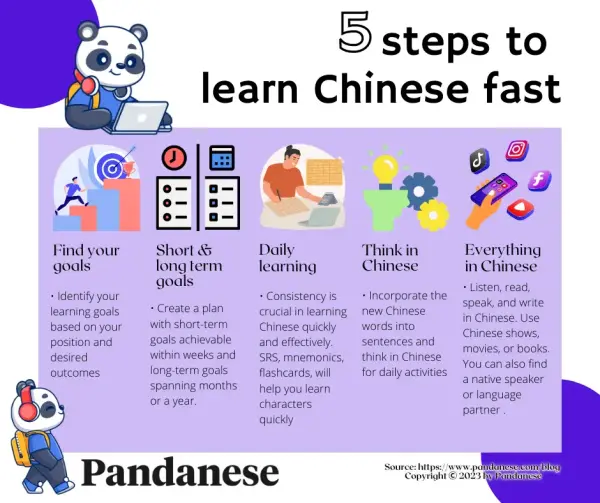
1. Start with the Basics: Pinyin and Tones
The foundation of learning Chinese begins with mastering Pinyin (the romanization system) and the four tones. Without these, pronunciation becomes difficult. Here’s how to approach it:
See AlsoPleco (App Review) - Update On The Chinese Dictionary- Practice Pinyin daily: Use apps or flashcards to memorize the sounds.
- Focus on tones: Listen to native speakers and mimic their intonation.
- Use tone pairs: Practice two-syllable combinations to improve fluency.
2. Build a Strong Vocabulary with High-Frequency Words
Learning the most common words first accelerates comprehension. Follow these steps:
- Prioritize practical vocabulary: Start with words used in daily conversations.
- Use spaced repetition: Tools like Anki help retain words long-term.
- Contextual learning: Study words in sentences, not isolation.
3. Master Chinese Characters Step by Step
Characters are essential but complex. Break them down efficiently:
- Learn radicals first: Understand the building blocks of characters.
- Practice writing: Use grid paper to memorize stroke order.
- Focus on recognition: Prioritize reading over writing early on.
4. Immerse Yourself in Listening and Speaking
Active immersion sharpens listening and speaking skills quickly:
See AlsoBeginner Chinese listening practice: What to listen to and how- Watch Chinese media: Movies, dramas, and podcasts expose you to natural speech.
- Shadow native speakers: Repeat dialogues aloud to improve pronunciation.
- Join language exchanges: Platforms like Tandem connect you with native speakers.
5. Consistent Practice and Real-Life Application
Consistency and practical use solidify learning:
- Set daily goals: Even 20-30 minutes of practice helps.
- Engage in conversations: Use what you learn immediately.
- Track progress: Journal or record yourself to measure improvement.
What do Chinese students struggle with when learning English?

Pronunciation Challenges
Chinese students often struggle with English pronunciation due to differences in phonetic systems. Mandarin lacks certain English sounds, making it difficult to articulate words accurately. Common issues include:
- Confusing L and R sounds, as Mandarin does not distinguish them clearly.
- Difficulty with vowel sounds like /æ/ (cat) or /ɪ/ (sit), which don’t exist in Chinese.
- Struggling with intonation and stress patterns, as English relies on pitch changes for meaning.
Grammar Differences
English grammar poses significant challenges because it differs vastly from Chinese. Key struggles include:
- Verb tenses, as Mandarin doesn’t conjugate verbs for time.
- Using articles (a, an, the), which don’t exist in Chinese.
- Mastering plural forms and countable/uncountable nouns, which are simpler in Mandarin.
Vocabulary Acquisition
Memorizing and using English vocabulary effectively is another hurdle. Common issues are:
- False friends, where words sound similar but have different meanings (e.g., embarrassed vs. 尴尬).
- Difficulty with phrasal verbs (e.g., give up), which don’t translate directly.
- Limited exposure to colloquial expressions, making informal speech challenging.
Listening Comprehension
Understanding spoken English is tough due to:
- Fast speech and connected sounds, like contractions (wanna) or linking words.
- Regional accents and dialects, which vary widely from standard textbook English.
- Difficulty distinguishing homophones (e.g., there vs. their).
Writing and Sentence Structure
Chinese students often find English writing challenging because:
- English requires explicit subject-verb-object order, while Chinese is more flexible.
- Struggling with complex sentence structures, such as relative clauses or passive voice.
- Overusing literal translations from Chinese, leading to awkward phrasing.
What is the best resource to learn Chinese?

Best Online Platforms for Learning Chinese
The internet offers numerous online platforms to learn Chinese effectively. Here are some of the best:
- Duolingo: A gamified app ideal for beginners, offering bite-sized lessons.
- HelloChinese: Focuses on speaking and listening with interactive exercises.
- ChineseSkill: Similar to HelloChinese but includes more grammar explanations.
Best Textbooks for Learning Chinese
For structured learning, textbooks remain a reliable resource. Consider these:
- Integrated Chinese: A widely used series with comprehensive exercises.
- New Practical Chinese Reader: Great for self-study with clear explanations.
- HSK Standard Course: Aligns with the HSK exam for focused preparation.
Best YouTube Channels for Learning Chinese
YouTube is a treasure trove for free Chinese lessons. Top channels include:
- ChinesePod: Offers lessons for all levels with real-life scenarios.
- Yoyo Chinese: Features clear explanations and engaging content.
- Learn Chinese with Emma: Covers grammar, vocabulary, and culture.
Best Apps for Practicing Chinese Characters
Mastering Chinese characters requires consistent practice. These apps help:
- Skritter: Uses spaced repetition to teach writing and recognition.
- Pleco: A powerful dictionary with stroke-order animations.
- Anki: Customizable flashcards for memorizing characters efficiently.
Best Language Exchange Platforms for Chinese
Practicing with native speakers accelerates learning. Try these platforms:
- Tandem: Connects learners with native Chinese speakers for conversation.
- HelloTalk: A chat-based app with correction features.
- italki: Offers both free exchanges and paid tutoring sessions.
How long does it take to learn Chinese if you speak English?
Factors Influencing the Time to Learn Chinese
The time it takes to learn Chinese for an English speaker depends on several factors:
- Study intensity: Full-time learners may reach fluency in 1-2 years, while part-time students could take 3-5 years.
- Prior language experience: Knowledge of tonal languages or logographic systems (e.g., Japanese kanji) may accelerate progress.
- Learning methods: Immersion programs, tutors, or apps like Anki and HelloChinese impact efficiency.
Difficulty Levels for English Speakers
Chinese poses unique challenges for English speakers:
- Tones: Mandarin’s four tones require precise pronunciation practice.
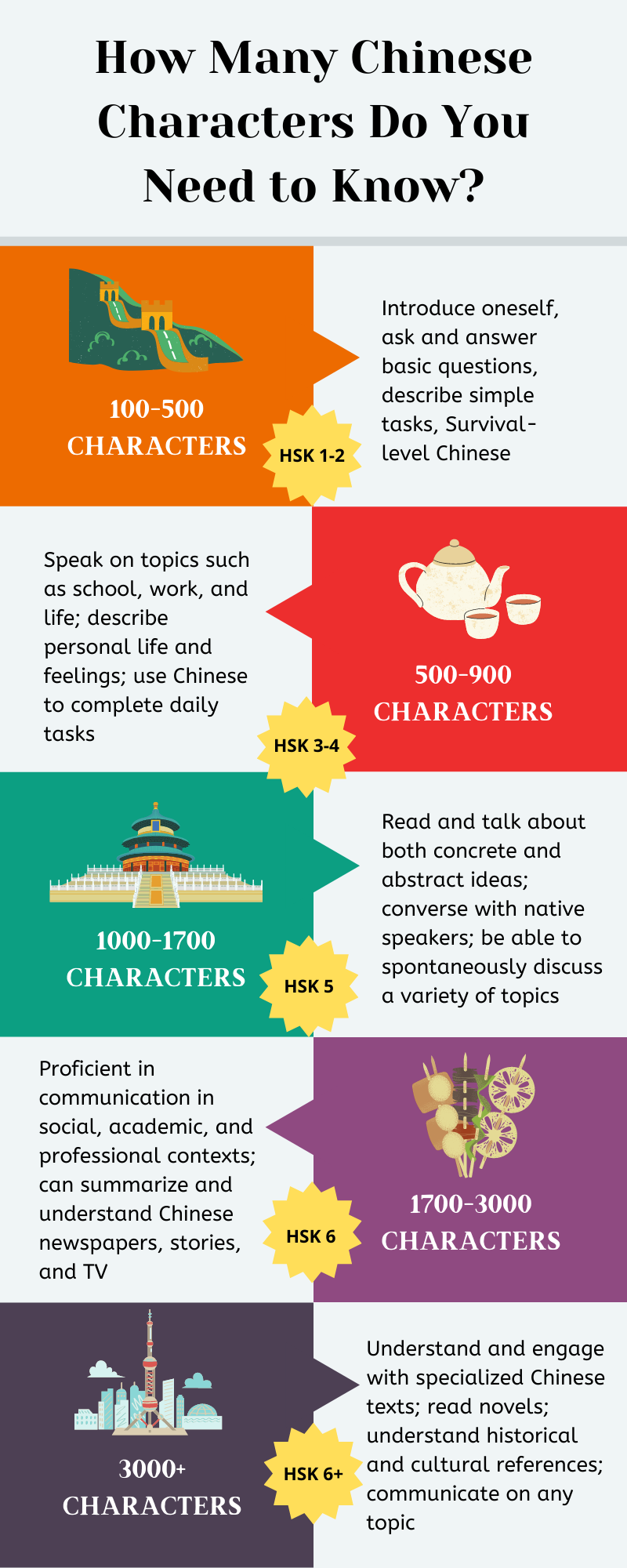
- Characters: Mastering 3,000+ Hanzi for fluency demands consistent memorization.
- Grammar: While simpler than English, sentence structures like topic-comment need adaptation.
Stages of Learning Chinese
Progress is often divided into stages:
- Basic (6-12 months): Greetings, pinyin, and 500+ characters.
- Intermediate (1-2 years): Conversations, reading simple texts.
- Advanced (3+ years): Fluency in debates, newspapers, or professional settings.
Recommended Daily Study Time
- 1 hour/day: 3-5 years for conversational fluency.
- 2-3 hours/day: 2-3 years for intermediate proficiency.
- Immersion (4+ hours/day): 1-1.5 years for advanced skills.
Tools to Accelerate Learning
Leverage these resources:
- Apps: Duolingo, Pleco (for dictionaries), and Skritter (writing practice).
- Media: Chinese podcasts, dramas, and books graded by level.
- Community: Language exchange partners (e.g., Tandem) or local classes.
Frequently Asked Questions (FAQ)
Can English learning materials effectively teach Chinese?
English learning materials are not designed to teach Chinese directly, but they can still be a helpful supplementary resource. For example, bilingual dictionaries or textbooks with English explanations of Chinese grammar can bridge the gap for beginners. However, relying solely on English materials may limit exposure to authentic Chinese pronunciation, characters, and cultural context, which are essential for fluency.
What types of English materials are useful for learning Chinese?
Certain English-based resources, such as language apps with English instructions, YouTube tutorials, or textbooks with parallel translations, can provide a structured introduction to Chinese. These materials often simplify complex concepts like tones, Hanzi (Chinese characters), and sentence structure for English speakers. However, transitioning to native Chinese content as soon as possible is recommended for deeper learning.
Are there drawbacks to using English materials for learning Chinese?
Yes, over-reliance on English translations can slow progress in thinking directly in Chinese. It may also lead to mispronunciations if the materials lack audio examples from native speakers. Additionally, some nuances of Chinese idioms or cultural references may be lost when filtered through English explanations.
How can English learners transition from English materials to Chinese-only resources?
Start by gradually reducing dependence on English translations—switch to flashcards with only Hanzi and pinyin, watch Chinese shows with Chinese subtitles, or join language exchange groups. Immersing yourself in native content, like podcasts or books, accelerates the shift from relying on English to understanding Chinese independently.
Leave a Reply
Related Posts