
How to talk about Chinese characters in Chinese

Chinese characters, known as 汉字 (hànzì), are the foundation of the written Chinese language and a fascinating aspect of its cultural heritage. Whether you're a beginner or an advanced learner, discussing Chinese characters in Chinese can deepen your understanding and appreciation of the language. This article explores essential vocabulary, phrases, and conversational strategies to help you talk about characters confidently. From describing their structure and strokes to discussing radicals and meanings, you'll learn how to navigate these conversations naturally. Mastering this skill not only enhances your fluency but also connects you more deeply with Chinese culture and its rich linguistic traditions. Let’s dive in!
How to Talk About Chinese Characters in Chinese
When discussing Chinese characters in Chinese, it's essential to understand key terms and structures used to describe them. Chinese characters (汉字 - Hànzì) are the building blocks of the language, and knowing how to refer to their components, pronunciation, and meaning is crucial for learners. Below, we break down the topic into five informative subtopics.
1. Basic Terminology for Chinese Characters
To talk about Chinese characters, you need to know fundamental terms:
- 汉字 (Hànzì): The general term for Chinese characters.
- 笔画 (bǐhuà): Strokes, the smallest units of a character.
- 偏旁 (piānpáng): Radicals, which often hint at meaning or pronunciation.
| Term | Pinyin | Meaning |
|---|---|---|
| 汉字 | Hànzì | Chinese characters |
| 笔画 | bǐhuà | Strokes |
| 偏旁 | piānpáng | Radicals |
2. Describing Character Structure
Chinese characters are built using different structural patterns:
- 独体字 (dútǐzì): Single-component characters (e.g., 人 - rén, person).
- 合体字 (hétǐzì): Compound characters (e.g., 好 - hǎo, good).
| Structure | Example | Pinyin |
|---|---|---|
| 独体字 | 人 | rén |
| 合体字 | 好 | hǎo |
3. Talking About Pronunciation
Pronunciation in Chinese characters can be discussed using:
- 拼音 (pīnyīn): The Romanization system for Mandarin.
- 声调 (shēngdiào): Tones (e.g., 第一声 - first tone).
| Term | Pinyin | Meaning |
|---|---|---|
| 拼音 | pīnyīn | Phonetic spelling |
| 声调 | shēngdiào | Tones |
4. Explaining Meaning and Radicals
Radicals help categorize characters by meaning or sound:
- 部首 (bùshǒu): The main radical of a character.
- 会意字 (huìyìzì): Characters combining radicals for meaning (e.g., 休 - xiū, rest, combines 人 + 木).
| Term | Example | Meaning |
|---|---|---|
| 部首 | 氵 (water radical) | Used in 河 (hé, river) |
| 会意字 | 休 | Combines person and tree |
5. Common Phrases for Learning Characters
Useful phrases when discussing Chinese characters:
- 这个字怎么写?(Zhège zì zěnme xiě?): How do you write this character?
- 这个字怎么读?(Zhège zì zěnme dú?): How do you read this character?
| Phrase | Pinyin | Meaning |
|---|---|---|
| 这个字怎么写? | Zhège zì zěnme xiě? | How do you write this character? |
| 这个字怎么读? | Zhège zì zěnme dú? | How do you read this character? |
How would you describe Chinese characters?
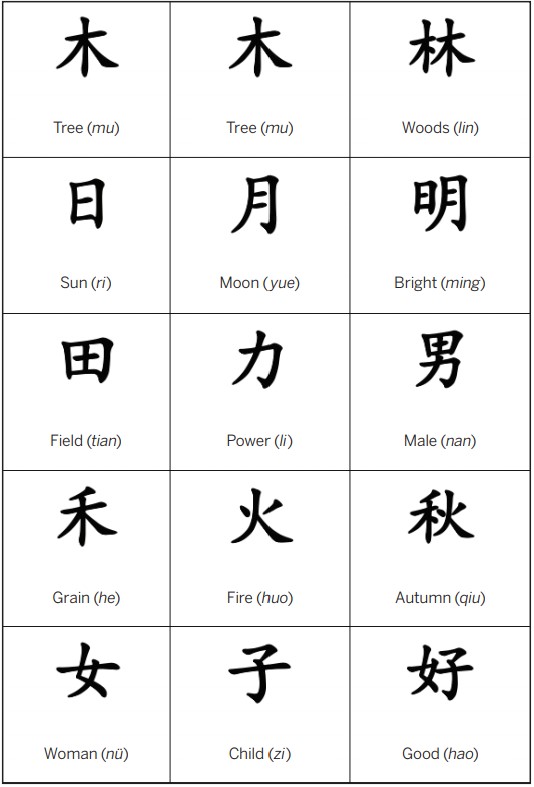
The Structure and Composition of Chinese Characters
Chinese characters, or Hanzi, are logograms representing words or morphemes rather than sounds. Each character is composed of strokes arranged in a square space, with some being simple and others highly complex. Key features include:
See AlsoHow good is voice recognition for learning Chinese pronunciation?- Radicals: Components that hint at meaning or pronunciation.
- Strokes: Basic lines or curves, with a fixed order for writing.
- Compound characters: Combinations of radicals and other elements.
The Historical Evolution of Chinese Characters
Chinese characters have evolved over millennia, with origins traced to oracle bone script (甲骨文) from the Shang Dynasty. Major stages include:
- Seal script (篆书): Used in ancient ceremonial inscriptions.
- Clerical script (隶书): Simplified forms during the Han Dynasty.
- Regular script (楷书): The standardized form used today.
The Role of Chinese Characters in Language and Culture
Chinese characters are deeply tied to cultural identity and linguistic unity, despite regional dialect differences. They function as:
- Written communication: Unifying Mandarin and other Sinitic languages.
- Artistic expression: Calligraphy is a revered traditional art.
- Historical records: Preserving literature and philosophy for centuries.
Types of Chinese Characters: Pictographs, Ideographs, and More
Characters are categorized by their formation principles, including:
See Also14 extra songs to learn Chinese and expand your horizons- Pictographs (象形字): Resemble objects (e.g., 山 for mountain).
- Ideographs (指事字): Symbolize abstract ideas (e.g., 上 for up).
- Phonetic compounds (形声字): Combine meaning and sound clues.
Learning and Mastering Chinese Characters
Acquiring proficiency requires understanding stroke order, radicals, and context. Effective strategies include:
- Repetition: Writing characters repeatedly to build muscle memory.
- Mnemonics: Associating components with stories or images.
- Contextual learning: Studying characters within words and sentences.
How to easily understand Chinese characters?
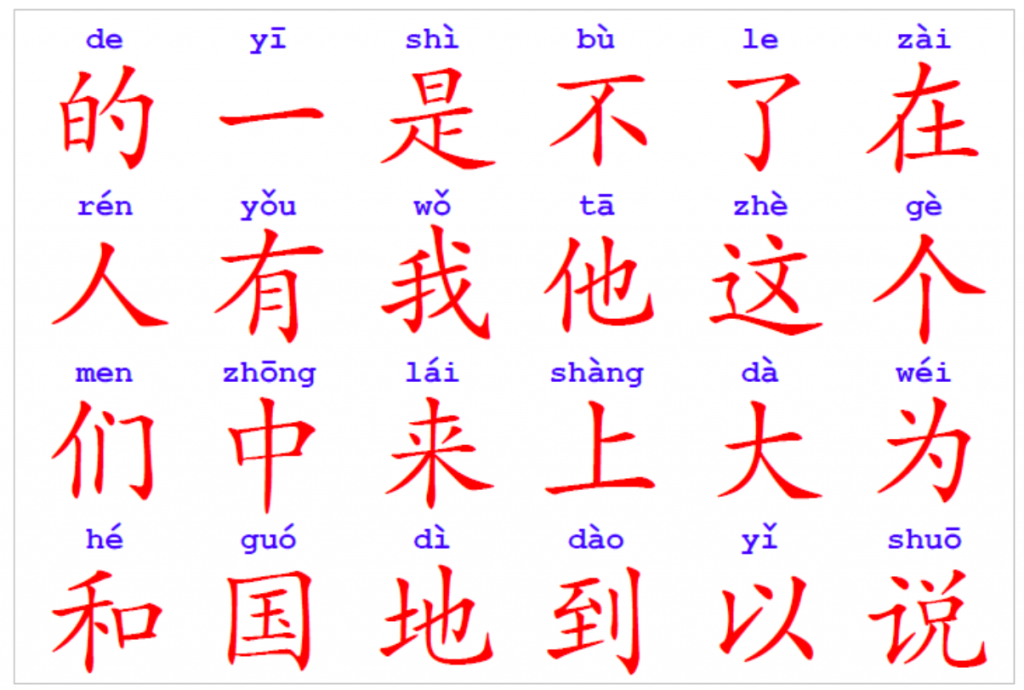
Start with Basic Radicals
Understanding Chinese characters becomes easier when you learn their building blocks, called radicals. These are smaller components that often hint at the meaning or pronunciation of the character. For example:
See AlsoChinese character learning for all students- 水 (shuǐ) means water and appears in characters like 河 (hé, river).
- 人 (rén) means person and is part of 你 (nǐ, you).
- Focus on the 20-30 most common radicals to recognize patterns quickly.
Break Characters into Components
Deconstructing characters into smaller parts simplifies memorization. Many characters combine a radical (meaning clue) and a phonetic component (sound clue). For instance:
- 妈 (mā, mom) = 女 (female radical) + 马 (mǎ, phonetic).
- 请 (qǐng, please) = 讠(speech radical) + 青 (qīng, phonetic).
- Practice writing components separately before combining them.
Use Mnemonics and Stories
Creating vivid mental images helps retain characters. Associate shapes or components with memorable stories. For example:
- 休 (xiū, rest) = 人 (person) + 木 (tree) → a person leaning against a tree to rest.
- 好 (hǎo, good) = 女 (woman) + 子 (child) → a woman with a child is good.
- Apps like Skritter or Anki can help reinforce these associations.
Learn Characters in Context
Studying characters within words or sentences improves retention. Instead of isolated characters, focus on practical usage:
- Learn 你好 (nǐ hǎo, hello) instead of just 你 and 好.
- Read simple texts or watch subtitled videos to see characters in action.
- Use flashcards with example sentences for context.
Practice Writing Regularly
Writing characters by hand reinforces memory through muscle memory. Follow these steps:
- Trace characters first to understand stroke order.
- Use grid paper to maintain proportions.
- Write characters repeatedly while saying their meaning aloud.
What website explains Chinese characters?
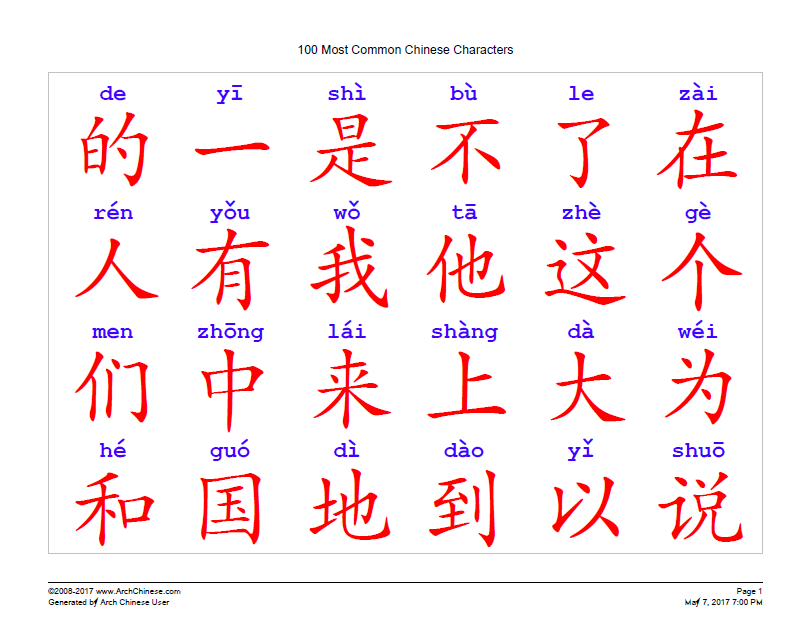
Best Websites for Learning Chinese Characters
Several websites specialize in explaining Chinese characters in detail, offering breakdowns of radicals, stroke order, and meanings. Here are some top options:
- Arch Chinese – Provides interactive tools for learning stroke order, pronunciation, and example sentences.
- HanziCraft – Breaks down characters into components and explains their etymology.
- YellowBridge – Features a dictionary, flashcards, and detailed character explanations.
Websites That Explain Character Etymology
Understanding the historical development of Chinese characters can deepen comprehension. These websites focus on etymology:
- Chinese Etymology – Offers ancient script comparisons and historical context.
- Zhongwen.com – Explains character origins using a root-based approach.
- Outlier Linguistics – Provides expert analysis on character formation and evolution.
Interactive Tools for Character Breakdown
Some websites use interactive features to help learners dissect characters effectively:
- Pleco – A mobile app with a built-in dictionary and stroke animations.
- Skritter – Combines writing practice with character explanations.
- Written Chinese – Offers animated stroke order and component breakdowns.
Free Resources for Studying Chinese Characters
For learners on a budget, these free websites provide valuable insights into Chinese characters:
- MDBG – A free online dictionary with character decomposition.
- CC-CEDICT – An open-source dictionary with character meanings.
- Chinese-Tools – Includes a character dictionary and learning resources.
Websites with Flashcards for Character Memorization
Memorizing characters is easier with flashcard-based learning platforms:
- Anki – Customizable flashcards with character mnemonics.
- Memrise – Uses spaced repetition for character retention.
- Quizlet – Offers pre-made character sets for practice.
Frequently Asked Questions (FAQ)
How do you refer to Chinese characters in Chinese?
In Chinese, the term for Chinese characters is 汉字 (hànzì). This literally translates to Han characters, reflecting their origin from the Han dynasty. Another common term is 中文 (zhōngwén), which refers to the Chinese written language as a whole. When discussing individual characters, you might use 字 (zì), meaning character or written symbol. For example, you could say, 这个字怎么写? (Zhège zì zěnme xiě?) meaning How do you write this character?
What are the basic components of Chinese characters?
Chinese characters are composed of radicals (部首 bùshǒu) and strokes (笔画 bǐhuà). Radicals are the building blocks that often indicate meaning or pronunciation, while strokes are the individual lines used to write each character. For example, the character 好 (hǎo, meaning good) consists of the radical 女 (nǚ, meaning woman) and the component 子 (zǐ, meaning child). Understanding these elements helps in memorizing and deciphering characters.
How do you ask for the meaning of a Chinese character?
To ask for the meaning of a character, you can say, 这个字是什么意思? (Zhège zì shì shénme yìsi?), which translates to What does this character mean? If you want to know its pronunciation, you could ask, 这个字怎么读? (Zhège zì zěnme dú?), meaning How do you read this character? These phrases are essential for learners who want to expand their vocabulary and understand character usage in context.
What is the difference between simplified and traditional Chinese characters?
The main difference lies in their complexity and usage regions. Simplified characters (简体字 jiǎntǐzì) have fewer strokes and are used in Mainland China and Singapore. Traditional characters (繁体字 fántǐzì) retain their original form and are used in Taiwan, Hong Kong, and Macau. For example, the character for dragon is written as 龙 in simplified and 龍 in traditional. Choosing which to learn depends on your goals and target audience.
Leave a Reply
Related Posts