
What your Chinese course will not teach you

Learning Chinese is a rewarding yet complex journey, but traditional courses often overlook crucial aspects of the language and culture. While textbooks focus on grammar, vocabulary, and formal speech, they rarely prepare learners for real-world interactions, regional dialects, or the nuances of informal communication. From understanding local slang to navigating unspoken social rules, there’s much that structured lessons don’t cover. This article explores the gaps in conventional Chinese courses—what you won’t find in a classroom but will encounter in everyday life. Whether it’s deciphering humor, recognizing subtle tones, or mastering cultural etiquette, these insights will help you bridge the divide between textbook knowledge and authentic fluency.
What Your Chinese Course Will Not Teach You
1. Regional Slang and Dialects
Most Chinese courses focus on Mandarin and avoid regional slang or dialects like Cantonese, Hokkien, or Shanghainese. Understanding these variations is crucial for real-world communication, especially in specific areas like Guangdong or Fujian.
| Dialect | Region | Example Phrase |
|---|---|---|
| Cantonese | Guangdong, Hong Kong | 你好 (néih hóu) |
| Hokkien | Fujian, Taiwan | 汝好 (lí hó) |
2. Internet and Texting Abbreviations
Formal courses rarely cover online slang or texting shortcuts like 666 (awesome), GG (game over), or PLMM (pretty girl). These are essential for chatting with native speakers on social media.
See AlsoHow important is reading speed on tests like HSK and TOCFL?| Abbreviation | Meaning |
|---|---|
| 88 | Bye-bye (from bā bā) |
| 520 | I love you (sounds like wǒ ài nǐ) |
3. Business Etiquette and Guanxi
Courses often skip business culture, such as the importance of guanxi (relationships), face-saving, or gift-giving rules. Missteps here can harm professional interactions.
| Concept | Significance |
|---|---|
| Guanxi | Networking for mutual benefit |
| Mianzi (Face) | Avoiding public embarrassment |
4. Pop Culture References
Formal lessons ignore TV shows, memes, or celebrity slang (e.g., 小鲜肉 – young idols). Knowing these helps in casual conversations and humor.
| Term | Meaning |
|---|---|
| 躺平 (tǎng píng) | Lie flat – rejecting hustle culture |
| 吃瓜 (chī guā) | Spectating drama (eating melon) |
5. Historical and Political Nuances
Sensitive topics like Tiananmen, Taiwan, or Xinjiang are avoided in textbooks. However, understanding these contexts is vital for deeper discussions.
See AlsoHow Long Is Duolingo Chinese Course: Time to Complete| Topic | Why It’s Taboo |
|---|---|
| Taiwan | Considered a renegade province |
| Great Firewall | Censorship of foreign platforms |
Is the Chinese course on Duolingo good?
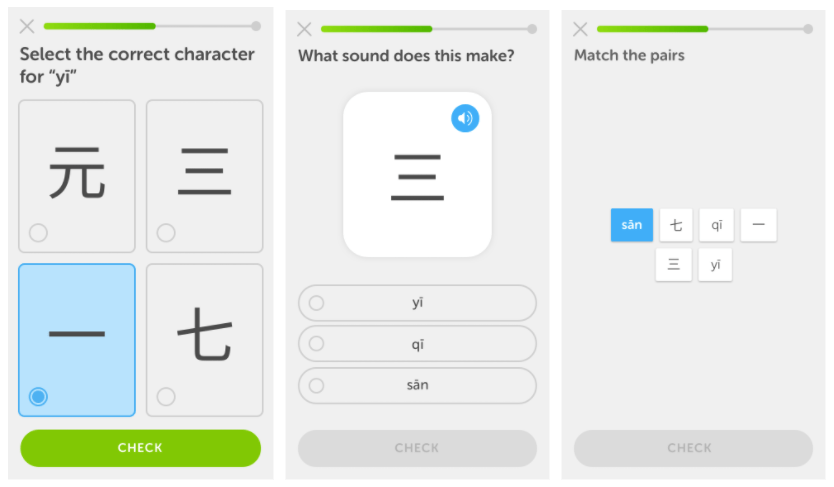
Does Duolingo’s Chinese Course Cover Basic Vocabulary Well?
The Duolingo Chinese course provides a solid foundation in basic vocabulary, including everyday words and phrases. However, it may lack depth for advanced learners. Key features include:
- Common phrases like greetings, numbers, and directions.
- Practical terms for travel, food, and shopping.
- Limited specialized vocabulary for professional or academic contexts.
How Effective Is Duolingo for Learning Chinese Pronunciation?
Duolingo uses audio clips and speech recognition to teach Mandarin pronunciation, but it has limitations. Here’s what to expect:
See AlsoImproving your Chinese while watching TV shows- Standard Mandarin is taught, but the robotic voice lacks natural intonation.
- Tone practice is included, but feedback may not be precise enough.
- No conversational practice with native speakers, which is crucial for mastery.
Does the Duolingo Chinese Course Teach Grammar Properly?
The course introduces basic grammar rules but often lacks detailed explanations. Key points:
- Sentence structure (e.g., Subject-Verb-Object) is emphasized.
- Limited coverage of complex grammar like particles (了, 的).
- No in-depth breakdowns of exceptions or advanced patterns.
Is Duolingo’s Chinese Course Suitable for Beginners?
For absolute beginners, Duolingo’s Chinese course is a decent starting point. Considerations include:
- Gamified learning keeps motivation high.
- Slow progression helps build confidence.
- Supplemental resources (e.g., flashcards, tutors) are recommended for faster progress.
How Does Duolingo’s Chinese Course Compare to Other Apps?
Duolingo is accessible and free, but alternatives may offer more depth. Key comparisons:
See AlsoBite-sized learning isn’t enough to learn Chinese- HelloChinese provides better pronunciation and grammar drills.
- Anki is superior for memorizing characters and vocabulary.
- italki offers real-time practice with native speakers.
Can you learn Chinese without a teacher?
Is Self-Studying Chinese Effective?
Yes, it is possible to learn Chinese without a teacher, but it requires discipline and the right resources. Self-studying can be effective if you leverage structured materials and consistent practice. Here are key factors to consider:
- Motivation: Without a teacher, your progress depends entirely on your commitment.
- Resources: Utilize textbooks, apps, and online courses designed for self-learners.
- Practice: Engage in speaking, listening, and writing exercises regularly.
What Are the Best Tools for Learning Chinese Alone?
Several tools and resources can help you learn Chinese independently. These include digital platforms, books, and media. Here are the most effective ones:
- Language Apps: Duolingo, HelloChinese, and Anki for vocabulary.
- Online Courses: Platforms like Coursera or YouTube tutorials.
- Immersion: Watching Chinese shows or listening to podcasts.
How to Practice Speaking Without a Teacher?
Practicing spoken Chinese without a teacher is challenging but achievable. You can improve pronunciation and fluency through alternative methods:
- Language Exchange: Partner with native speakers via apps like Tandem.
- Shadowing: Repeat dialogues from movies or audiobooks.
- Recording Yourself: Compare your speech with native audio samples.
Can You Master Chinese Characters Alone?
Learning Chinese characters independently is possible with systematic study. Focus on radicals, stroke order, and repetition. Key strategies include:
- Flashcards: Use apps like Pleco or physical flashcards.
- Writing Practice: Copy characters daily to build muscle memory.
- Mnemonics: Create stories to remember complex characters.
What Are the Challenges of Learning Chinese Solo?
Self-learning Chinese comes with unique challenges that require proactive solutions. Common obstacles include:
- Lack of Feedback: No teacher to correct mistakes in real-time.
- Accountability: Staying consistent without external deadlines.
- Pronunciation: Difficulty mastering tones without guidance.
How long is the Duolingo Chinese course?
How Many Units Are in the Duolingo Chinese Course?
The Duolingo Chinese course consists of 9 units, each containing multiple lessons. These units are designed to progressively build your Mandarin skills from beginner to intermediate levels. Here’s a breakdown:
- Unit 1-3: Focus on basics like greetings, numbers, and simple phrases.
- Unit 4-6: Cover everyday topics such as food, travel, and shopping.
- Unit 7-9: Introduce more complex grammar, culture, and conversational skills.
How Many Lessons Are in Each Unit of the Duolingo Chinese Course?
Each unit in the Duolingo Chinese course contains approximately 5-10 lessons, depending on the complexity of the topic. Here’s what to expect:
- Basic units: Around 5-6 lessons, focusing on vocabulary and short sentences.
- Intermediate units: 7-8 lessons, incorporating longer dialogues and grammar rules.
- Advanced units: Up to 10 lessons, emphasizing fluency and cultural context.
How Long Does It Take to Complete the Duolingo Chinese Course?
The time to complete the Duolingo Chinese course varies based on your pace. On average:
- Casual learners: 6-12 months, studying 10-15 minutes daily.
- Dedicated learners: 3-6 months, spending 30+ minutes daily.
- Intensive learners: 1-3 months, with 1+ hour daily practice.
What Skills Does the Duolingo Chinese Course Cover?
The course focuses on four key skills:
- Listening: Audio exercises with native speakers.
- Speaking: Pronunciation practice using voice recognition.
- Reading: Simplified Chinese characters and pinyin.
- Writing: Typing exercises and character recognition.
Is the Duolingo Chinese Course Enough to Achieve Fluency?
While Duolingo provides a solid foundation, it’s not sufficient for full fluency. Consider these points:
- Strengths: Great for vocabulary, basic grammar, and daily phrases.
- Limitations: Lacks in-depth conversation practice and cultural immersion.
- Supplemental resources: Pair with tutors, media, or language exchanges for better results.
Frequently Asked Questions (FAQ)
What cultural nuances won't my Chinese course cover?
While your Chinese course will teach you grammar and vocabulary, it often misses deeper cultural nuances like regional humor, unspoken social rules, or the significance of festivals beyond the basics. For example, understanding why certain topics are avoided in conversation or how to interpret indirect refusals (like maybe next time) requires real-world exposure. Courses also rarely delve into generational differences in attitudes or the evolving slang used by younger Chinese speakers.
Will my course teach me how to handle real-life conversations?
Most Chinese courses focus on textbook-perfect dialogues, but they often fail to prepare you for the messy reality of fast-paced, accented, or incomplete speech. You might master ordering food in a classroom, but bargaining at a market or catching sarcasm in a friend’s tone won’t be covered. Additionally, courses rarely address fillers (like 那个 used as hesitation) or how to navigate interruptions, which are common in casual chats.
Does the course explain the emotional weight behind certain phrases?
Your course will likely teach you phrases like 我爱你 (I love you), but it won’t explore how rarely such direct expressions are used in Chinese culture compared to English. Similarly, terms of endearment or criticism often carry contextual weight—a simple 你胖了 (You’ve gained weight) might be a neutral observation among family but offensive elsewhere. Courses rarely highlight these emotional subtleties, leaving learners unaware of unintended rudeness or over-formality.
How about the unspoken rules of business interactions?
While you’ll learn polite vocabulary, business Chinese courses often skip critical unwritten rules: the importance of hierarchy in meetings, the art of refusing without saying no, or the expectation to drink at networking dinners. For instance, handing a business card with both hands is taught, but not the strategic timing of bringing up contracts or reading a room’s dynamics. These gaps can lead to misunderstandings even with flawless language skills.
Leave a Reply
Related Posts