
What’s the difference between Chinese pronunciation and Pinyin? Does it matter?

Chinese pronunciation and Pinyin are often discussed together, yet they serve different purposes in language learning. Pinyin is a Romanization system designed to represent Mandarin sounds using the Latin alphabet, acting as a bridge for learners unfamiliar with Chinese characters. However, actual Chinese pronunciation involves tones, nuances, and phonetic subtleties that Pinyin alone cannot fully capture. While Pinyin provides a helpful starting point, relying solely on it may lead to mispronunciations or misunderstandings. This article explores the key differences between the two, examines their roles in mastering Mandarin, and answers whether distinguishing between them truly matters for effective communication and fluency.
What’s the Difference Between Chinese Pronunciation and Pinyin? Does It Matter?
Understanding Chinese Pronunciation
Chinese pronunciation refers to the actual sounds produced when speaking Mandarin or other Chinese dialects. It involves tones, intonation, and articulation of syllables, which are crucial for clear communication. Unlike Pinyin, pronunciation is auditory and must be practiced through listening and speaking.
The Role of Pinyin in Learning Chinese
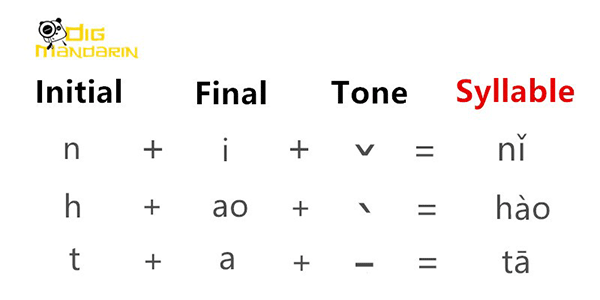
Pinyin is a Romanization system that uses the Latin alphabet to represent Chinese characters phonetically. It serves as a learning tool for beginners to grasp pronunciation but does not replace the need to master tones and sounds. Pinyin includes diacritics to indicate tones, helping learners approximate correct pronunciation.
See AlsoCost of Living in China: Guide for International Students| Feature | Chinese Pronunciation | Pinyin |
|---|---|---|
| Purpose | Actual spoken sounds | Phonetic representation |
| Tones | Naturally produced | Marked with diacritics |
Key Differences Between Pronunciation and Pinyin
While Pinyin provides a written guide, pronunciation involves mastering the oral nuances of Mandarin. For example, Pinyin may write ma, but the meaning changes based on tone (e.g., 妈 mā vs. 马 mǎ). Pronunciation requires ear training and practice, whereas Pinyin is a visual aid.
Why Pronunciation Matters More Than Pinyin
Accurate pronunciation is essential for being understood in Chinese. Mispronouncing tones can lead to misunderstandings, even if Pinyin is written correctly. For instance, saying shū (书, book) instead of shù (树, tree) changes the meaning entirely. Pinyin alone cannot convey these subtleties.
| Aspect | Importance |
|---|---|
| Tones | Critical for meaning |
| Pinyin Accuracy | Helpful but not sufficient |
Common Challenges When Using Pinyin
Learners often rely too heavily on Pinyin, leading to poor pronunciation habits. For example, Pinyin's q, x, and c sounds don’t exist in English and require practice. Additionally, Pinyin can’t teach connected speech or regional accents, which are vital for fluency.
See AlsoChinese character variants and font differences for language learnersHow to Balance Pinyin and Pronunciation Practice
To improve, learners should combine Pinyin with listening exercises and speaking drills. Tools like language apps and native speaker interactions help bridge the gap between Pinyin and accurate pronunciation. Over time, reducing dependence on Pinyin leads to better fluency.
Is it better to learn Chinese with or without Pinyin?
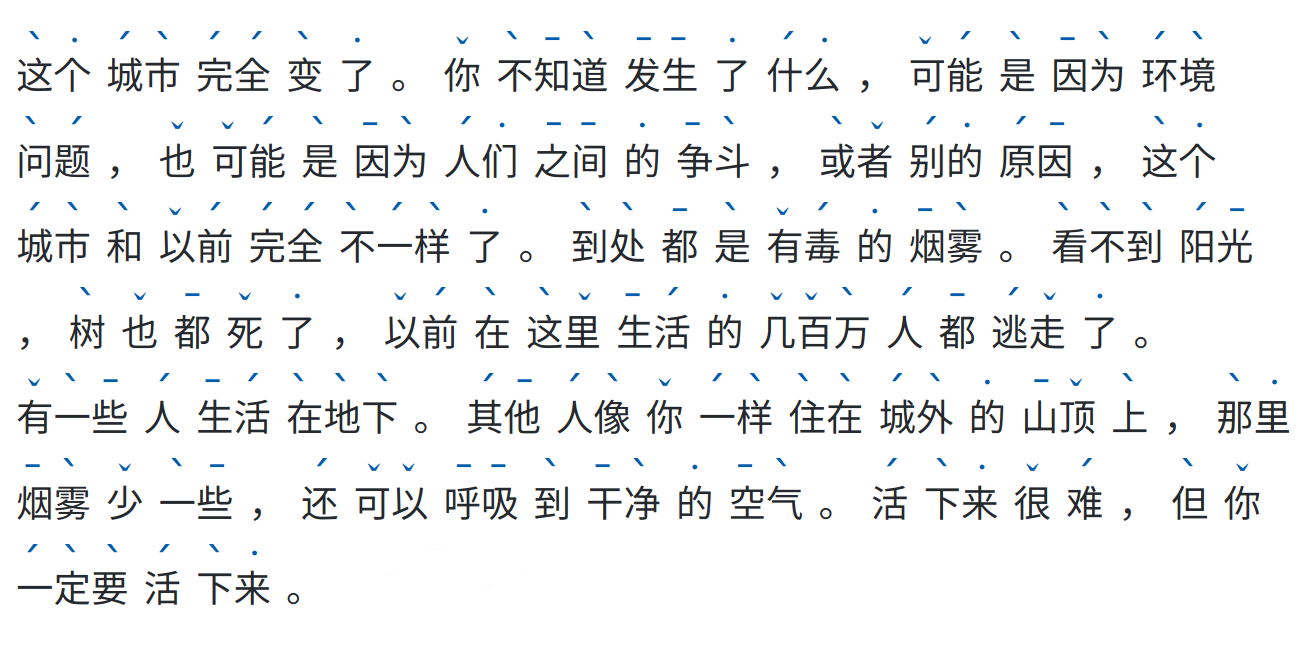
The Advantages of Learning Chinese with Pinyin
Learning Chinese with Pinyin offers several benefits, especially for beginners. Pinyin serves as a phonetic guide, making it easier to pronounce characters correctly. Here are some key advantages:
See Also6 things in Chinese that are harder to learn than they seem- Pronunciation Aid: Pinyin helps learners grasp the sounds of Mandarin, which is crucial for tonal languages.
- Faster Reading: Beginners can read and understand texts more quickly by relying on Pinyin alongside characters.
- Typing Efficiency: Pinyin is widely used for inputting Chinese characters on digital devices.
The Drawbacks of Relying Too Much on Pinyin
While Pinyin is helpful, over-reliance can hinder progress. Here are some potential downsides:
- Delayed Character Recognition: Learners may neglect memorizing characters if they depend too much on Pinyin.
- Tonal Misinterpretation: Pinyin doesn’t always convey tones naturally, leading to pronunciation errors.
- Limited Real-World Use: Most Chinese texts don’t include Pinyin, so relying on it can be impractical.
Why Learning Chinese Without Pinyin Can Be Beneficial
Some learners prefer skipping Pinyin to immerse themselves directly in characters. Here’s why this approach works for some:
- Stronger Character Memory: Without Pinyin, learners focus more on visual recognition of characters.
- Better Tone Sensitivity: Listening and repeating without Pinyin can improve tonal accuracy.
- Authentic Learning: It mirrors how native speakers learn, relying on context and repetition.
Balancing Pinyin and Character Learning
A balanced approach combines the strengths of both methods. Consider these tips:
See AlsoChinese Pinyin Translator – Easily Add Tone Marks to Pinyin Text- Gradual Transition: Start with Pinyin and slowly reduce reliance as you learn characters.
- Contextual Practice: Use Pinyin for new words but practice characters in sentences.
- Mixed Resources: Use materials that include both Pinyin and characters for reinforcement.
Tools and Strategies for Learning Chinese with or Without Pinyin
Choosing the right tools can enhance your learning experience. Here are some strategies:
- Flashcards: Use apps like Anki with both Pinyin and characters for spaced repetition.
- Listening Practice: Watch Chinese media with subtitles to connect sounds and characters.
- Writing Practice: Regularly write characters by hand to reinforce memory without Pinyin.
Why doesn't China just use Pinyin?

Historical and Cultural Significance of Chinese Characters
Chinese characters, or Hanzi, have been used for thousands of years and are deeply rooted in China's cultural identity. Replacing them with Pinyin would erase a significant part of the country's history and heritage. Additionally, characters convey meaning beyond pronunciation, which is crucial for understanding classical texts and regional dialects.
See AlsoWhat important words are missing from HSK?- Hanzi represent a unique writing system that reflects China's ancient civilization.
- Characters provide semantic meaning, unlike Pinyin, which is purely phonetic.
- Many idioms and proverbs rely on the visual structure of characters for their meaning.
Linguistic Complexity and Homophones
Chinese is a tonal language with numerous homophones, making Pinyin insufficient for clear communication. For example, the syllable shi can represent dozens of different characters, each with distinct meanings. Relying solely on Pinyin would lead to confusion and ambiguity in written communication.
- Tonal differences are not always clear in Pinyin, leading to misunderstandings.
- Homophones require contextual clues provided by characters.
- Pinyin lacks the precision needed for legal, academic, or technical documents.
Regional Dialects and Language Unity
China has many regional dialects, some of which are mutually unintelligible. Chinese characters serve as a unifying written language across these dialects, while Pinyin is based solely on Mandarin pronunciation. This would disadvantage speakers of other dialects, such as Cantonese or Shanghainese.
- Characters allow speakers of different dialects to communicate in writing.
- Pinyin favors Mandarin speakers, potentially marginalizing other dialect groups.
- The government promotes linguistic unity through standardized characters.
Educational and Practical Challenges
Transitioning to Pinyin would require a massive overhaul of China's education system. Students currently spend years mastering characters, and switching to Pinyin would disrupt literacy efforts. Additionally, existing literature, signage, and digital systems are all designed for characters, making a full transition impractical.
- Millions of textbooks and resources are formatted for character-based learning.
- Pinyin lacks the expressive depth needed for advanced literacy.
- Rebuilding infrastructure to support Pinyin would be costly and time-consuming.
International and Technological Considerations
Chinese characters are widely recognized globally, and Pinyin is primarily used as a learning tool for non-native speakers. Technology, such as input methods and OCR, is optimized for characters. Switching to Pinyin could complicate China's integration into global systems and reduce its cultural influence.
- Characters are a key part of China's soft power and global recognition.
- Input methods like Pinyin keyboards already bridge the gap between speech and writing.
- International businesses and scholars rely on characters for accurate communication.
Can Pinyin be pronounced as if it were English?
Is Pinyin Pronunciation Similar to English?
Pinyin is a Romanization system for Mandarin Chinese, but its pronunciation rules differ significantly from English. While some letters may look familiar, their sounds often do not match English phonetics. For example:
- Q in Pinyin sounds like ch in cheese but with a softer, aspirated tone.
- X resembles sh but with the tongue placed closer to the teeth.
- C is pronounced like ts in cats, which doesn’t exist in English as an initial sound.
Common Mispronunciations When Using English Sounds
Many learners mistakenly apply English pronunciation to Pinyin, leading to errors. Here are key examples:
- Zh is not the same as the English j sound; it’s closer to a hard dr in drive.
- R in Pinyin is rolled slightly, unlike the English r, which is softer.
- Ü (as in lǜ) has no English equivalent and requires rounding the lips tightly.
Are There Any Overlapping Sounds Between Pinyin and English?
A few Pinyin sounds overlap with English, but these are exceptions rather than rules. For instance:
- M, F, S, and L are pronounced similarly in both languages.
- B and P in Pinyin are unaspirated and aspirated, respectively, which can confuse English speakers.
- A in Pinyin (as in ma) sounds like the a in father, a rare overlap.
Why Pinyin Cannot Be Fully Pronounced Like English
Pinyin’s design prioritizes accuracy for Mandarin sounds, not English compatibility. Key reasons include:
- Tones are mandatory in Mandarin but absent in English, altering meaning (e.g., mā vs. mà).
- Consonant clusters like zhi or chi have no direct English equivalents.
- Vowel sounds like e or i vary widely from English pronunciations.
Tips to Avoid English Pronunciation Habits in Pinyin
To master Pinyin, learners must actively avoid English phonetic tendencies. Strategies include:
- Listen to native speakers to internalize correct sounds, not written letters.
- Practice tone pairs to distinguish words like shū (book) and shù (tree).
- Use pronunciation guides that focus on tongue placement and airflow.
Can you learn Mandarin with only Pinyin?

Is Pinyin Enough to Learn Mandarin Effectively?
While Pinyin is a helpful tool for beginners, it is not sufficient for mastering Mandarin on its own. Pinyin provides the phonetic representation of Chinese characters using the Roman alphabet, but it lacks the visual and contextual depth of characters. Here’s why:
- Limited Vocabulary Retention: Relying solely on Pinyin makes it harder to recognize and remember Chinese characters, which are essential for reading and writing.
- No Tone Awareness: Mandarin relies heavily on tones, and Pinyin alone may not reinforce proper tone pronunciation without additional practice.
- Cultural Context Missing: Chinese characters carry cultural and historical significance that Pinyin cannot convey.
What Are the Advantages of Learning Mandarin with Pinyin?
Despite its limitations, Pinyin offers several benefits for Mandarin learners, especially in the early stages:
- Pronunciation Guide: Pinyin helps learners grasp the correct pronunciation of words before tackling characters.
- Typing Efficiency: It simplifies typing Chinese on digital devices, as most input methods use Pinyin.
- Beginner-Friendly: Pinyin reduces the initial learning curve, making Mandarin more accessible to new learners.
Can You Achieve Fluency in Mandarin Using Only Pinyin?
Achieving fluency in Mandarin with only Pinyin is highly unlikely. Here’s why:
- Reading and Writing Barriers: Without characters, you cannot read most written materials, from books to signs.
- Communication Gaps: Native speakers use characters daily, and relying solely on Pinyin limits your ability to engage fully.
- Formal Settings: Professional or academic environments require character literacy, which Pinyin alone cannot provide.
How Does Pinyin Help with Mandarin Pronunciation?
Pinyin plays a crucial role in mastering Mandarin pronunciation, particularly for tones and sounds unfamiliar to English speakers:
- Tone Indicators: Pinyin marks tones (e.g., mā, má, mǎ, mà), helping learners distinguish between them.
- Consistent Phonetics: It standardizes sounds, making it easier to practice correct articulation.
- Listening Practice: Pairing Pinyin with audio resources improves auditory recognition of Mandarin sounds.
What Are the Limitations of Relying Only on Pinyin?
While useful, Pinyin has significant drawbacks if used exclusively:
- Character Dependency: Mandarin literacy requires knowledge of characters, which Pinyin does not teach.
- Homophone Confusion: Many Chinese words sound identical in Pinyin but are written differently (e.g., 是 (shì) vs. 事 (shì)).
- Long-Term Hindrance: Over-reliance on Pinyin can delay progress in reading and writing characters effectively.
Frequently Asked Questions (FAQ)
What is Pinyin and how does it relate to Chinese pronunciation?
Pinyin is the official romanization system for Standard Chinese, designed to represent the sounds of Mandarin using the Latin alphabet. It serves as a pronunciation guide for learners, helping them associate Chinese characters with their spoken forms. While Pinyin reflects the phonetics of Mandarin, it is not the same as the actual pronunciation, which involves tones, nuances, and sounds that don’t exist in English. Pinyin acts as a bridge, but mastering Chinese pronunciation requires listening and practice beyond just reading Pinyin.
Why is Pinyin important for learning Chinese pronunciation?
Pinyin is essential for beginners because it provides a consistent way to learn and reproduce Mandarin sounds. Since Chinese characters are not phonetic, Pinyin helps learners decode pronunciation without relying solely on memorization. However, Pinyin is only a tool—it doesn’t capture every detail of native speech, such as tone sandhi or regional accents. To speak accurately, learners must combine Pinyin with listening practice and mimicry of native speakers.
Can you learn Chinese pronunciation without Pinyin?
While it’s technically possible to learn Chinese pronunciation without Pinyin, it would be extremely challenging, especially for non-native speakers. Before Pinyin existed, learners relied on Zhuyin (Bopomofo) or direct imitation of teachers. However, Pinyin simplifies the process by providing a standardized, accessible system. Skipping Pinyin might work for those immersed in a Chinese-speaking environment, but for most learners, it remains a critical stepping stone to accurate pronunciation.
Do tones in Pinyin accurately represent real Chinese pronunciation?
Pinyin marks tones using diacritics (e.g., ā, á, ǎ, à), which are helpful for identifying the four main Mandarin tones. However, real speech involves tone changes, such as the neutral tone or tone sandhi rules (e.g., two third tones in a row). Pinyin provides a basic framework, but learners must also study contextual pronunciation to sound natural. Native speakers often modify tones in conversation, so relying solely on Pinyin can lead to overly rigid or inaccurate speech.
Leave a Reply
Related Posts